
Dinosaurs
Brachiosaurus
Brachiosaurus
Classification and scientific name: Brachiosaurus altithorax
Sources checked:
A sauropod distinguished by long forelimbs and high shoulders
Brachiosaurus was a sauropod dinosaur living in Late Jurassic North America. This page focuses on the North American Brachiosaurus altithorax.
Origins and distribution
Late Jurassic, North America
- Brachiosaurus altithorax
- Extinct animal studied through fossils
- Distinguish reconstruction from evidence
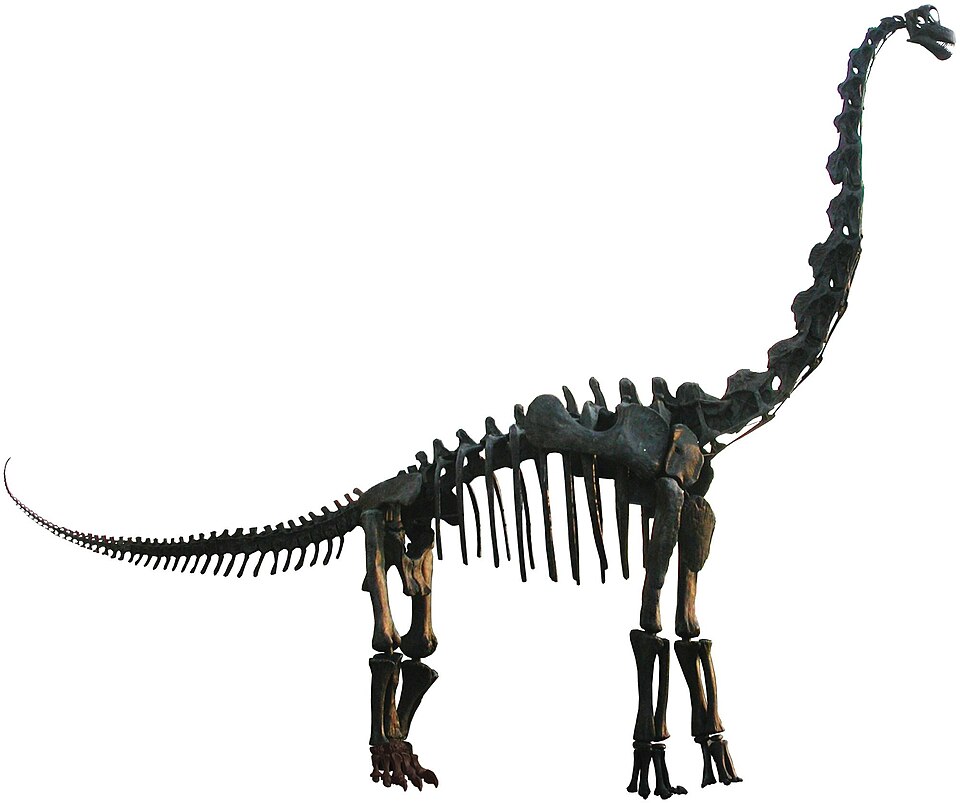
Fossil or skeletal specimen
Brachiosaurus fossil or skeletal exhibit material. Displays may include replicated or supplemented parts; this is not a photograph of a living individual.
Source: Matt Wedel · Original material · CC BY 3.0
1. Classification, discovery and geological context
Brachiosaurus was a sauropod dinosaur living in Late Jurassic North America. This page focuses on the North American Brachiosaurus altithorax. African Giraffatitan, previously introduced under the same name, is now classified as a separate genus, so specimens of the two animals should not be used interchangeably. Although it is easy to assume one complete skeleton was found, reconstruction includes incomplete bones and comparisons with close relatives. Checking discovery locations alongside the displayed specimen's scientific name is important.
2. Appearance and identification
Relatively long forelimbs and high shoulders produce a distinctive silhouette with the front of the torso raised. The long neck, small head, four legs supporting a large body and tail show the basic sauropod body plan. When comparing long-necked animals such as Diplodocus, examine front-to-hind leg proportions and shoulder height as well as neck length. Body length and mass are estimates calculated from remaining bones and vary with how much muscle and fat are reconstructed. A fossil skeleton and a fleshed-out reconstruction provide different kinds of information.
3. Evidence for ecological interpretations
Teeth, jaws and the long neck support an interpretation as a plant-eating animal. Possible use of high vegetation is studied, but neck range of motion and usual head height should not be fixed as one certain posture. A comparison with giraffes helps explain appearance, without implying identical food selection or social behavior. In environments shared by several herbivorous dinosaurs, researchers also consider the possibility of using different plant types and heights. Exact daily food intake and travel speed cannot be known from body size alone.
4. Limits of the fossil record and reconstructions
Brachiosaurus environments are interpreted by connecting the strata containing bones with plant and sediment material from those strata. Older reconstructions suggesting the large body could stand only when submerged must be distinguished from modern sauropod research. In exhibit photographs, first read whether the scientific name is Brachiosaurus or Giraffatitan, and check specimen and replicated parts. Skin color, calls and the exact appearance of herds are not verified scenes like photographs. Read this page's image alongside the text on the understanding that it shows an extinct animal's fossil or scientific reconstruction.
Evidence and references
- Natural History Museum — Brachiosaurus
The genus's discovery regions, geological time, skeleton and interpretations of diet
- UC Museum of Paleontology — Sauropod dinosaurs
Sauropod relationships, quadrupedal movement and the basic long-necked skeleton