
Dog Breeds
Explore published English dog breed profiles. Each guide distinguishes breed history and appearance from the behavior and care needs of individual dogs.
Browse categories
Small Dogs
Explore the published profiles of small dog breeds. Body size alone does not establish temperament, exercise needs or suitability for a particular home.
Medium-Sized Dogs
A browsing group centered on medium-sized dogs, bringing together breeds with varied activity backgrounds. Some breeds may also be classified as small; this is neither a fixed weight boundary nor a biological classification. Check actual activity and responses to other animals and people for each breed and individual.
Large Dogs
Compare working histories and living conditions among dogs with relatively large adult bodies. Hunting, herding and retrieving backgrounds vary, as do strength, activity needs and responses to unfamiliar situations. Neither a large body nor breed reputation guarantees gentleness; consider individual training and a comfortable living environment together.
Giant Dogs
An exploratory collection of breeds that grow into very large adults. Their backgrounds differ, including livestock guardians, draft dogs and companions, and size also varies with sex and growth stage. Prepare ample movement and resting space, safe handling and care appropriate to growth, and check actual individual reactions and health records.
Published animal profiles
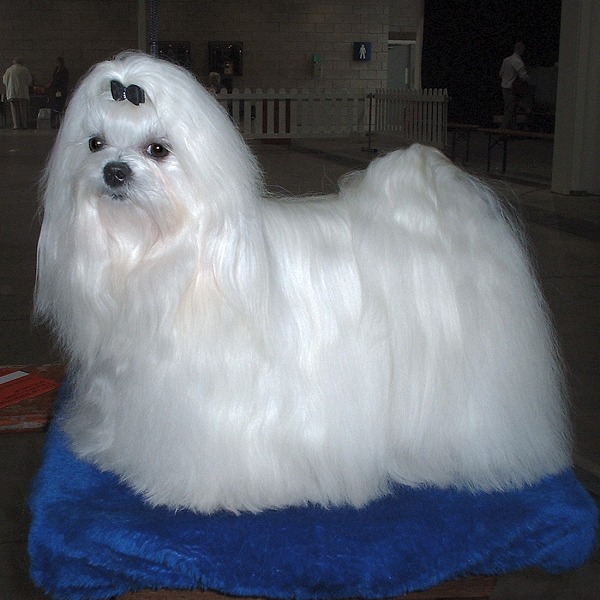
Maltese
The Maltese is a domestic dog breed associated with a long history of small companion dogs in the Mediterranean region. Its straight, long white coat and small, dark eyes and nose are characteristic features.
Read the guide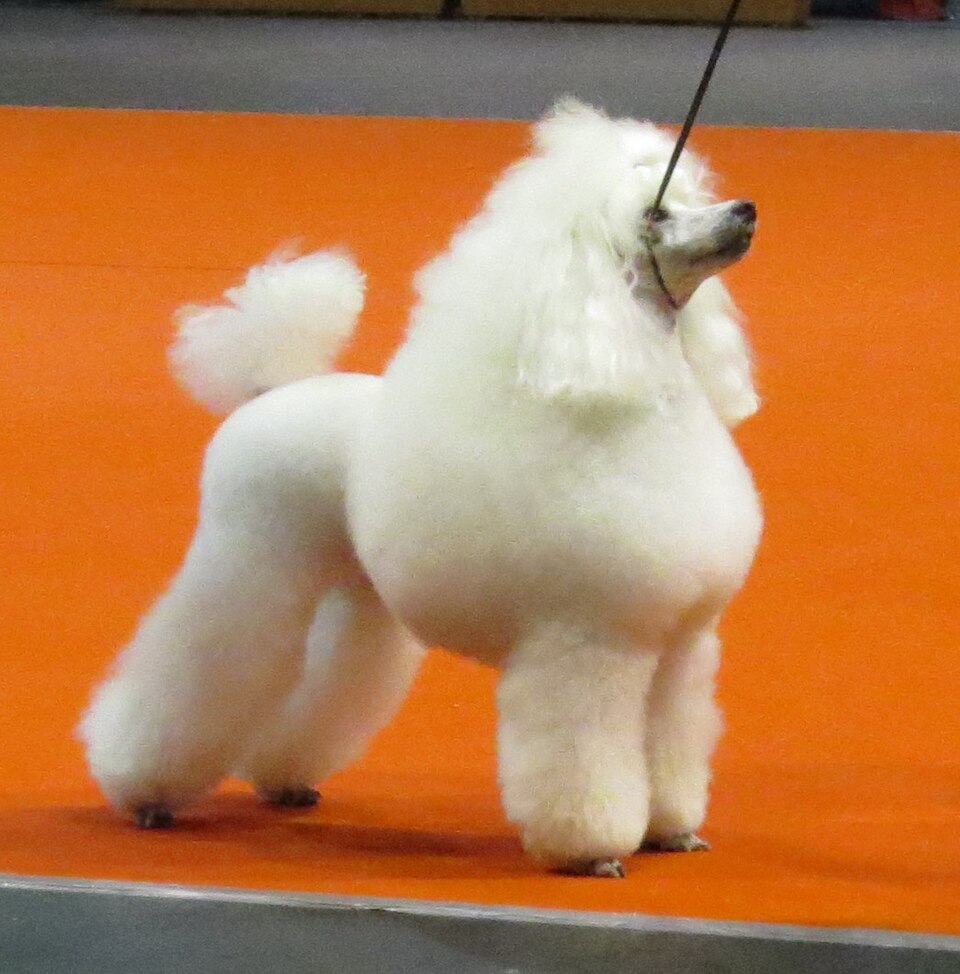
Toy Poodle
The Toy Poodle is a small size variety of the Poodle. A dense, curly coat, a relatively long muzzle and hanging ears are characteristic features.
Read the guide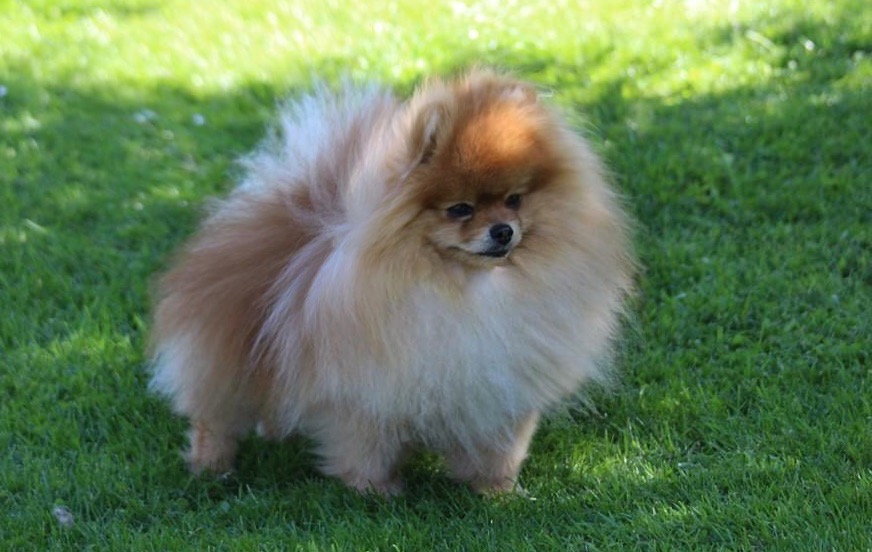
Pomeranian
The Pomeranian is a breed selected as a small companion dog from northern European Spitz ancestry. A profuse double coat, small upright ears and a tail carried over the back are characteristic features.
Read the guide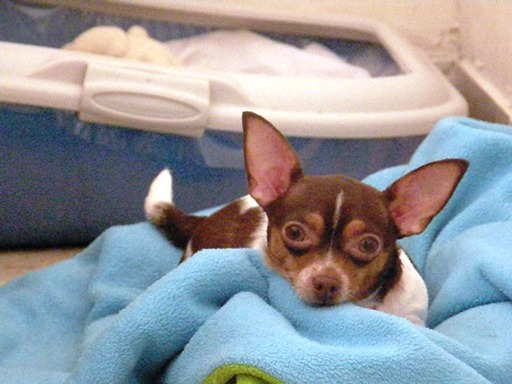
Chihuahua
The Chihuahua is a small domestic dog breed named after a place in Mexico. Large upright ears, a rounded head and relatively large eyes stand out.
Read the guide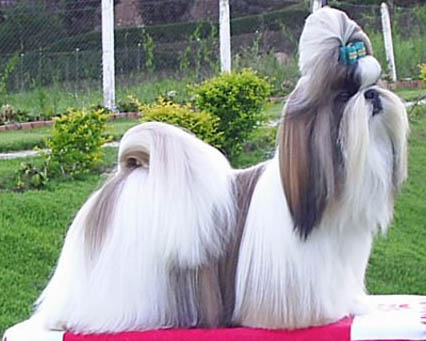
Shih Tzu
The Shih Tzu is a breed developed from small dogs of Tibetan ancestry and the companion-dog culture of the Chinese court. A short muzzle, a rounded head and long hair growing around the face are characteristic features.
Read the guide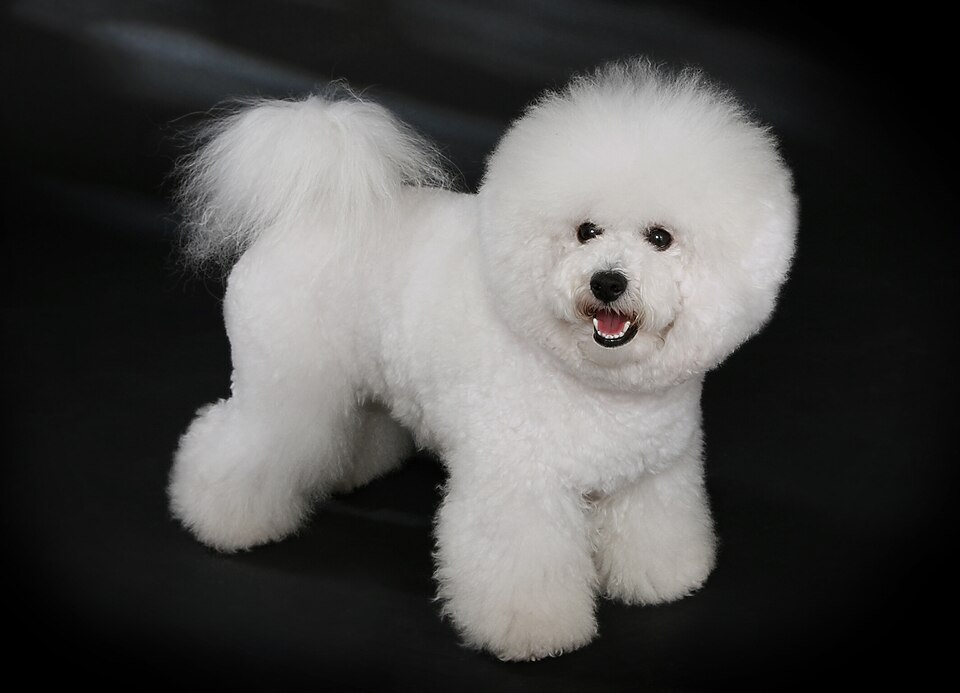
Bichon Frise
The Bichon Frise is associated with small companion-dog lines around the Mediterranean and developed into its modern breed in France and Belgium. White curly hair and a soft undercoat create a full appearance, contrasting with dark eyes and nose.
Read the guide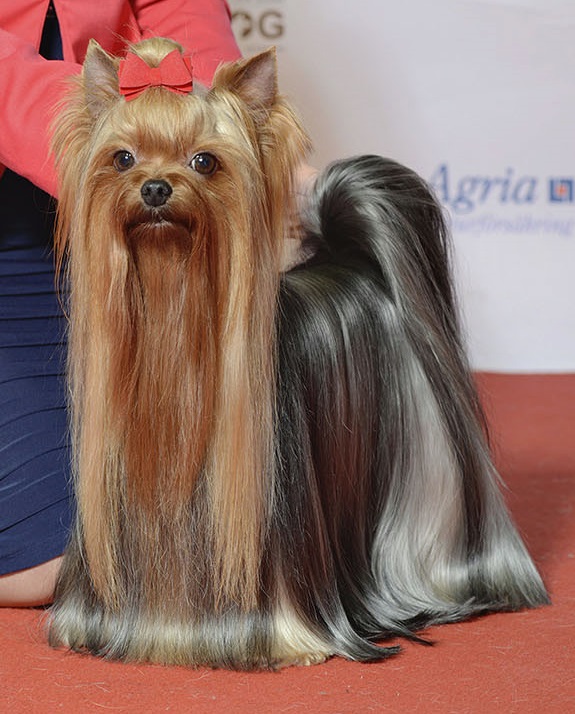
Yorkshire Terrier
The Yorkshire Terrier is associated with terrier ancestry used to catch small rodents in the industrial areas of northern Britain. Adults typically have blue-gray body hair and a tan face and legs; their color can change from the black and tan of puppyhood.
Read the guide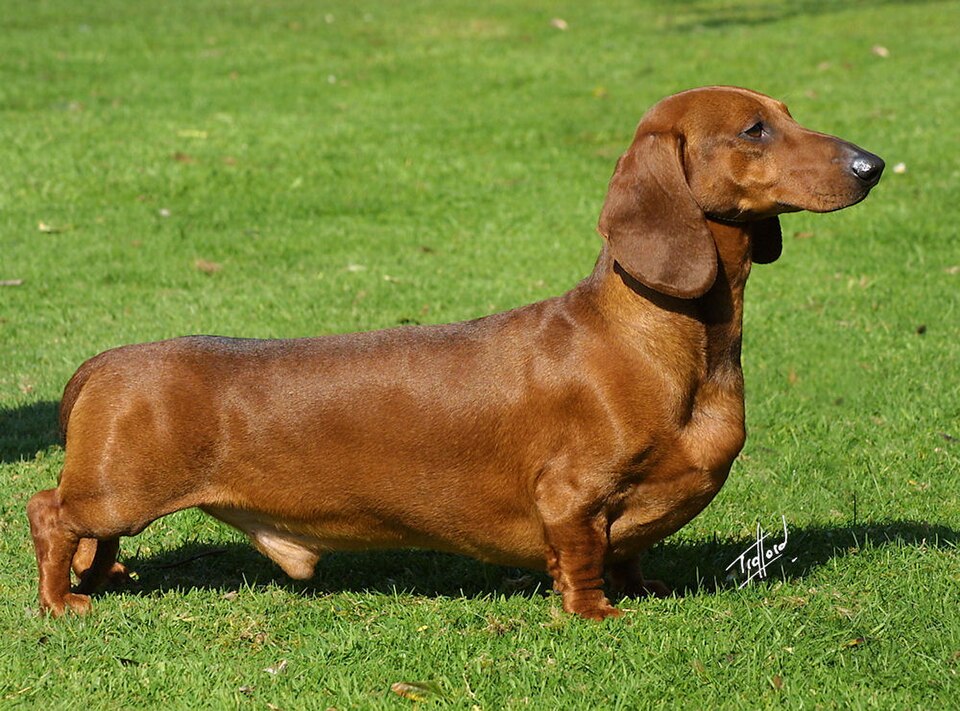
Dachshund
The Dachshund developed in Germany as a dog that helped with hunting in burrows and above ground. A long torso, short, sturdy legs and long, hanging ears stand out.
Read the guide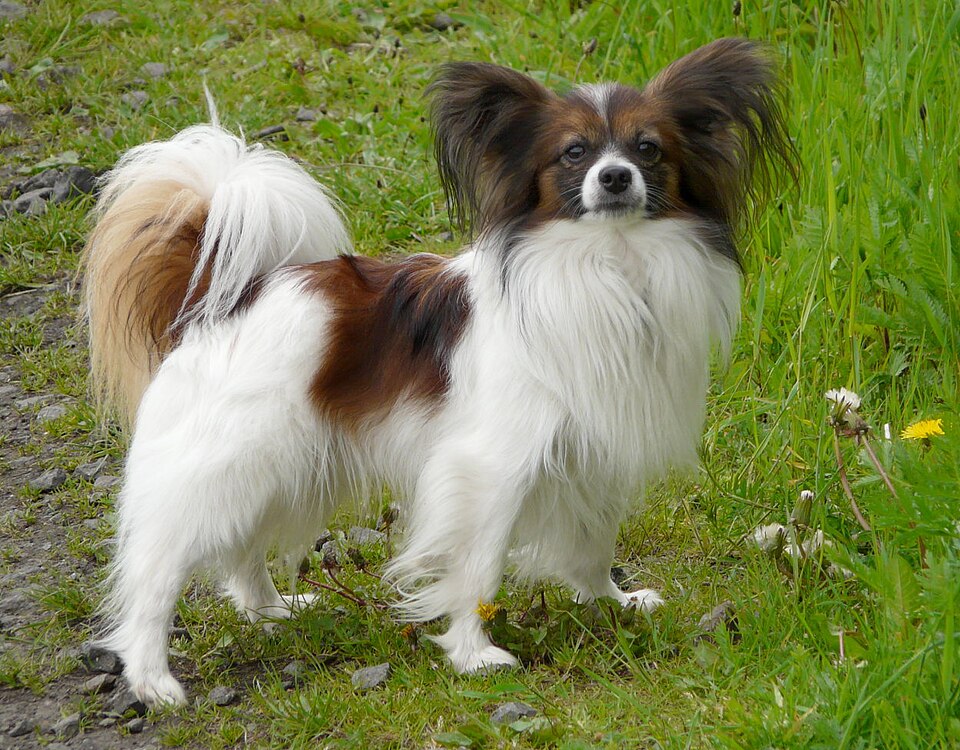
Papillon
The Papillon developed from small European companion spaniels and is introduced in connection with little dogs depicted in old paintings. Large ears spreading to the sides, long ear fringes, a small torso and a full tail are characteristic features.
Read the guide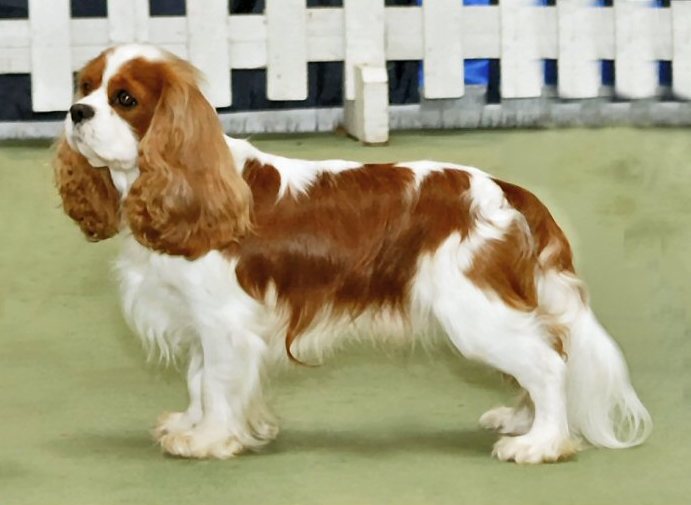
Cavalier King Charles Spaniel
The Cavalier King Charles Spaniel is connected with the history of small spaniels in the British royal household and developed through modern selection aimed at the form seen in old paintings. Long, soft ear fringes, feathering on the chest and legs, and relatively large eyes are characteristic features.
Read the guide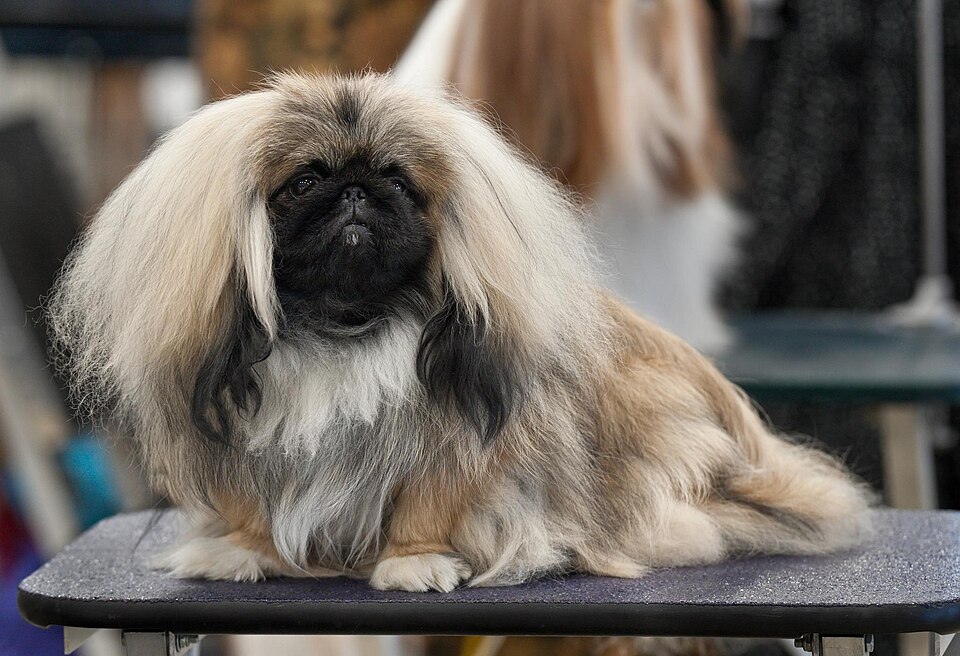
Pekingese
The Pekingese is a small dog connected with China’s court companion-dog culture. A low, compact torso, a short muzzle and broad head, and abundant hair around the neck and chest are characteristic features.
Read the guide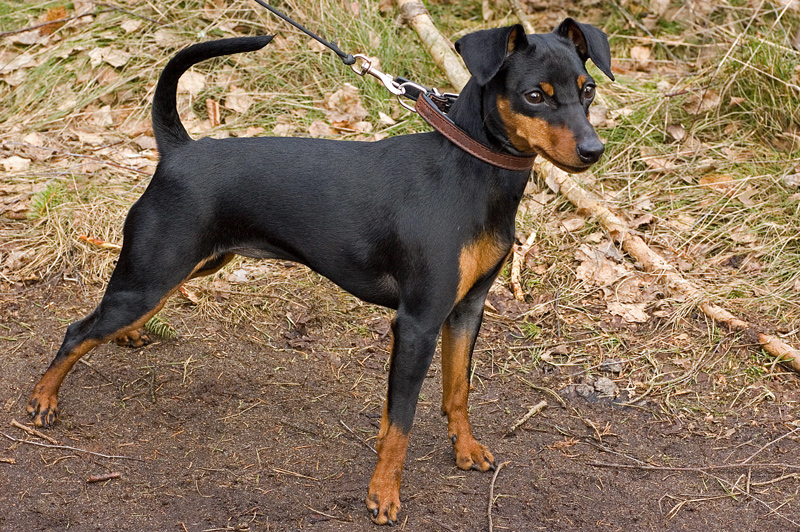
Miniature Pinscher
The Miniature Pinscher developed from small German Pinscher ancestry. A smooth, short coat, a sleek, compact body and relatively long legs are characteristic features.
Read the guide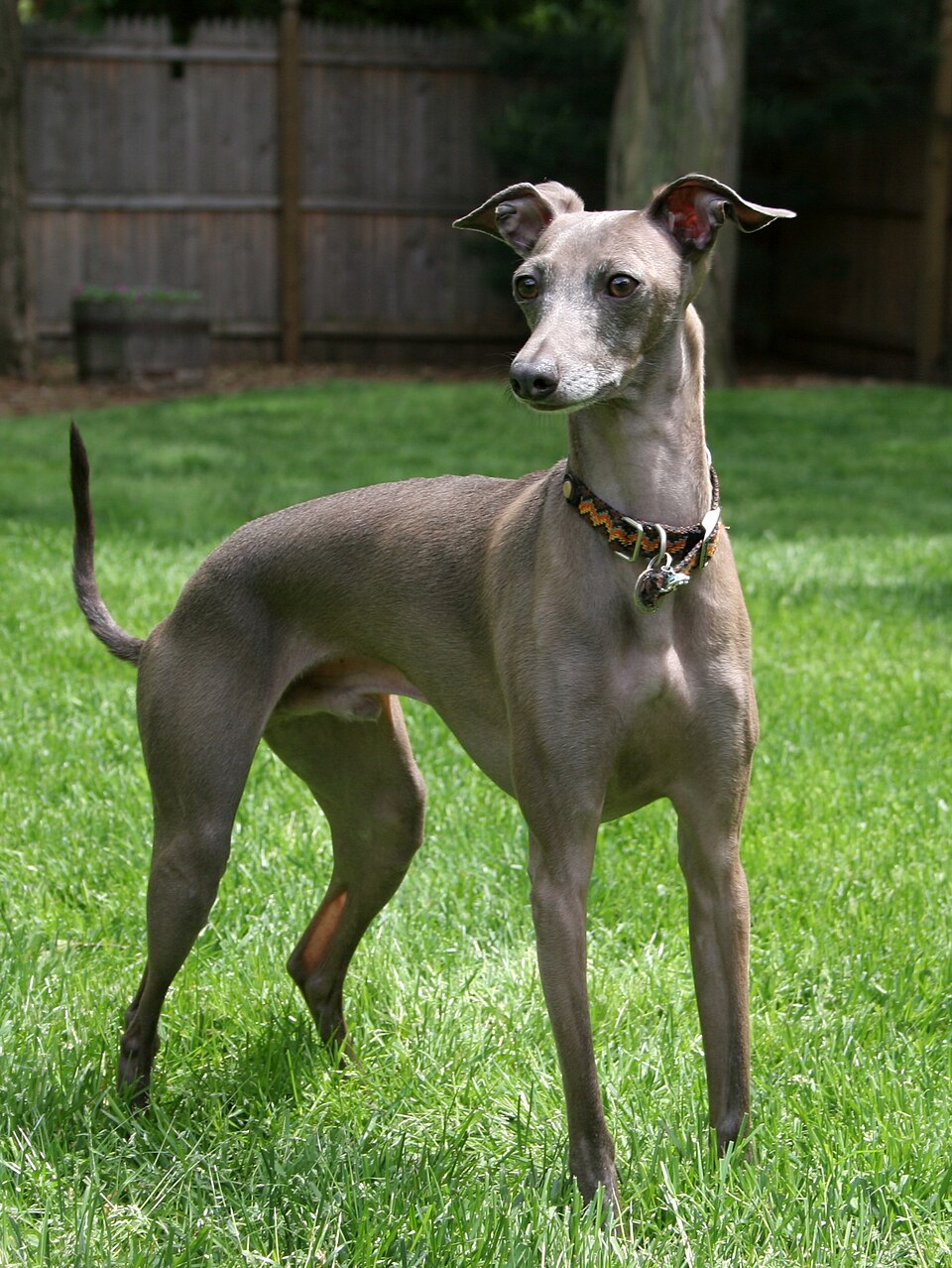
Italian Greyhound
The Italian Greyhound developed from old small sighthound ancestry and European companion-dog culture. A deep chest and tucked-up abdomen, long legs and a long, slender neck, and a short, smooth coat are characteristic features.
Read the guide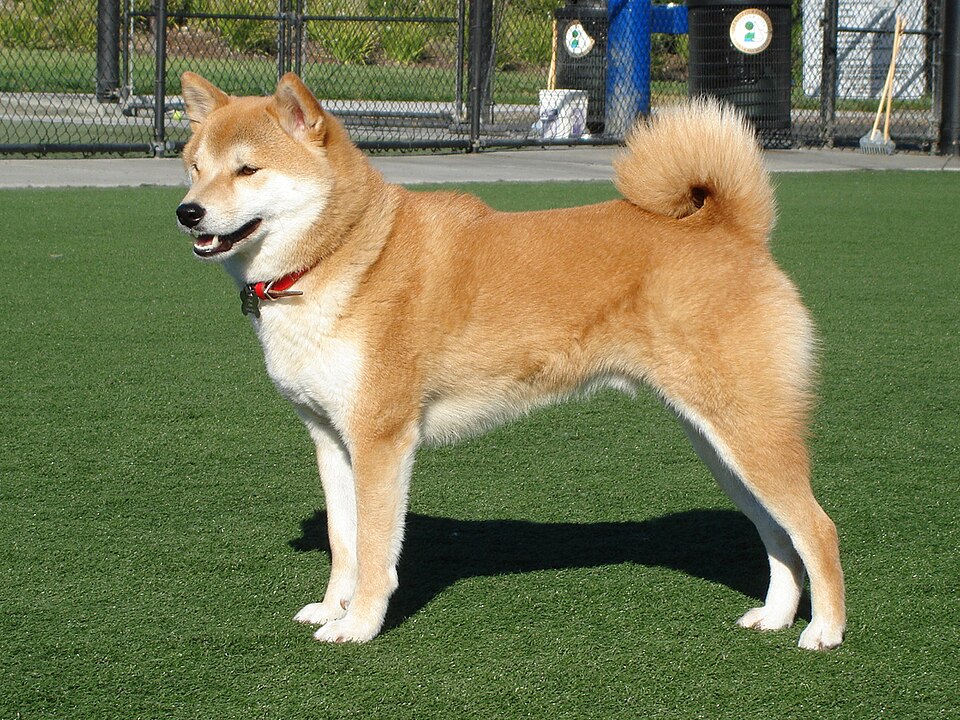
Shiba Inu
The Shiba is a native dog breed developed in Japan as a small hunting dog. Small erect triangular ears, a curled or upward-curving tail and a thick double coat are characteristic.
Read the guide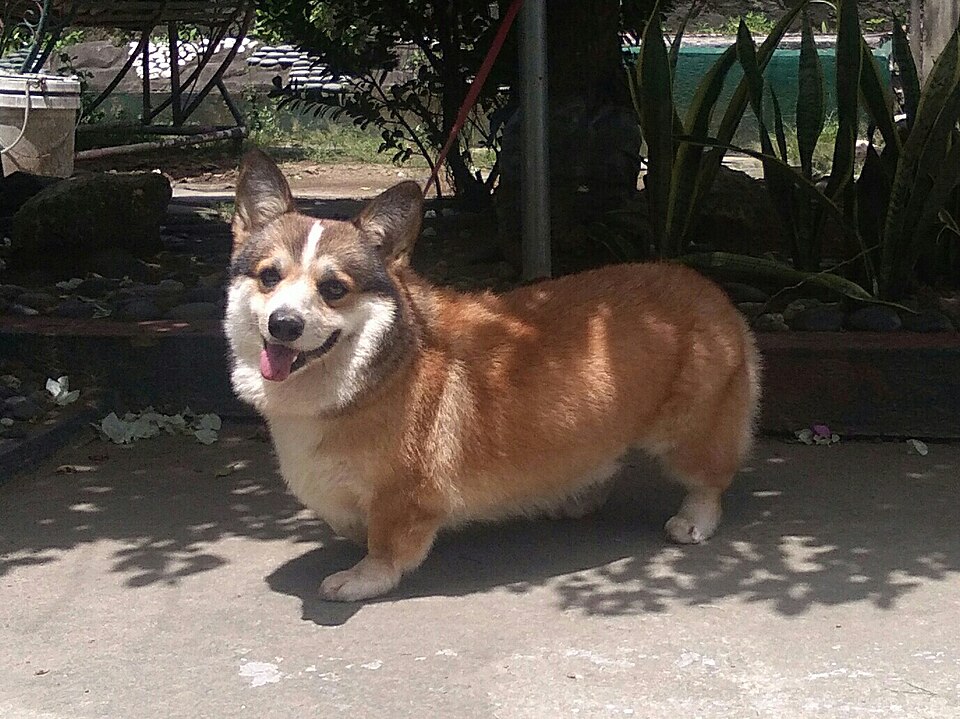
Welsh Corgi
Welsh Corgis are small herding dogs associated with moving livestock in Wales; Pembrokes and Cardigans are distinct. Short legs, a long sturdy body, relatively large upright ears and a fox-like head are characteristic.
Read the guide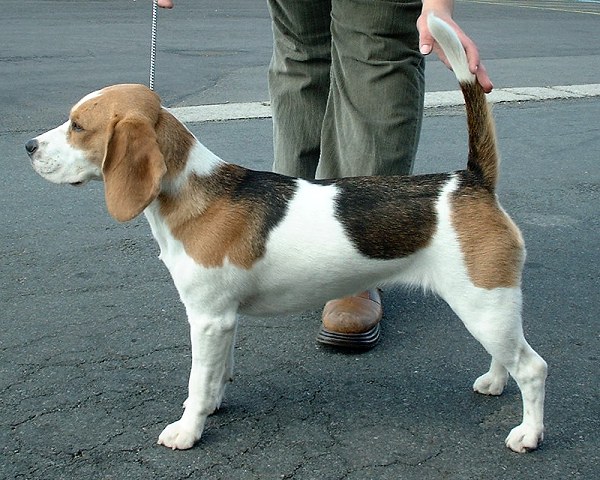
Beagle
The Beagle developed from small British hound lineages that followed scent to find quarry such as rabbits. Long hanging ears, strong legs, a balanced body and a raised tail stand out.
Read the guide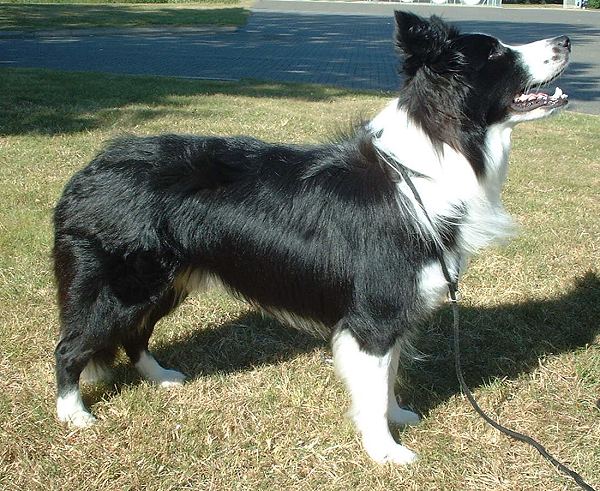
Border Collie
The Border Collie is a herding dog selected primarily for its ability to work sheep in Britain’s border region. A balanced medium-sized body, relatively long agile legs and a double coat of varying lengths are seen.
Read the guide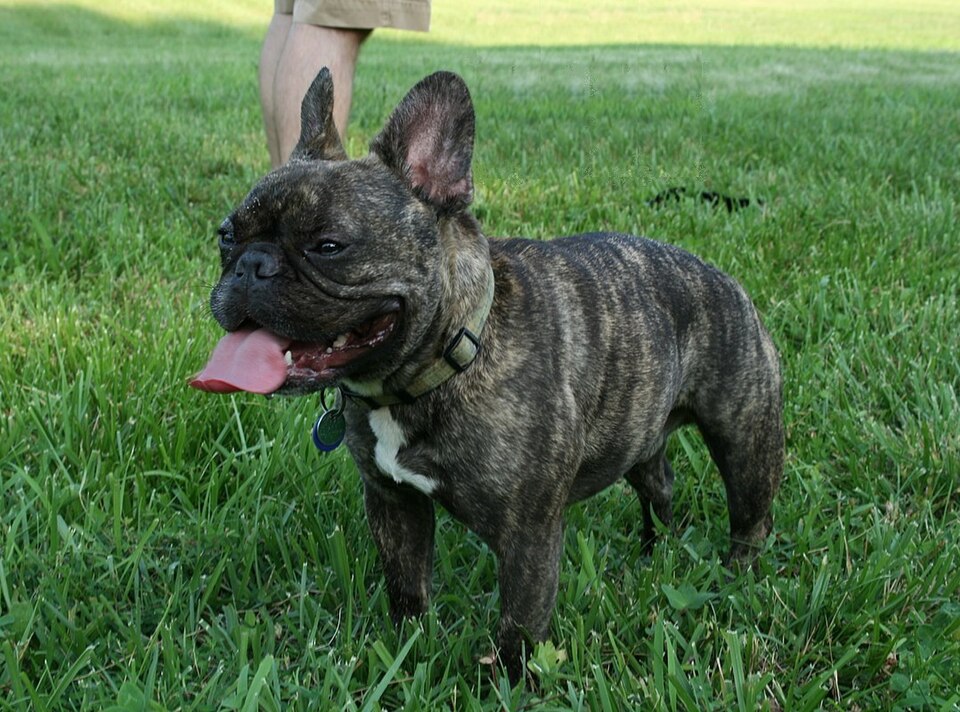
French Bulldog
The French Bulldog developed from small British bulldog lines within French companion-dog culture. Broad erect bat-shaped ears, a short muzzle and a compact muscular body are characteristic.
Read the guide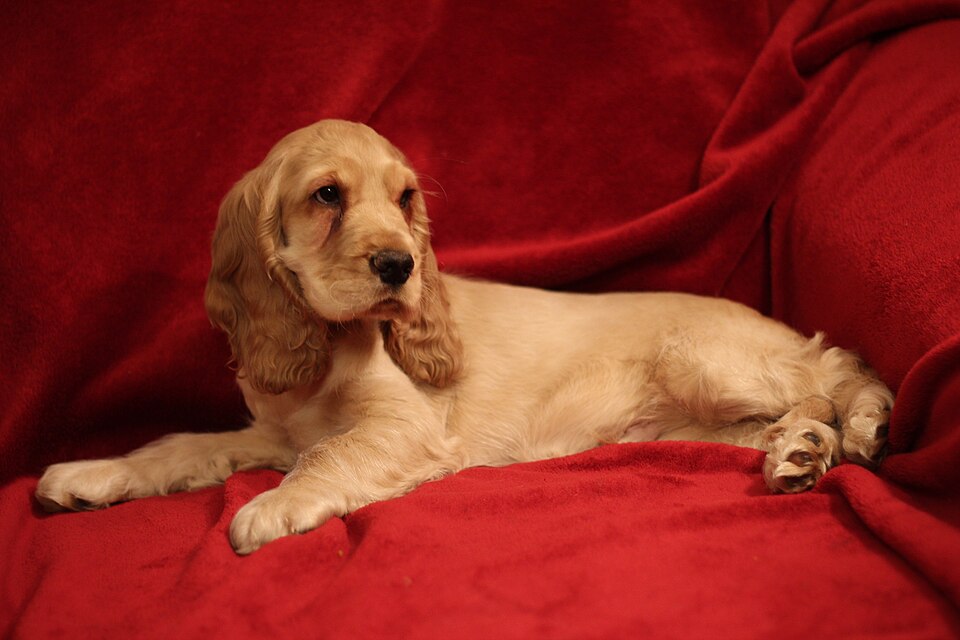
Cocker Spaniel
The Cocker Spaniel developed from spaniels that helped hunt birds, and English and American types are distinguished. Long drooping ears with soft hair, feathering on the chest, belly and legs, and a sturdy body are characteristic.
Read the guide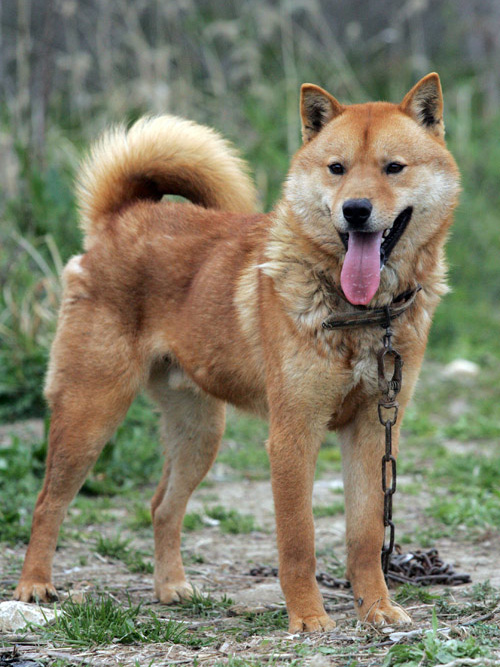
Jindo
The Jindo is a conserved and registered breed based on the indigenous dog population of Jindo in the Republic of Korea. Upright triangular ears, a firm body, a thick double coat and a raised tail are characteristic.
Read the guide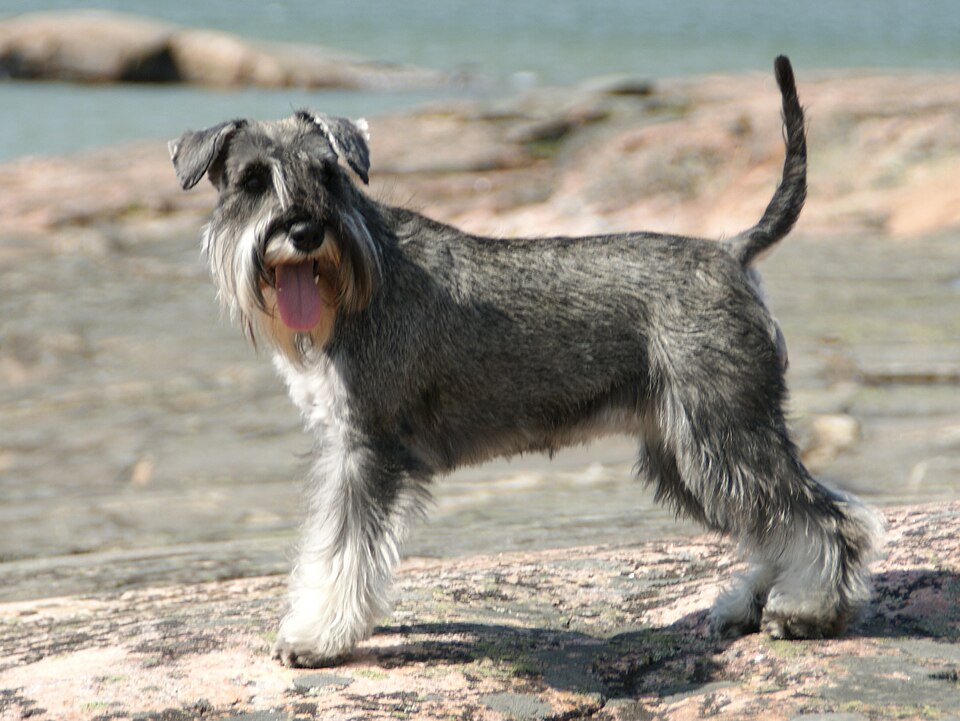
Miniature Schnauzer
This entry focuses on the Miniature Schnauzer to match the main photograph. A harsh outer coat, pronounced beard and eyebrows, and a compact, square-looking body are characteristic.
Read the guide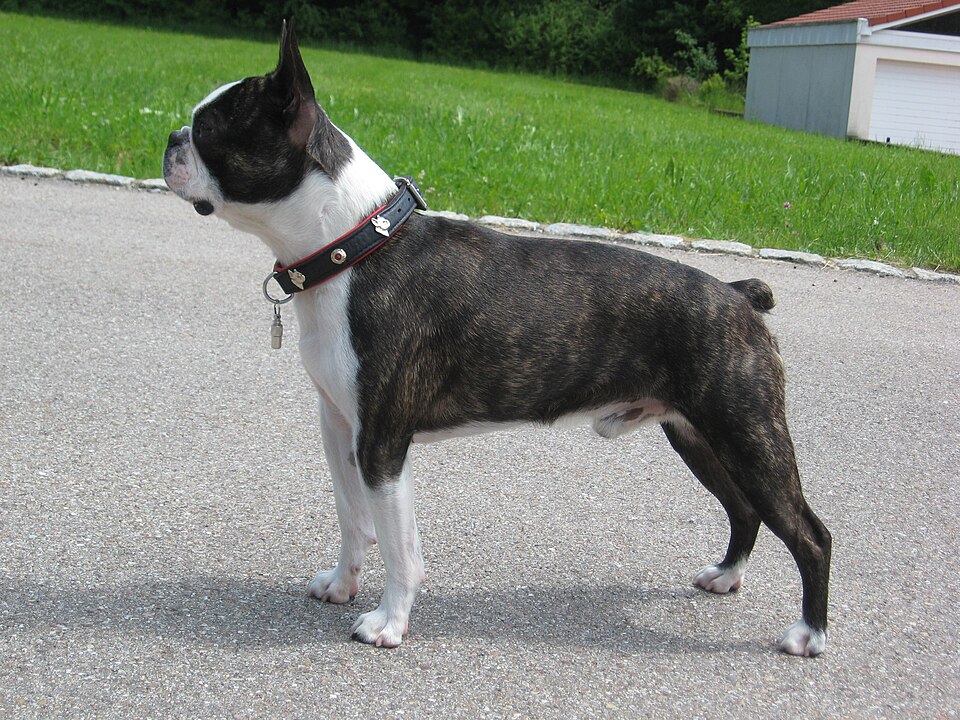
Boston Terrier
The Boston Terrier is a companion breed developed from bulldog and terrier lines in Boston in the United States. A short muzzle, square head, upright ears, short coat and white markings stand out.
Read the guide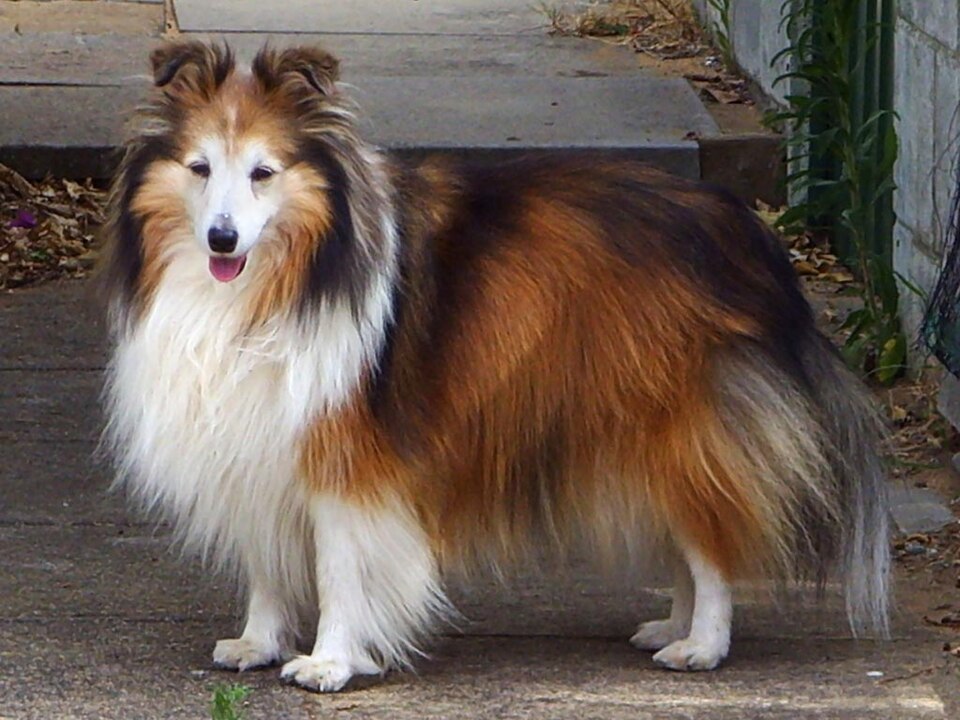
Shetland Sheepdog
The Shetland Sheepdog developed from small herding-dog lines on northern islands. A long, abundant double coat, neck mane, relatively long narrow head and ears with folded tips are characteristic.
Read the guide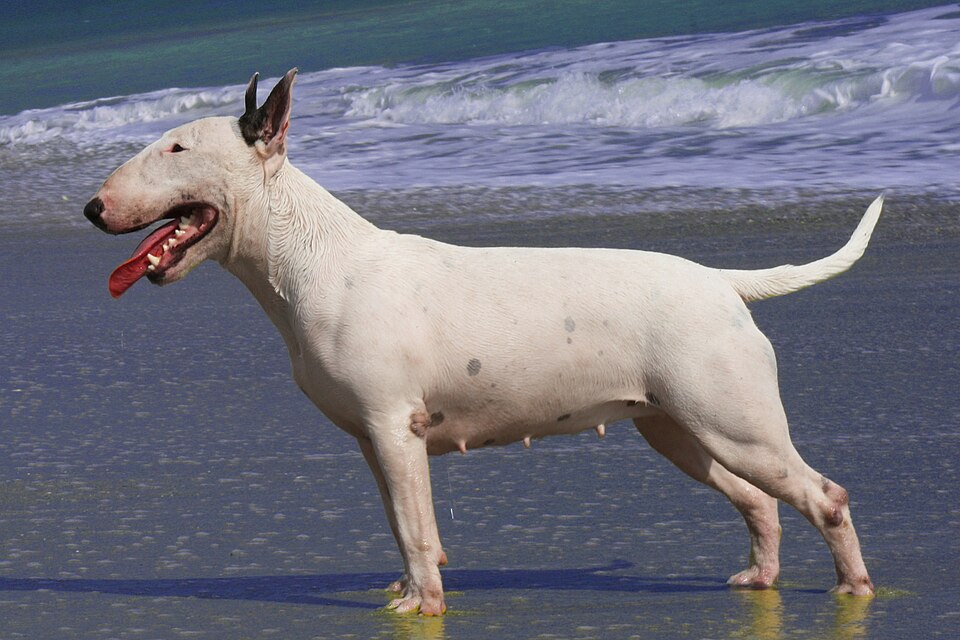
Bull Terrier
The Bull Terrier developed in Britain from bulldog and terrier lines. A long egg-shaped head with a curved profile, small upright ears, triangular-looking eyes and a muscular body are characteristic.
Read the guide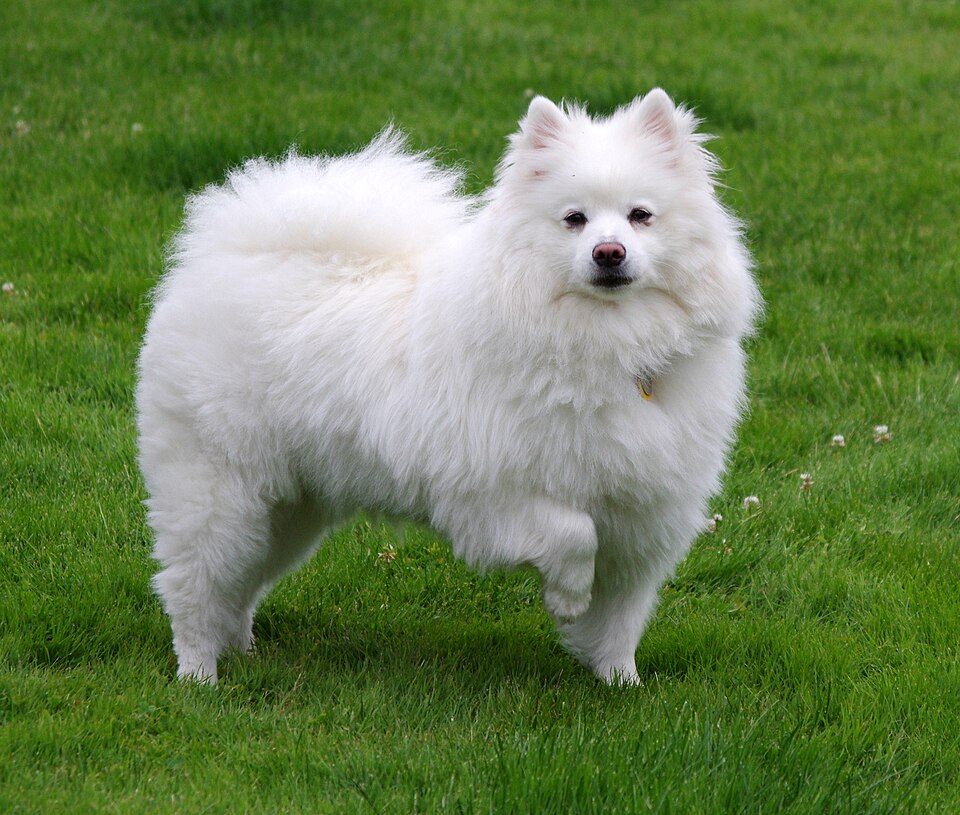
American Eskimo Dog
Despite its name, the American Eskimo Dog is not described as directly descended from the sled dogs of Indigenous Arctic peoples. An abundant white or cream double coat, small upright ears, dark eyes and nose, and a tail carried over the back are typical.
Read the guide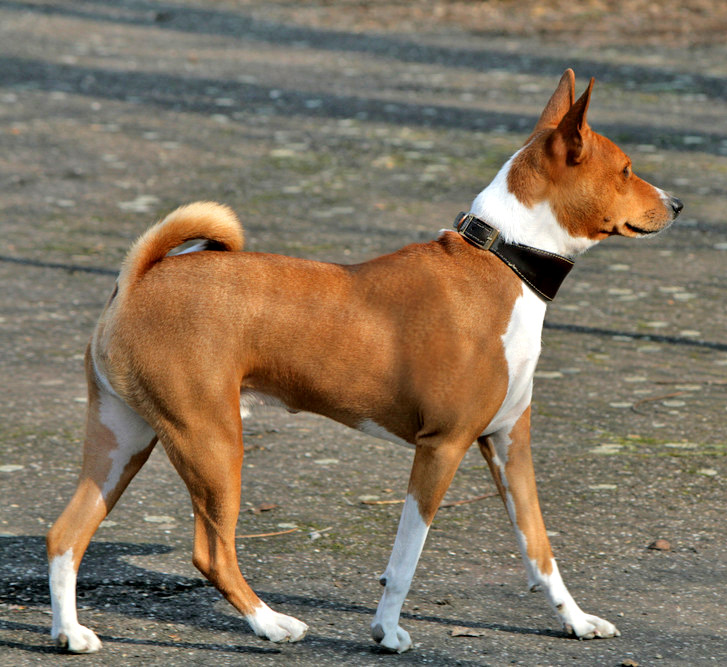
Basenji
The Basenji developed into a modern registered breed from regional hunting-dog lines in Central Africa. A short coat, compact body, upright ears, forehead wrinkles and tightly curled tail are characteristic.
Read the guide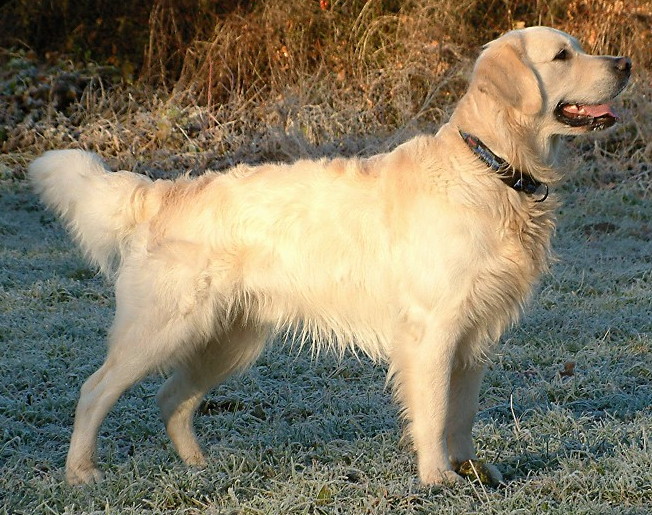
Golden Retriever
The Golden Retriever is a gundog developed in Scotland to retrieve shot birds. Long golden-toned fur, soft ears and feathering on the chest, legs and tail are characteristic.
Read the guide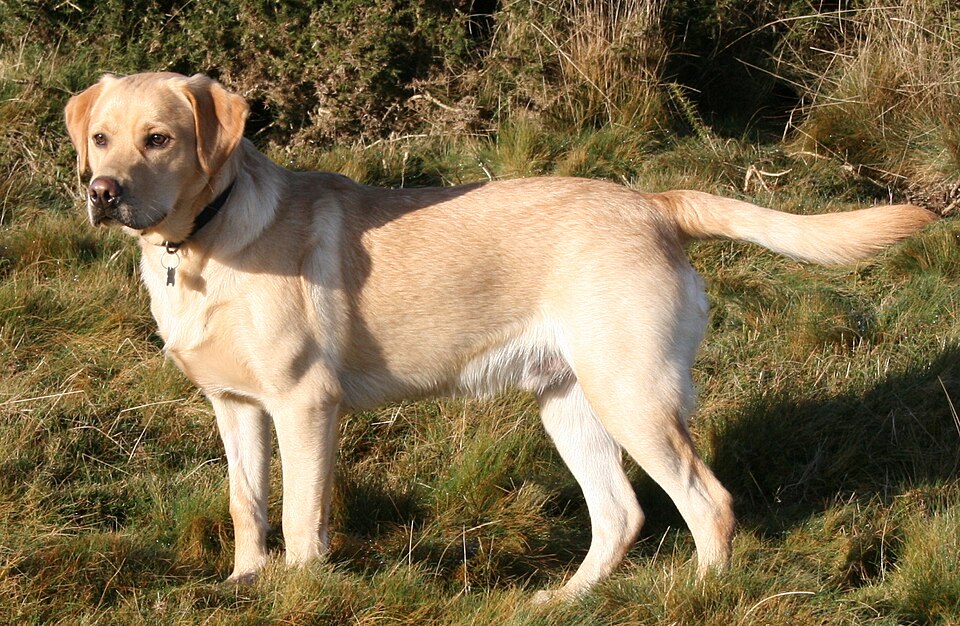
Labrador Retriever
The Labrador Retriever developed from waterside working dog lineages in Newfoundland, Canada, and selection as a gundog in Britain. A short, dense double coat, broad head and thick, tapering otter-like tail are typical.
Read the guide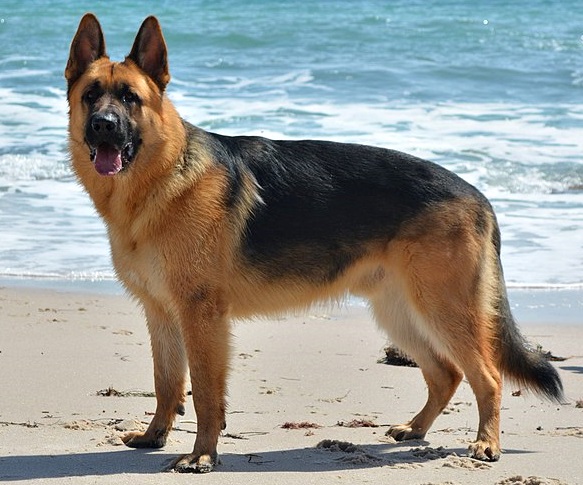
German Shepherd
The German Shepherd was selected for working ability and form from various German herding dogs. A wedge-shaped head, upright ears, long muzzle, firm body and double coat are characteristic.
Read the guide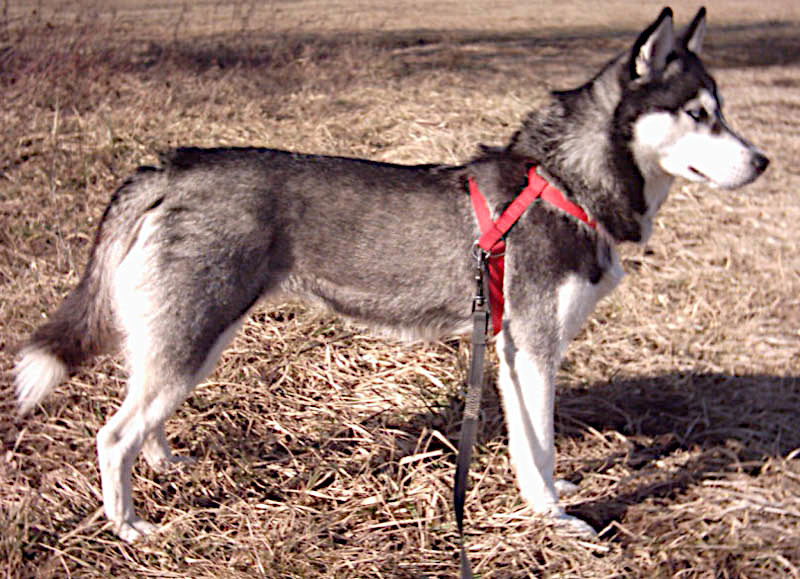
Siberian Husky
The Siberian Husky developed from Northeast Asian sled-dog lines and became associated with modern registration and racing in North America and elsewhere. A thick double coat, upright ears, balanced medium-sized body and bushy tail are characteristic.
Read the guide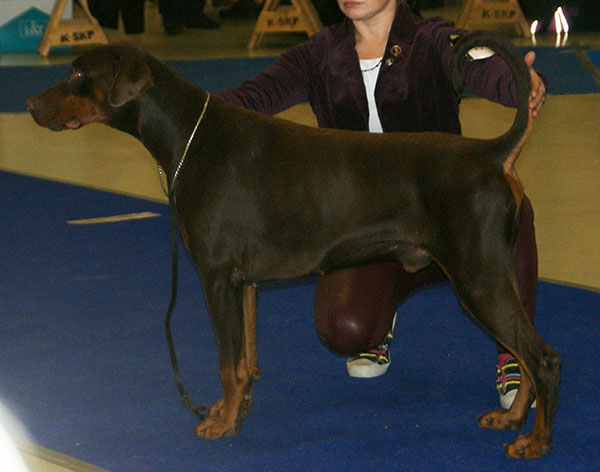
Doberman
The Doberman developed in Germany from several dog lines for guarding and protecting people. A short smooth coat, long legs, firm balanced body and wedge-shaped head are characteristic.
Read the guide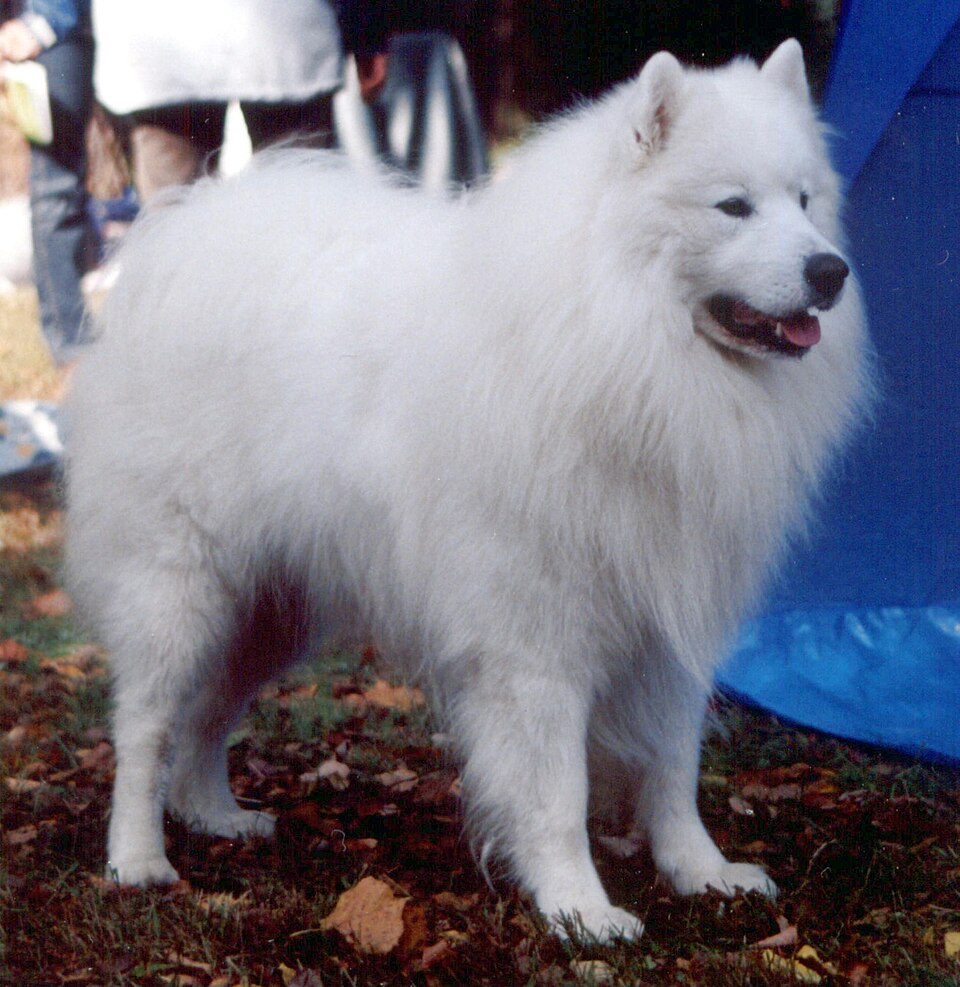
Samoyed
The Samoyed developed from working-dog lines that accompanied people of northern Siberia in travel and livestock management. An abundant double coat in white, cream or biscuit shades, small upright ears and a tail carried toward the back are characteristic.
Read the guide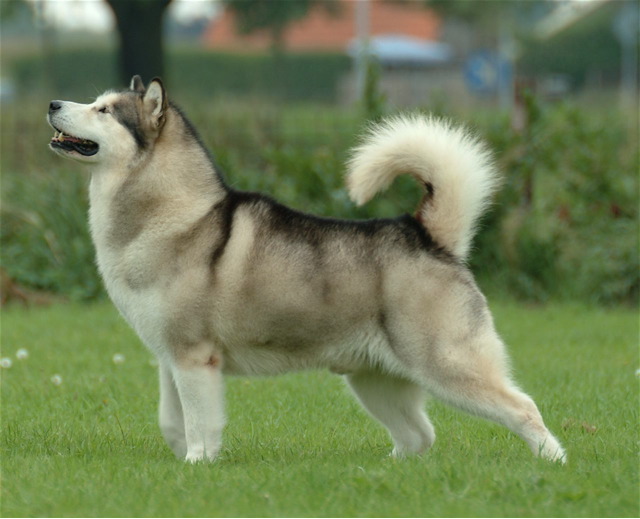
Alaskan Malamute
The Alaskan Malamute developed from sledding and transport working-dog lines associated with Indigenous communities in Alaska. Heavy bone, a broad head, upright ears, a thick double coat and a bushy tail gently carried over the back are characteristic.
Read the guide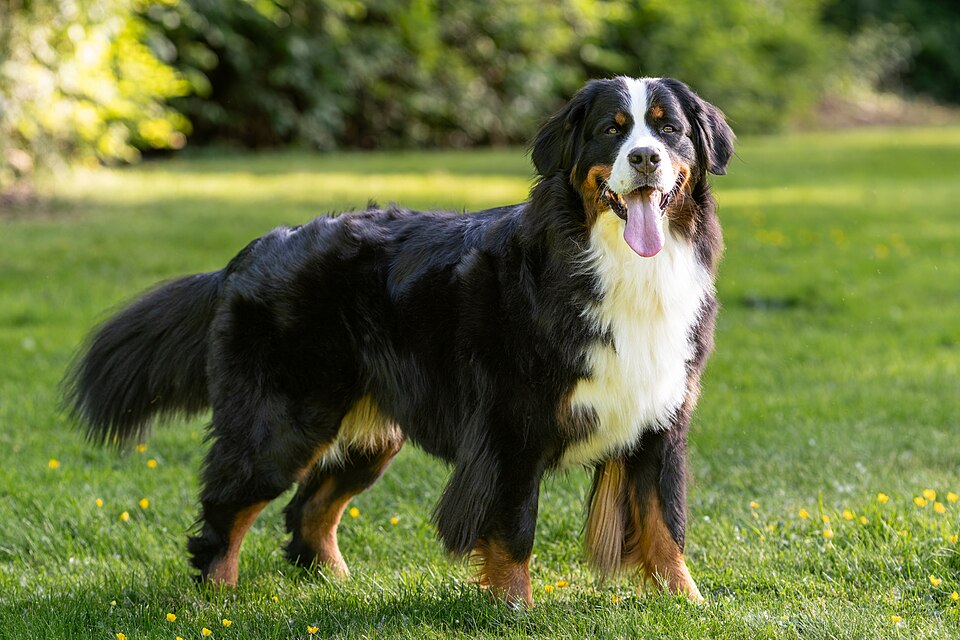
Bernese Mountain Dog
The Bernese Mountain Dog developed from farm-dog lines in Switzerland's Bern region that performed varied tasks including livestock management, guarding and hauling. A long black coat with tan and white markings, large body, broad head and hanging ears are characteristic.
Read the guide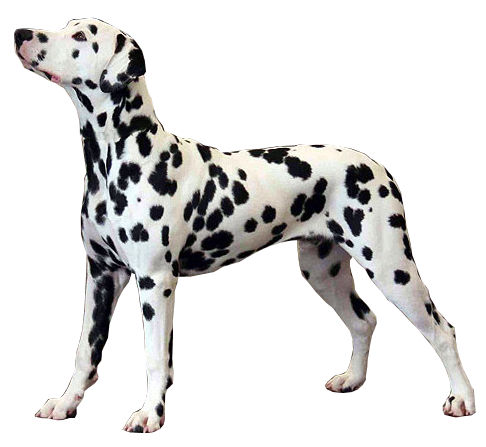
Dalmatian
The Dalmatian is linked to Europe's history of dogs traveling alongside carriages and people, and its name is associated with Dalmatia. A short white coat scattered with black or liver spots and balanced long legs are typical.
Read the guide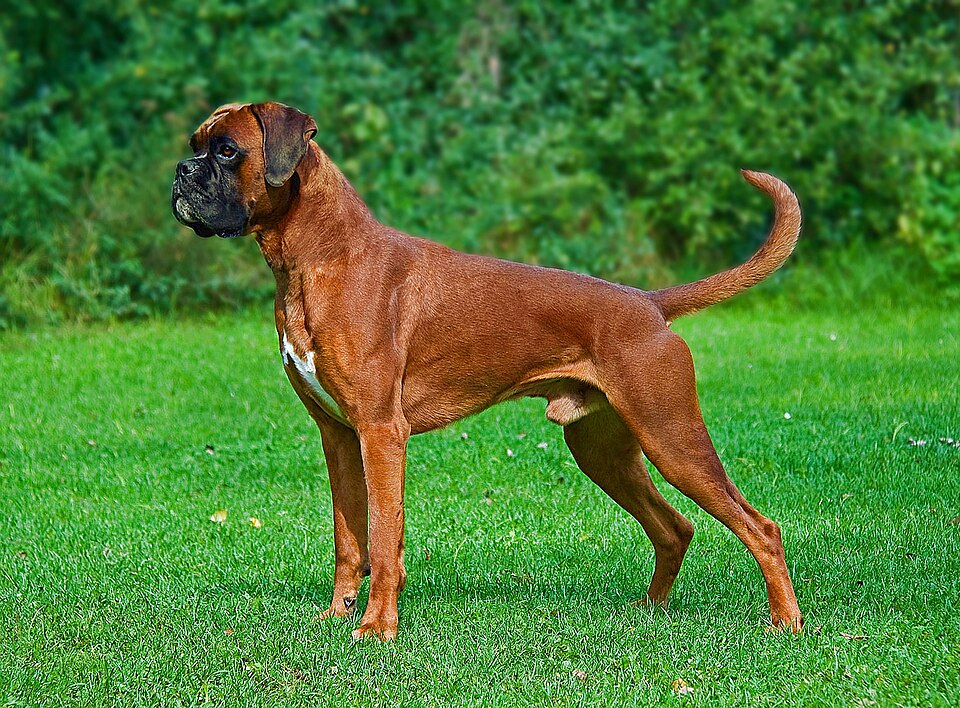
Boxer
The Boxer developed into a modern breed from German dog lines associated with hunting and guarding. A short coat, muscular body, broad head and relatively short muzzle are characteristic.
Read the guide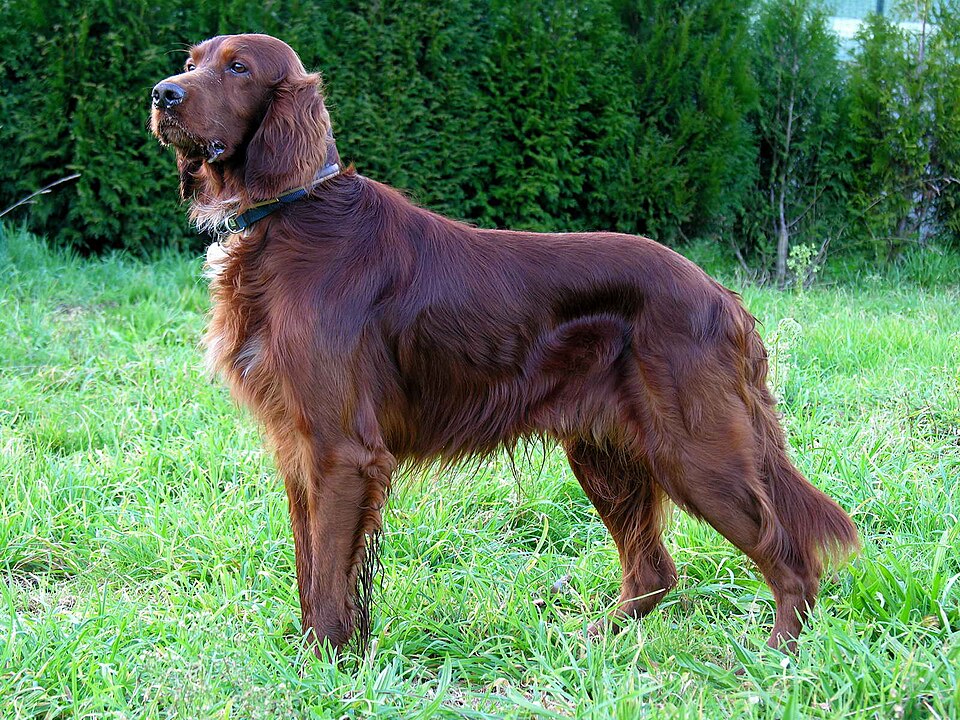
Irish Setter
The Irish Setter developed in Ireland as a hunting dog that located birds and indicated their position. A soft long coat of deep reddish brown, hanging ears, long neck and legs, and a slender body are characteristic.
Read the guide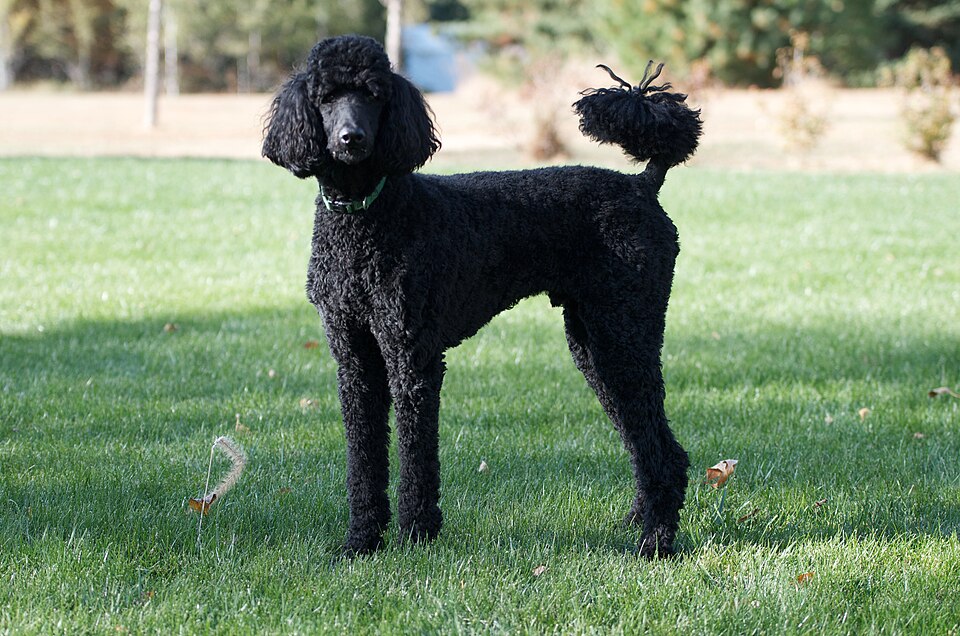
Standard Poodle
The Standard Poodle is the Poodle's large size variety and is linked to the history of dogs retrieving game from water. A dense coat that curls or can be grown in cords, a long muzzle and legs, and a balanced body are characteristic.
Read the guide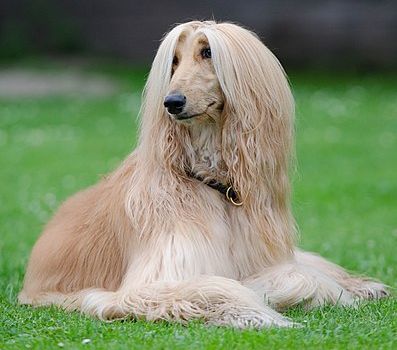
Afghan Hound
The Afghan Hound developed from sighthound lines in Afghanistan and surrounding mountainous and arid regions. A long neck and legs, streamlined body, long flowing coat and abundant hair on the crown are characteristic.
Read the guide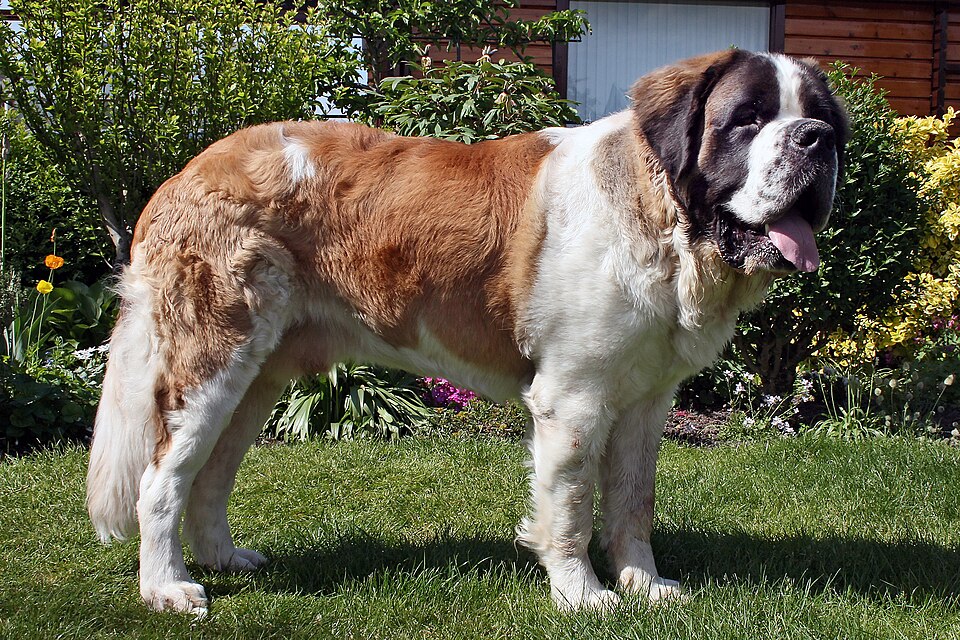
Saint Bernard
The Saint Bernard is associated with large dogs used at hospices on Alpine mountain routes. A large body, broad head, hanging ears and skin around the mouth, and white and reddish-brown markings are characteristic.
Read the guide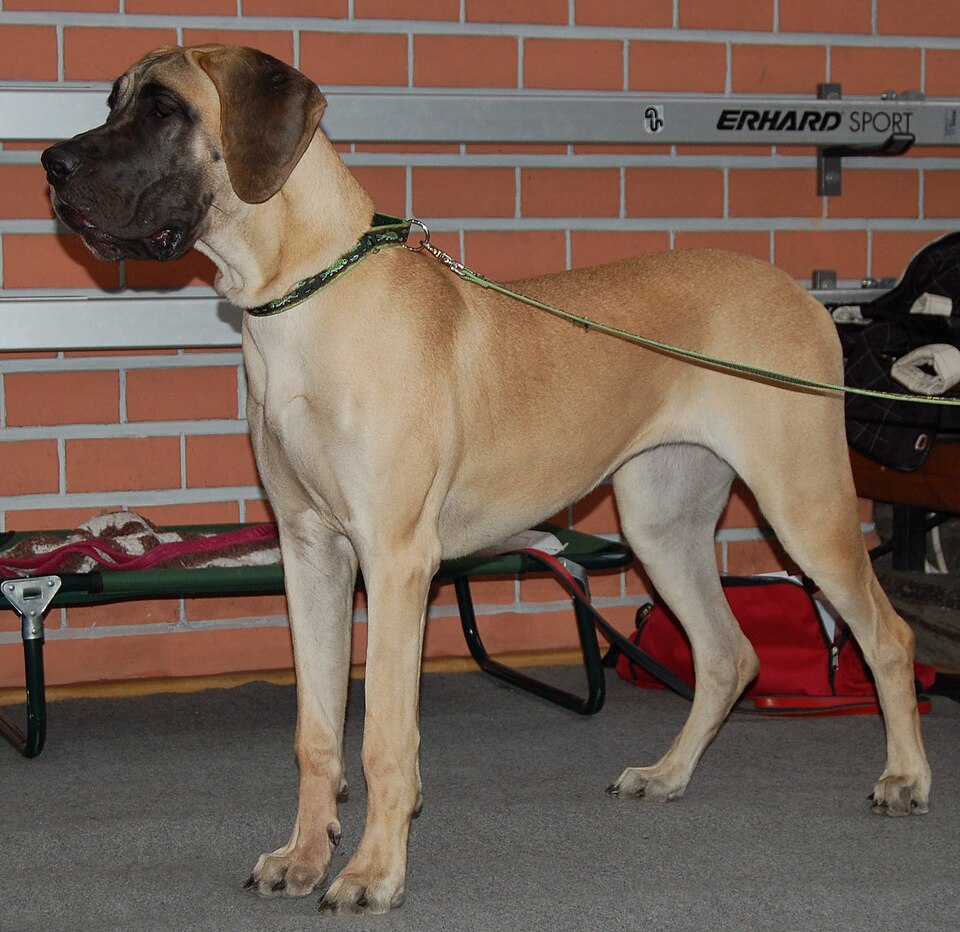
Great Dane
Although its name evokes Denmark, the Great Dane developed from Germany's history of large hunting and guarding dogs. Very long legs, great height at the withers, a deep chest, long head and short coat are characteristic.
Read the guide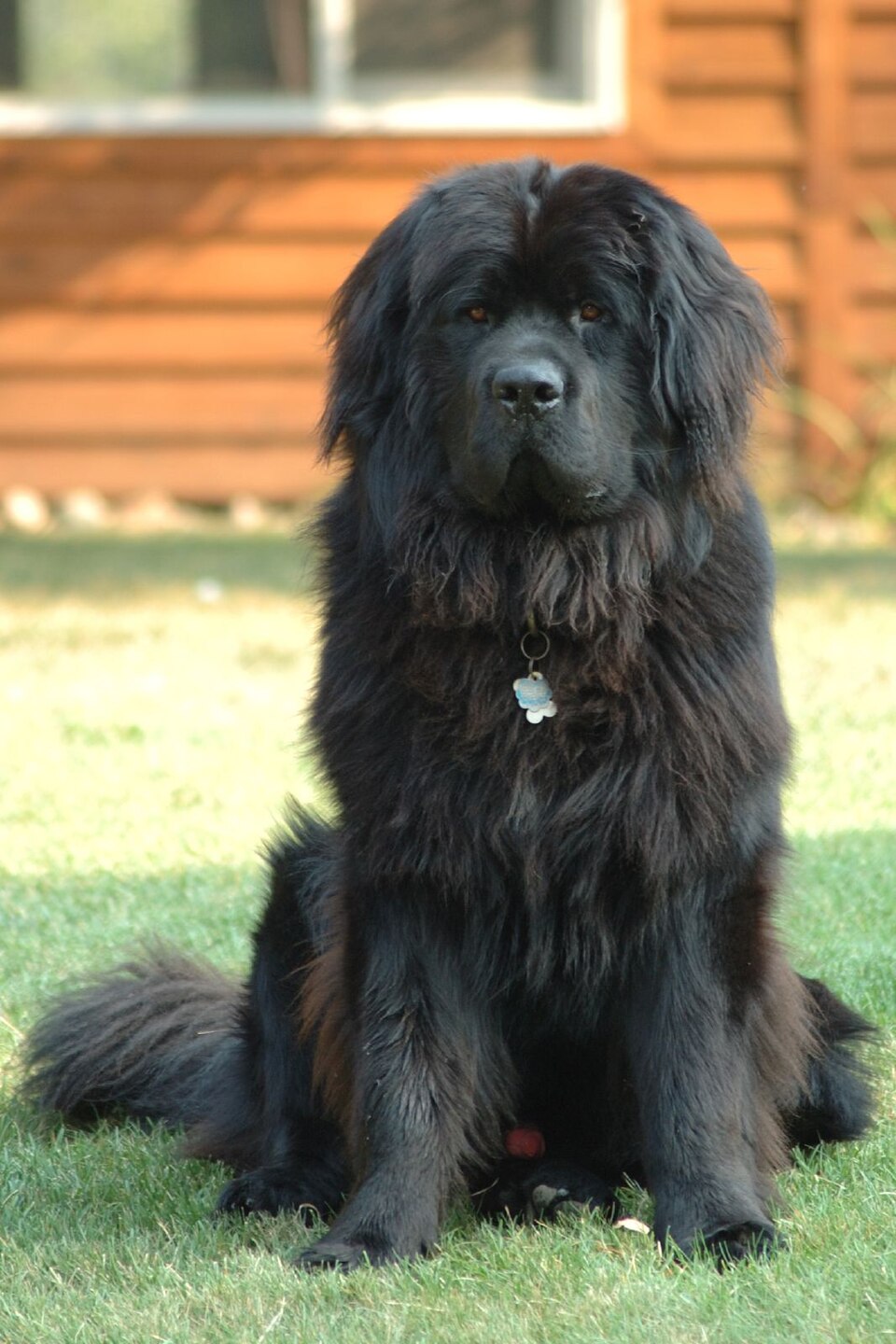
Newfoundland
The Newfoundland developed from large dog lines associated with waterside work and fishing in Newfoundland, Canada. Heavy bone, a broad head, thick double coat and bushy tail are characteristic.
Read the guide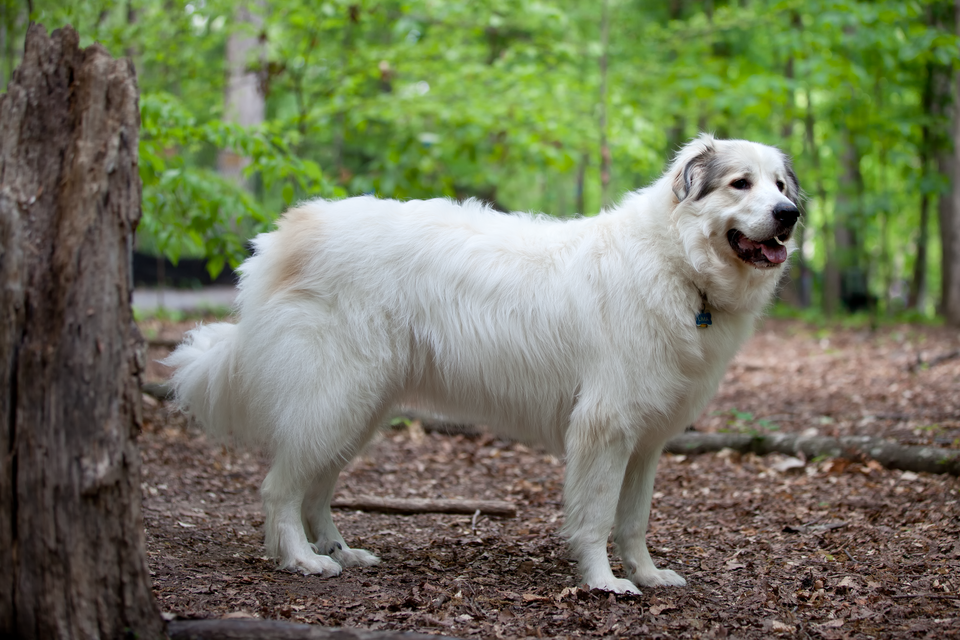
Great Pyrenees
The Great Pyrenees comes from livestock-guardian lines that stayed beside sheep flocks in the Pyrenees. A large body, thick white double coat, hanging ears and bushy tail are characteristic.
Read the guide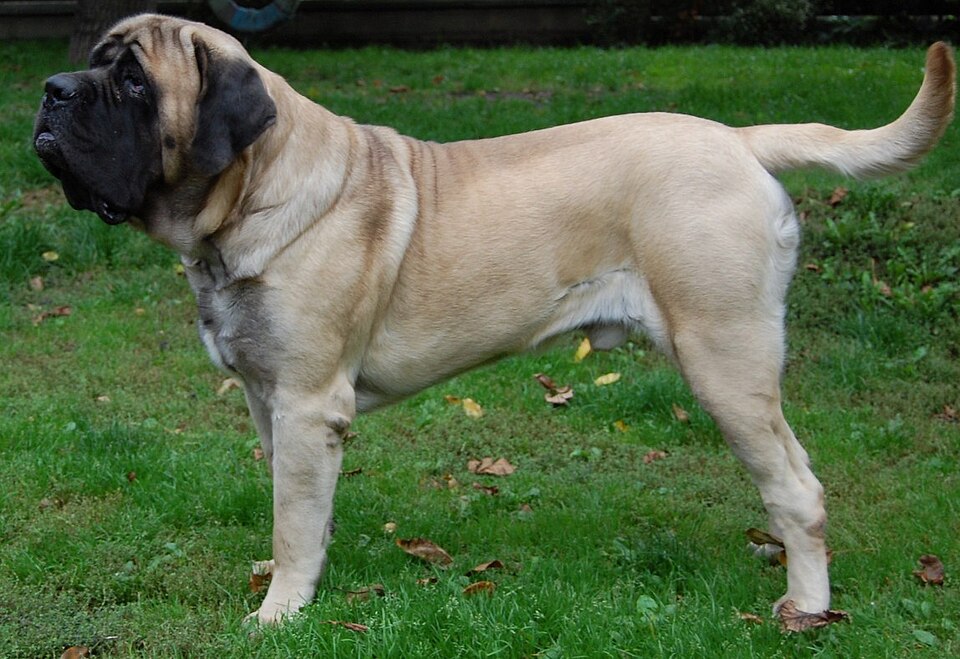
English Mastiff
The English Mastiff developed into a modern breed from Britain's large mastiff lines. A very large body, broad head, short muzzle, hanging lips and short coat are characteristic.
Read the guide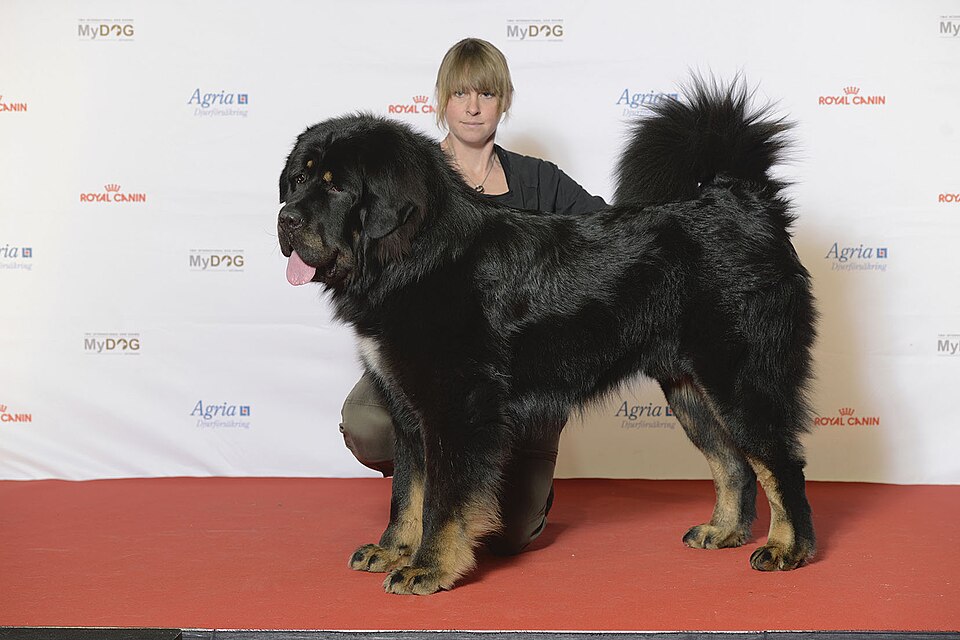
Tibetan Mastiff
The Tibetan Mastiff is associated with large dog lines that guarded livestock and homes in Tibet and neighboring high-altitude regions. A large sturdy body, broad head, thick double coat and abundant neck mane are characteristic.
Read the guide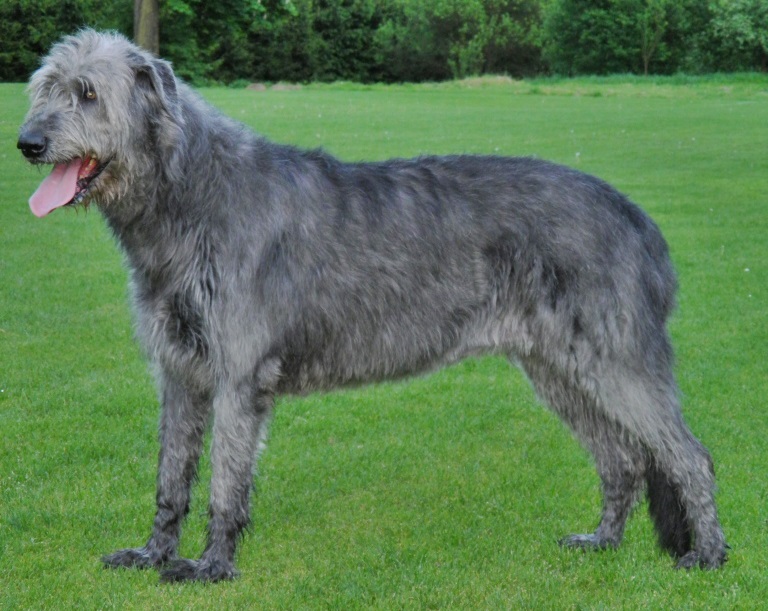
Irish Wolfhound
The Irish Wolfhound combines Ireland's history of large sighthounds with modern restoration and registration. Tall, long legs, a deep chest, relatively long head and rough coat are characteristic.
Read the guide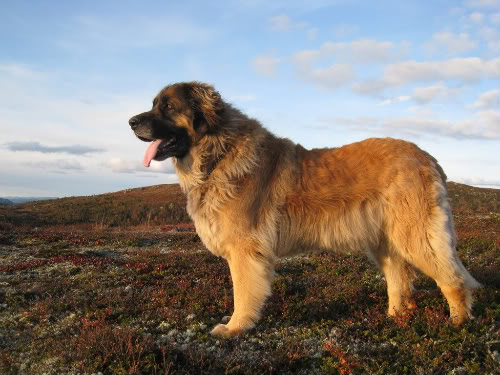
Leonberger
The Leonberger developed in Leonberg, Germany, from several large dog lines. A large body, broad head, abundant neck hair and dark facial coloring are characteristic.
Read the guide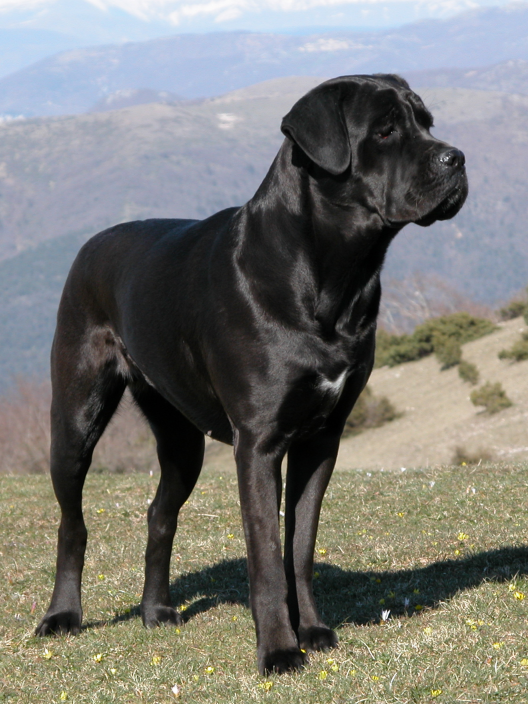
Cane Corso
The Cane Corso developed into a modern registered breed from large Italian dog lines used on farms, for guarding and in varied work. A large muscular body, broad head, relatively short muzzle and dense short coat are characteristic.
Read the guide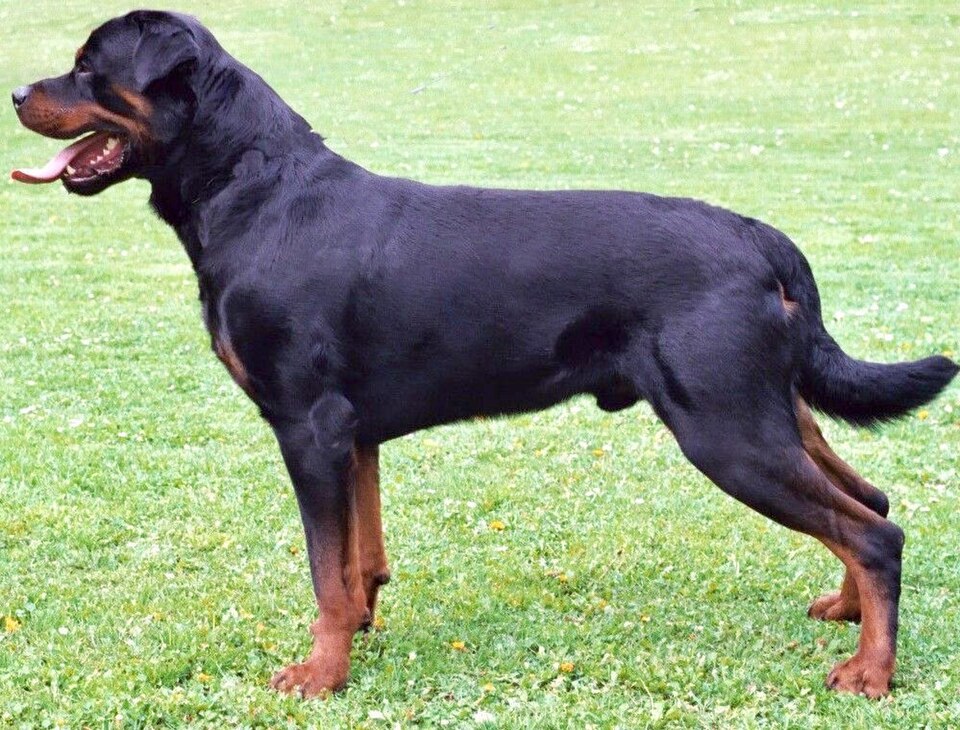
Rottweiler
The Rottweiler is associated with dogs used for livestock movement, farm work and guarding around Rottweil in Germany. Black coloring with tan markings above the eyes and on muzzle, chest and legs, a broad head and strong body are characteristic.
Read the guide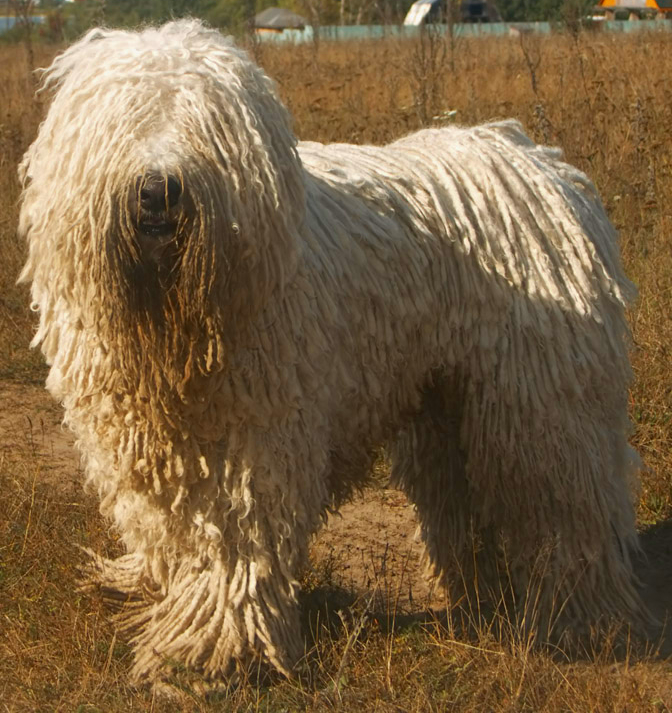
Komondor
The Komondor developed from large guardian-dog lines that stayed beside livestock flocks in Hungary. A large body and abundant white coat that separates into thick cords during growth are characteristic.
Read the guide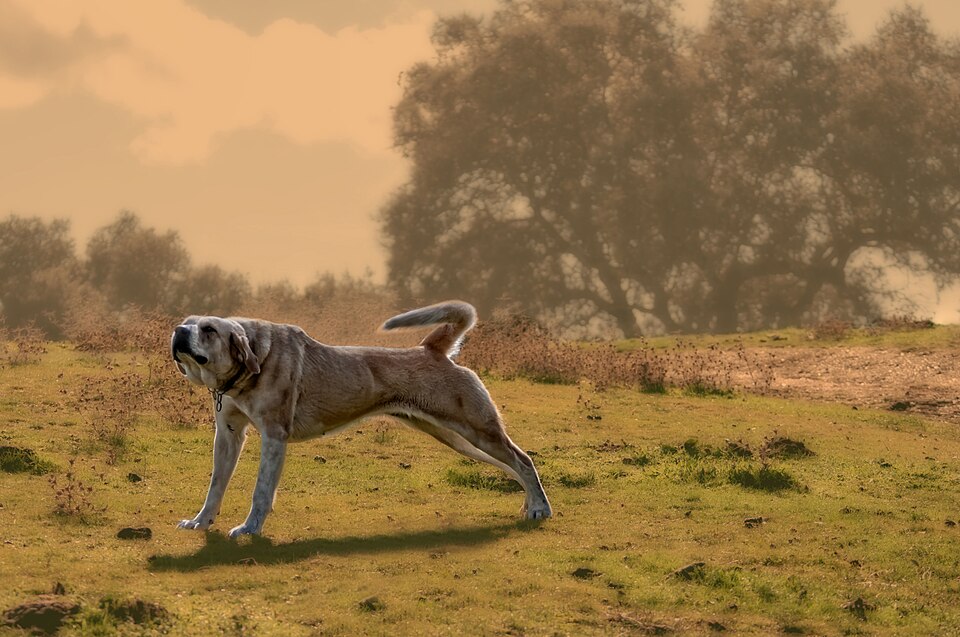
Anatolian Shepherd
The Anatolian Shepherd is a registered breed related to livestock guardian dog populations of Anatolia in Türkiye. Tall stature, a strong bone structure, a broad head, drooping ears and a thick coat are characteristic.
Read the guide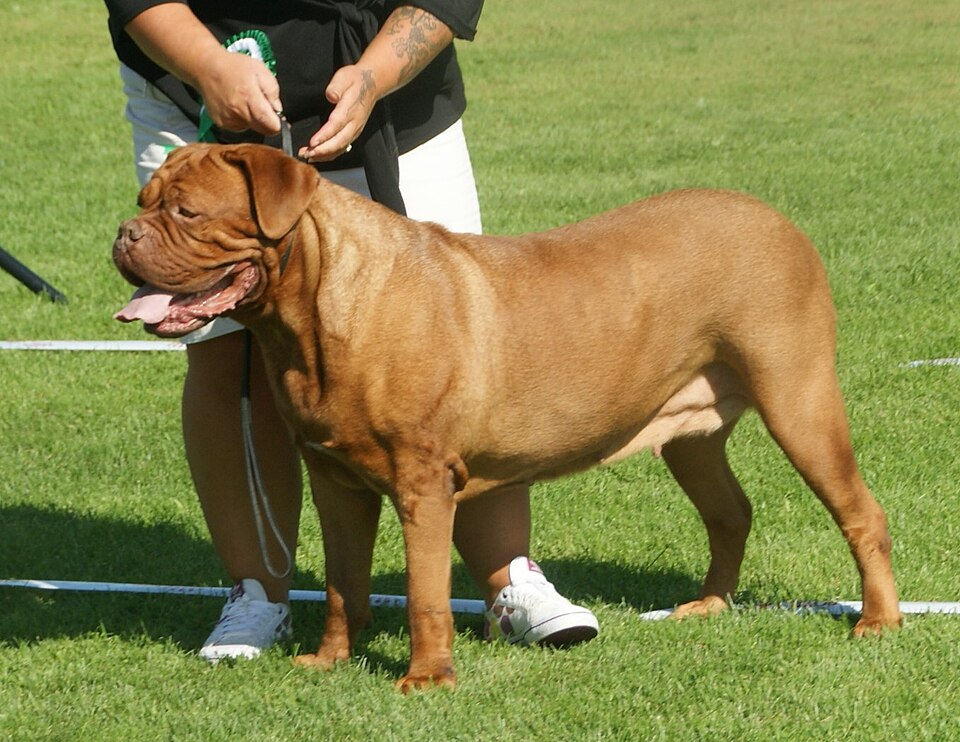
Dogue de Bordeaux
The Dogue de Bordeaux developed from large mastiff-type dog lines in and around Bordeaux, France. A broad, large head, facial wrinkles, a relatively short muzzle, drooping lips and a solid body are characteristic.
Read the guide