
Cats
Explore published English cat profiles. Compare breed histories, appearance and care while distinguishing individual behavior from assumptions based on breed names or coat colors.
Browse categories
Short-Haired Cats
Explore short-haired pedigree breeds and domestic cats. A similar coat color or pattern alone does not establish a registered breed, ancestry or temperament.
Long-Haired Cats
Explore cats with long or moderately long, abundant coats. Coat length, density and tangling vary by breed and individual. Long hair does not mean a laid-back temperament or tolerance of touch, so consider each individual’s life and responses too.
Cats with varied coats and body forms
This group brings together cat breeds with distinctive appearances, including the amount and texture of hair and the shape of ears, tails and legs. It is not a ranking of rarity or a single biological lineage. Consider the genetic background of these features and health and daily-life needs alongside each breed’s description and actual individual records.
Published animal profiles
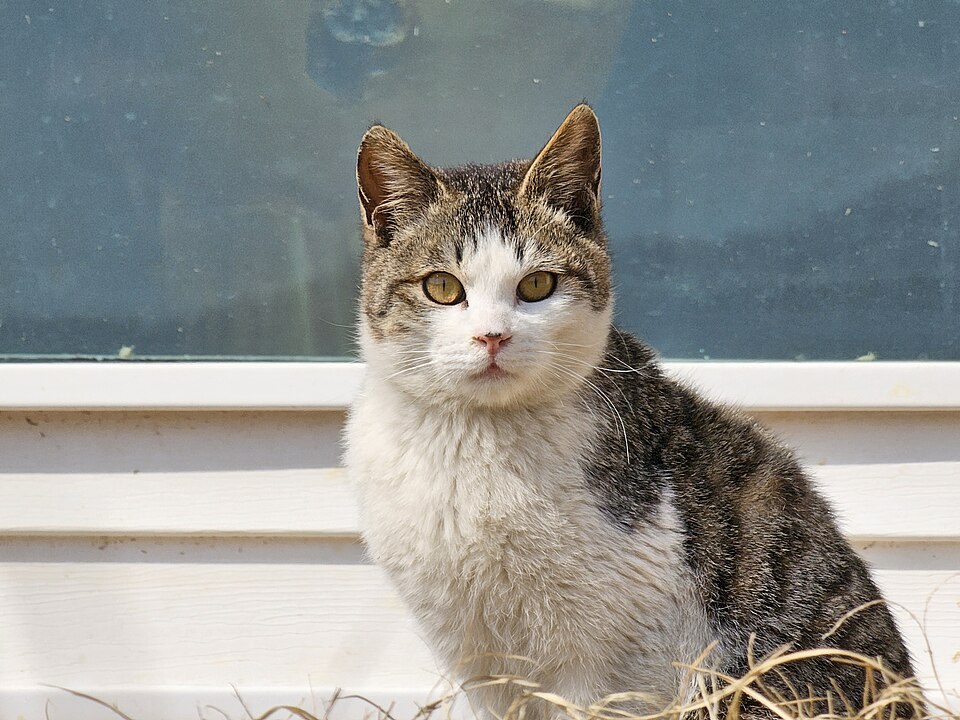
Korean Shorthair
Korean Shorthair is not the name of a single fixed pedigree breed. It is an everyday name for short-haired domestic cats in Korea. It is not one pedigree breed with particular founding animals and registration standards, nor a separate species of wild cat.
Read the guide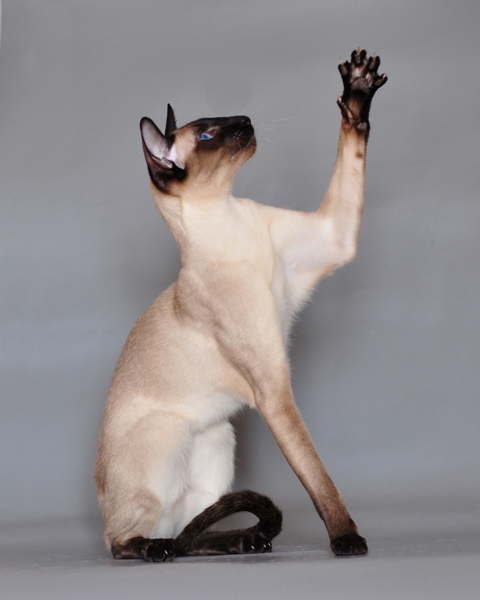
Siamese
Point markings and blue eyes: changes in color are separate from personality. The Siamese is a domestic cat breed associated with Thailand’s cat traditions, with modern standards developed through Western cat shows and registration. It helps to understand the historical name Siam alongside the present-day name Thailand.
Read the guide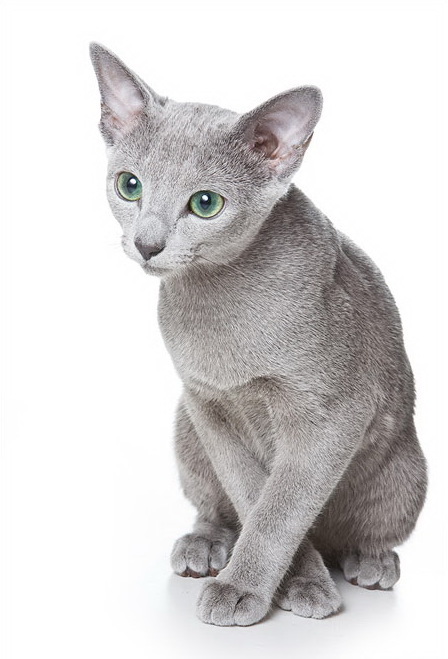
Russian Blue
Observe the silvery blue-gray double coat together with the green eyes. The Russian Blue is traditionally associated with origins in the port regions of northern Russia, and its modern breed standards were established through showing and breeding in Europe. Stories with insufficient early records should not be embellished into a confirmed royal pedigree.
Read the guide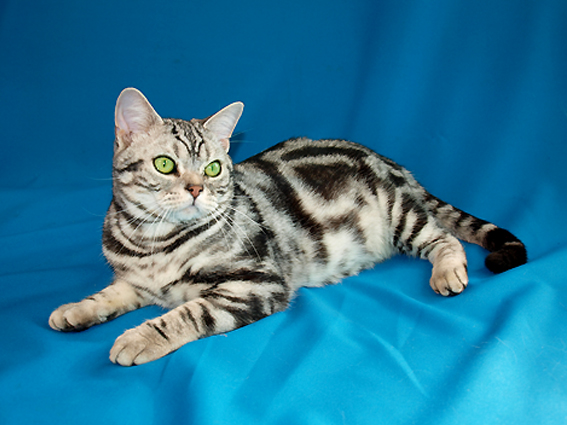
American Shorthair
A short-haired breed defined by more than just silver tabby markings. The American Shorthair developed with registration standards in connection with the history of domestic cats in North America. Stories of cats catching rodents on ships and farms explain its background, but do not mean every short-haired cat in America belongs to this pedigree breed.
Read the guide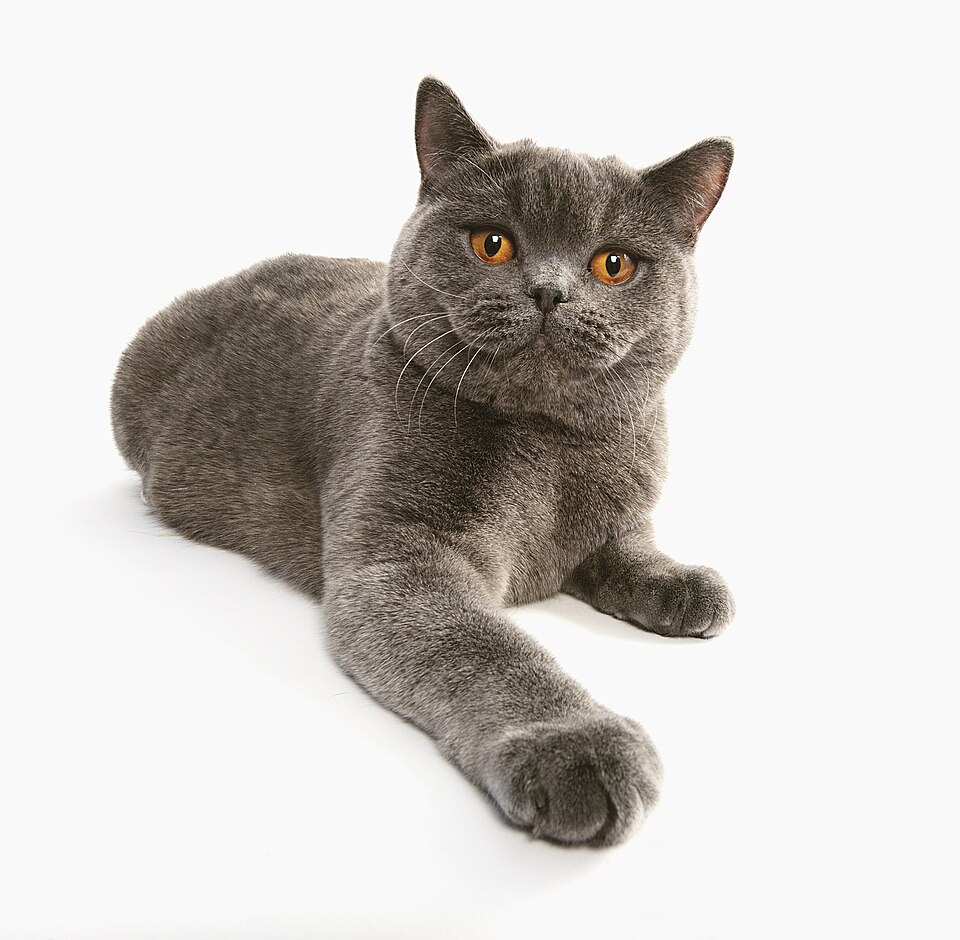
British Shorthair
Rounded contours and a dense coat: this breed comes in more than blue. The British Shorthair’s standards developed through the history of domestic cats in Britain and modern cat shows. Stories of ancient Rome or resemblances to cats in literature must be distinguished from verified pedigree records of modern individuals.
Read the guide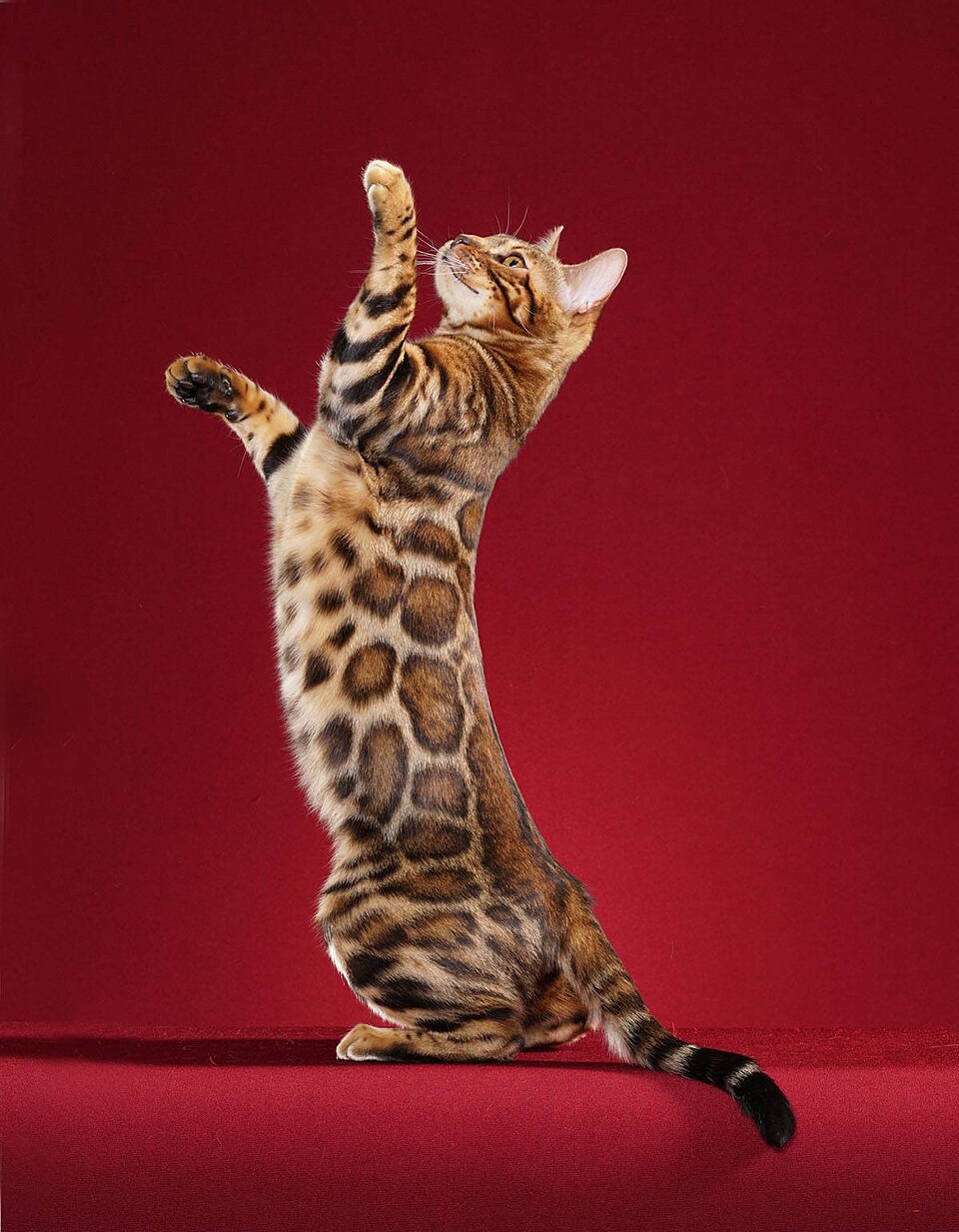
Bengal
Rosette and marbled markings and activity: a wild-looking appearance does not guarantee a temperament. The Bengal has a history of crosses between domestic cats and leopard cats, followed by the development of breeding and registration standards for it as a domestic cat. Distinguish the modern registered breed from early-generation hybrids.
Read the guide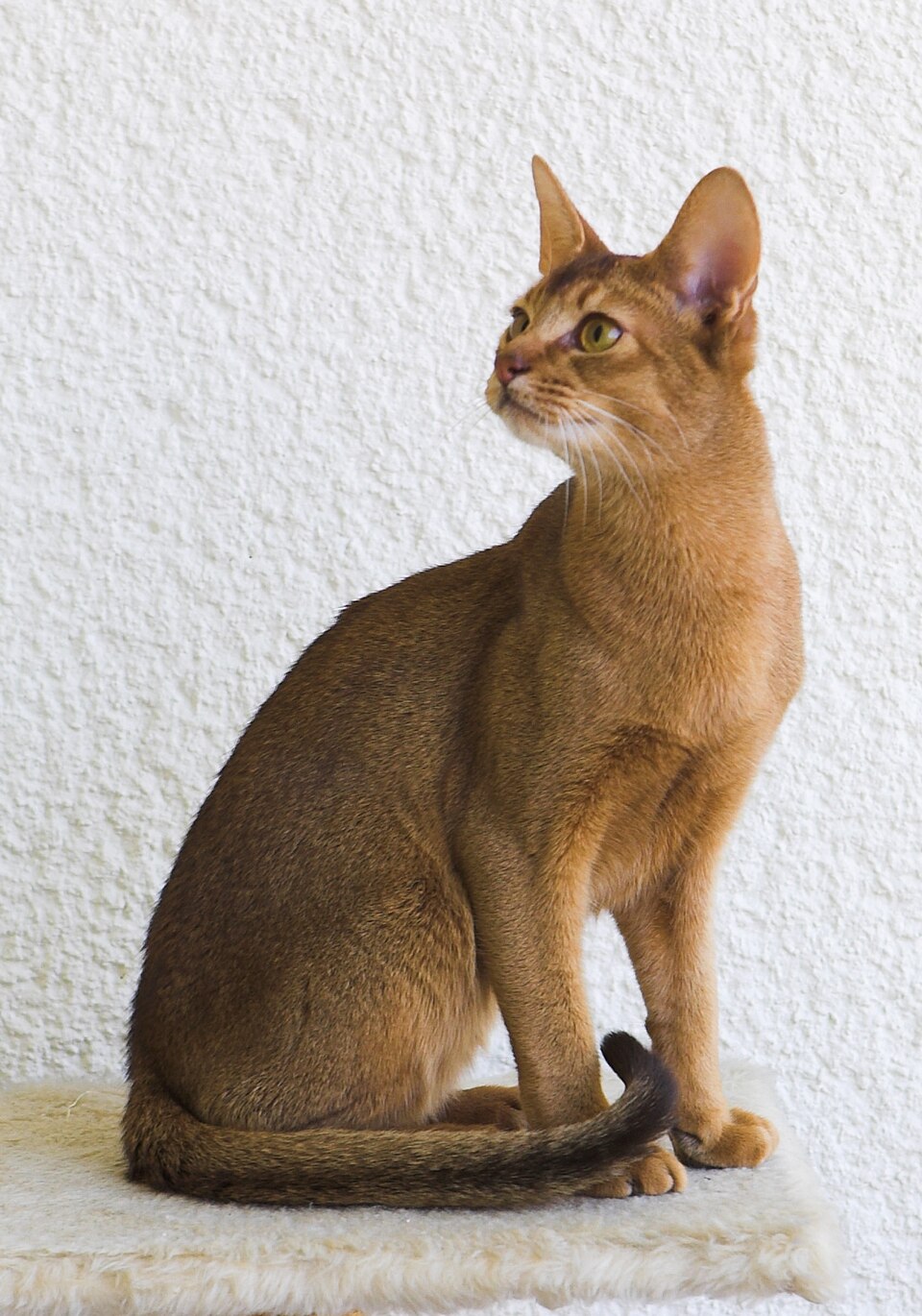
Abyssinian
A ticked coat and a sleek body are characteristic; the name alone does not establish an ancient pedigree. Although “Abyssinian” is connected with the former name Abyssinia, the precise early origins of the modern breed cannot be settled by a single country name. Breed standards developed through modern British exhibition and breeding records.
Read the guide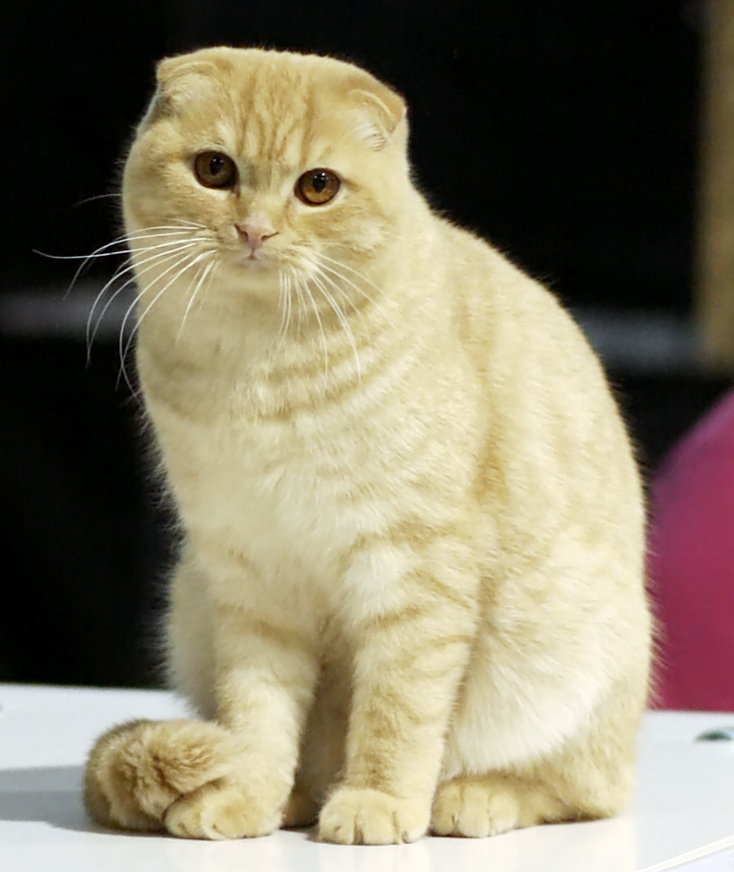
Scottish Fold
Folded ears must be discussed alongside cartilage and joint health. The Scottish Fold developed from a folded-ear trait discovered in Scotland. Ear shape is associated with a particular genetic variant, not simply decoration.
Read the guide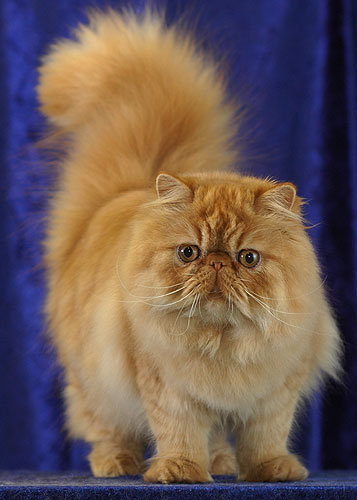
Persian
Consider the long coat and facial shape alongside grooming demands and welfare. The Persian is a domestic cat breed connecting the history of long-haired cats in West Asia with modern breed development in Europe. A name associated with ancient Persia does not mean every living individual has a direct pedigree verified by ancient records.
Read the guide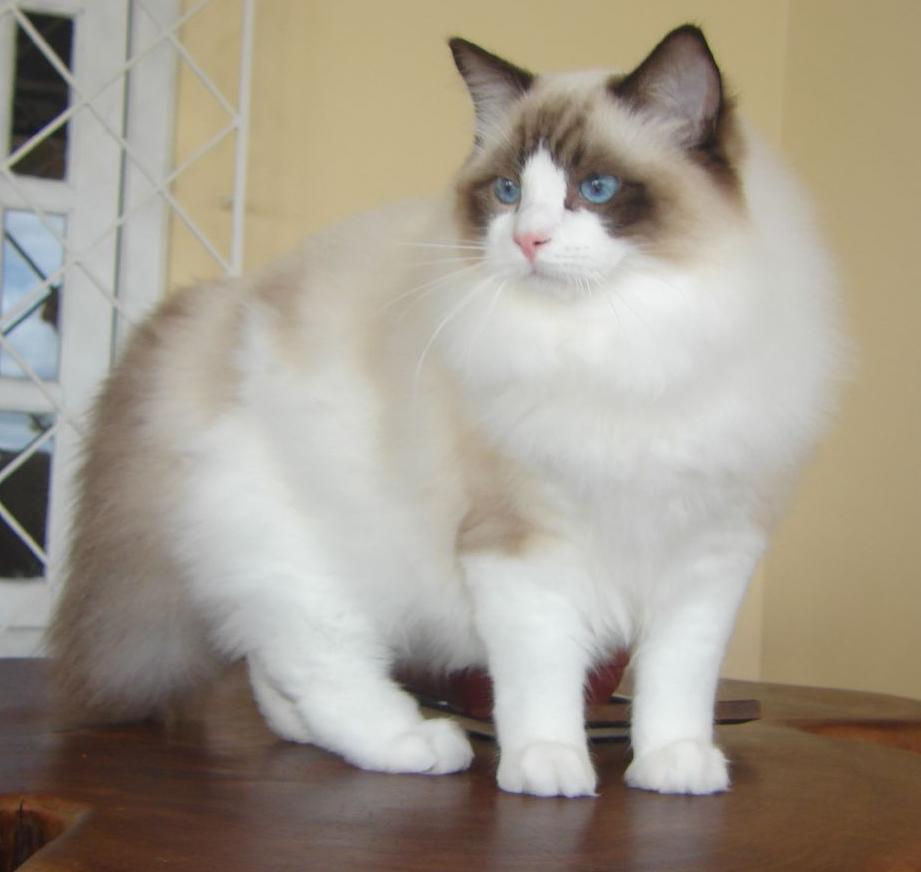
Ragdoll
Blue eyes and pointed markings: the name does not explain pain perception. The Ragdoll developed in a California breeding program, and its name refers to a cloth doll. It became widely known through the impression of relaxing when held, but this does not indicate a biological inability to feel pain or a response shared by every individual.
Read the guide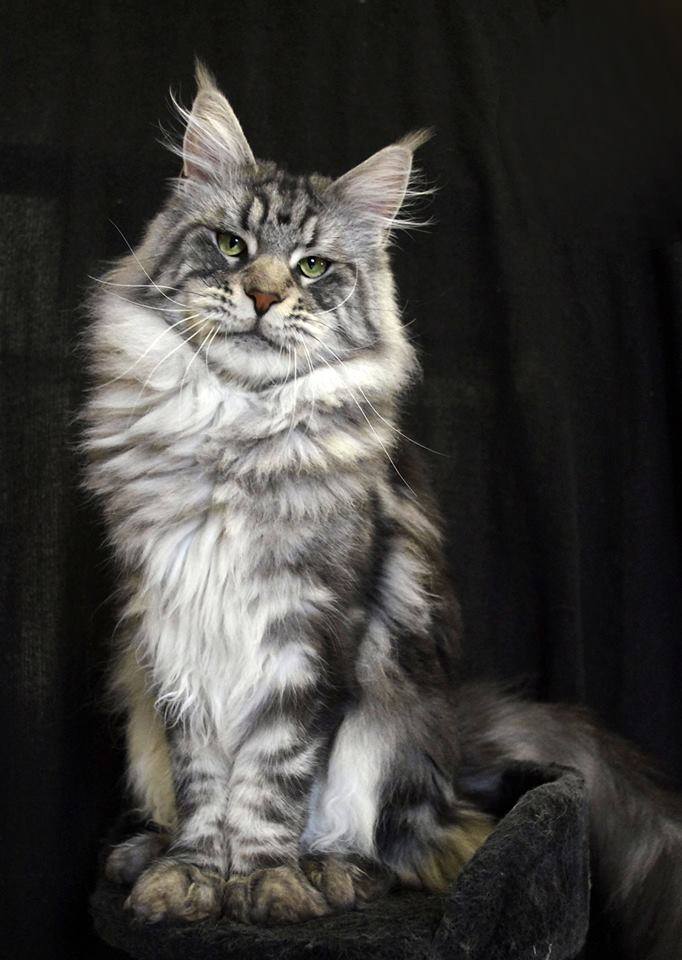
Maine Coon
Long fur and a square muzzle: distinguish raccoon-crossing legends from actual origins. The Maine Coon is associated with the domestic-cat history of New England in the United States. Its name and full striped tail have inspired stories of crossing with raccoons, but that is not a biologically verified origin.
Read the guide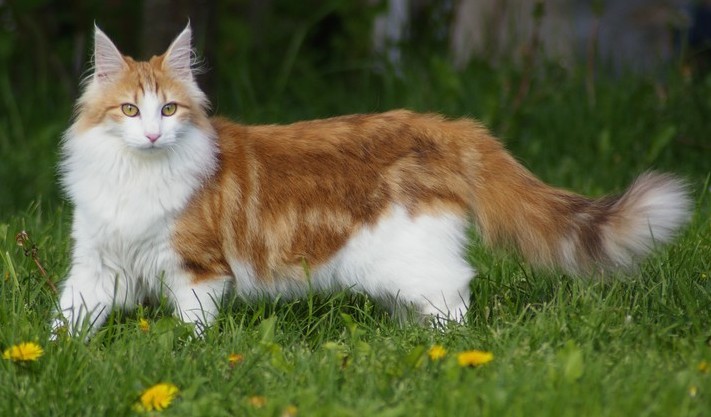
Norwegian Forest Cat
A triangular head and abundant double coat; legends are not pedigree evidence. The Norwegian Forest Cat connects Norway's cat traditions and local populations with modern conservation and registration history. Similar cats in Norse mythology and Viking stories do not mean that the direct ancestry of every present-day individual is fully documented.
Read the guide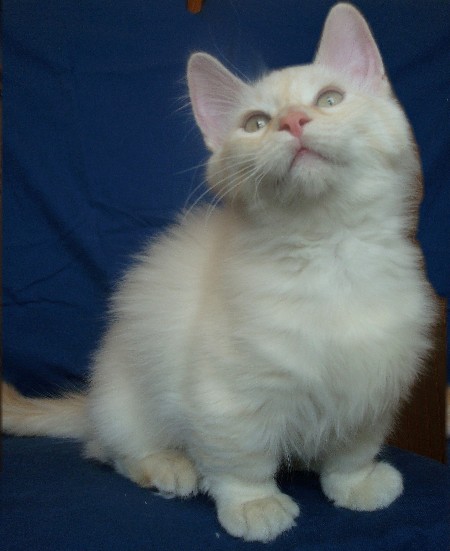
Munchkin
Consider the short-legged appearance alongside needs for movement and daily life. The Munchkin developed in the United States from short-legged traits in domestic cats. Its name relates to small characters in a story; it does not mean the cat is a separate, particularly small species.
Read the guide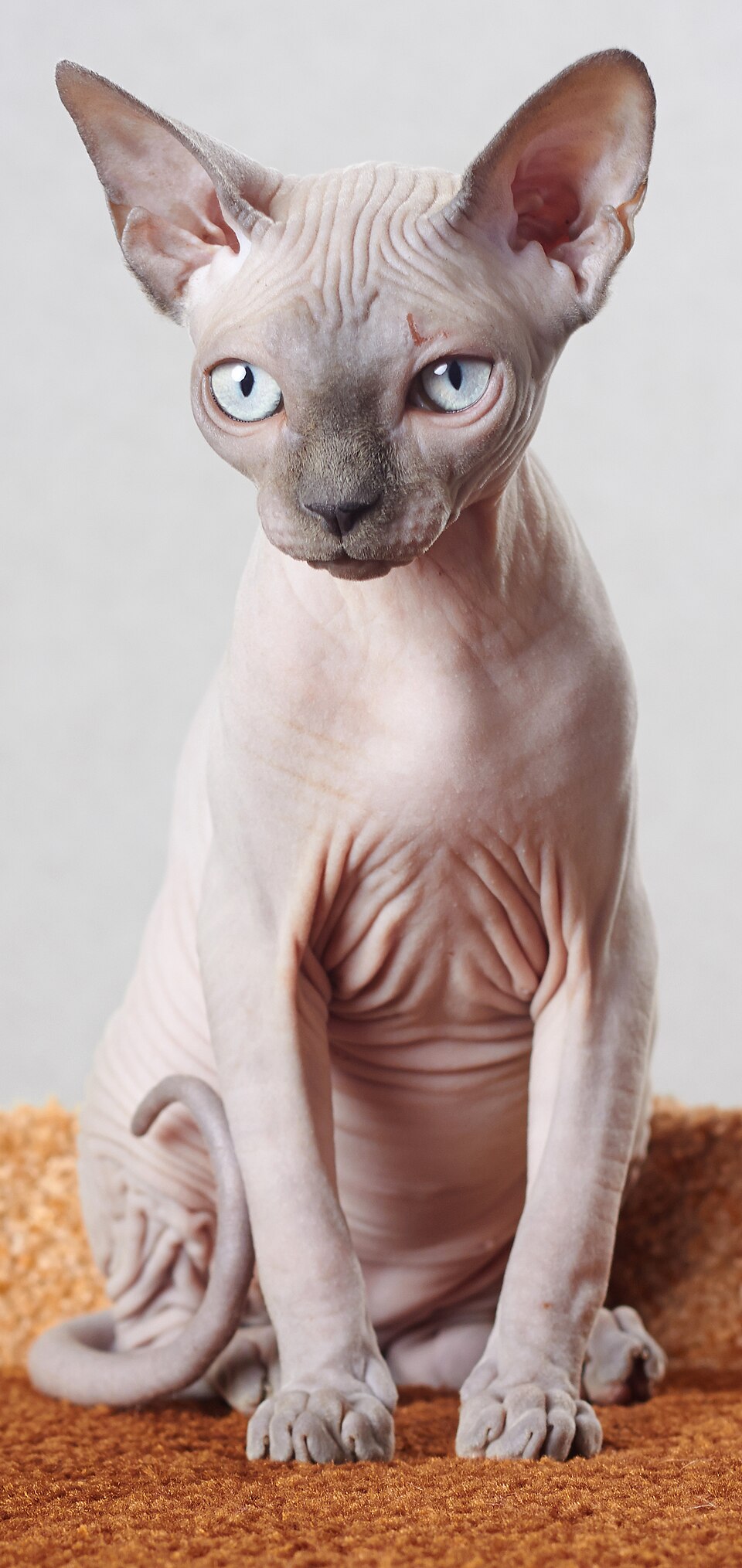
Sphynx
Sparse hair still leaves needs for skin care and temperature choice, and questions about allergies. The Sphynx developed in North America and elsewhere from sparse-haired traits in domestic cats. Although the name evokes resemblance to an Egyptian sculpture, it does not establish an unchanged breed lineage from ancient Egypt.
Read the guide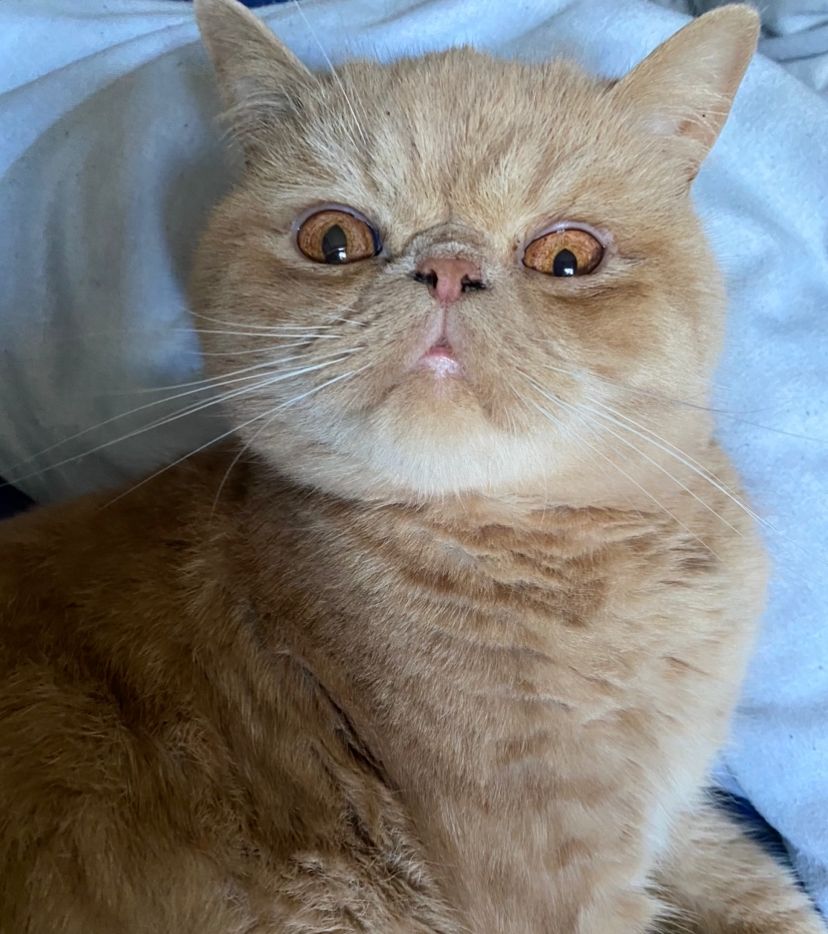
Exotic Shorthair
A convenient short coat does not remove facial and eye welfare concerns. The Exotic Shorthair developed through breeding Persians with other shorthaired breeds. Exotic does not mean a cross with a wild species.
Read the guide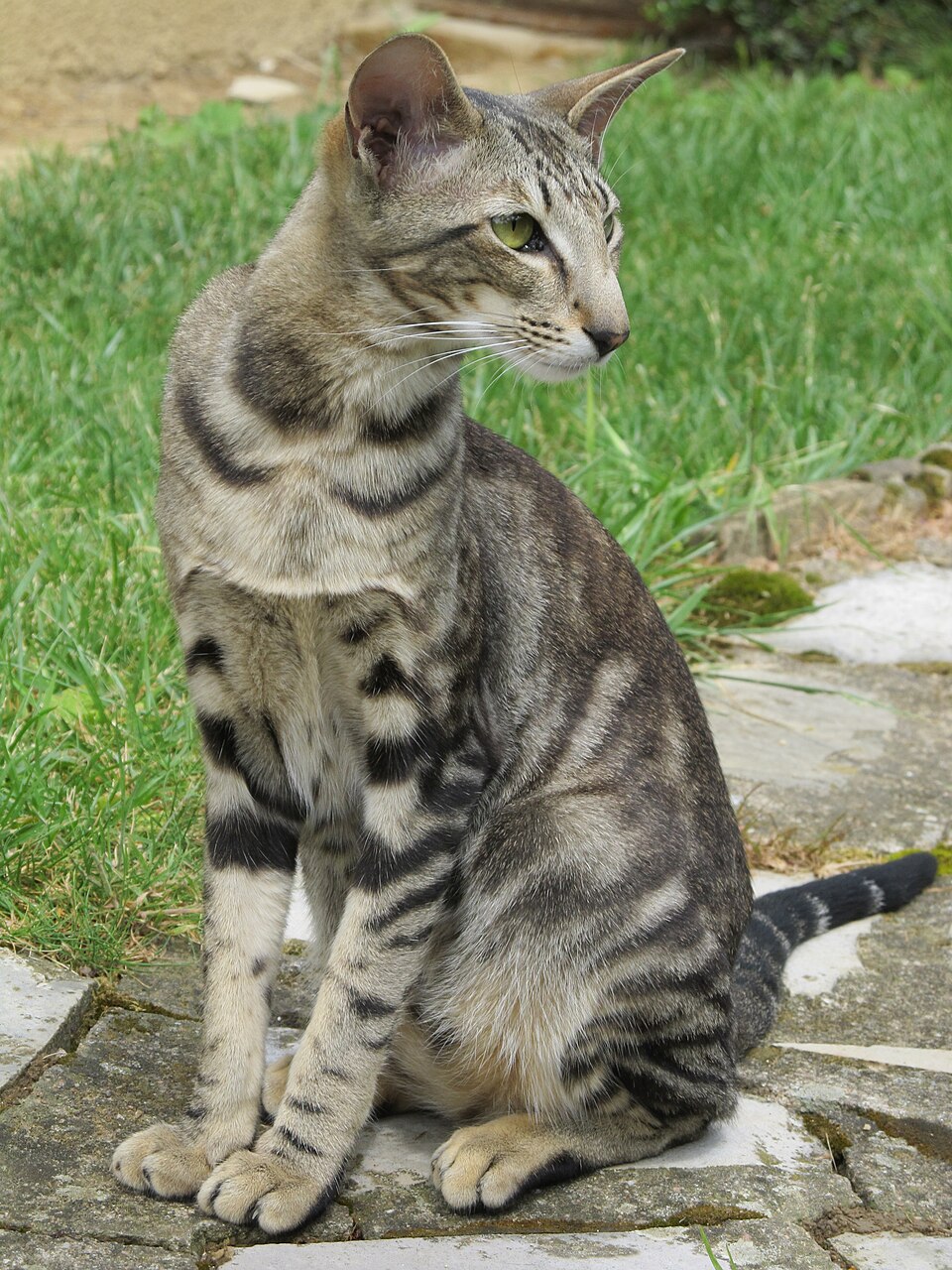
Oriental Shorthair
Slender body, large ears and many colors in a shorthaired Oriental. This domestic breed developed varied colors and patterns on a body type connected with Siamese cats. Oriental does not mean all shorthaired cats across Asia.
Read the guide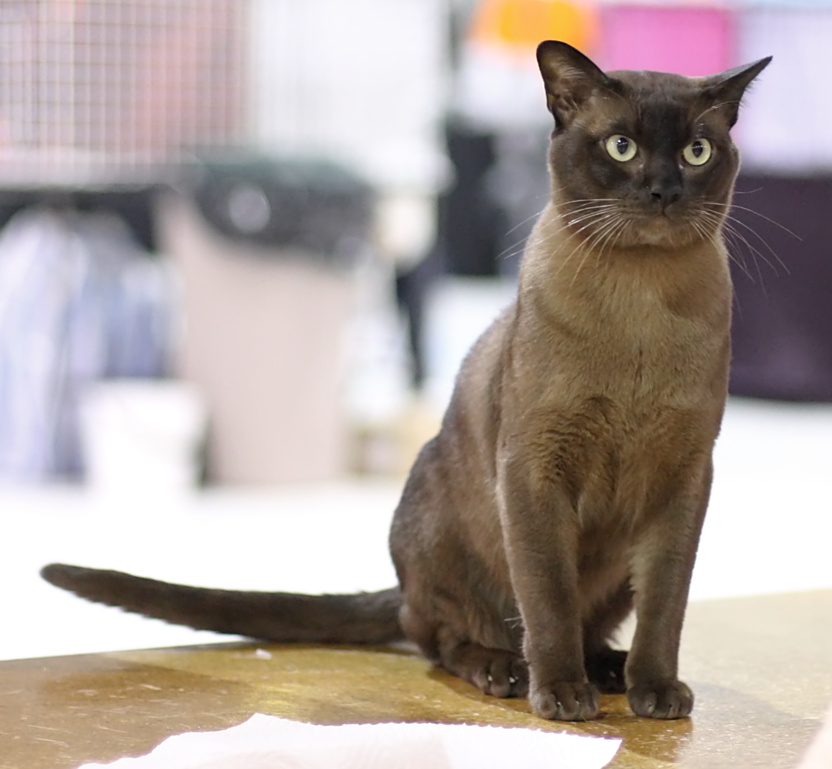
Burmese
A short, glossy coat and a solid body are characteristic; this is a different breed from the Birman. Burmese breeding standards developed in the United States and Europe from domestic cat ancestry connected with Myanmar. Despite the similar names, Burmese and Birman are separate breeds; sharing a country reference does not make their appearance and registration histories the same.
Read the guide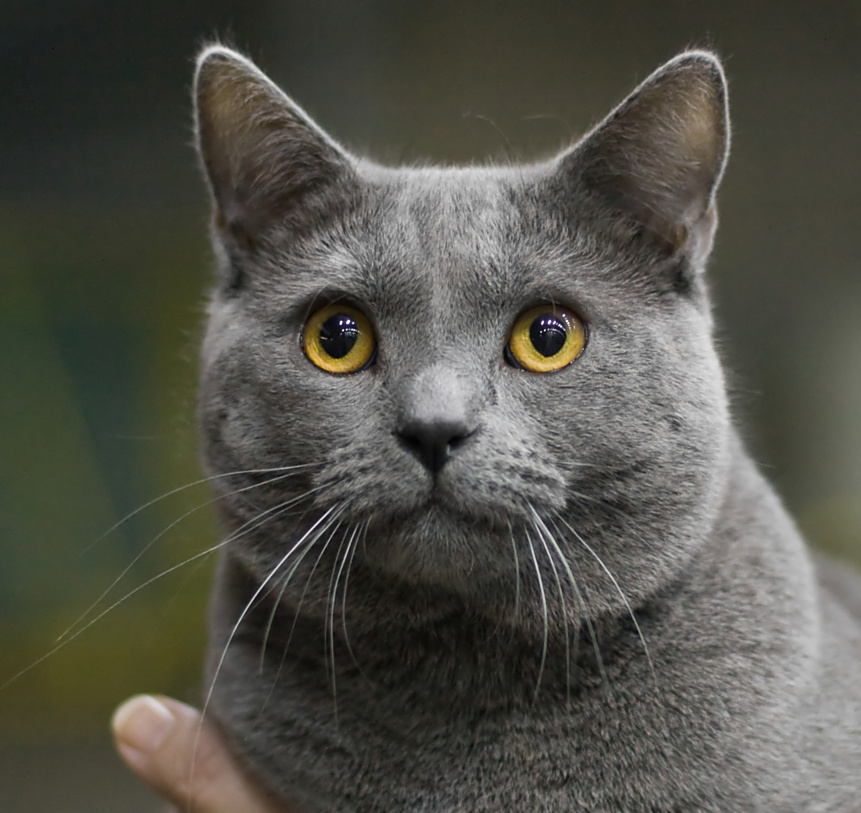
Chartreux
Thick blue-gray coat and copper eyes: distinguish tradition from records. This domestic breed is associated with France, with several traditions about its name and early history. Monastery stories do not establish the origins of every documented lineage.
Read the guide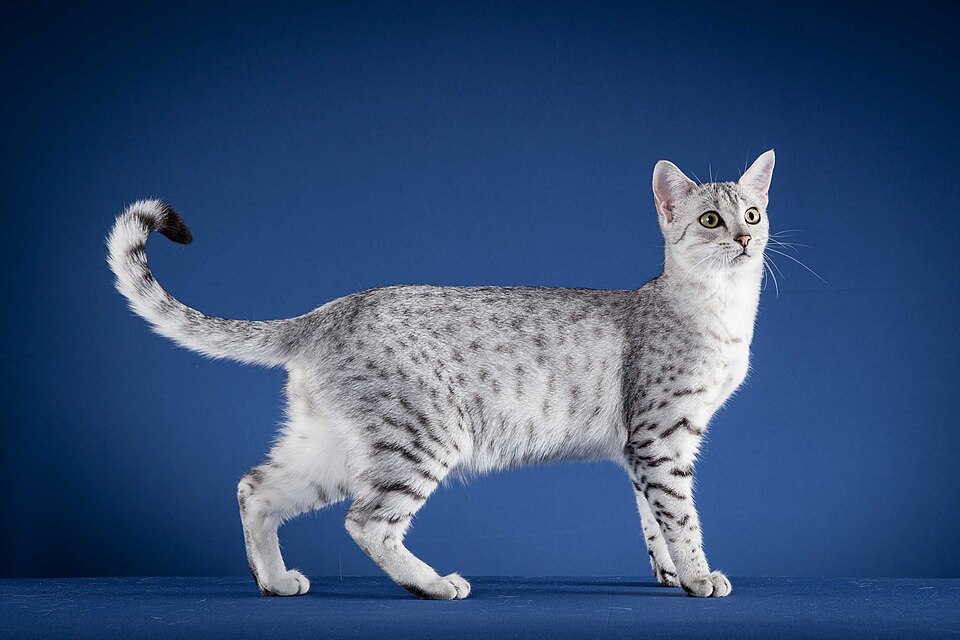
Egyptian Mau
Spots and forehead markings are characteristic; distinguish ancient wall paintings from modern pedigrees. The Egyptian Mau is a spotted breed connected with cats from Egypt, whose standards developed through modern registration and breeding. “Mau” in its name is introduced as a word related to cats.
Read the guide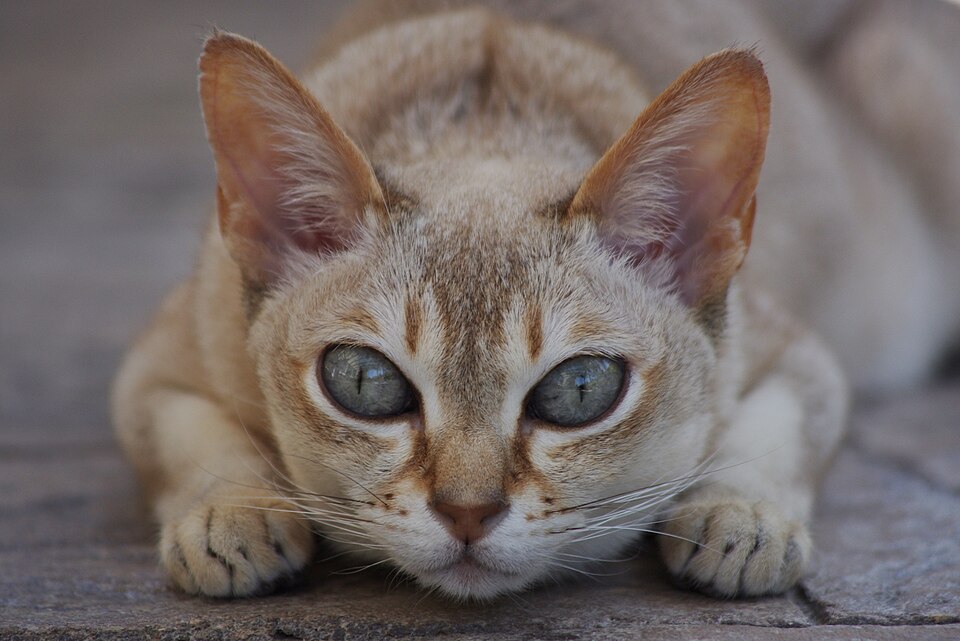
Singapura
Small build and sepia ticked coat do not exempt a cat from care. The Singapore-associated name belongs to a breed whose registration standards developed in the United States. Sources emphasize early movements and origins differently; not every Singapore street cat belongs to this lineage.
Read the guide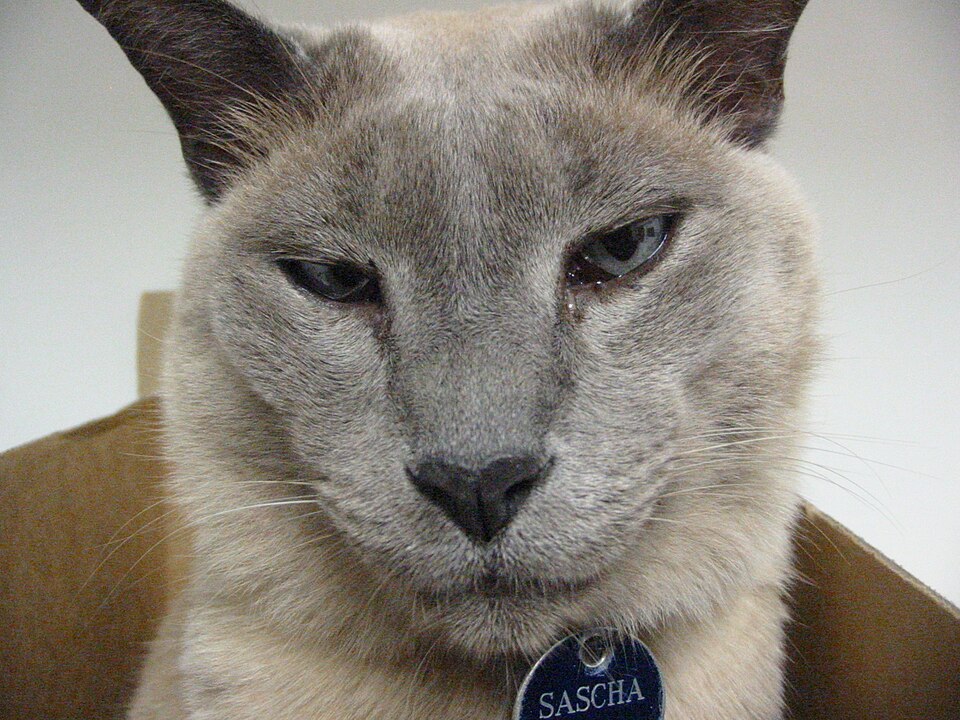
Tonkinese
Read point/body contrast alongside the range of eye and coat colors. Modern standards developed through breeding Siamese and Burmese lines. The place-associated name does not describe a separate wild species naturally arising there.
Read the guide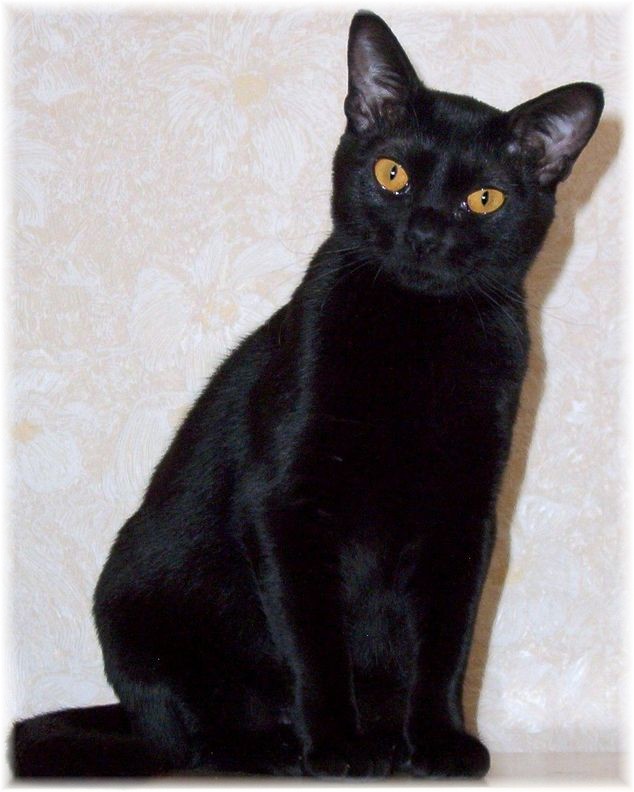
Bombay
Black fur and copper-colored eyes are characteristic; this is not a cat crossed with a black panther. The Bombay was developed in the United States using Burmese and American Shorthair ancestry, among other lines. Although named after an Indian city, it was not produced by breeding with wild black panthers captured in India.
Read the guide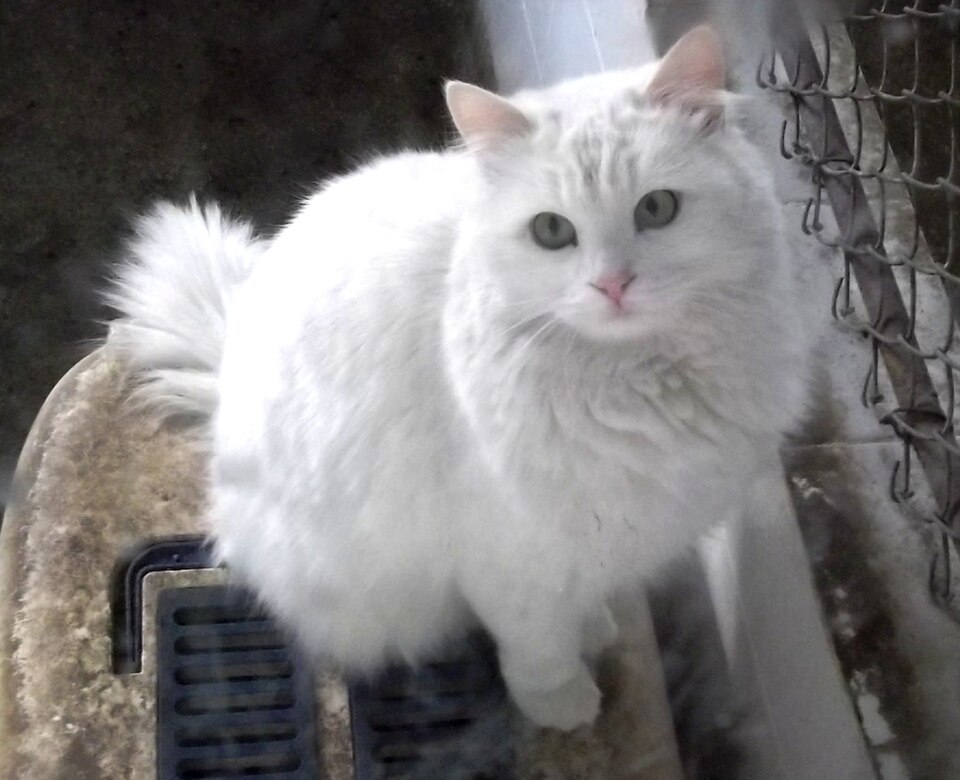
Turkish Angora
A fine body and light, long coat; this breed is not exclusively white. The Turkish Angora is connected with Türkiye's long-haired cat tradition and modern conservation and registration history. Distinguish long-haired cats that traveled to Europe from modern breed standards.
Read the guide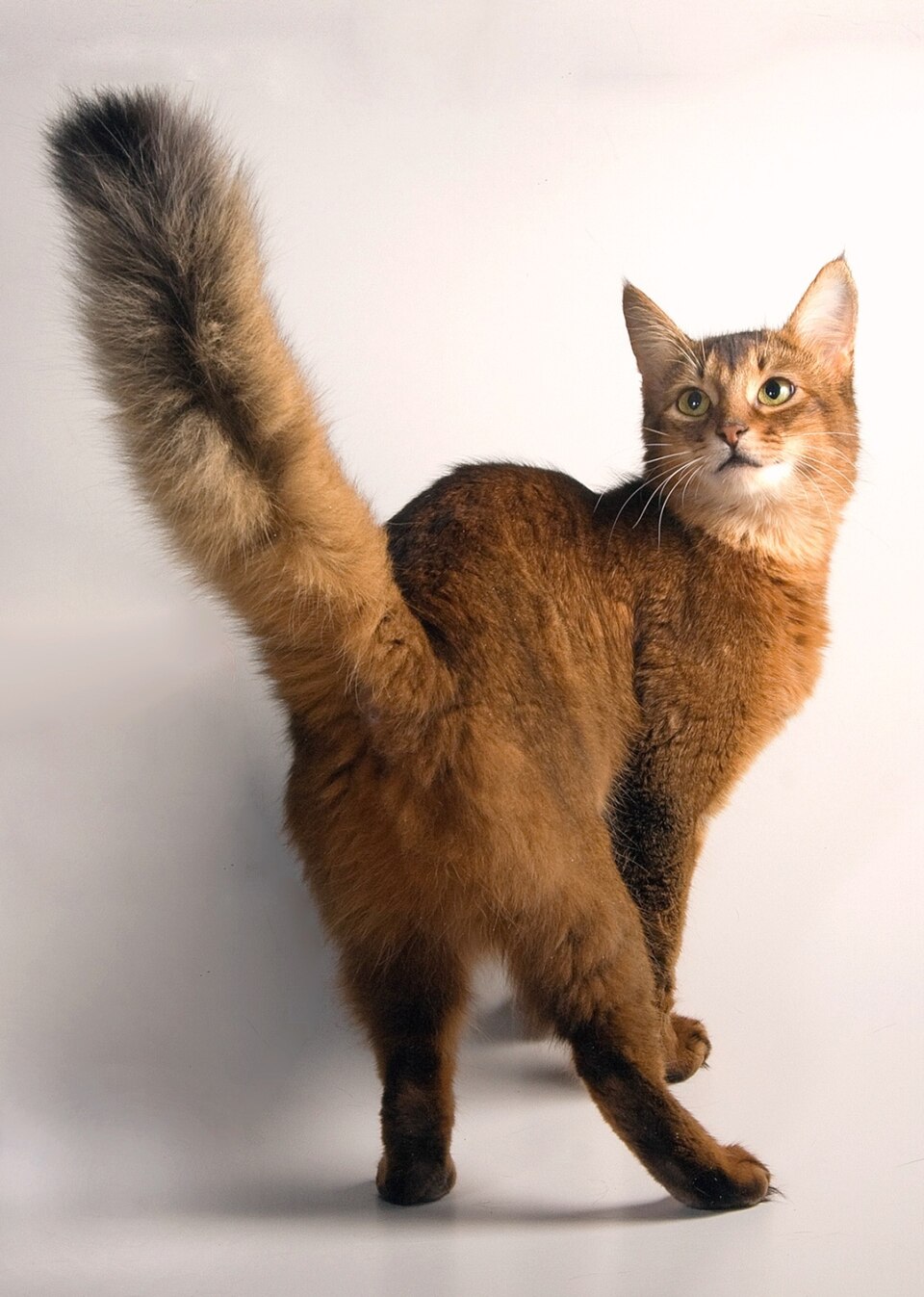
Somali
A ticked, semi-long coat and a full tail; the name does not mean a wild fox. The Somali is a domestic cat breed developed in connection with long-haired traits in Abyssinian lines. Having a country’s name does not make it a separate wild cat discovered in Somalia.
Read the guide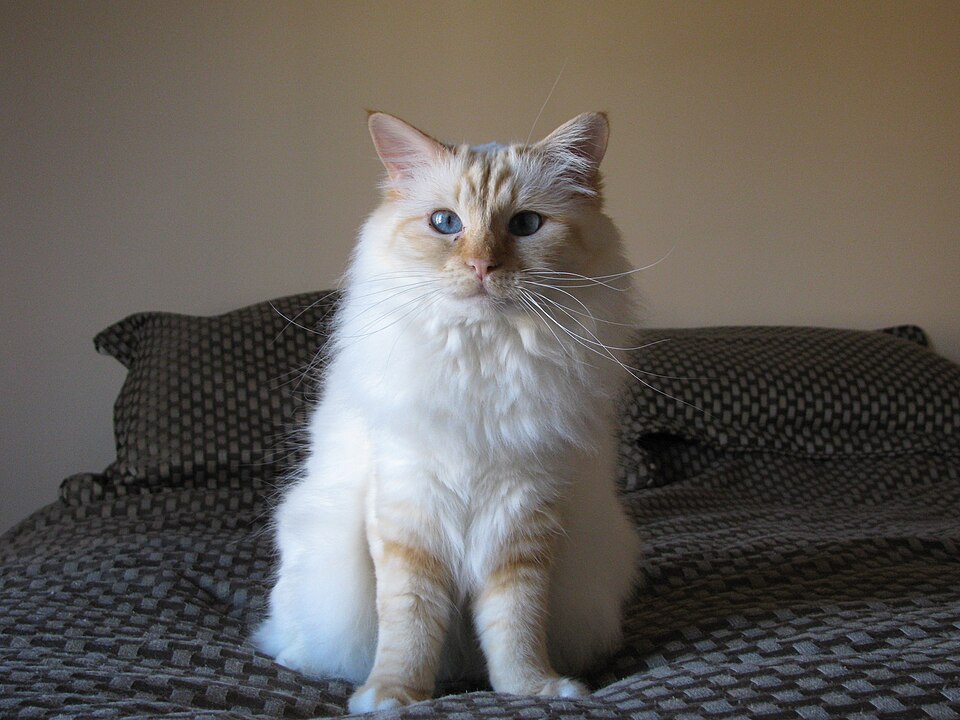
Birman
Blue eyes and white gloves distinguish this semi-long-haired breed from the Burmese. The Birman is famous for traditions linked to temples in Myanmar, but legends cannot prove every aspect of the modern breed’s origins. Breeding in France and subsequent registration records form an important part of its modern history.
Read the guide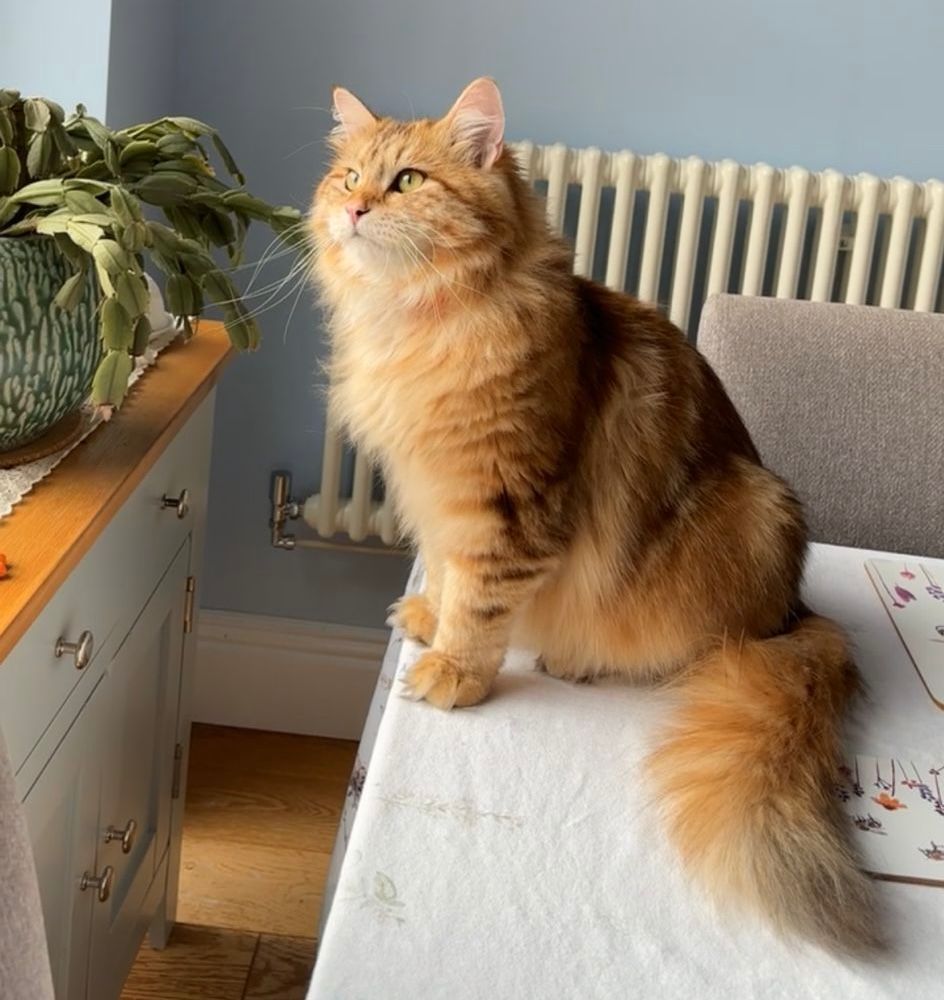
Siberian
A dense, layered coat and a solid body do not guarantee freedom from allergies. The Siberian is a domestic cat breed connecting the history of regional Russian cats with modern breed registration. Old stories and actual showing and breeding records are different kinds of evidence.
Read the guide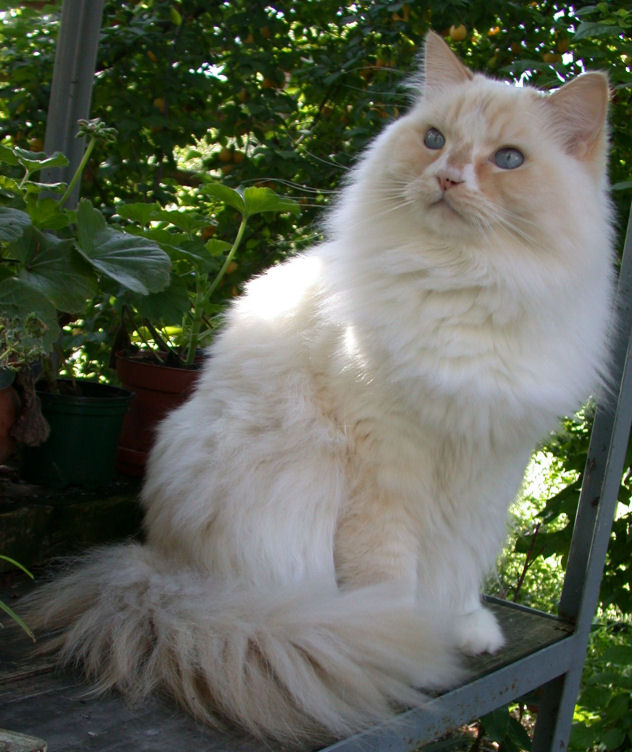
RagaMuffin
A large body and varied coat colors; check registration standards that differ from the Ragdoll’s. The RagaMuffin developed under separate standards after splitting from Ragdoll-related breeding populations in the United States. Despite similar names and a historical relationship, the two do not share the same registered name today.
Read the guide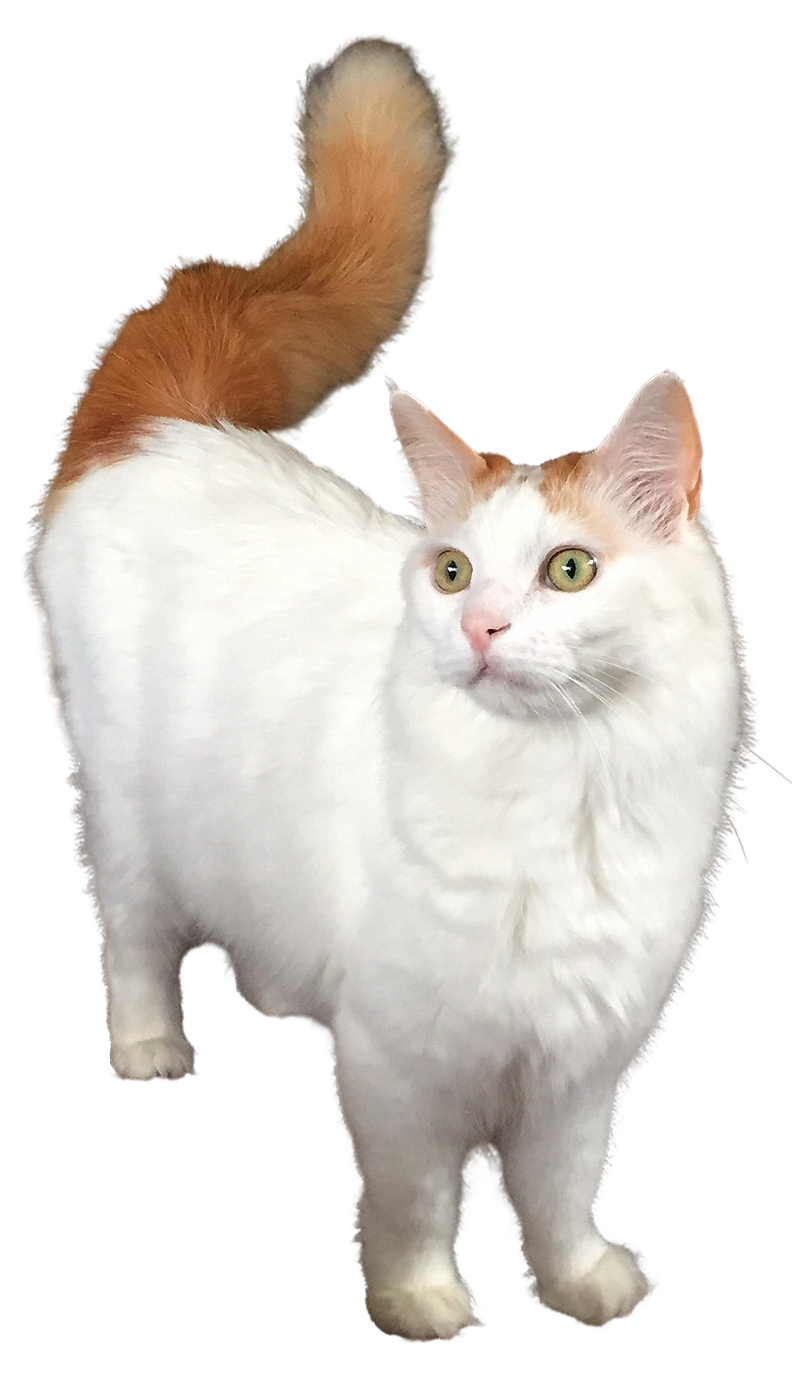
Turkish Van
A mostly white body with color on the head and tail; assess the water-loving nickname individually. The Turkish Van is a breed linked to cats from Türkiye, with modern breeding standards developed in the United Kingdom. It is separate from the Turkish Angora, which shares the same country of association.
Read the guide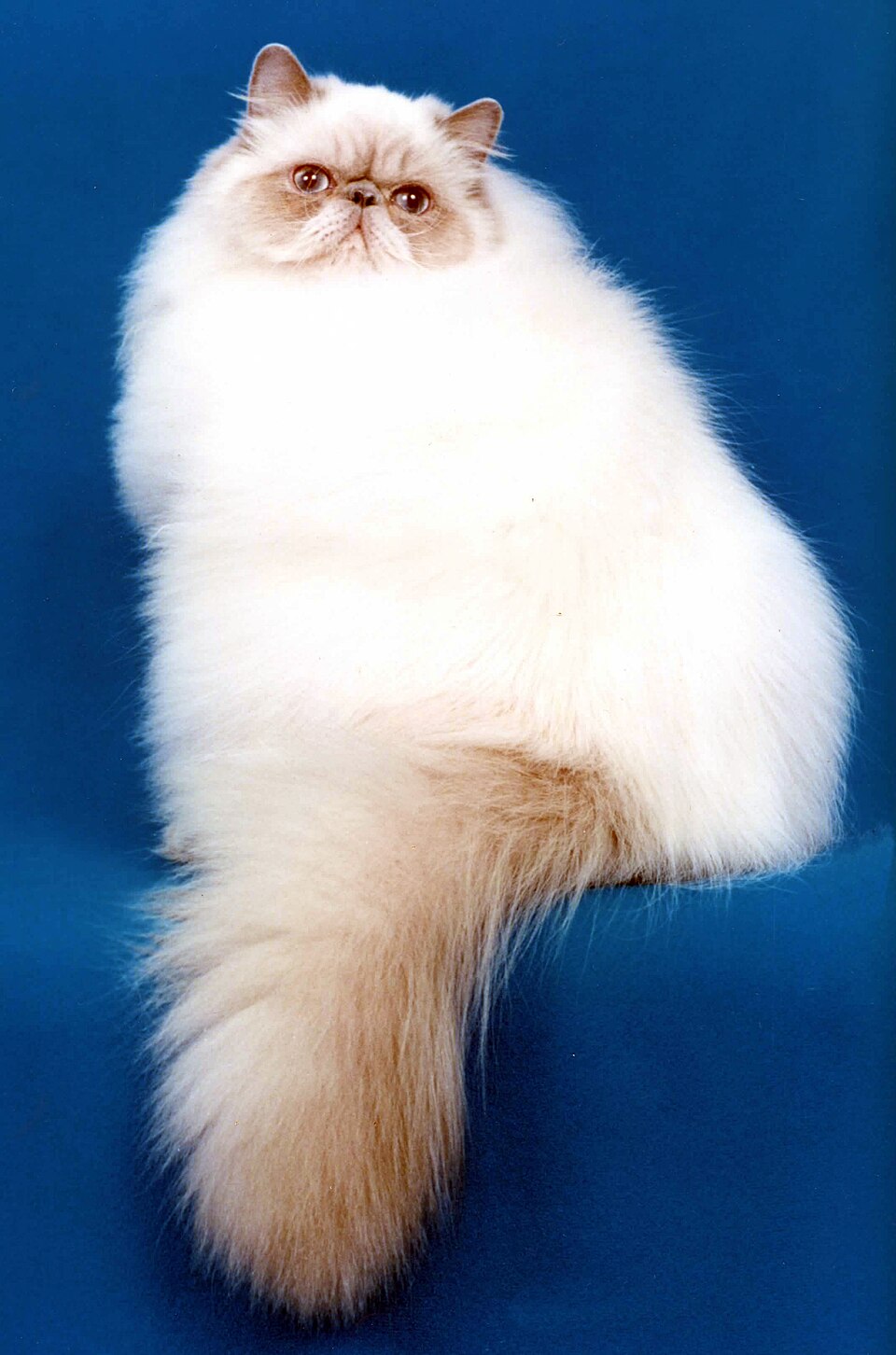
Himalayan
A long-haired cat with points and blue eyes, rather than a wild mountain species. The Himalayan developed through breeding that combined the Persian’s build and long hair with point coloration from Siamese lines. Its name does not designate a wild cat species discovered in the Himalayas.
Read the guide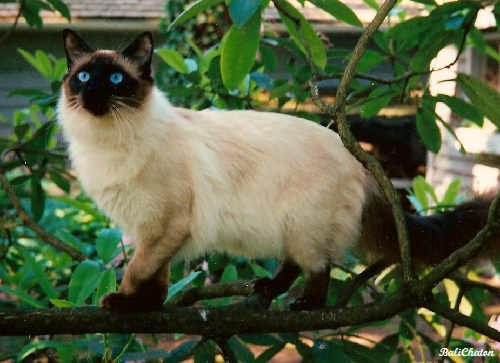
Balinese
Points and blue eyes; distinguish a dance-inspired name from the actual origin. The Balinese is a domestic cat breed developed in the United States from long-haired traits appearing in Siamese lines. Its name connects its graceful impression with Balinese dance; it does not mean a wild cat or endemic species from Bali.
Read the guide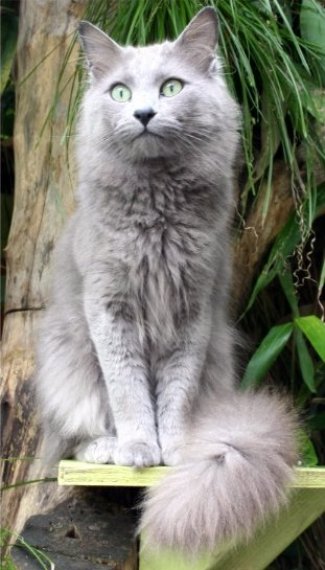
Nebelung
Silvery semi-long fur and green eyes; a distinct name from a long-haired Russian Blue. The Nebelung developed from blue-gray long-haired domestic cat lines in the United States. Its name is associated with mist-like imagery, but does not designate a German wild cat species.
Read the guide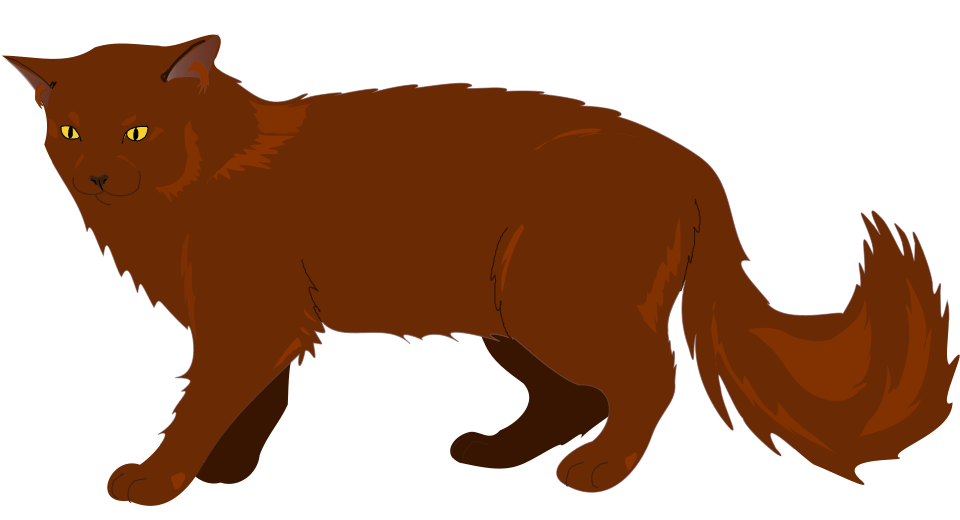
Chantilly-Tiffany
Chantilly-Tiffany through historical records and an explanatory illustration. Chantilly-Tiffany names historical breeding lines developed in North America around chocolate-colored, semi-long-haired cats. Changes in names and registration mean its scope cannot simply be equated with a typical current breed listing from a modern organization.
Read the guide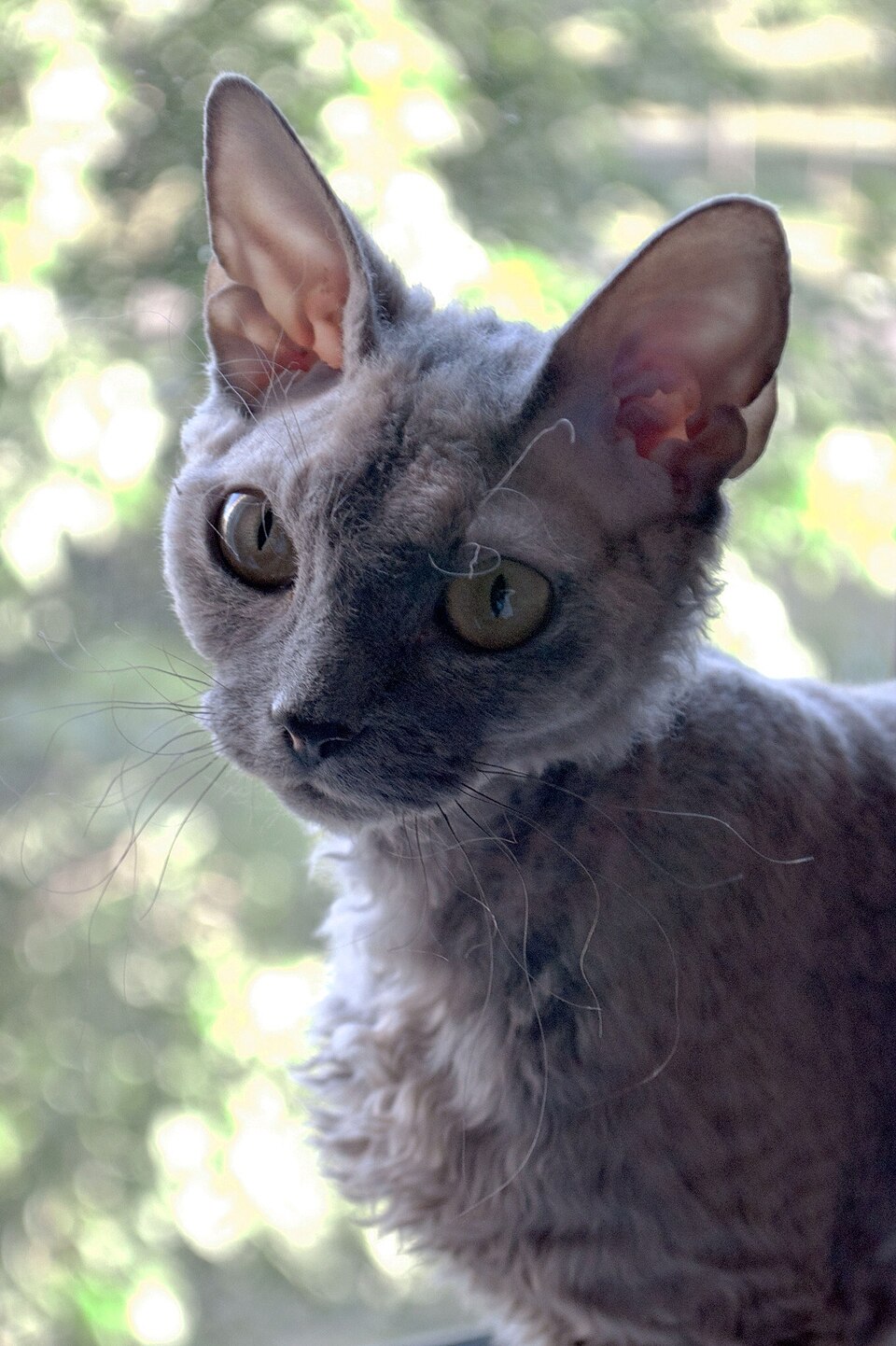
Devon Rex
Large ears and a short curly coat belong to a lineage distinct from the Cornish Rex. The Devon Rex developed from a curly-coat trait found in domestic cats in Devon in the United Kingdom. Despite resembling the Cornish Rex from a nearby region, it is not one breed with the same coat trait under a different name.
Read the guide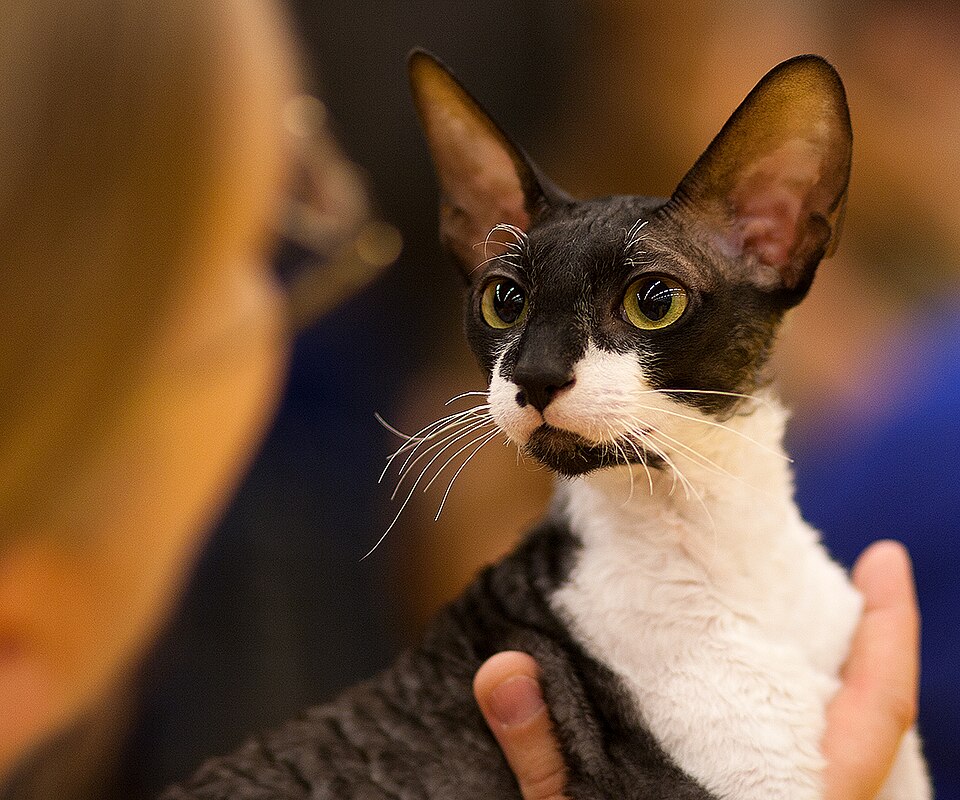
Cornish Rex
Observe the combination of a short rippled coat and a slender body. The Cornish Rex developed from curly-coated domestic cat lines found in Cornwall in the United Kingdom. Although its regional name and coat resemble the Devon Rex’s, the two have separate genetic backgrounds and breed standards.
Read the guide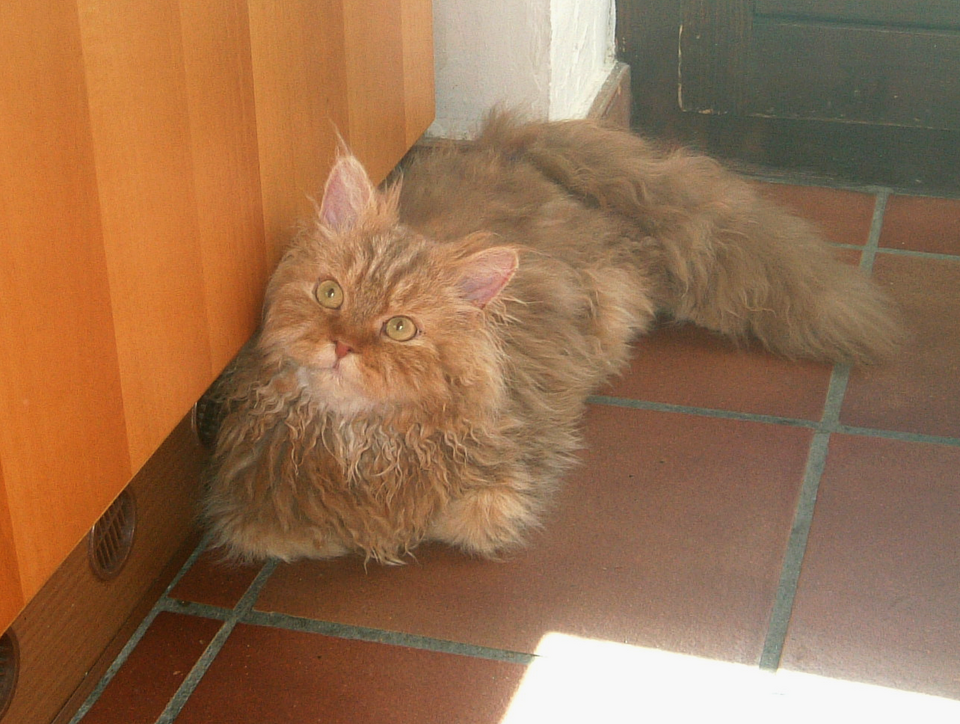
Selkirk Rex
A full curly coat and a rounded body; coat texture differs among Rex breeds. The Selkirk Rex developed from a curly-coated domestic cat found in Montana in the United States. Despite similar names, its curls do not share the same origin as those of the Devon and Cornish Rex.
Read the guide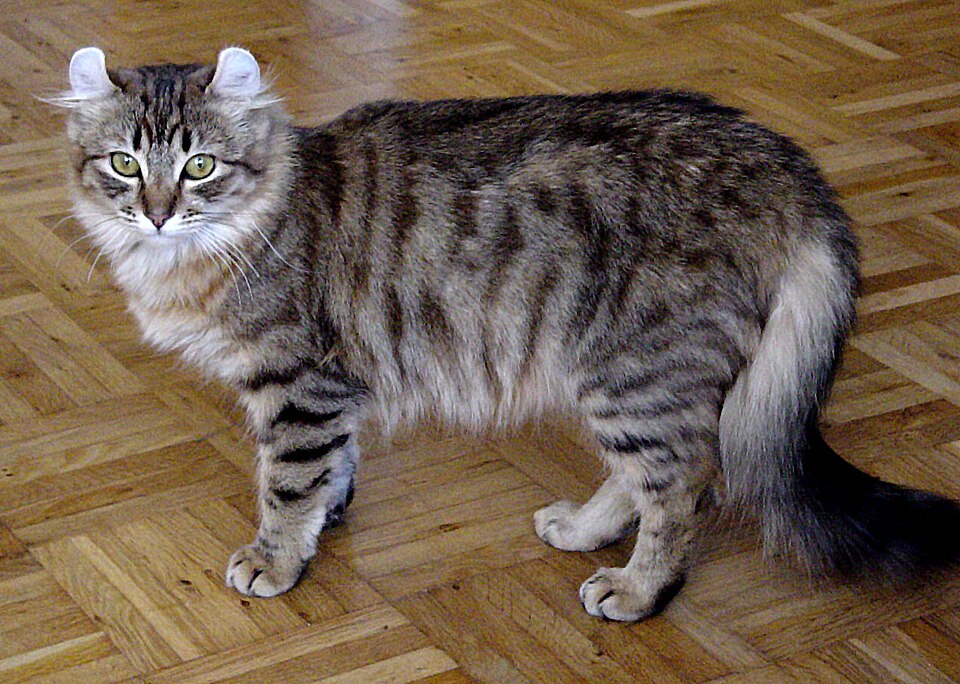
American Curl
Distinguish backward-curled ear tips from folded ears. The American Curl developed from domestic cat lines with backward-curving ears found in California in the United States. Curl in the name relates to the ear tips’ curve, a different feature from the curly coats of Rex breeds.
Read the guide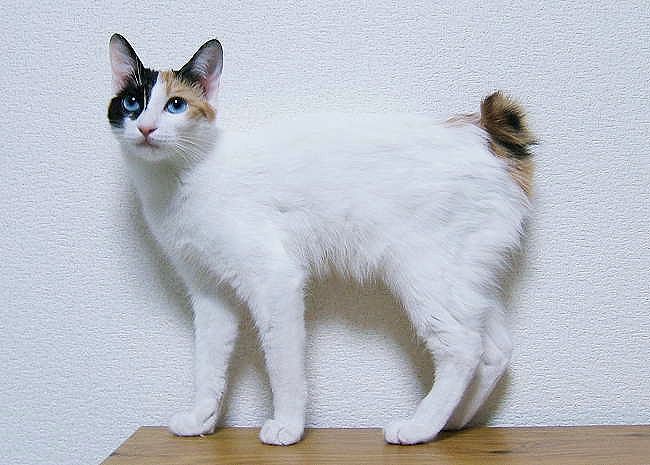
Japanese Bobtail
A rabbit-like short tail differs from the Manx’s taillessness. This breed is linked to Japan’s short-tailed domestic cats. Cats in art and culture provide historical context, but not every short-tailed cat belongs to the modern registered breed.
Read the guide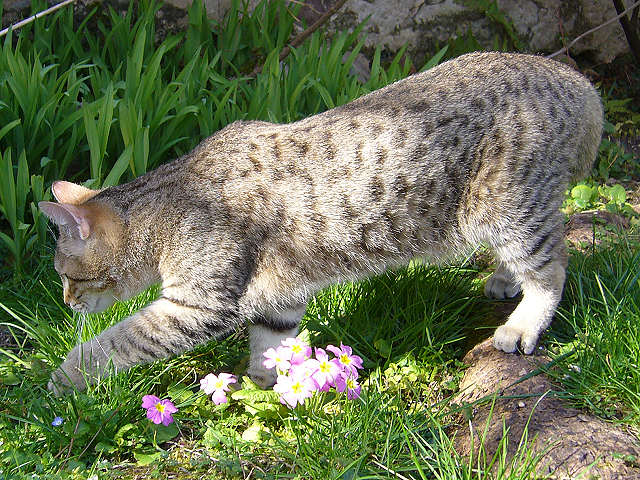
Pixie-bob
Distinguish its short tail and wild-looking form from bobcat-hybrid legends. The Pixie-bob developed from domestic cats in the northwestern United States. Stories of bobcat crosses do not establish a confirmed wild-bobcat ancestry.
Read the guide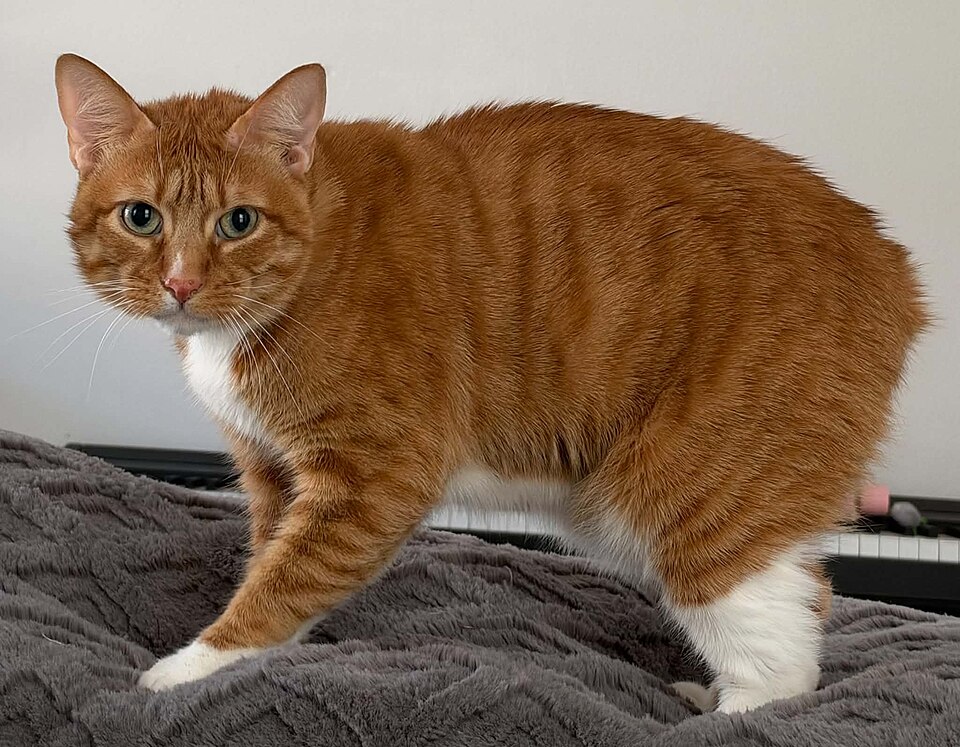
Manx
Consider tail diversity together with spinal health and daily wellbeing. The Manx is a domestic breed linked to the Isle of Man, known for short or absent tails. The tale of a tail caught in Noah’s Ark door is an interesting legend, not a biological origin.
Read the guide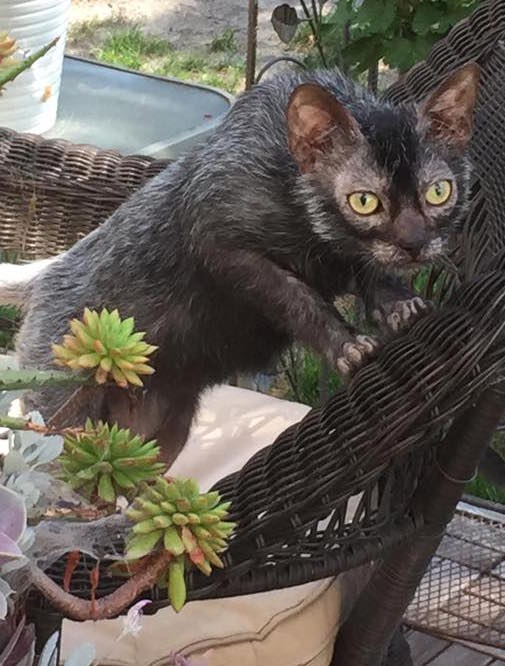
Lykoi
Distinguish the werewolf nickname from an actual domestic cat’s skin and coat structure. The Lykoi was studied and developed from an unusual coat trait appearing in non-pedigree domestic cats in the United States. Despite the werewolf-cat nickname, it is not a cross with wolves or another wild species.
Read the guide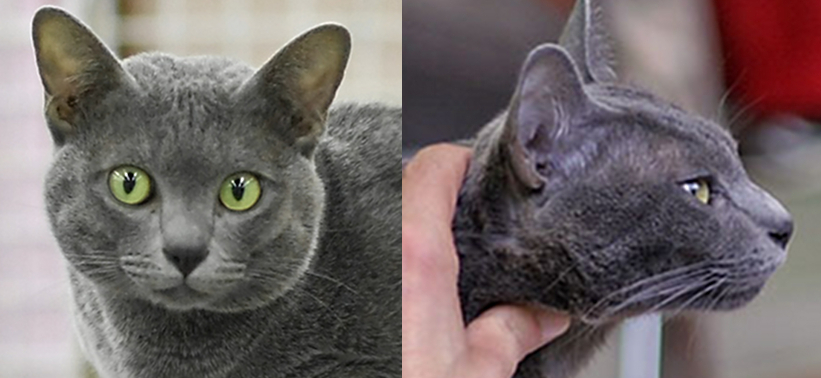
Korat
Silver hair tips and green eyes: lucky traditions are not proof of pedigree. The Korat is connected to Thai cat traditions and stories of luck and gifts. Thai cat poetry and modern registration and breeding records are different kinds of background evidence.
Read the guide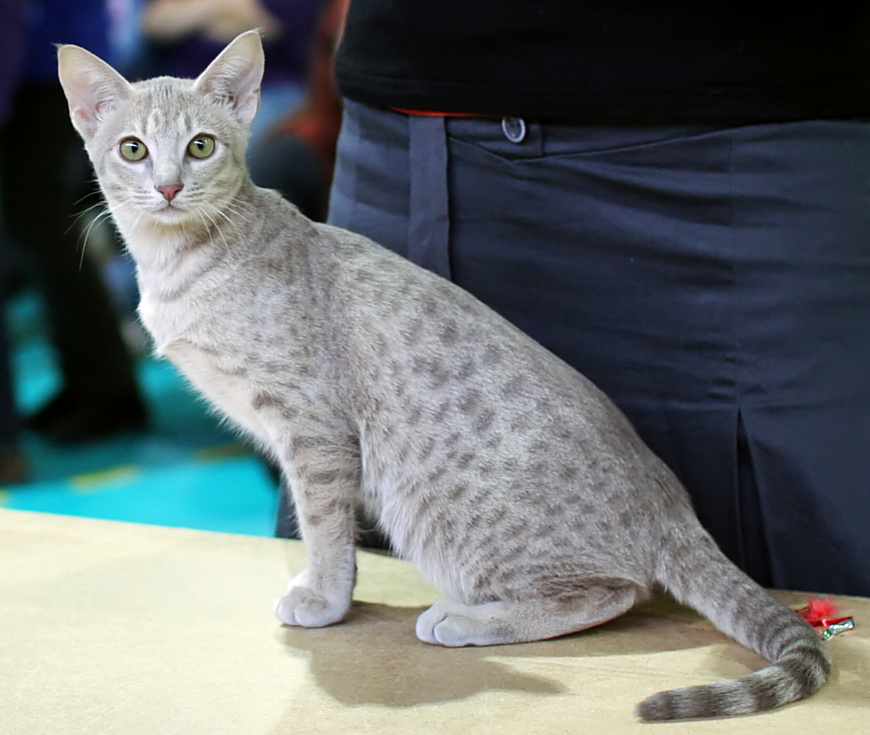
Ocicat
Ocelot-like spots and the actual origin are separate matters. The Ocicat developed in the United States through crosses involving domestic cat lines such as the Abyssinian and Siamese. Although the name and spots evoke an ocelot, it was not created by crossing with wild ocelots.
Read the guide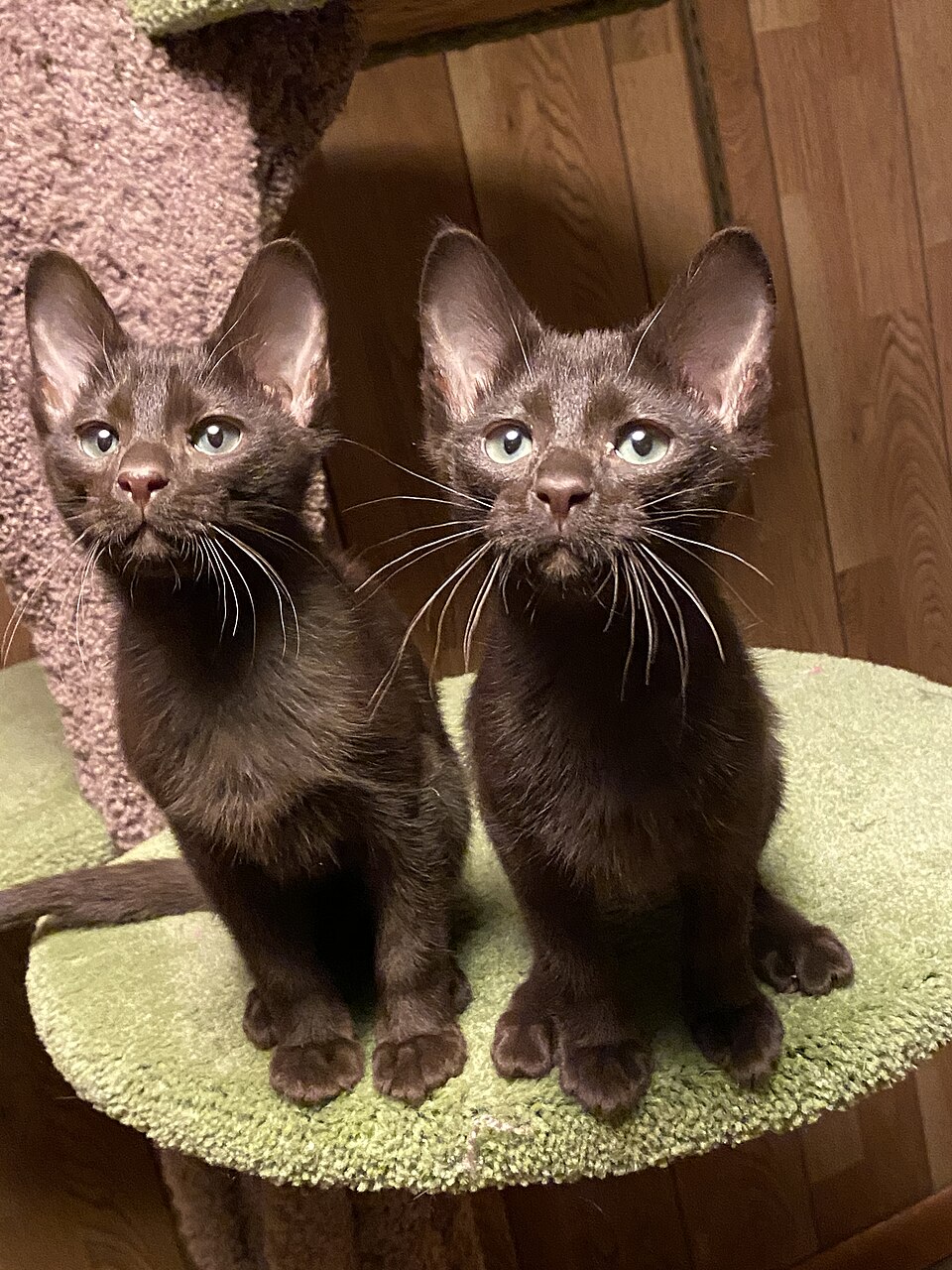
Havana Brown
Chocolate-colored fur and brown whiskers do not imply an origin in Cuba’s wild cats. The Havana Brown was developed through planned domestic-cat crosses in the United Kingdom, with separate appearance standards later established in the United States. Although its name contains a Cuban place name, the breed did not originate from Cuban wild cats.
Read the guide