
Mammals (Pigs)
Kunekune
Kunekune
Classification and scientific name: Sus scrofa domesticus
Sources checked:
A short snout and varied coat colors occur, with some individuals having fleshy hanging projections beneath the jaw.
The Kunekune is a small-bodied domestic pig breed conserved in New Zealand. Its history is connected with Māori communities there. A short snout and varied coat colors occur, with some individuals having fleshy hanging projections beneath the jaw.
Origins and distribution
Developed and conserved in New Zealand
- Kunekune
- Developed and conserved in New Zealand
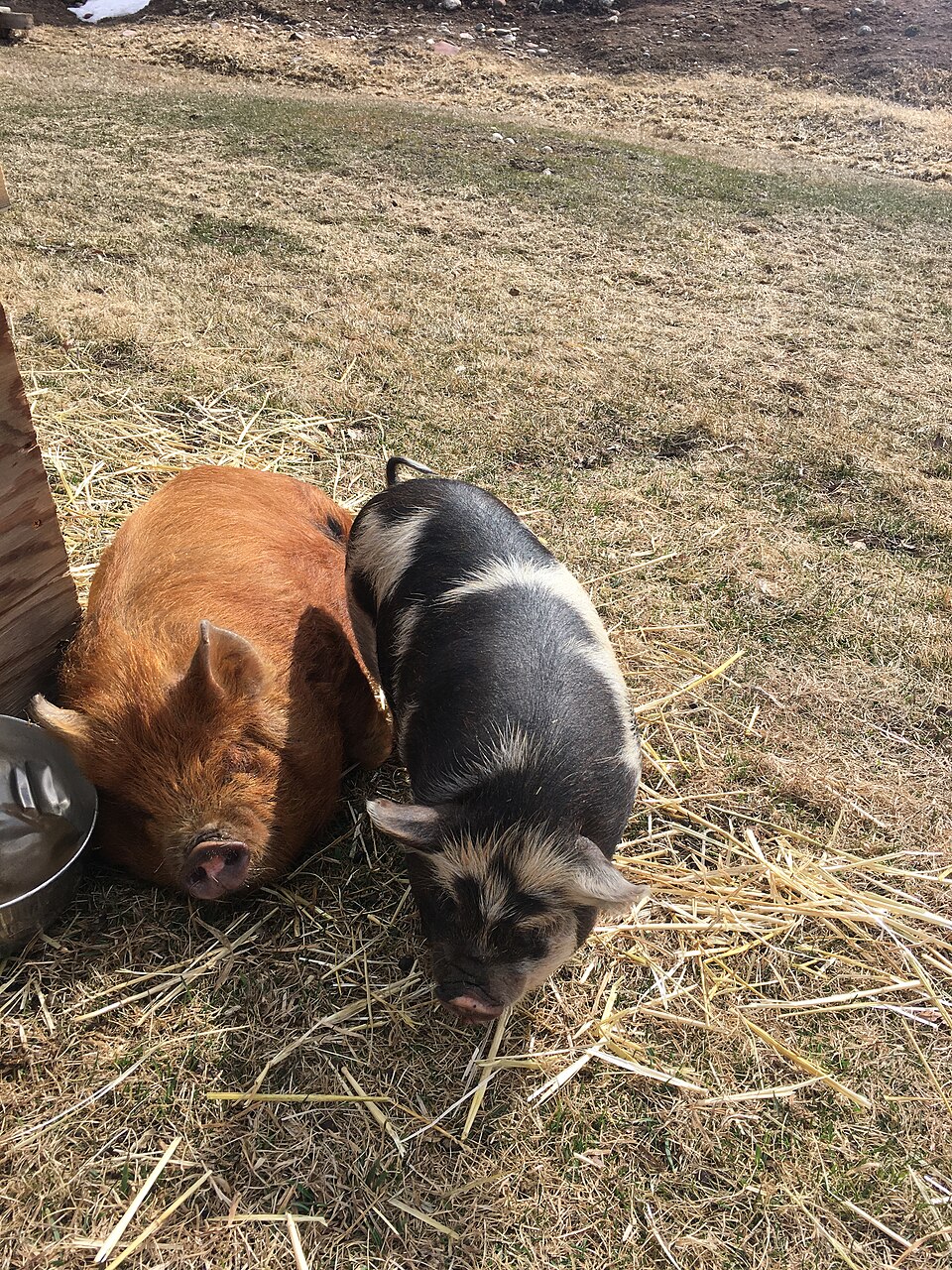
Reference photograph
Reference photograph of Kunekune. Compare the color and form of the individual shown with the identification notes in the text.
Source: 1RingFB · Original material · CC BY-SA 4.0
1. Classification, origins and habitat
The Kunekune is a small-bodied domestic pig breed conserved in New Zealand. Its history is connected with Māori communities there.
It is known through the history and conservation of small domestic pigs associated with New Zealand’s Māori communities. Even if the name suggests small size, it does not mean that the animal stays baby-sized throughout life. Where origins remain uncertain, do not assert one ancient ancestor or a single breed from a particular country.
2. Appearance and identification
A short snout and varied coat colors occur, with some individuals having fleshy hanging projections beneath the jaw.
A short snout, rounded body and several coat colors are seen, and some individuals have hanging projections beneath the neck. An individual without these projections cannot automatically be judged a different breed. Fullness of coat and leg length can look different with season and age.
3. Behavior and way of life
They are known for grazing behavior, but grass alone should not be assumed to meet every individual’s nutritional requirements.
Small size and photographs of individuals accustomed to people create a pet image, but actual adult size and behavioral needs must be checked first. A scene of eating grass must not imply that grass supplies all nutrition. An environment for exploring and living with other pigs is important too.
4. Observation, conservation and care
Even a small breed needs the behavior opportunities and living space of an adult pig. Distinguish juvenile and adult size, and review food composition for the growth stage.
Do not restrict food to keep the animal small; provide nutrition matched to growth, activity and body condition. Small pigs still need secure fencing, shade, water and exploration space. Before adoption, check facilities for the adult animal and the long-term conditions for veterinary care and management.
Evidence and references
- Oklahoma State University — Kunekune
Classification, origins, appearance, ecology or uses of the breed
- Defra — Pig behavior and environmental welfare guidance
Domestic pigs’ exploratory behavior, food, shade and resting space. This is UK material, not guidance on Korean law.