
Dog Breeds
Great Pyrenees
Great Pyrenees
Classification and scientific name: Canis lupus familiaris
Sources checked:
A large body, thick white double coat, hanging ears and bushy tail are characteristic
The Great Pyrenees comes from livestock-guardian lines that stayed beside sheep flocks in the Pyrenees. A large body, thick white double coat, hanging ears and bushy tail are characteristic.
Origins and distribution
Pyrenees on the French-Spanish border
- Great Pyrenees
- Pyrenees on the French-Spanish border
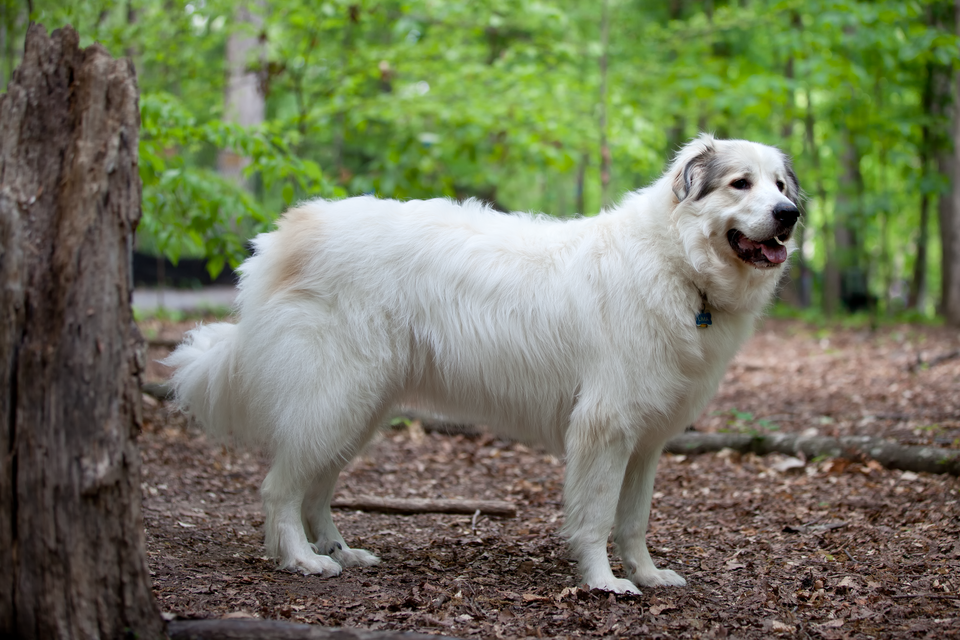
Reference photograph
Reference photograph of a Great Pyrenees. Examine this individual's color and form alongside the identification descriptions in the text.
Source: HeartSpoon · Original material · CC BY-SA 4.0
1. Classification, origins and habitat
The Great Pyrenees comes from livestock-guardian lines that stayed beside sheep flocks in the Pyrenees. Distinguish herding dogs that move sheep under human direction from guardians that remain with a flock and watch for danger. Even in modern companion life, the background to independent judgment and guarding needs understanding; a large white appearance alone cannot determine requirements.
2. Appearance and identification
A large body, thick white double coat, hanging ears and bushy tail are characteristic. Gray or pale-brown markings may occur on head or body. Breed sources discuss hind dewclaws, but photographs may conceal them. Because other white guardians such as the Kuvasz and Maremma look similar, check registration and origin too.
Abundant white fur can make a guardian's form difficult to distinguish among sheep, but it is neither a separate wild species nor a dog-sheep hybrid. Some individuals have gray or pale-brown markings on head and body. Compare registration and regional background with other white livestock guardians such as the Kuvasz and Maremma. Even when hind dewclaws are mentioned as a breed feature, do not infer and describe a form hidden by hair in a photograph.
3. Behavior and way of life
Tendencies of livestock guardians to observe surroundings and make independent decisions may appear. Do not encourage wariness toward unfamiliar people or animals into dangerous aggression; manage it with stable socialization and reward-based training. Barking and nighttime vigilance deserve consideration in actual living conditions. A calm photograph does not mean comfort when left alone in cramped space.
4. Observation, conservation and care
Prepare room for a large adult to move and withdraw, secure fencing and controlled entrances. Groom the abundant undercoat and check skin and paws, ensuring shade, water and ventilation in hot weather. Divide time among growth-appropriate walking, exploration and rest instead of requiring repeated large jumps or heavy loads. Guardian autonomy and human everyday safety rules must be learned together.
Evidence and references
- American Kennel Club — Great Pyrenees
Breed origins, form, behavioral tendencies and grooming
- Defra — Living environment and welfare of companion dogs
General principles of living space, food, normal behavior, social relationships and responsible care