
Dog Breeds
Newfoundland
Newfoundland
Classification and scientific name: Canis lupus familiaris
Sources checked:
Heavy bone, a broad head, thick double coat and bushy tail are characteristic
The Newfoundland developed from large dog lines associated with waterside work and fishing in Newfoundland, Canada. Heavy bone, a broad head, thick double coat and bushy tail are characteristic.
Origins and distribution
Newfoundland, Canada
- Newfoundland
- Newfoundland, Canada
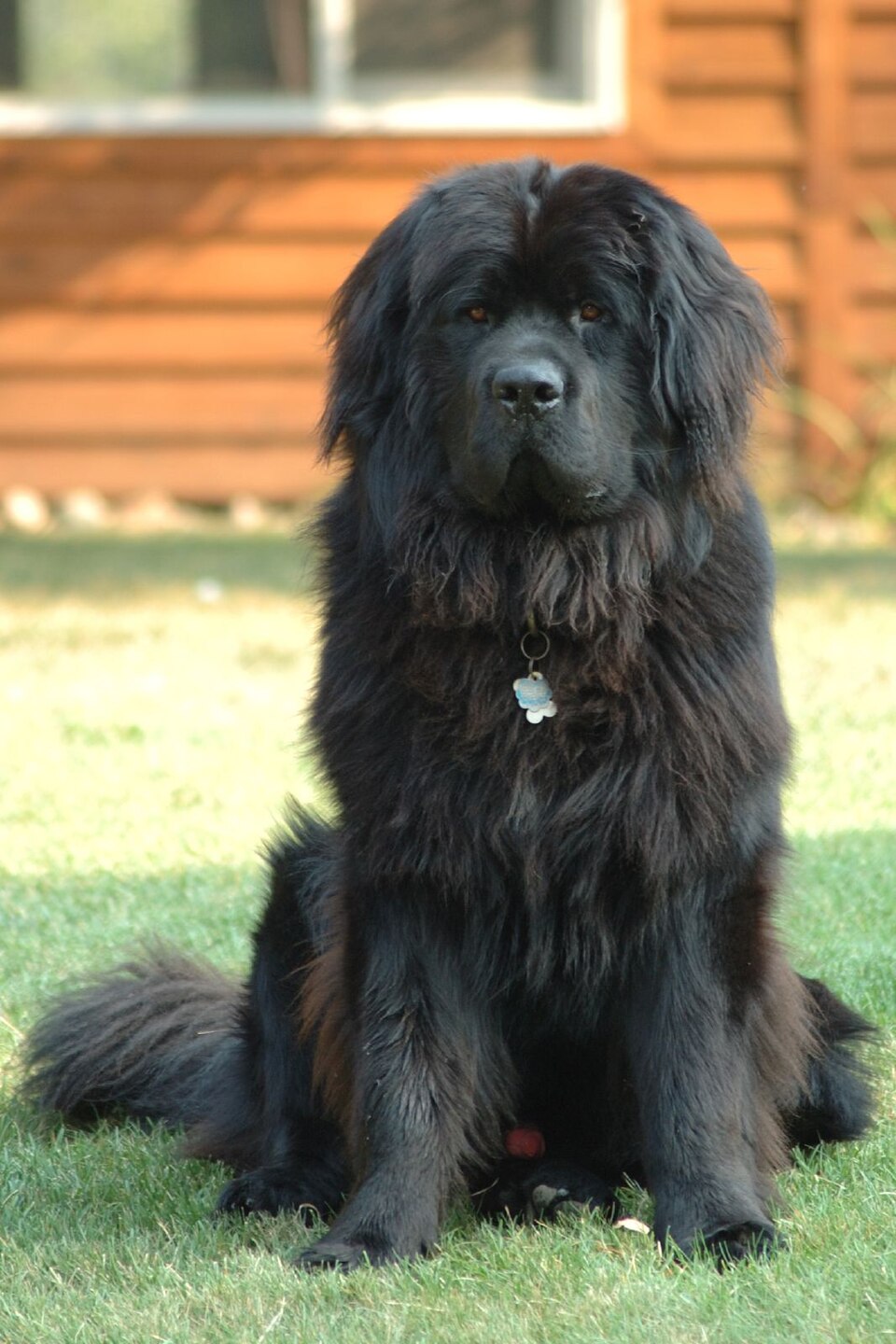
Reference photograph
Reference photograph of a Newfoundland. Examine this individual's color and form alongside the identification descriptions in the text.
Source: Flickr user DanDee Shots · Original material · CC BY 2.0
1. Classification, origins and habitat
The Newfoundland developed from large dog lines associated with waterside work and fishing in Newfoundland, Canada. Distinguish water-working ability and hauling history from present companion and rescue activities. Although known for water rescue, professional rescue requires individual selection and training; not every individual spontaneously saves people or is safe in every body of water.
2. Appearance and identification
Heavy bone, a broad head, thick double coat and bushy tail are characteristic. Registration organizations may treat the range of colors, including black, brown and black-and-white, differently. Do not confuse naming with the separately registered Landseer population distinguished by black-and-white coloring. A wet coat looks less voluminous, so interpret waterside photographs alongside dry-coat photographs.
Abundant dark fur makes head and body look rounded, while wet photographs reveal body and leg outlines more clearly. Distinguish the term Landseer for a black-and-white Newfoundland from the separately registered Landseer breed according to the source's standard. The same black-and-white markings do not mean all individuals have identical ancestry. A waterside setting offers a clue to historical use, not proof that the pictured dog has rescue training.
3. Behavior and way of life
A history of working cooperatively with people and a calm appearance have made it familiar as a friendly dog. However, the force of a moving large body and individual responses to unfamiliar situations need separate consideration. Reward greetings without jumping, waiting and lead walking, and consider size differences in encounters with other animals. Space to rest alone is needed alongside family interaction.
4. Observation, conservation and care
After water activities, check coat and skin, long-hair tangles and dampness, and the condition of ears and paws. A description of enjoying water does not justify exposure to low temperatures or strong currents. Adjust shade, water and activity times in hot periods, and do not force growing large dogs into excessive work. Resting and movement space must accommodate adult size.
Evidence and references
- American Kennel Club — Newfoundland
Breed origins, form, behavioral tendencies and grooming
- Defra — Living environment and welfare of companion dogs
General principles of living space, food, normal behavior, social relationships and responsible care