
Dog Breeds
American Eskimo Dog
American Eskimo
Classification and scientific name: Canis lupus familiaris
Sources checked:
An abundant white or cream double coat, small upright ears, dark eyes and nose, and a tail carried over the back are typical
Despite its name, the American Eskimo Dog is not described as directly descended from the sled dogs of Indigenous Arctic peoples. An abundant white or cream double coat, small upright ears, dark eyes and nose, and a tail carried over the back are typical.
Origins and distribution
Developed in the United States from European spitz stock
- American Eskimo Dog
- Developed in the United States from European spitz stock
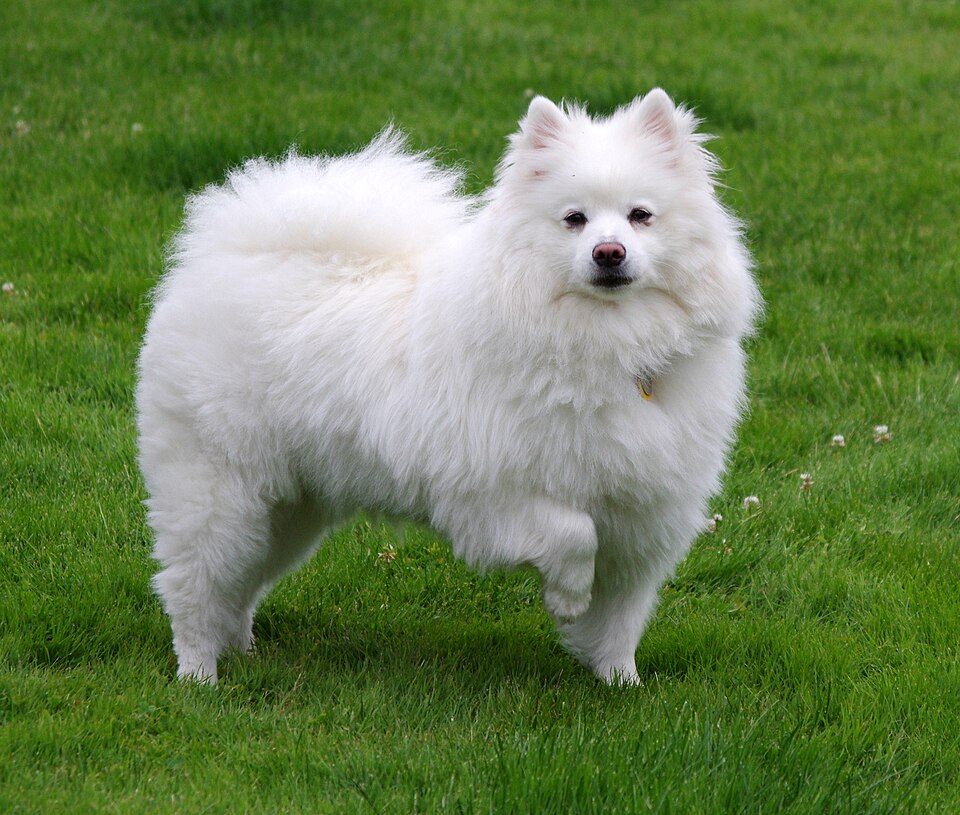
Reference photograph
Reference photograph of an American Eskimo Dog. Examine this individual's color and form alongside the identification descriptions in the text.
Source: Christmas w/a K · Original material · CC BY-SA 2.0
1. Classification, origins and habitat
Despite its name, the American Eskimo Dog is not described as directly descended from the sled dogs of Indigenous Arctic peoples. European white spitz lines developed in the United States, and the breed is also known for its history in performances and companionship. Several size divisions exist, so the build of one large or small individual cannot serve as a fixed figure for the whole breed.
2. Appearance and identification
An abundant white or cream double coat, small upright ears, dark eyes and nose, and a tail carried over the back are typical. Although it may resemble white spitz-type dogs such as the Samoyed or Japanese Spitz, size and ancestry must be checked together. Separating the neck mane from the actual body outline helps explain the volume created by fur.
Some registration standards use size divisions such as Toy, Miniature and Standard, so the main photograph's size does not demonstrate the full range. Dark eyes and nose, small upright ears and abundant neck hair overlap with the general appearance of white spitz-type dogs. When comparing with a larger breed such as the Samoyed, or with the Japanese Spitz, check precise names and registration as well. Accuracy requires avoiding the addition of sled work or traditional Indigenous use to this breed's origins solely because its English name evokes the Arctic.
3. Behavior and way of life
Some individuals are lively, learn with people and respond to surrounding sounds and movements. A performing history does not mean every individual automatically does tricks or feels comfortable alone for long periods. Provide short reward-based sessions, play, scent exploration and quiet rest, and allow gradual experience of unfamiliar encounters.
4. Observation, conservation and care
Gently remove tangles in the thick undercoat and friction areas, and monitor shedding and skin. Do not use unnecessarily frequent harsh washing to maintain white fur. A cold-region image does not mean unrestricted activity is possible in hot weather, so adjust shade, water and activity times. Activity must suit the actual size division and stage of growth.
Evidence and references
- American Kennel Club — American Eskimo Dog
Breed origins, form, behavioral tendencies and grooming
- Defra — Living environment and welfare of companion dogs
General principles of living space, food, normal behavior, social relationships and responsible care