
Dog Breeds
Welsh Corgi
Welsh Corgi
Classification and scientific name: Canis lupus familiaris
Sources checked:
Short legs, a long sturdy body, relatively large upright ears and a fox-like head are characteristic.
Welsh Corgis are small herding dogs associated with moving livestock in Wales; Pembrokes and Cardigans are distinct. Short legs, a long sturdy body, relatively large upright ears and a fox-like head are characteristic.
Origins and distribution
Wales, United Kingdom
- Pembroke Welsh Corgi
- Wales, United Kingdom
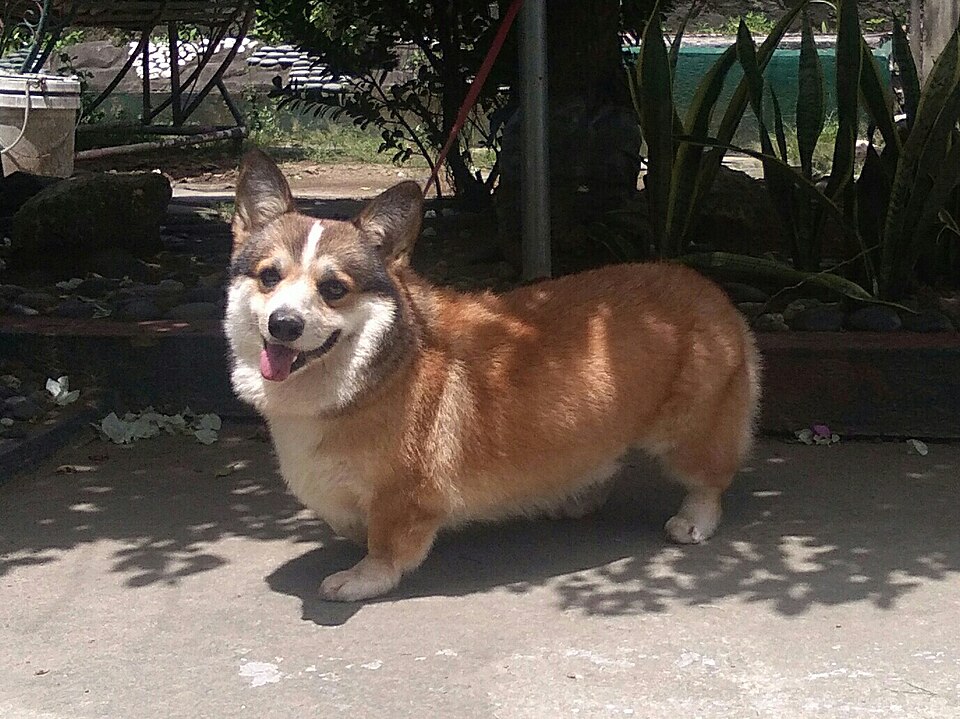
Reference photograph
Reference photograph of Welsh Corgi. Compare the color and form of the individual shown with the identification notes in the text.
Source: Dog breed facts · Original material · CC BY-SA 4.0
1. Classification, origins and habitat
Welsh Corgis are small herding dogs associated with moving livestock in Wales; Pembrokes and Cardigans are distinct. This page’s representative is the Pembroke Welsh Corgi. Do not mix the ears, body and tail of the two breeds into one appearance. The British royal connection explains part of the Pembroke’s fame, not the origin of every corgi.
2. Appearance and identification
Short legs, a long sturdy body, relatively large upright ears and a fox-like head are characteristic. Red, sable, black-and-tan and other colors may carry white markings. Pembrokes can also have long tails, so a short tail must not be the sole identification criterion. Distinguish the body’s length and actual condition from the volume of the coat.
Short tails in Pembrokes are associated with both natural bobtails and historical docking, so tail length alone cannot determine the breed. Long-tailed Pembrokes also exist. The Cardigan is a separate registered breed with different head, ear and body proportions and a different color range. When both are broadly called corgis, check which one the representative photograph shows; shared short legs and long bodies are no reason to combine all their characteristics.
3. Behavior and way of life
Some individuals are sensitive to movement and keen to play and learn, reflecting their herding background. Short legs do not make activity needs small. If a dog moves toward ankles or chases running targets, manage the situation and use reward-based training. Do not dismiss biting people merely as a cute herding instinct.
4. Observation, conservation and care
Divide walking, sniffing exploration and mental games according to current stamina. Monitor weight and body condition, and adjust routines involving slippery floors or repeated high jumps. Manage shedding of the thick undercoat, and have an adult supervise meetings with children or other animals. When comparing the two corgi breeds, check the registered name attached to the photograph too.
Evidence and references
- American Kennel Club — Pembroke Welsh Corgi
Breed origins, form, behavioral tendencies and grooming
- Defra — Living environment and welfare of dogs
General principles for living space, food, normal behavior, social relationships and responsible care