
Dog Breeds
Shiba Inu
Shiba Inu
Classification and scientific name: Canis lupus familiaris
Sources checked:
Small erect triangular ears, a curled or upward-curving tail and a thick double coat are characteristic.
The Shiba is a native dog breed developed in Japan as a small hunting dog. Small erect triangular ears, a curled or upward-curving tail and a thick double coat are characteristic.
Origins and distribution
Japan
- Shiba Inu
- Japan
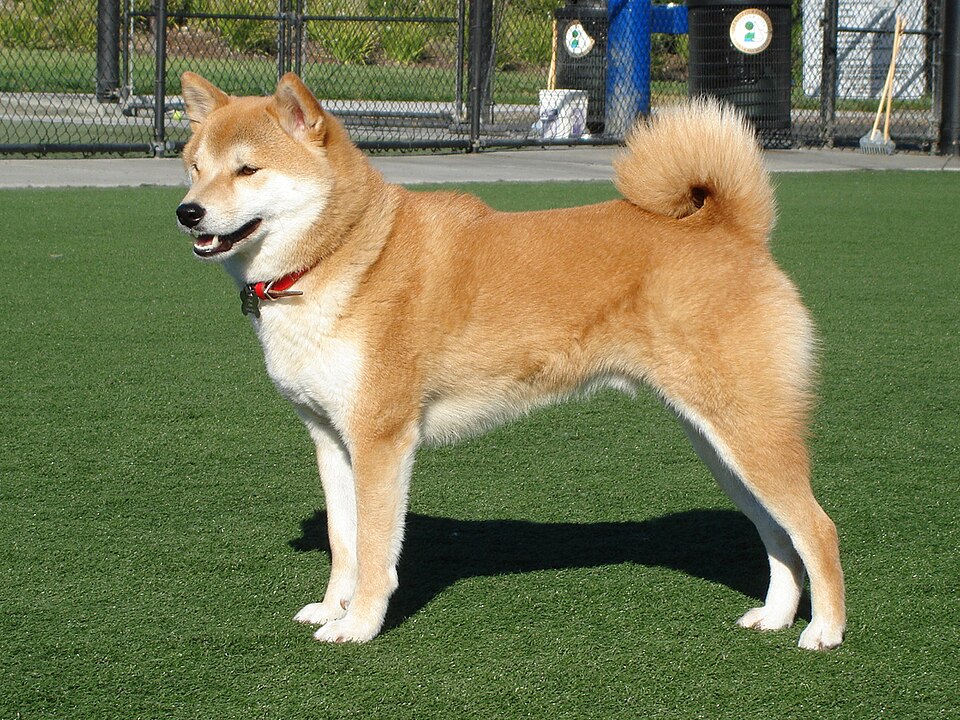
Reference photograph
Reference photograph of Shiba Inu. Compare the color and form of the individual shown with the identification notes in the text.
Source: Takashiba at English Wikipedia · Original material · Public domain
1. Classification, origins and habitat
The Shiba is a native dog breed developed in Japan as a small hunting dog. Regional lines were carried forward through modern conservation and registration. The name does not mean every Japanese spitz-type dog or a small Akita. Although many now live as companions, their history of watching and exploring their surroundings remains useful context.
2. Appearance and identification
Small erect triangular ears, a curled or upward-curving tail and a thick double coat are characteristic. Alongside red, there are black-and-tan and sesame colors, with contrasting pale fur on the muzzle, chest and underside of the belly. The apparently smiling corners of the mouth are an impression created by facial structure and momentary posture, not a sign of constant happiness.
The contrast between red fur and the pale underside of a Shiba’s face can suggest a fox, but it is a domestic dog, not a kind of fox. Black-and-tan or sesame individuals can look quite different from red ones. How tightly the tail curls or curves like a sickle also varies with the individual and posture. Similar Japanese dogs such as Akitas have different registration, build and body proportions; coat color and a seemingly smiling expression alone should not combine them into one breed.
3. Behavior and way of life
Many individuals set their own distance and investigate smells and movement, but a description of independence does not mean they need neither people nor training. Their interest in other dogs or unfamiliar touch varies with experience. Wait for them to approach, provide room to withdraw, and use reward-based training to teach leash walking and safe everyday habits.
4. Observation, conservation and care
During shedding, gently remove loose undercoat without pulling the skin. A secure leash and fencing help prevent chasing and escapes; celebrated loyalty alone cannot guarantee a return. Introduce touch and paw care comfortably from an early age, and let the individual rest when tired or uncomfortable.
Evidence and references
- American Kennel Club — Shiba Inu
Breed origins, form, behavioral tendencies and grooming
- Defra — Living environment and welfare of dogs
General principles for living space, food, normal behavior, social relationships and responsible care