
Dog Breeds
French Bulldog
French Bulldog
Classification and scientific name: Canis lupus familiaris
Sources checked:
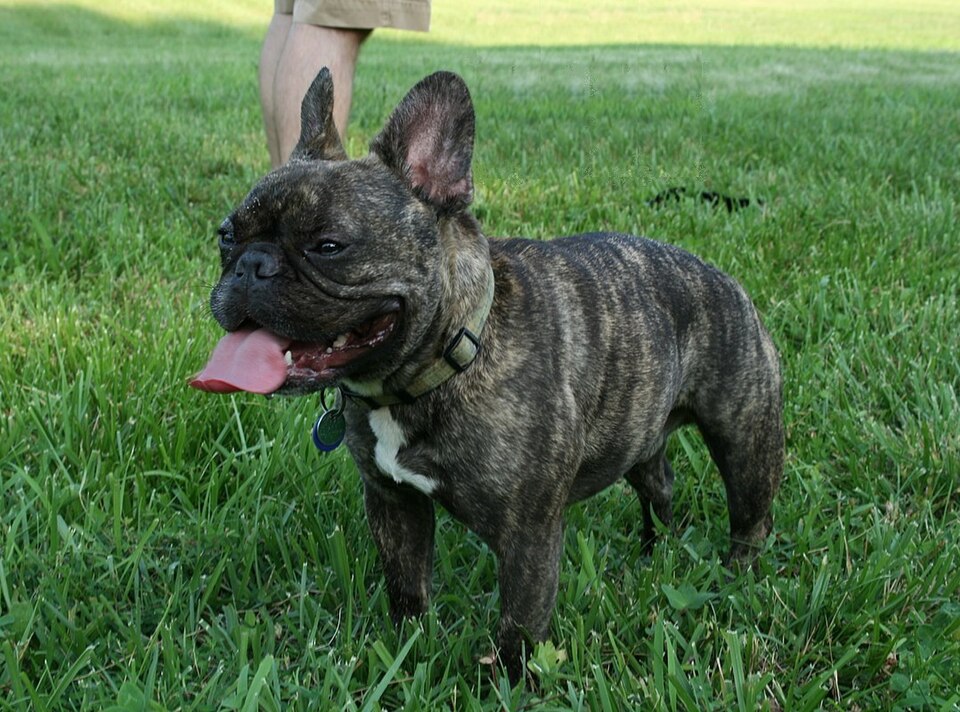
Broad erect bat-shaped ears, a short muzzle and a compact muscular body are characteristic.
The French Bulldog developed from small British bulldog lines within French companion-dog culture. Broad erect bat-shaped ears, a short muzzle and a compact muscular body are characteristic.
Origins and distribution
Developed from small British bulldogs into a companion dog in France
- French Bulldog
- Developed from small British bulldogs into a companion dog in France
Reference photograph
Reference photograph of French Bulldog. Compare the color and form of the individual shown with the identification notes in the text.
Source: Ildar Sagdejev ( Specious ) · Original material · CC BY-SA 4.0
1. Classification, origins and habitat
The French Bulldog developed from small British bulldog lines within French companion-dog culture. Its name does not mean it began as a wild dog of France. It connects changes in working dogs with urban companionship, and modern registration should be distinguished from fashionable color names and sales terminology.
2. Appearance and identification
Broad erect bat-shaped ears, a short muzzle and a compact muscular body are characteristic. The short coat comes in various colors and markings, but a fashionable color does not guarantee health or pure breeding. A short nose and skin folds may look appealing, yet their structure also calls for attention to comfortable breathing and skin health. Distinguish a naturally short tail from its management history.
The nickname bat ears describes the silhouette of upright ears with broad bases and rounded tips. A dog may resemble a white-marked Boston Terrier, so examine head and body proportions rather than one ear feature alone. The impression of a short, thick body must not normalize excess weight. When looking at folds and a flat nose in a photograph, consider comfortable breathing and movement alongside appearance to understand the living animal in balance.
3. Behavior and way of life
Known as a companion that lives with people, it still needs exercise; a quiet indoor photograph does not imply otherwise. Play and exploration suited to its stamina are needed, and enjoyment of touch varies individually. Rather than labeling behavior stubbornness, observe which signals the dog has learned and what it finds difficult, and communicate through reward-based training.
4. Observation, conservation and care
Watch breathing strain particularly in heat and vigorous exercise, choosing cool periods and providing rest. Do not dismiss snoring or harsh breathing merely as amusing breed noises; discuss discomfort with a veterinarian. Do not assume the dog can float safely without help. Care for folds, skin and paws, maintain an appropriate body condition and tailor exercise to the individual.
Evidence and references
- American Kennel Club — French Bulldog
Breed origins, form, behavioral tendencies and grooming
- Defra — Living environment and welfare of dogs
General principles for living space, food, normal behavior, social relationships and responsible care