
Dog Breeds
Shetland Sheepdog
Shetland Sheepdog
Classification and scientific name: Canis lupus familiaris
Sources checked:
A long, abundant double coat, neck mane, relatively long narrow head and ears with folded tips are characteristic
The Shetland Sheepdog developed from small herding-dog lines on northern islands. A long, abundant double coat, neck mane, relatively long narrow head and ears with folded tips are characteristic.
Origins and distribution
Shetland Islands, Scotland
- Shetland Sheepdog
- Shetland Islands, Scotland
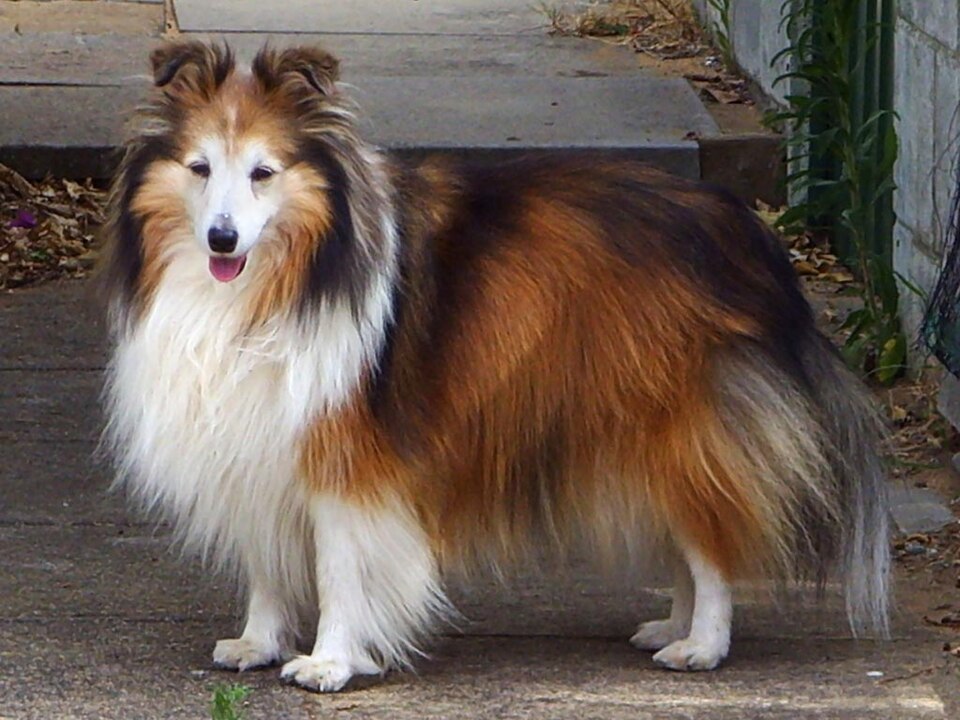
Reference photograph
Reference photograph of a Shetland Sheepdog. Examine this individual's color and form alongside the identification descriptions in the text.
Source: Flickr user nickobec (Nick Cowie) · Original material · CC BY-SA 2.0
1. Classification, origins and habitat
The Shetland Sheepdog developed from small herding-dog lines on northern islands. The nickname little Collie does not mean it is simply a Rough Collie puppy or a scaled-down copy. Island livestock management and modern companion and sporting roles can be considered together, while distinguishing regional history from the ancestry of currently registered individuals.
2. Appearance and identification
A long, abundant double coat, neck mane, relatively long narrow head and ears with folded tips are characteristic. Colors include sable-and-white, tricolor and blue merle. Long hair can conceal the actual outline of legs and body, so coat volume should not be mistaken for build. When comparing the similar Rough Collie, check registration information as well as size.
A long narrow head and white neck mane resembling those of a Rough Collie may lead to confusion with a young Collie, but the adult Shetland Sheepdog is a separate breed. In heavily coated photographs, locating body length and the positions of the feet reveals the real proportions. Folded ear tips may appear different with posture and growth stage. Sable, tricolor, merle and other colors and patterns reflect diversity within the breed, not differences in temperament or learning ability.
3. Behavior and way of life
Some individuals are sensitive to human signals and moving objects and eager to learn. Quick responses to sounds vary with environment and experience, so do not assume the breed is invariably timid or noisy. Introduce unfamiliar places gradually, combining reward-based training, rest and play suited to stamina.
4. Observation, conservation and care
Gently groom the undercoat and long hair behind the ears, in the armpits and on the legs, and check the skin. A plentiful coat is no reason to reduce walks or ignore heat stress. Arrange surroundings to prevent pursuit of moving bicycles and people, and choose activities appropriate to growth stage instead of repeated jumping. Actual body shape and condition need to be checked beneath the abundant coat.
Evidence and references
- American Kennel Club — Shetland Sheepdog
Breed origins, form, behavioral tendencies and grooming
- Defra — Living environment and welfare of companion dogs
General principles of living space, food, normal behavior, social relationships and responsible care