
Amphibians
Explore classification, origins, appearance, behavior, observation and care through the published animal profiles for amphibians.
Browse categories
Frogs and Toads
Explore anuran amphibians, including frogs and toads. Larval and adult appearance, reproduction and dependence on water differ by species. Examine relationships between skin and habitat without generalizing every species as the earliest indicator of pollution.
Salamanders and Newts
Explore caudate amphibians such as salamanders and newts. Legs, tails, gills, metamorphosis and use of water and land vary with species and life stage. Regeneration also has limits defined by species and conditions, so do not describe unlimited powers of recovery.
Published animal profiles
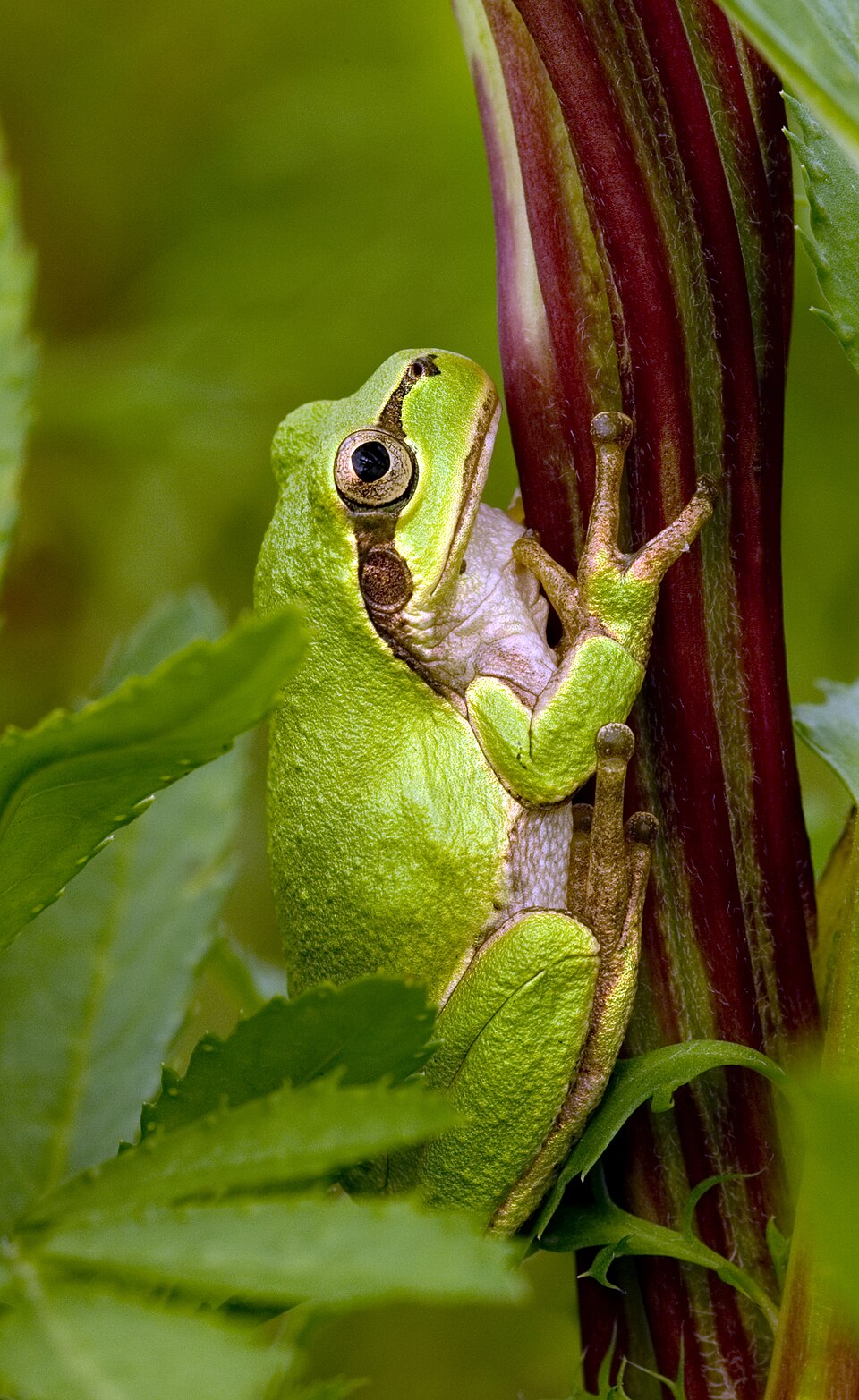
Japanese Tree Frog
Rounded toe tips and breeding calls: the tree frog encountered in Korea. The tree frog on this page means the East Asian Dryophytes japonicus, without grouping all animals called tree frogs in different countries into one species. Older material uses the scientific name Hyla japonica.
Read the guide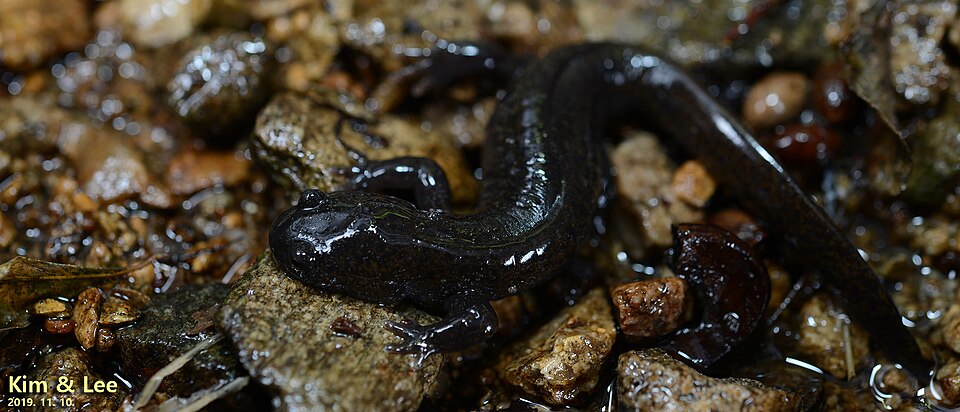
Korean Salamander
Close species in Hynobius are not easily distinguished by appearance alone. The species covered here under the common name Korean salamander is Hynobius leechii. Its range includes the Korean Peninsula and northeastern China, so it should not be described as endemic only to the Republic of Korea.
Read the guide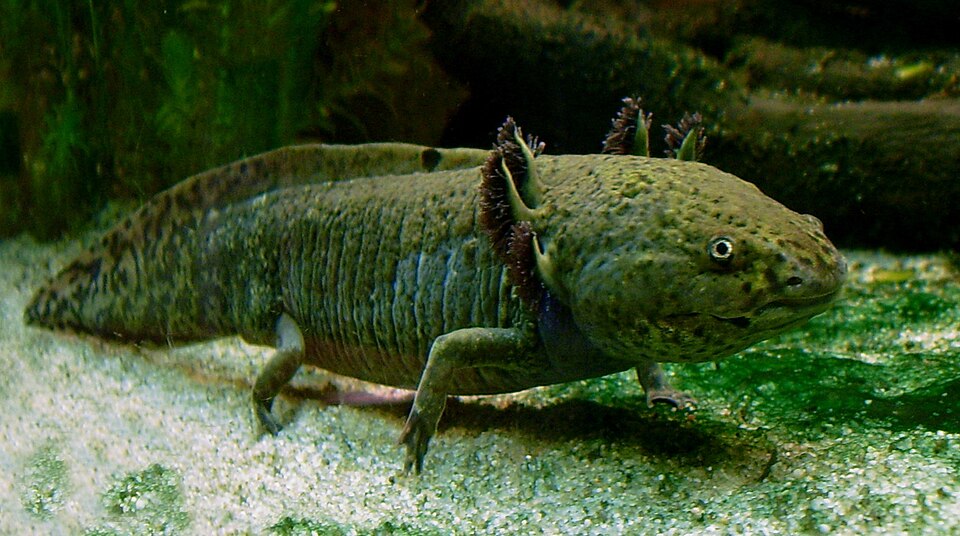
Axolotl (Wooper Looper)
A Mexican aquatic salamander retaining external gills at maturity. The axolotl is a salamander associated with the aquatic environment of Xochimilco, Mexico. Wooper Looper is a widely used nickname, not a classification as a fish or a separate pet breed.
Read the guide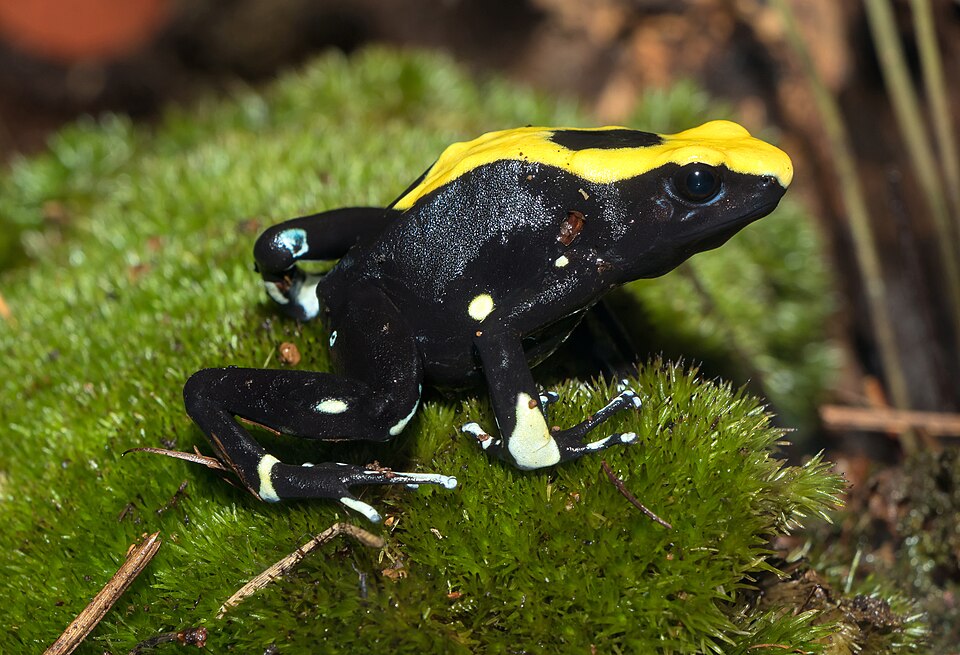
Poison Dart Frog
Distinguish poison dart frogs generally from the dyeing poison frog's colors and life cycle. Poison dart frog is a common name for several species in the poison frog family. Here the dyeing poison frog Dendrobates tinctorius is the representative.
Read the guide