
Marine Fish
Explore fish using diverse marine environments, including coasts, coral reefs and the open ocean. Do not group small fish, sharks and rays as one size or a single breed. Check species-specific differences in bodies, fins, diet and living depth.
Published animal profiles
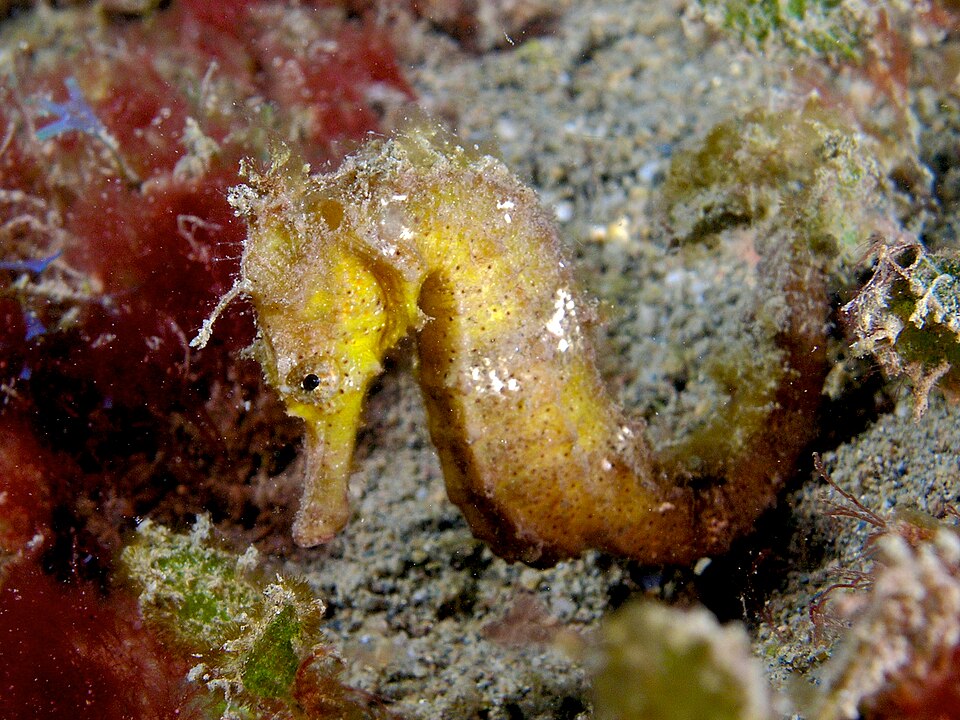
Seahorse
Seahorses grip vegetation with their tails and males have brood pouches. Hippocampus includes several species; this page uses Hippocampus kuda as its representative.
Read the guide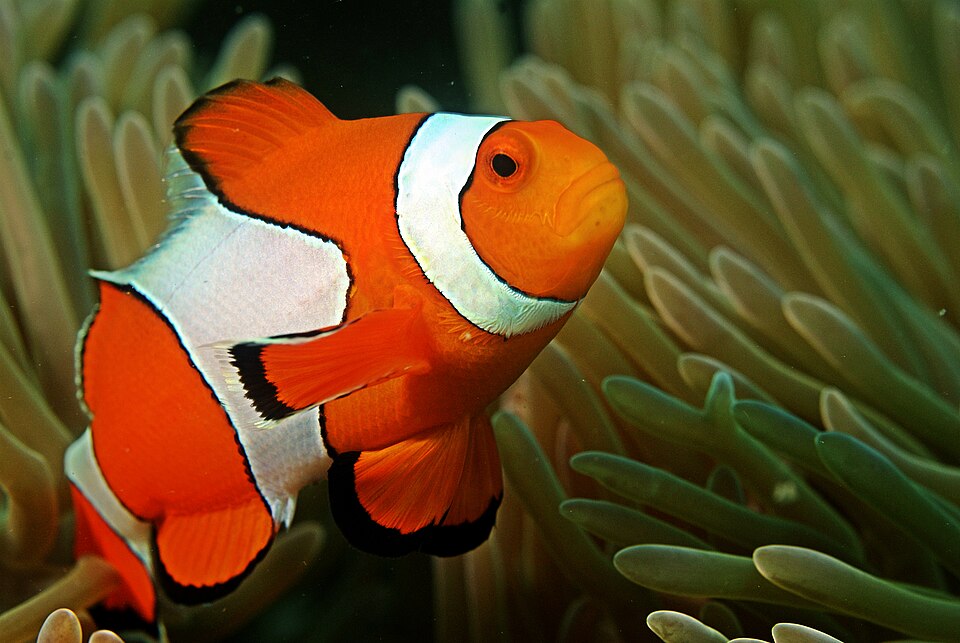
Clownfish (Nemo)
A representative clownfish species associated with sea anemones. Clownfish comprise several species; here Amphiprion ocellaris is used as the representative.
Read the guide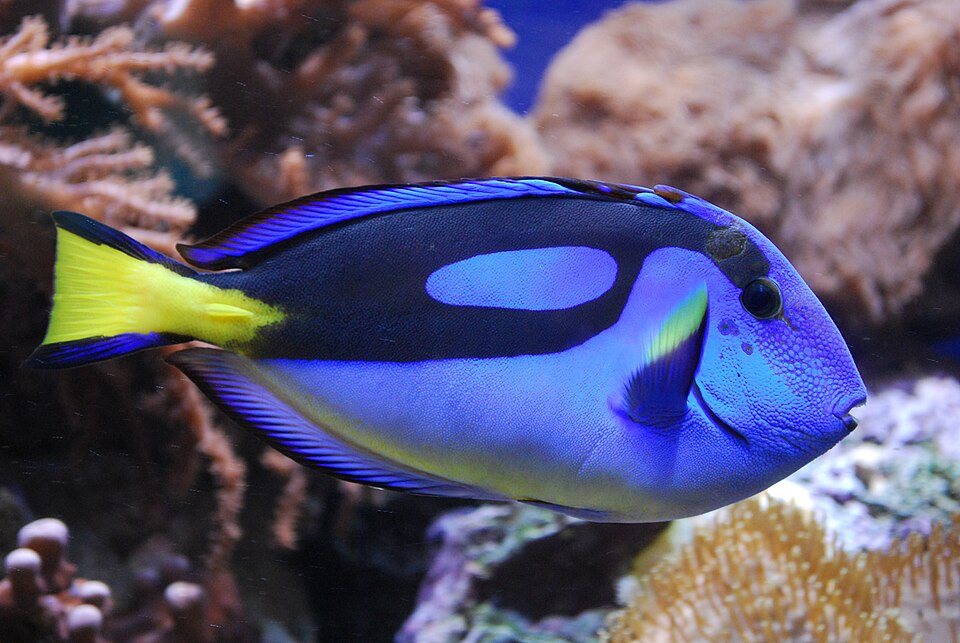
Blue tang
A reef fish with a blue body and yellow tail. Blue tang can name several blue fishes; this page covers Paracanthurus hepatus.
Read the guide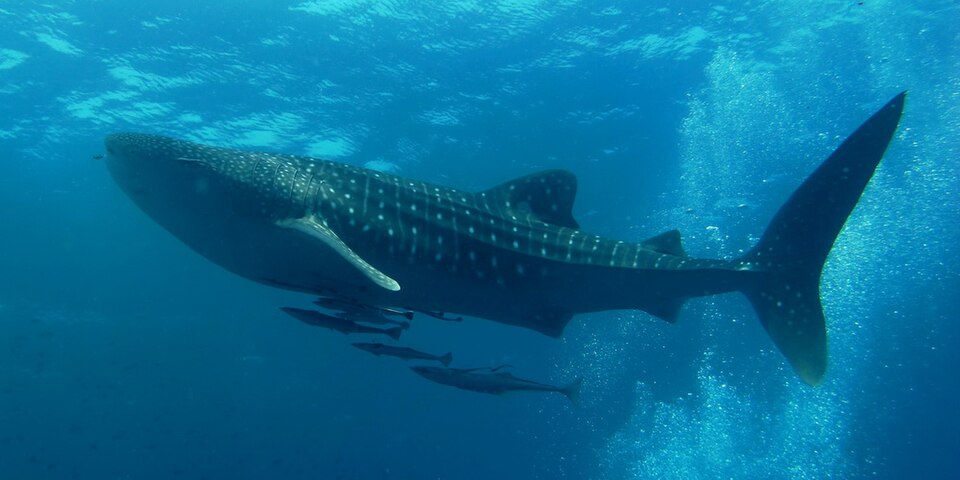
Whale Shark
A giant whale shark filtering small food. Despite whale in its name, the whale shark is a gill-breathing shark, not a mammal.
Read the guide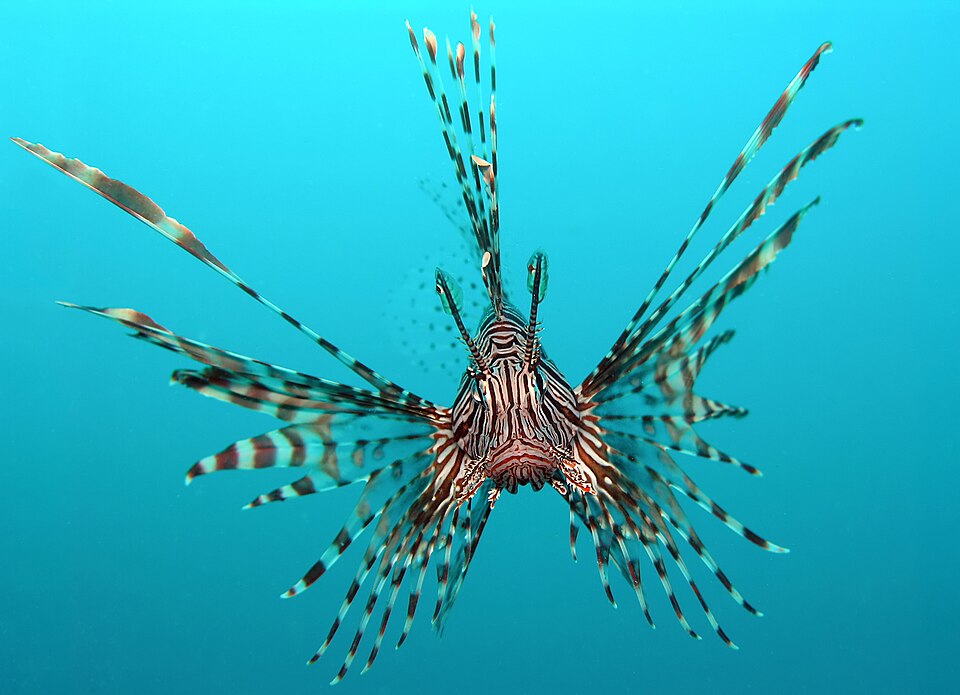
Lionfish
A marine predator has striking fins and venomous spines. Lionfish names several related Pterois species; this page covers Pterois volitans.
Read the guide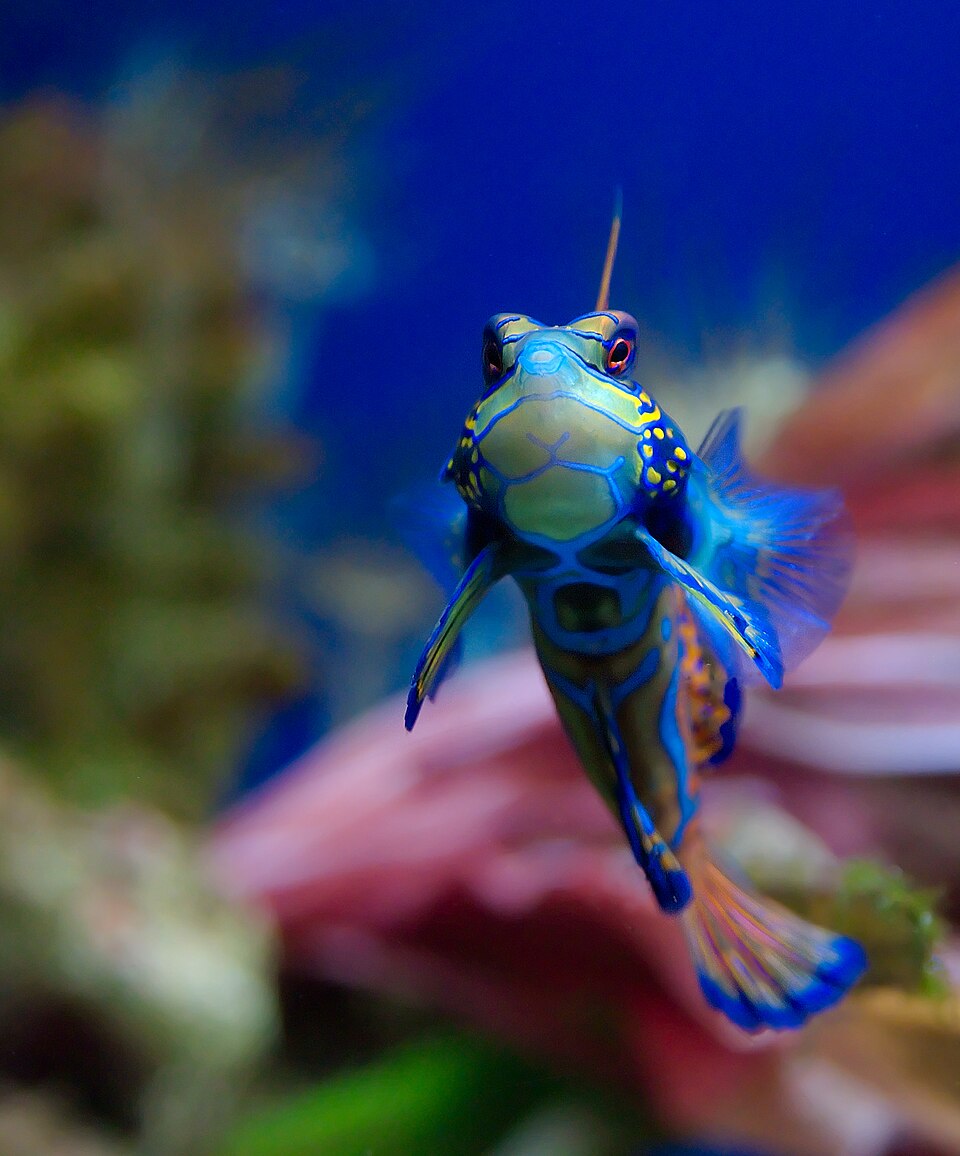
Mandarinfish
Mandarinfish search for tiny prey among coral rubble. Synchiropus splendidus is a marine fish in the dragonet family.
Read the guide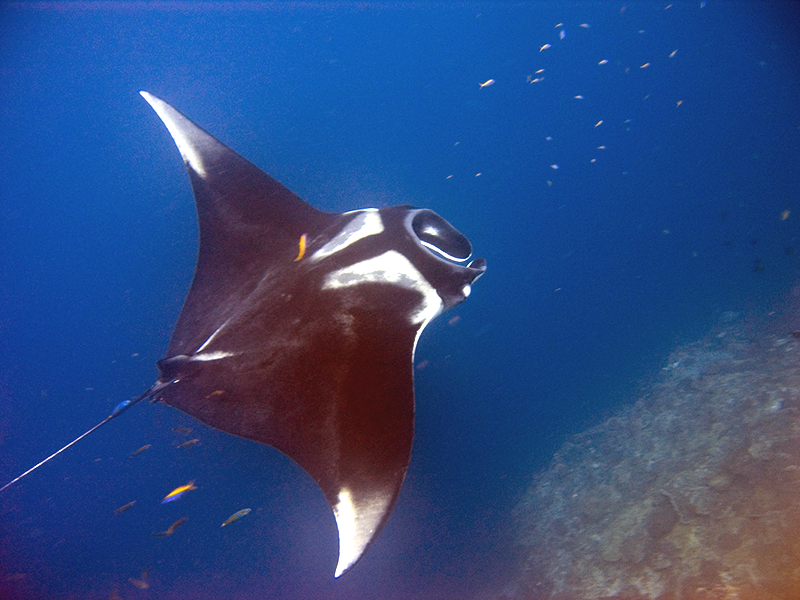
Manta ray
Giant manta rays channel water with their cephalic fins. Mantas include several species; this page covers the giant manta ray, Mobula birostris.
Read the guide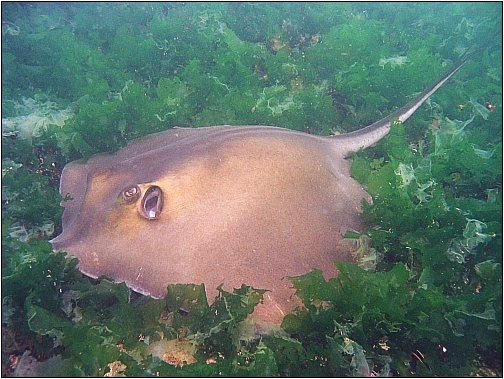
Stingrays
Common stingrays search for food on sandy bottoms. Rays include many species; this entry uses the common stingray, Dasyatis pastinaca, as its representative.
Read the guide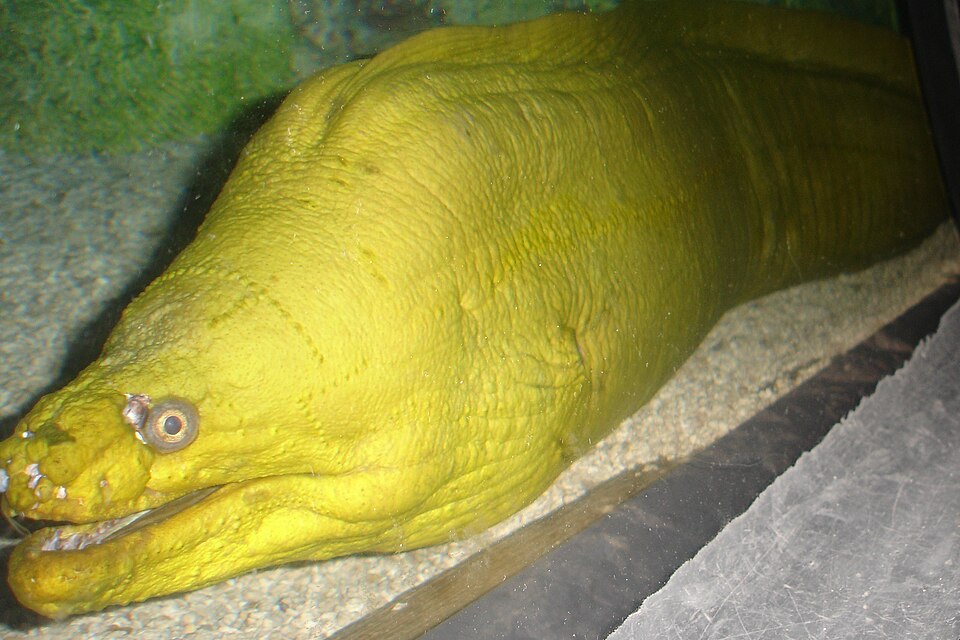
Moray eels
Green morays breathe and seek food in reef crevices. Morays include many species; this page uses the green moray, Gymnothorax funebris, as its representative.
Read the guide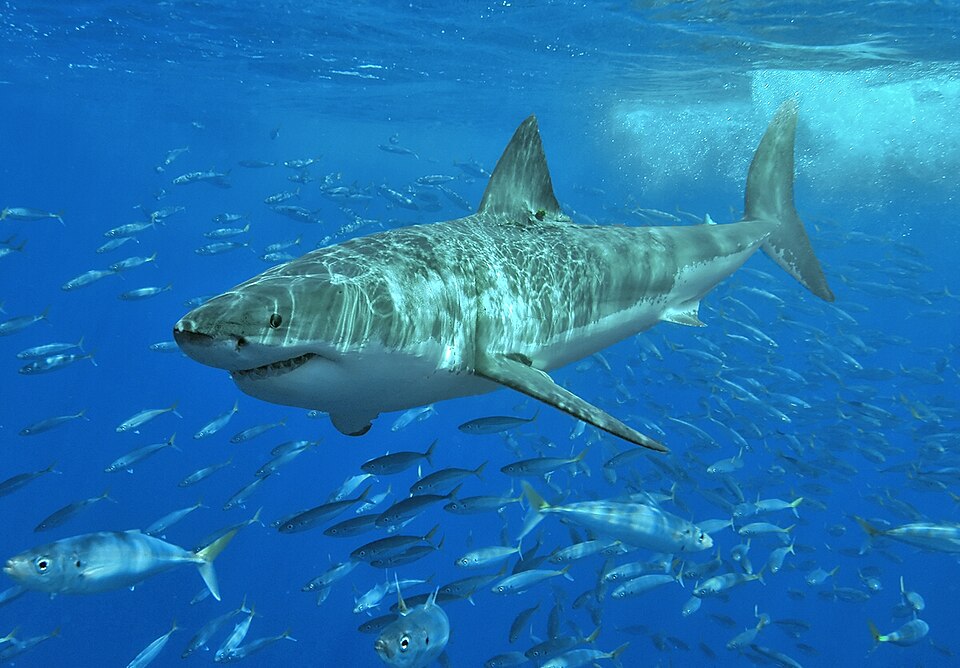
Great white shark
Great white shark diets vary with waters and growth stage. Carcharodon carcharias uses many temperate and subtropical seas and surrounding waters worldwide.
Read the guide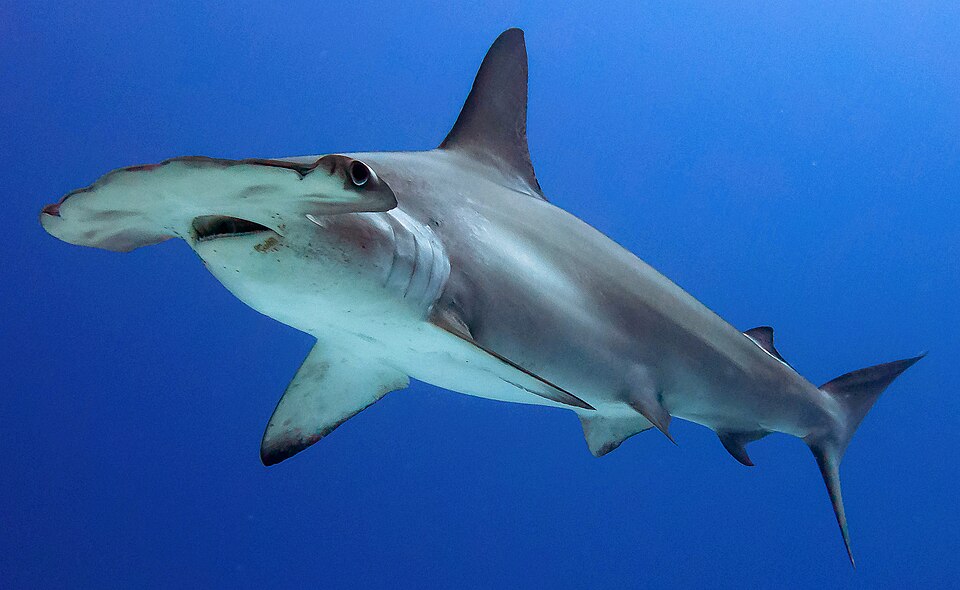
Hammerhead shark
Scalloped hammerheads have broad heads and coastal nursery habitats. Hammerheads include species with different head shapes and sizes; this entry describes Sphyrna lewini as its representative.
Read the guide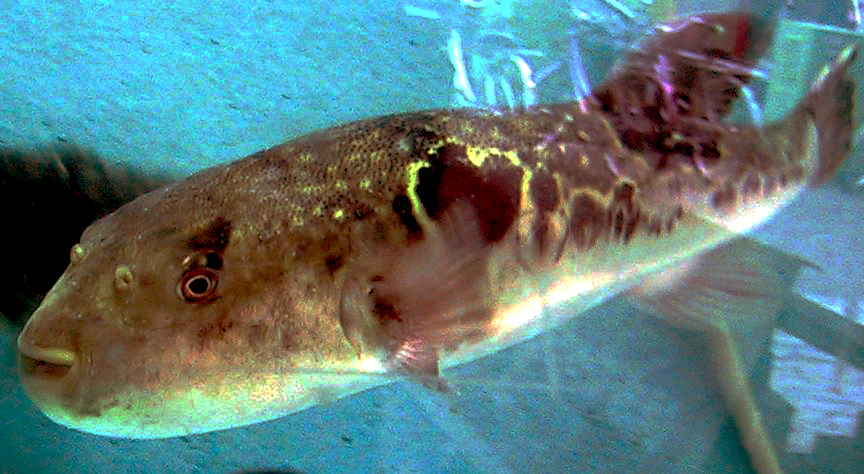
Pufferfish
The tiger puffer has an inflation defence and hard teeth. Pufferfish include many species, and marine, brackish-water and freshwater species have different living requirements.
Read the guide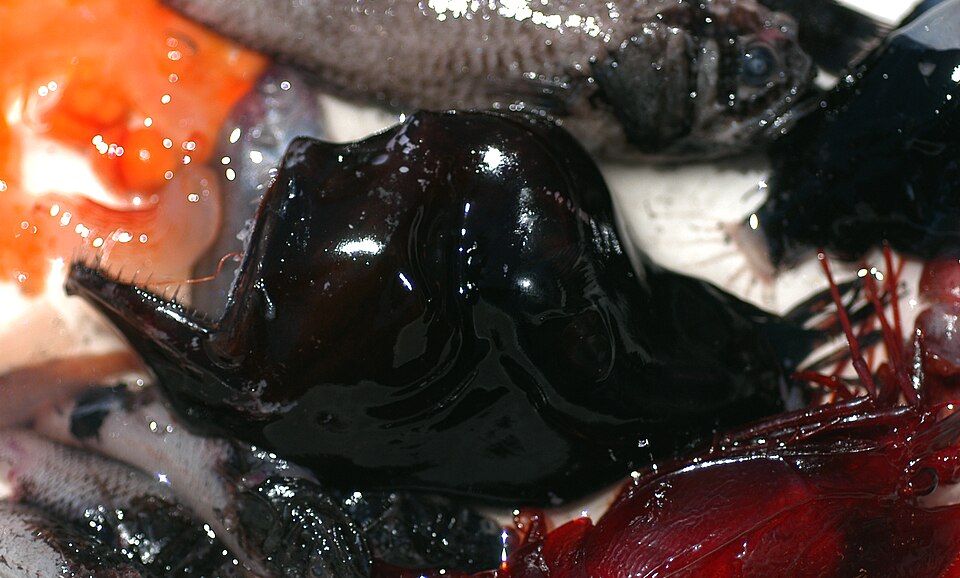
Deep-sea anglerfish
A representative deep-sea anglerfish with a luminous lure and a large mouth. Anglerfishes include several lineages from shallow seabeds to the deep ocean, and this page focuses on the deep-sea Melanocetus johnsonii.
Read the guide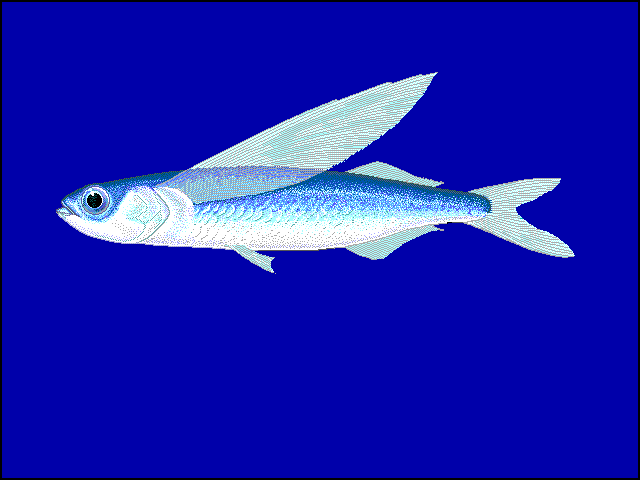
Flying fish
A flying fish that glides above the surface on large pectoral fins. Flying fishes include several species, and this page uses Exocoetus volitans as its representative.
Read the guide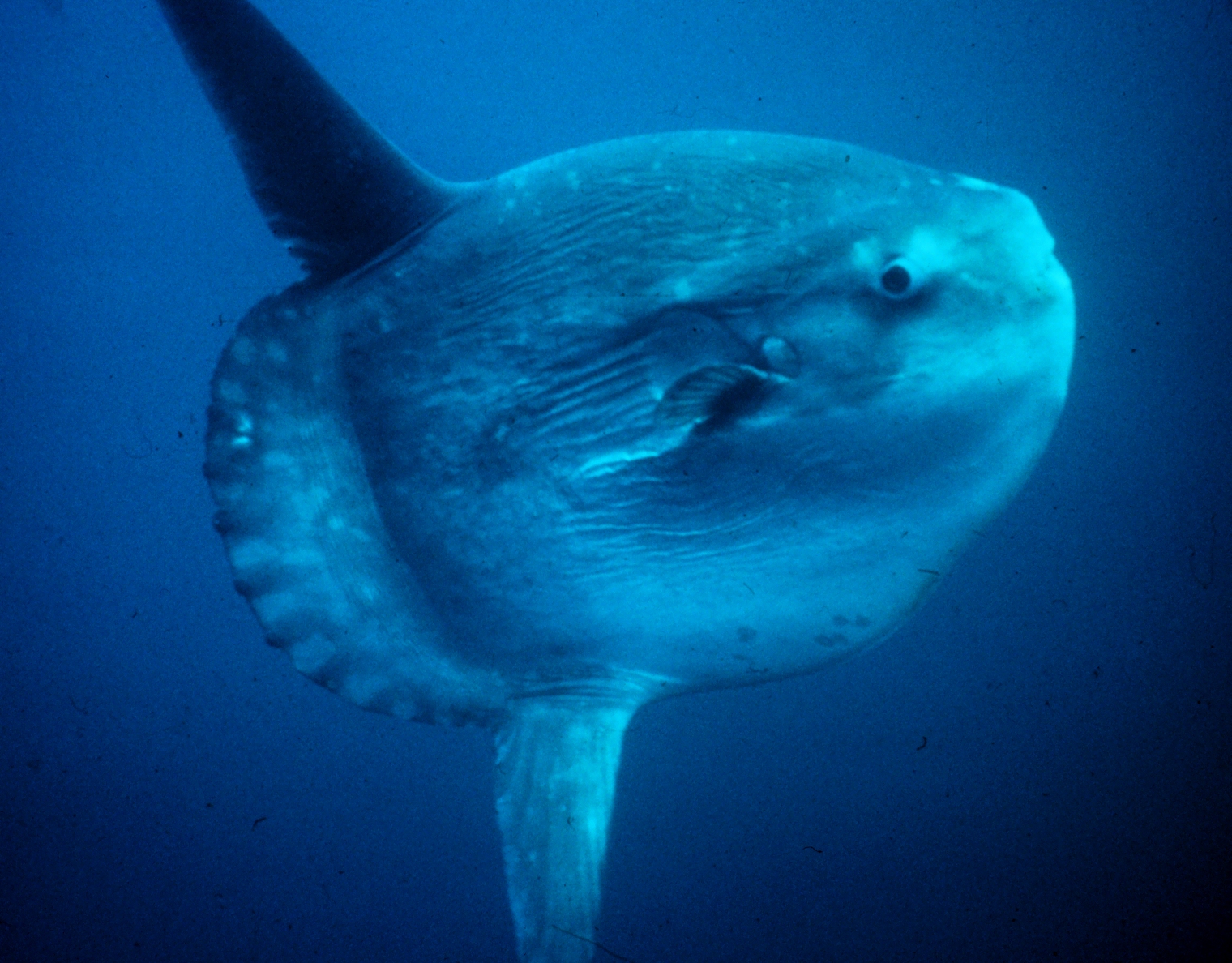
Ocean sunfish
The ocean sunfish is a bony fish that swims by moving the fins above and below its rounded body. Connecting its sideways resting at the surface with feeding in deep water reveals how its unusual body works.
Read the guide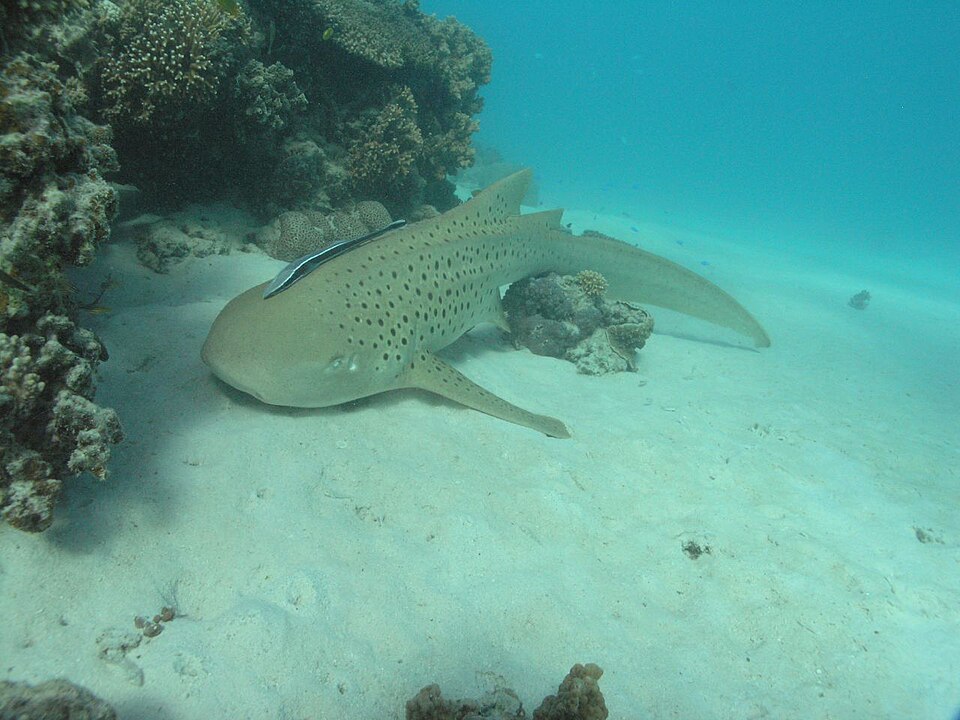
Zebra shark
The zebra shark uses coral reefs and sandy seabeds. Explore how striped young and spotted adults belong to one species, how it breathes while resting on the bottom, and how it reproduces by laying eggs.
Read the guide