
Dog Breeds
Anatolian Shepherd
Anatolian Shepherd
Classification and scientific name: Canis lupus familiaris
Sources checked:
Tall stature, a strong bone structure, a broad head, drooping ears and a thick coat are characteristic
The Anatolian Shepherd is a registered breed related to livestock guardian dog populations of Anatolia in Türkiye. Tall stature, a strong bone structure, a broad head, drooping ears and a thick coat are characteristic.
Origins and distribution
Livestock guardian dog lines of Anatolia, Türkiye
- Anatolian Shepherd Dog
- Livestock guardian dog lines of Anatolia, Türkiye
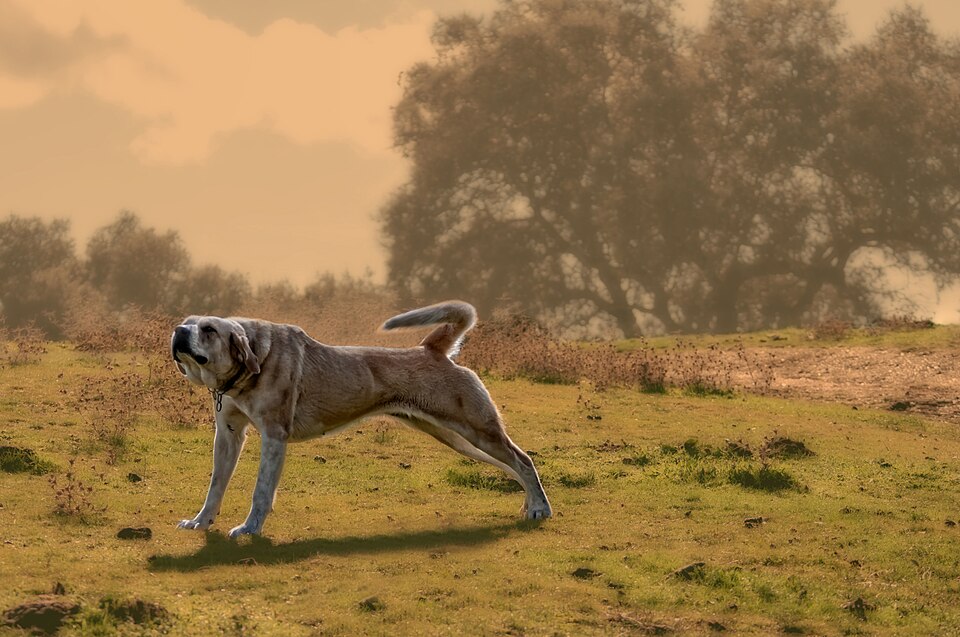
Reference photograph
Reference photograph of an Anatolian Shepherd. Examine this individual’s color and form alongside the identification descriptions in the text.
Source: Steve Slater · Original material · CC BY 2.0
1. Classification, origins and habitat
The Anatolian Shepherd is a registered breed related to livestock guardian dog populations of Anatolia in Türkiye. Registries differ in how they treat names and bloodlines associated with the Kangal, so do not assert that these are always exactly the same breed or entirely unrelated. This entry follows the scope of the AKC’s Anatolian Shepherd Dog and should be understood in terms of guarding alongside a flock rather than herding sheep.
2. Appearance and identification
Tall stature, a strong bone structure, a broad head, drooping ears and a thick coat are characteristic. A fawn body with a dark face is widely recognized, but the registered breed includes variation in coat color and form. The similar Kangal also relates to Anatolian guardian dog lines, but the registered name and scope of each source should be checked separately. Color and a black face alone do not establish a particular registered breed.
The scope of the names Anatolian and Kangal varies by country and registry, so read the names together with the standards when comparing sources. A photograph of a fawn guardian dog with a black face is not evidence that it meets every registration standard. This page shows a representative individual whose actual photograph source identifies it as an Anatolian Shepherd Dog. Observe its substantial bone structure and the shape of the head, ears and body, while recognizing that appearance alone cannot guarantee purebred status or a precise regional bloodline.
3. Behavior and way of life
The breed has a background of being used to watch over flocks and territory and make decisions rather than waiting for every human instruction. Independence does not mean that education is impossible, and watchfulness is not permission for aggressive behavior. Safe socialization and reward-based training help teach rules for entering and leaving shared human spaces and walking on a lead. Introduce approaches by unfamiliar people and other animals at sufficient distance while observing the dog’s actual reactions.
4. Observation, conservation and care
Its great strength and guardian behavior require secure fencing, managed access and experience in handling. Do not assume that leaving it alone in a large yard will meet its needs. Provide walking, exploration and rest suited to growth stage and health, and check its coat, feet and body condition. Distinguish differences in registry names and define the scope of observation according to the specific bloodline information attached to the final photograph.
Evidence and references
- American Kennel Club — Anatolian Shepherd Dog
Breed origins, form, behavioral tendencies and grooming
- Defra — Living environment and welfare of companion dogs
General principles of living space, food, normal behavior, social relationships and responsible care