
Dog Breeds
Cane Corso
Cane Corso
Classification and scientific name: Canis lupus familiaris
Sources checked:
A large muscular body, broad head, relatively short muzzle and dense short coat are characteristic
The Cane Corso developed into a modern registered breed from large Italian dog lines used on farms, for guarding and in varied work. A large muscular body, broad head, relatively short muzzle and dense short coat are characteristic.
Origins and distribution
Italy
- Cane Corso
- Italy
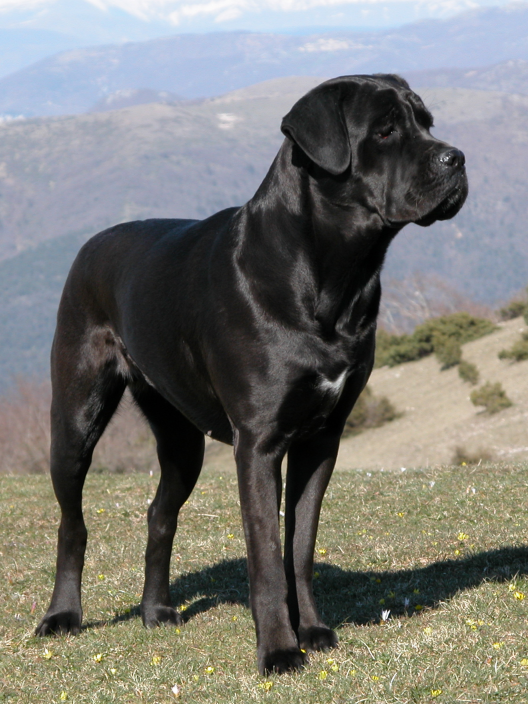
Reference photograph
Reference photograph of a Cane Corso. Examine this individual's color and form alongside the identification descriptions in the text.
Source: Claudio Domiziani · Original material · CC BY-SA 2.5
1. Classification, origins and habitat
The Cane Corso developed into a modern registered breed from large Italian dog lines used on farms, for guarding and in varied work. Stories of ancient war dogs do not directly prove current ancestry or every behavior. Consider modern conservation, selection and companion life together, without judging protective ability or temperament solely by powerful appearance or reputation.
2. Appearance and identification
A large muscular body, broad head, relatively short muzzle and dense short coat are characteristic. Black, gray, fawn and brindle shades occur. Natural form and surgical history can make ears and tails look different; upright ears and a short tail are not essential care requirements. Observe balance among chest, legs and body, not head size alone.
Many familiar photographs show a large head and short gray coat, but black, fawn, brindle and other colors occur. Gray does not mean a particular temperament or another breed. Include naturally hanging ears and a long tail in understanding the breed. Frontal photographs emphasizing an imposing face fail to show actual bodily and leg balance, so consider full-body views and source information; a threatening impression is not evidence of innate emotion or aggression.
3. Behavior and way of life
Some individuals are active, watch their surroundings and learn tasks with people. A guarding history does not mean training aggression toward strangers is acceptable. Comfortable socialization and reward-based training teach safe greetings, lead walking and lowering excitement. Respect the choices and withdrawal space of a strong dog, and manage meetings with other animals according to individual reactions.
4. Observation, conservation and care
Secure fencing, controlled entrances and space for an adult to rest and move comfortably are needed. Even a short coat requires checks of skin, paws, mouth, condition and actual health records. Do not demand excessive force or repeated leaps from growing large dogs. Prepare long-term handling experience and daily training time; an imposing appearance does not guarantee easy management.
Evidence and references
- American Kennel Club — Cane Corso
Breed origins, form, behavioral tendencies and grooming
- Defra — Living environment and welfare of companion dogs
General principles of living space, food, normal behavior, social relationships and responsible care