
Dog Breeds
Leonberger
Leonberger
Classification and scientific name: Canis lupus familiaris
Sources checked:
A large body, broad head, abundant neck hair and dark facial coloring are characteristic
The Leonberger developed in Leonberg, Germany, from several large dog lines. A large body, broad head, abundant neck hair and dark facial coloring are characteristic.
Origins and distribution
Leonberg, Germany
- Leonberger
- Leonberg, Germany
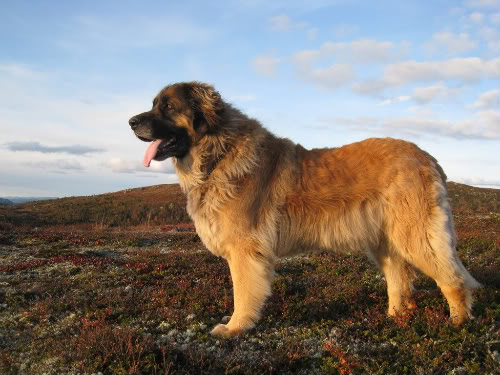
Reference photograph
Reference photograph of a Leonberger. Examine this individual's color and form alongside the identification descriptions in the text.
Source: Kurre92 · Original material · CC BY-SA 4.0
1. Classification, origins and habitat
The Leonberger developed in Leonberg, Germany, from several large dog lines. Distinguish formation stories about a lion-like appearance from actual registration and pedigree records. After farm, companion and working roles, it is now known as a large companion, but famous ancestral combinations or a city's symbol determine neither every individual's appearance nor temperament.
2. Appearance and identification
A large body, broad head, abundant neck hair and dark facial coloring are characteristic. Golden or reddish-brown fur may mix with black hair tips, and the mane's impression varies with sex and age. Separating long-coat volume from the real body reveals large adult structure better. Lion-like fur does not imply separate wildness or special health abilities.
Mane-like neck hair and a dark face are memorable clues, but differ by individual, sex and season. Fur covering the legs can make the real body seem lower. Compare head-to-body proportions and source breed information with other large dogs having similar golden long hair. A pose or water-play photograph shows a moment, not a guarantee that all Leonbergers have identical swimming ability or friendliness.
3. Behavior and way of life
Even when individuals enjoy activity and rest with people, excitement in a large body and unfamiliar encounters require management. Use reward-based training from youth for waiting, safe greetings and lead walking. Enjoyment of water or hauling activities also varies with experience and reactions. The body can unintentionally burden children and small animals, requiring supervision and space to withdraw.
4. Observation, conservation and care
Check tangles in long hair and undercoat and the condition of skin, ears and paws after getting wet. Prepare space and transport arrangements that allow comfortable movement and rest. Do not require growing dogs to haul heavy loads or jump repeatedly; adjust water, shade and activity times during hot periods. Check condition, actual health tests and gait records instead of guaranteeing hardiness from an imposing appearance.
Evidence and references
- American Kennel Club — Leonberger
Breed origins, form, behavioral tendencies and grooming
- Defra — Living environment and welfare of companion dogs
General principles of living space, food, normal behavior, social relationships and responsible care