
Dog Breeds
Tibetan Mastiff
Tibetan Mastiff
Classification and scientific name: Canis lupus familiaris
Sources checked:
A large sturdy body, broad head, thick double coat and abundant neck mane are characteristic
The Tibetan Mastiff is associated with large dog lines that guarded livestock and homes in Tibet and neighboring high-altitude regions. A large sturdy body, broad head, thick double coat and abundant neck mane are characteristic.
Origins and distribution
Tibet and neighboring high-altitude regions
- Tibetan Mastiff
- Tibet and neighboring high-altitude regions
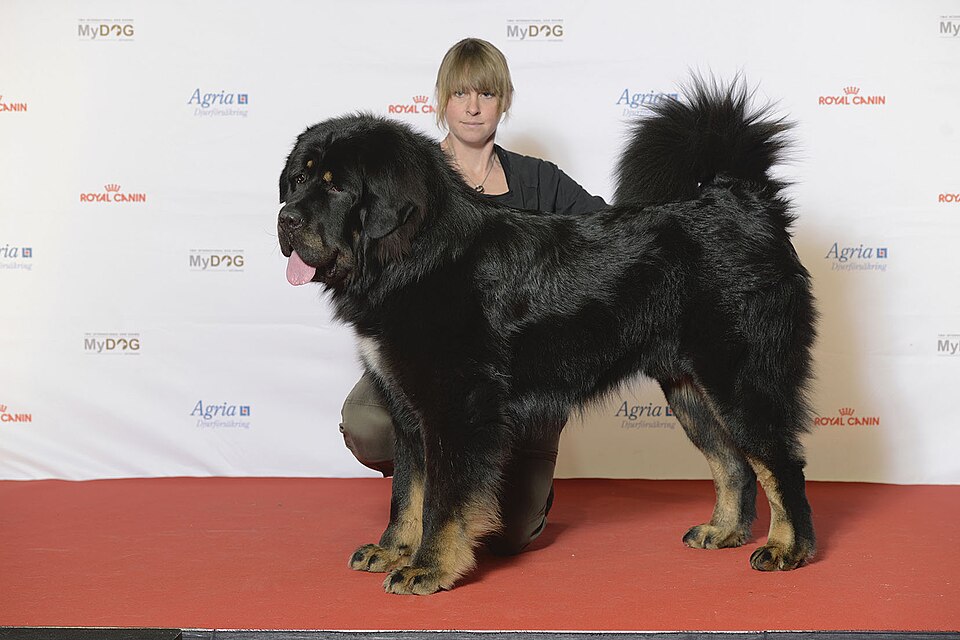
Reference photograph
Reference photograph of a Tibetan Mastiff. Examine this individual's color and form alongside the identification descriptions in the text.
Source: Svenska Mässan from Sweden · Original material · CC BY 2.0
1. Classification, origins and habitat
The Tibetan Mastiff is associated with large dog lines that guarded livestock and homes in Tibet and neighboring high-altitude regions. Do not group modern registered populations and diverse regional dogs into one fixed appearance. Traditions about ancient origins and strength and recent stories of high sale prices differ from scientific breed characteristics and prove neither companion suitability nor health.
2. Appearance and identification
A large sturdy body, broad head, thick double coat and abundant neck mane are characteristic. Colors such as black, tan markings and gold and coat volume vary. Extremely elaborately groomed show photographs can hide the real body, so consider shape and movement beneath the coat too. A lion-like mane does not change its status as a domestic dog breed.
Long neck hair and thick undercoat vary in volume with season, sex and age. Frontal head close-ups and grooming for fullness can amplify a lion-like impression. However, fur volume is not a precise indicator of bodily health or strength. Various colors include black with tan markings and gold; remember that price or glamorous photographs do not prove individual pedigree registration or health.
3. Behavior and way of life
With a livestock-guardian background, some individuals independently observe their surroundings and keep their distance in unfamiliar situations. Do not interpret independence as making education unnecessary; provide safe socialization and reward-based training. Guarding and barking must be considered in residential settings. A comfortable environment allowing withdrawal matters more than deliberately provoking strong guarding reactions.
4. Observation, conservation and care
Prepare secure fencing, controlled entrances and resting space with adult strength and range of movement in mind. Groom long hair and undercoat and check skin and paws, adjusting shade, water and activity times in hot periods. Do not use mountain-origin hardiness as evidence of disease immunity or freedom from care. Check long-term living conditions and handling experience instead of choosing solely for appearance or price.
Evidence and references
- American Kennel Club — Tibetan Mastiff
Breed origins, form, behavioral tendencies and grooming
- Defra — Living environment and welfare of companion dogs
General principles of living space, food, normal behavior, social relationships and responsible care