
Dog Breeds
Afghan Hound
Afghan Hound
Classification and scientific name: Canis lupus familiaris
Sources checked:
A long neck and legs, streamlined body, long flowing coat and abundant hair on the crown are characteristic
The Afghan Hound developed from sighthound lines in Afghanistan and surrounding mountainous and arid regions. A long neck and legs, streamlined body, long flowing coat and abundant hair on the crown are characteristic.
Origins and distribution
Sighthound lines of Afghanistan and neighboring regions
- Afghan Hound
- Sighthound lines of Afghanistan and neighboring regions
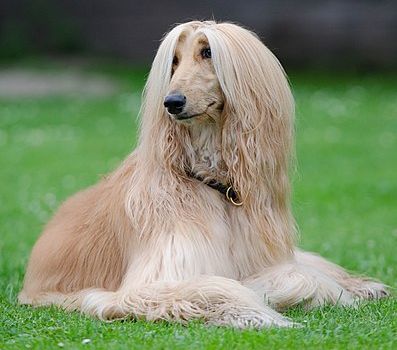
Reference photograph
Reference photograph of an Afghan Hound. Examine this individual's color and form alongside the identification descriptions in the text.
Source: Weaveravel · Original material · CC BY-SA 4.0
1. Classification, origins and habitat
The Afghan Hound developed from sighthound lines in Afghanistan and surrounding mountainous and arid regions. Distinguish traditions about ancient origins from the formation of the modern registered breed. Its image as an elaborately coated show dog coexists with a history of running after fast-moving game seen by sight. Elegant appearance does not mean little need for activity.
2. Appearance and identification
A long neck and legs, streamlined body, long flowing coat and abundant hair on the crown are characteristic. Facial hair is relatively short, and the tail tip may curve like a ring. Coat colors vary, and young dogs look different from the long, abundant adult coat. Observe the lower edge of the long fur separately from the actual outline of body and legs.
Long soft body hair contrasts with relatively short facial hair, while the long hair on the crown seems to frame the head. Fur trailing near the ground can hide the actual foot positions, so movement and a still side view together reveal proportions better. Puppies may look very different before the long adult coat is complete. Elaborate grooming and clothing-like fur are no reason to describe it solely as a decorative companion requiring little exercise.
3. Behavior and way of life
A tendency to pursue visible movement quickly and reactions that set its own distance may appear. Do not interpret independent as unintelligent or impossible to train. Use appealing rewards and short training sessions, introducing unfamiliar touch gradually. Manage meetings with small animals safely with pursuit in mind.
4. Observation, conservation and care
Gently untangle the long coat down toward the skin, and check ears, paws and friction areas for foreign material. Introduce grooming through short comfortable experiences rather than prolonged uncomfortable restraint. Suitable running within secure fencing, walking and scent exploration are needed; do not assume an off-lead dog will return. Adapt the balance of body condition, activity and rest to the individual.
Evidence and references
- American Kennel Club — Afghan Hound
Breed origins, form, behavioral tendencies and grooming
- Defra — Living environment and welfare of companion dogs
General principles of living space, food, normal behavior, social relationships and responsible care