
Large Dogs
Compare working histories and living conditions among dogs with relatively large adult bodies. Hunting, herding and retrieving backgrounds vary, as do strength, activity needs and responses to unfamiliar situations. Neither a large body nor breed reputation guarantees gentleness; consider individual training and a comfortable living environment together.
Published animal profiles
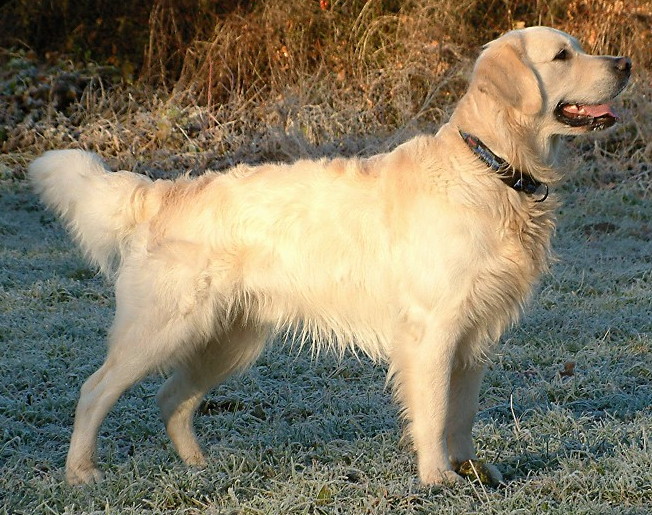
Golden Retriever
The Golden Retriever is a gundog developed in Scotland to retrieve shot birds. Long golden-toned fur, soft ears and feathering on the chest, legs and tail are characteristic.
Read the guide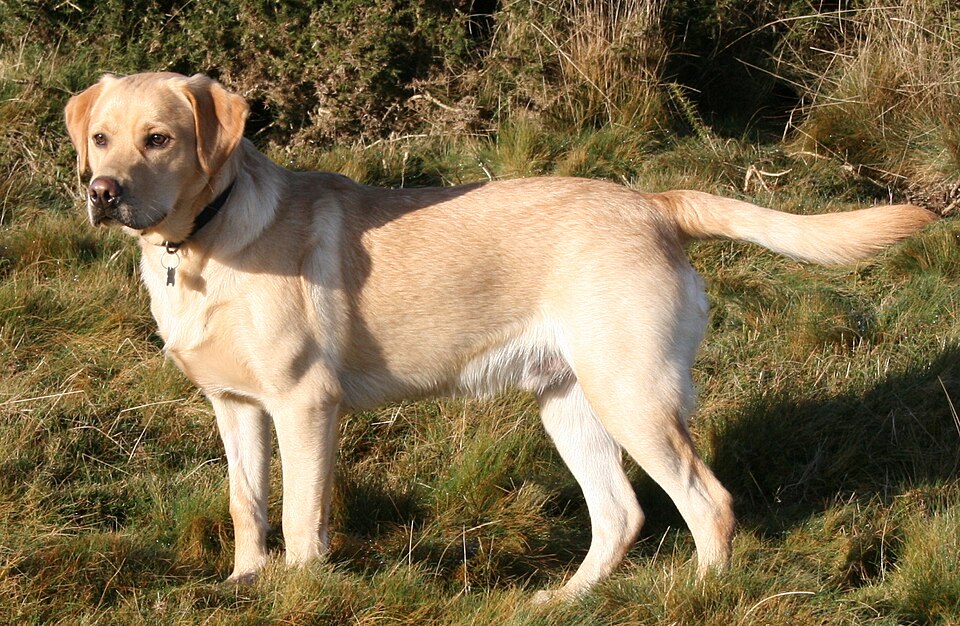
Labrador Retriever
The Labrador Retriever developed from waterside working dog lineages in Newfoundland, Canada, and selection as a gundog in Britain. A short, dense double coat, broad head and thick, tapering otter-like tail are typical.
Read the guide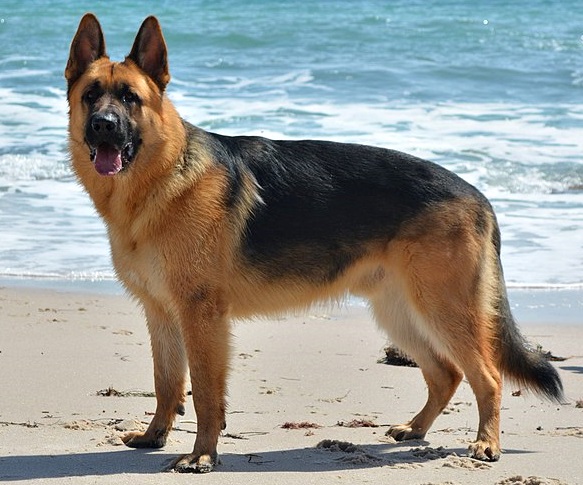
German Shepherd
The German Shepherd was selected for working ability and form from various German herding dogs. A wedge-shaped head, upright ears, long muzzle, firm body and double coat are characteristic.
Read the guide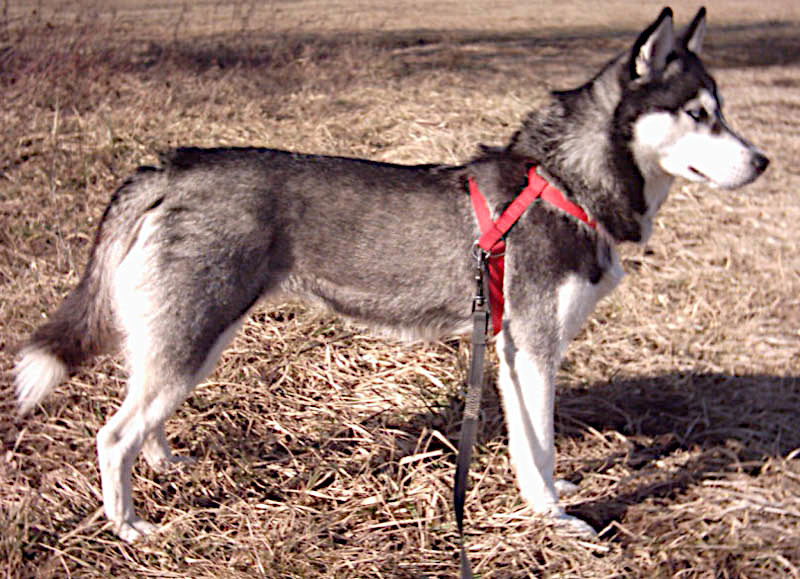
Siberian Husky
The Siberian Husky developed from Northeast Asian sled-dog lines and became associated with modern registration and racing in North America and elsewhere. A thick double coat, upright ears, balanced medium-sized body and bushy tail are characteristic.
Read the guide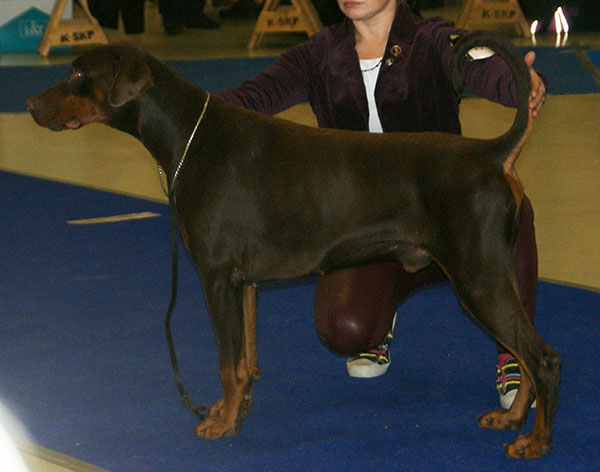
Doberman
The Doberman developed in Germany from several dog lines for guarding and protecting people. A short smooth coat, long legs, firm balanced body and wedge-shaped head are characteristic.
Read the guide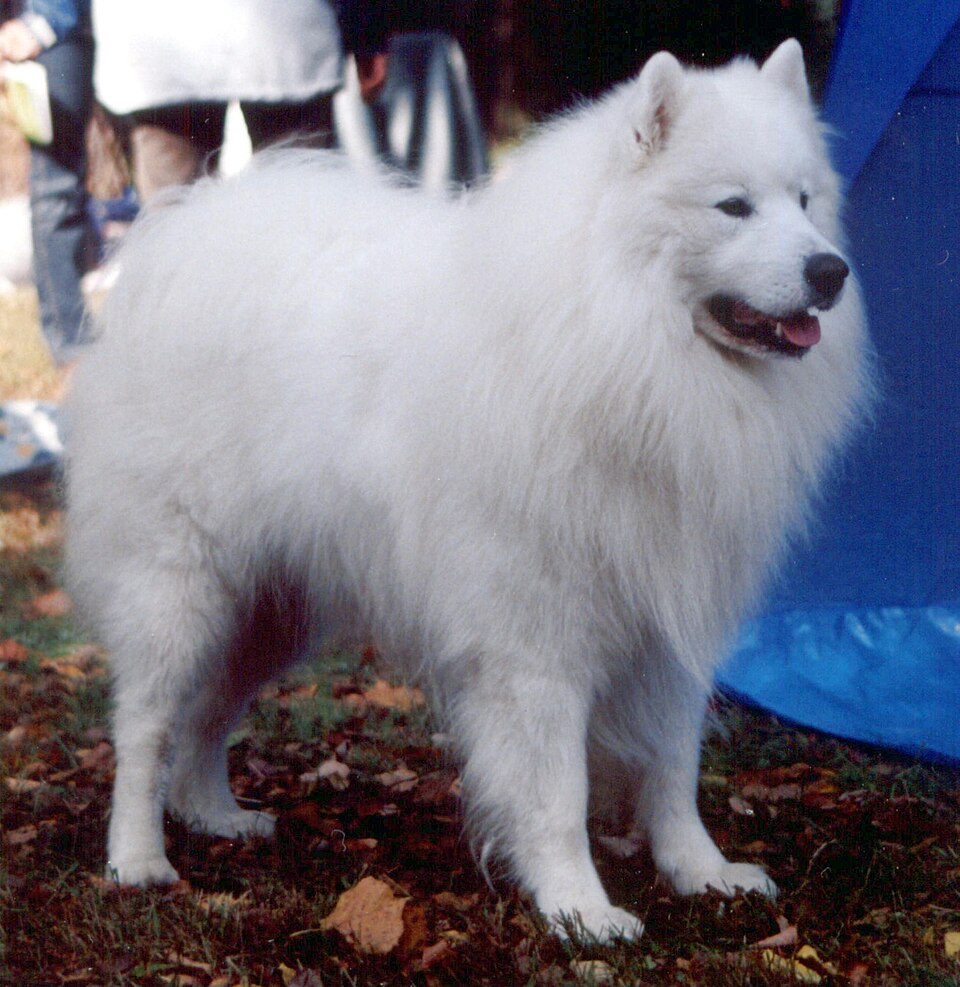
Samoyed
The Samoyed developed from working-dog lines that accompanied people of northern Siberia in travel and livestock management. An abundant double coat in white, cream or biscuit shades, small upright ears and a tail carried toward the back are characteristic.
Read the guide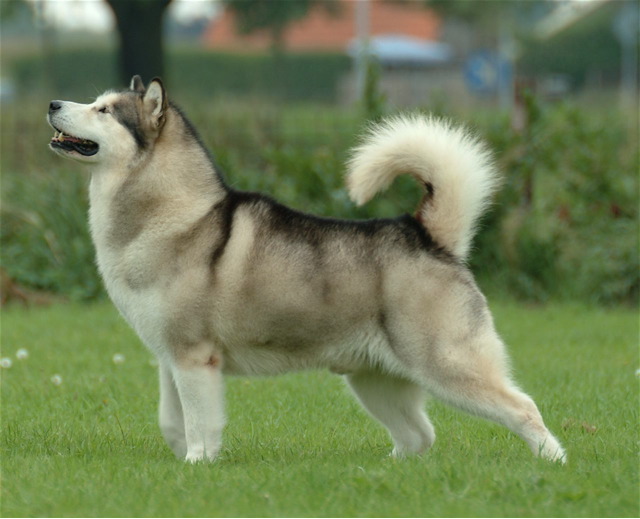
Alaskan Malamute
The Alaskan Malamute developed from sledding and transport working-dog lines associated with Indigenous communities in Alaska. Heavy bone, a broad head, upright ears, a thick double coat and a bushy tail gently carried over the back are characteristic.
Read the guide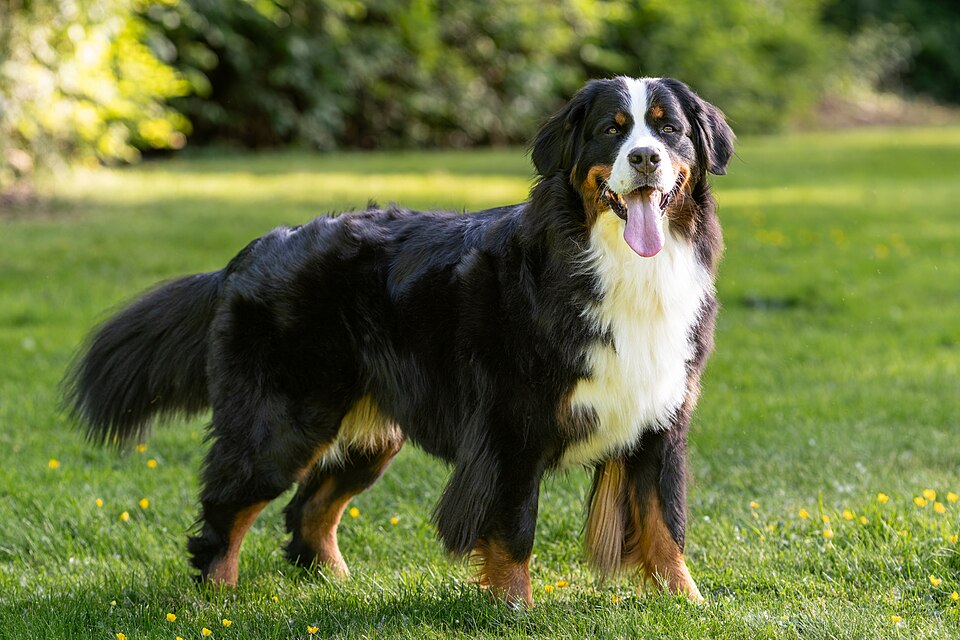
Bernese Mountain Dog
The Bernese Mountain Dog developed from farm-dog lines in Switzerland's Bern region that performed varied tasks including livestock management, guarding and hauling. A long black coat with tan and white markings, large body, broad head and hanging ears are characteristic.
Read the guide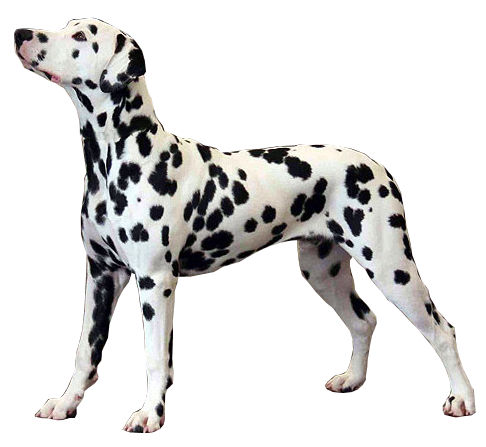
Dalmatian
The Dalmatian is linked to Europe's history of dogs traveling alongside carriages and people, and its name is associated with Dalmatia. A short white coat scattered with black or liver spots and balanced long legs are typical.
Read the guide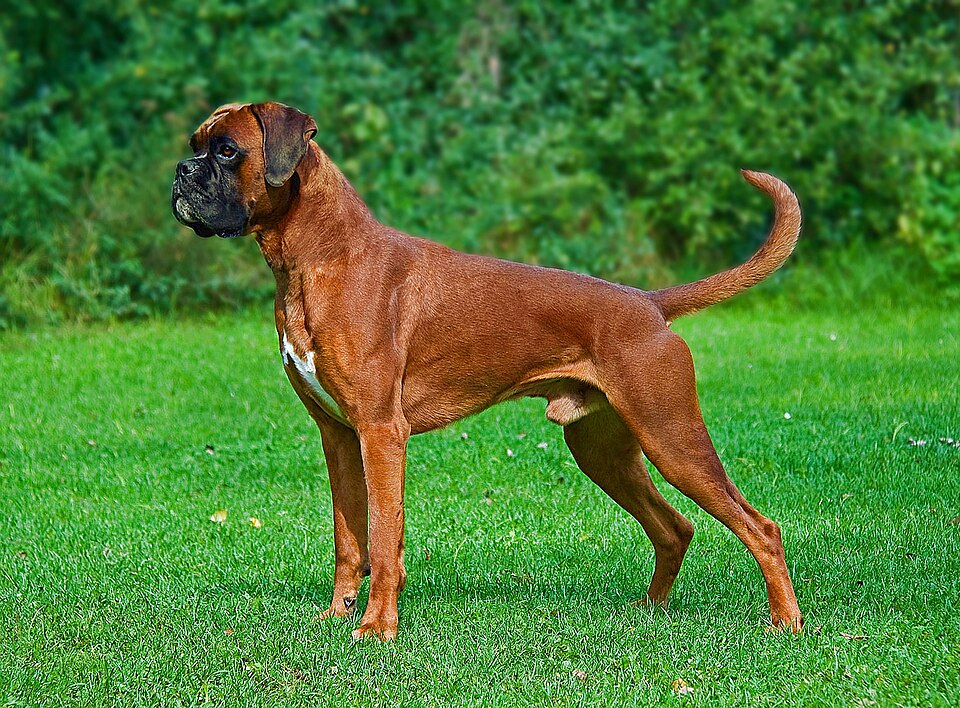
Boxer
The Boxer developed into a modern breed from German dog lines associated with hunting and guarding. A short coat, muscular body, broad head and relatively short muzzle are characteristic.
Read the guide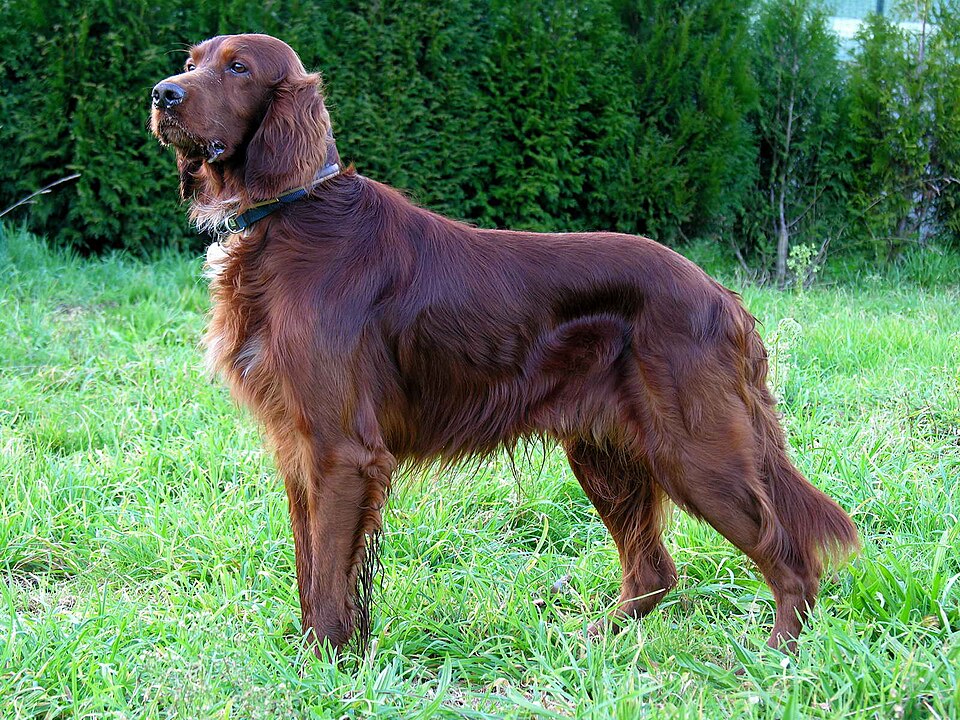
Irish Setter
The Irish Setter developed in Ireland as a hunting dog that located birds and indicated their position. A soft long coat of deep reddish brown, hanging ears, long neck and legs, and a slender body are characteristic.
Read the guide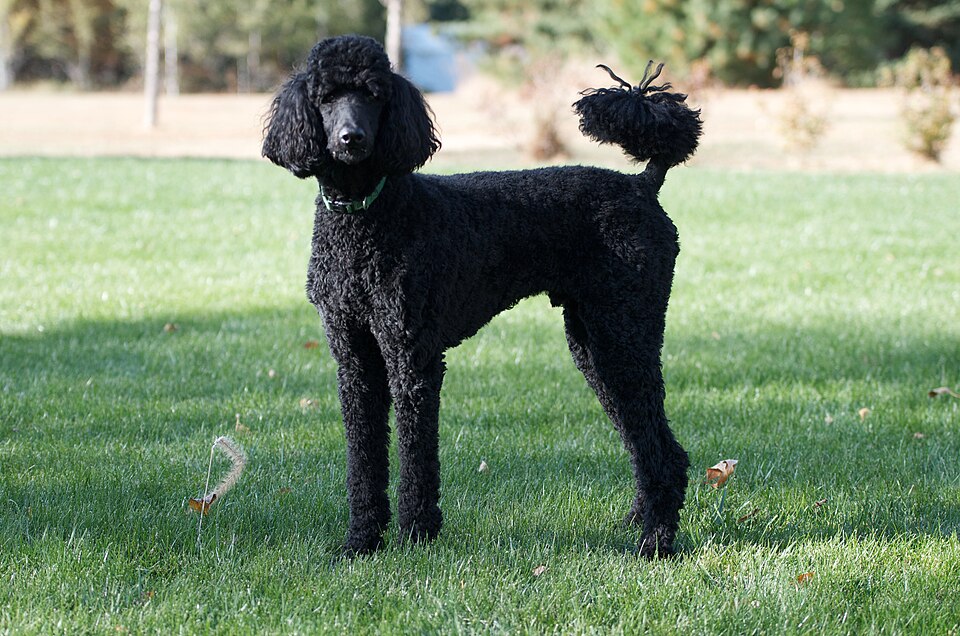
Standard Poodle
The Standard Poodle is the Poodle's large size variety and is linked to the history of dogs retrieving game from water. A dense coat that curls or can be grown in cords, a long muzzle and legs, and a balanced body are characteristic.
Read the guide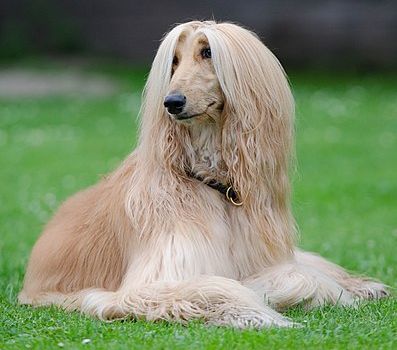
Afghan Hound
The Afghan Hound developed from sighthound lines in Afghanistan and surrounding mountainous and arid regions. A long neck and legs, streamlined body, long flowing coat and abundant hair on the crown are characteristic.
Read the guide