
Dog Breeds
Cavalier King Charles Spaniel
Cavalier King Charles Spaniel
Classification and scientific name: Canis lupus familiaris
Sources checked:
Long, soft ear fringes, feathering on the chest and legs, and relatively large eyes are characteristic features
The Cavalier King Charles Spaniel is connected with the history of small spaniels in the British royal household and developed through modern selection aimed at the form seen in old paintings. Long, soft ear fringes, feathering on the chest and legs, and relatively large eyes are characteristic features.
Origins and distribution
United Kingdom
- Cavalier King Charles Spaniel
- United Kingdom
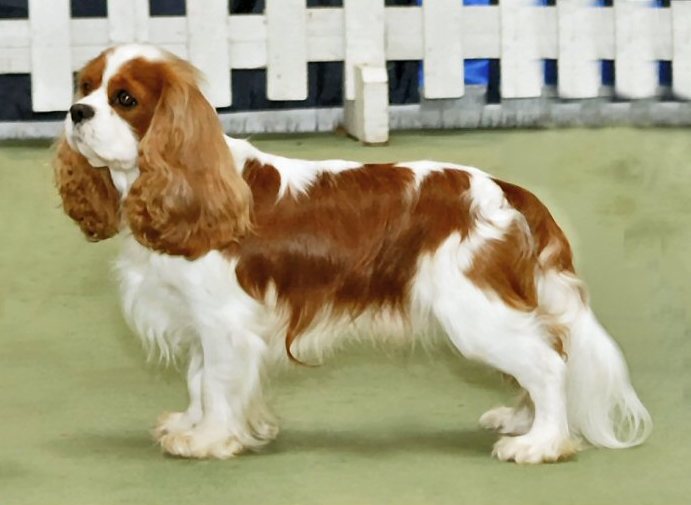
Reference photograph
Reference photograph of a Cavalier King Charles Spaniel. Examine the individual’s color and shape alongside the identification notes in the text.
Source: Andreweatock · Original material · CC BY-SA 3.0
1. Classification, origins and habitat
The Cavalier King Charles Spaniel is connected with the history of small spaniels in the British royal household and developed through modern selection aimed at the form seen in old paintings. The modern Cavalier and the shorter-faced King Charles Spaniel are not treated as the same registered breed. Stories about a particular king’s affection must be read separately from the pedigree and health of present-day individuals.
2. Appearance and identification
Long, soft ear fringes, feathering on the chest and legs, and relatively large eyes are characteristic features. Colors include reddish-brown markings on a white background, tricolor, ruby, and black and tan. Hanging ears and a soft expression are features to observe, but an impression of soulful eyes is not an indicator for judging health or temperament. Look at the proportions of the nose and head as well.
Color names are used: Blenheim refers to reddish-brown markings on white, tricolor to black, white and tan, and ruby to a solid reddish-brown coat. These are coat-color distinctions within a breed, rather than names for different wild species. Even when ear fringes frame the face, muzzle length can be observed separately. The similarly named King Charles Spaniel has a different current breed registration, so check the exact breed name along with the proportions of the head and muzzle.
3. Behavior and way of life
Although known as a companion dog that lives closely with people, it is inaccurate to describe it as having no aggression or as a dog anyone may pick up. Watch the individual’s choices and fatigue, and provide space to decline contact. A small spaniel still needs exploration and play, so offer both time resting on a person’s lap and time moving and sniffing.
4. Observation, conservation and care
Check the ears, long coat and skin, and introduce grooming gradually. Breed-related health information should be checked through actual examinations and individual records rather than the fame of a pedigree. If the dog tires easily on walks or its breathing or movement changes, do not interpret this only as a relaxed temperament. Adjust daily life and exercise with a veterinarian according to age and physical condition.
Evidence and references
- American Kennel Club — Cavalier King Charles Spaniel
Breed origins, appearance, behavioral tendencies and grooming
- Defra — Dog welfare and living conditions
General principles for living space, food, normal behavior, social relationships and responsible care