
Dog Breeds
Toy Poodle
Toy Poodle
Classification and scientific name: Canis lupus familiaris
Sources checked:
A dense, curly coat, a relatively long muzzle and hanging ears are characteristic features
The Toy Poodle is a small size variety of the Poodle. A dense, curly coat, a relatively long muzzle and hanging ears are characteristic features.
Origins and distribution
Developed from German hunting dogs, with further breeding and a companion-dog tradition in France
- Toy Poodle
- Developed from German hunting dogs, with further breeding and a companion-dog tradition in France
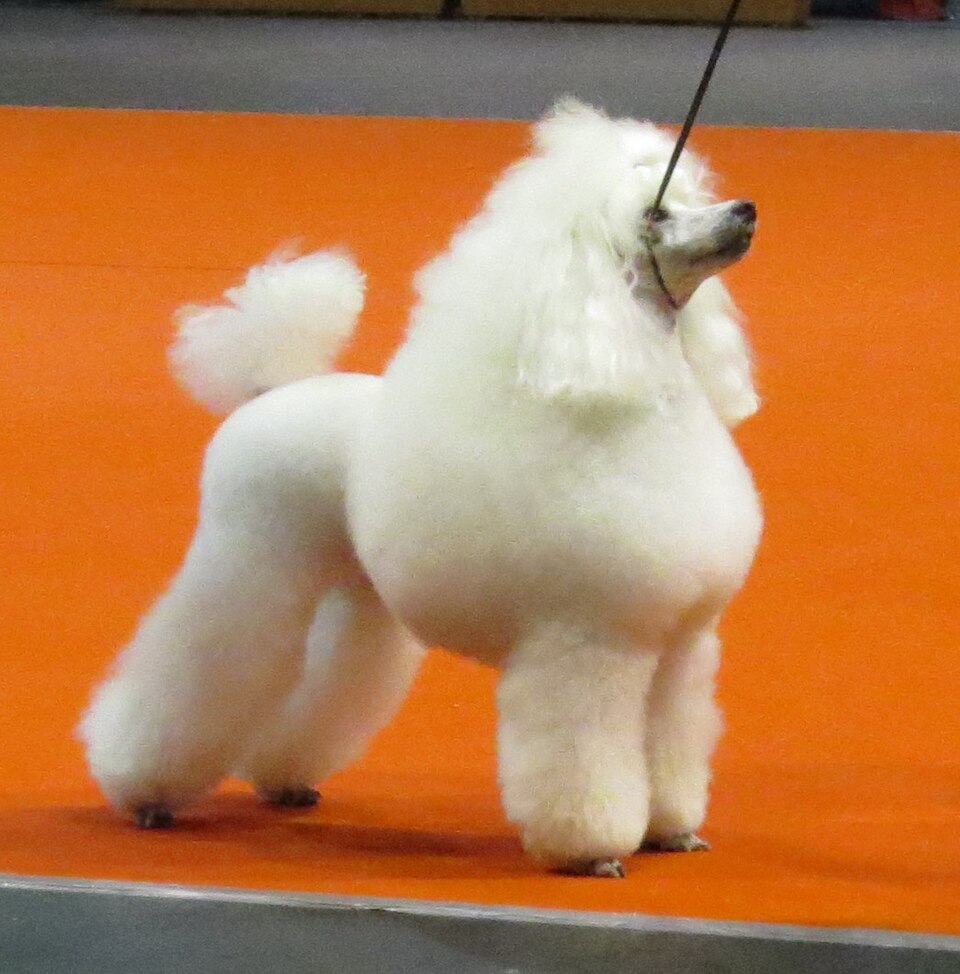
Reference photograph
Reference photograph of an individual identified as a Toy Poodle. Size varieties and grooming styles differ even within the Poodle breed, so examine it separately from a Standard Poodle.
Source: Томасина · Original material · CC BY-SA 3.0
1. Classification, origins and habitat
The Toy Poodle is a small size variety of the Poodle. The Poodle’s ancestry is associated with dogs that retrieved game from water, and its history is discussed in relation to both Germany and France. The small Toy developed as a companion dog; it is not a completely separate wild species from the larger Standard. The number of size varieties and their definitions differ between registries, so distinguish a name from the dog’s actual registration.
2. Appearance and identification
A dense, curly coat, a relatively long muzzle and hanging ears are characteristic features. The coat comes in several colors, and a rounded haircut or a particular show trim is not an inborn body structure. Clipping the body coat short makes the proportions of the legs and torso easier to see. A tendency to shed little is different from a guarantee that nobody will have an allergic reaction.
The Toy size designation does not change the basic structure of the Poodle’s curly coat and active body. Photographs of a short trim reveal slender, long legs and a long muzzle, while a rounded trim can give the same dog a toy-like appearance. Sales terms such as “teacup” or nicknames emphasizing color do not replace recognized size varieties. When comparing photographs of different grooming styles, look at the actual positions of the head, torso and legs rather than only the outline of the coat.
3. Behavior and way of life
Many individuals enjoy movement and learning with people, and can appear active for their small size. Do not treat an intelligence ranking as an absolute ability score or describe the dog as automatically understanding its caregiver’s thoughts. Short reward-based training sessions, scent searches and toy play can provide opportunities for interaction; pay attention to both the individual’s concentration and its need for rest.
4. Observation, conservation and care
Curly hair can become matted close to the skin, so help the dog become accustomed to brushing and grooming as part of everyday life. Rather than forcibly holding it for a long time, gradually increase the areas you touch and associate handling with comfortable experiences. Small Toy Poodles also need walks and safe exploration, and differences in body size matter when meeting larger dogs. Adjust food and activity to the dog’s current age and physical condition.
Evidence and references
- American Kennel Club — Toy Poodle
Breed origins, appearance, behavioral tendencies and grooming
- Defra — Dog welfare and living conditions
General principles for living space, food, normal behavior, social relationships and responsible care