
Dog Breeds
Pomeranian
Pomeranian
Classification and scientific name: Canis lupus familiaris
Sources checked:
A profuse double coat, small upright ears and a tail carried over the back are characteristic features
The Pomeranian is a breed selected as a small companion dog from northern European Spitz ancestry. A profuse double coat, small upright ears and a tail carried over the back are characteristic features.
Origins and distribution
Spitz ancestry associated with Pomerania in northern Europe
- Pomeranian
- Spitz ancestry associated with Pomerania in northern Europe
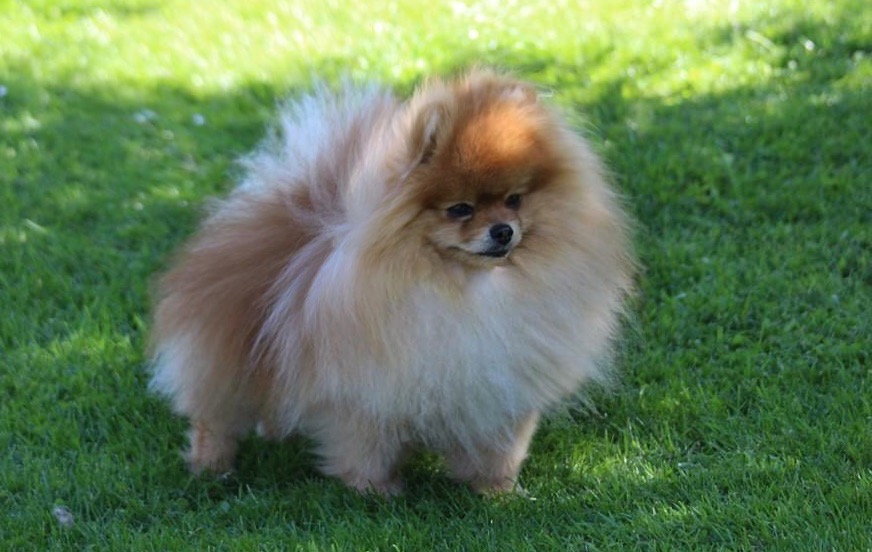
Reference photograph
Reference photograph of a Pomeranian. Compare the individual’s color and shape with the identification notes in the text.
Source: Kardashianpoms · Original material · CC BY-SA 4.0
1. Classification, origins and habitat
The Pomeranian is a breed selected as a small companion dog from northern European Spitz ancestry. The historical region called Pomerania does not correspond exactly to present-day borders, and is associated with areas of Germany and Poland. Although the breed became widely known through the British royal family’s interest, do not describe it as a dog originally created exclusively for royalty. Selection for small size and the spread of the breed can be considered separately.
2. Appearance and identification
A profuse double coat, small upright ears and a tail carried over the back are characteristic features. In addition to orange, coat colors include white, black and cream. A rounded teddy-bear haircut is a human-created trim that can obscure the natural shapes of the muzzle and ears. Distinguishing the volume of the coat from the actual body helps explain the build of a small adult.
A growing Pomeranian may look slimmer because its adult undercoat and ruff are less developed. Seasonal shedding, age and grooming all change the impression a photograph gives. Do not automatically classify rounded teddy-bear faces and longer, fox-like faces as different breeds. The volume of the coat can hide the actual positions of the small body and upright ears, so a full-body photograph and the dog’s age when it was taken can be helpful.
3. Behavior and way of life
This is an active companion dog that watches its surroundings and responds to sounds and movement. Barking varies with circumstances and experience, including alertness, excitement and requests, so do not conclude that small size means constant barking. The dog needs opportunities to sniff and rest independently as well as time playing with people. A confident appearance does not mean that approaching an unfamiliar large dog is safe.
4. Observation, conservation and care
Check the undercoat as well as the outer coat for tangles, especially where friction occurs, and avoid pulling forcefully. Rather than assuming that clipping the coat short resolves every problem with heat, adjust access to shade and water and the timing of activities. Arrange routes around the home so the small dog does not need to jump down from high places, and help it become comfortable with gentle handling rather than forceful contact.
Evidence and references
- American Kennel Club — Pomeranian
Breed origins, appearance, behavioral tendencies and grooming
- Defra — Dog welfare and living conditions
General principles for living space, food, normal behavior, social relationships and responsible care