
Dog Breeds
Italian Greyhound
Italian Greyhound
Classification and scientific name: Canis lupus familiaris
Sources checked:
A deep chest and tucked-up abdomen, long legs and a long, slender neck, and a short, smooth coat are characteristic features
The Italian Greyhound developed from old small sighthound ancestry and European companion-dog culture. A deep chest and tucked-up abdomen, long legs and a long, slender neck, and a short, smooth coat are characteristic features.
Origins and distribution
Small sighthound ancestry from the Mediterranean and Italy
- Italian Greyhound
- Small sighthound ancestry from the Mediterranean and Italy
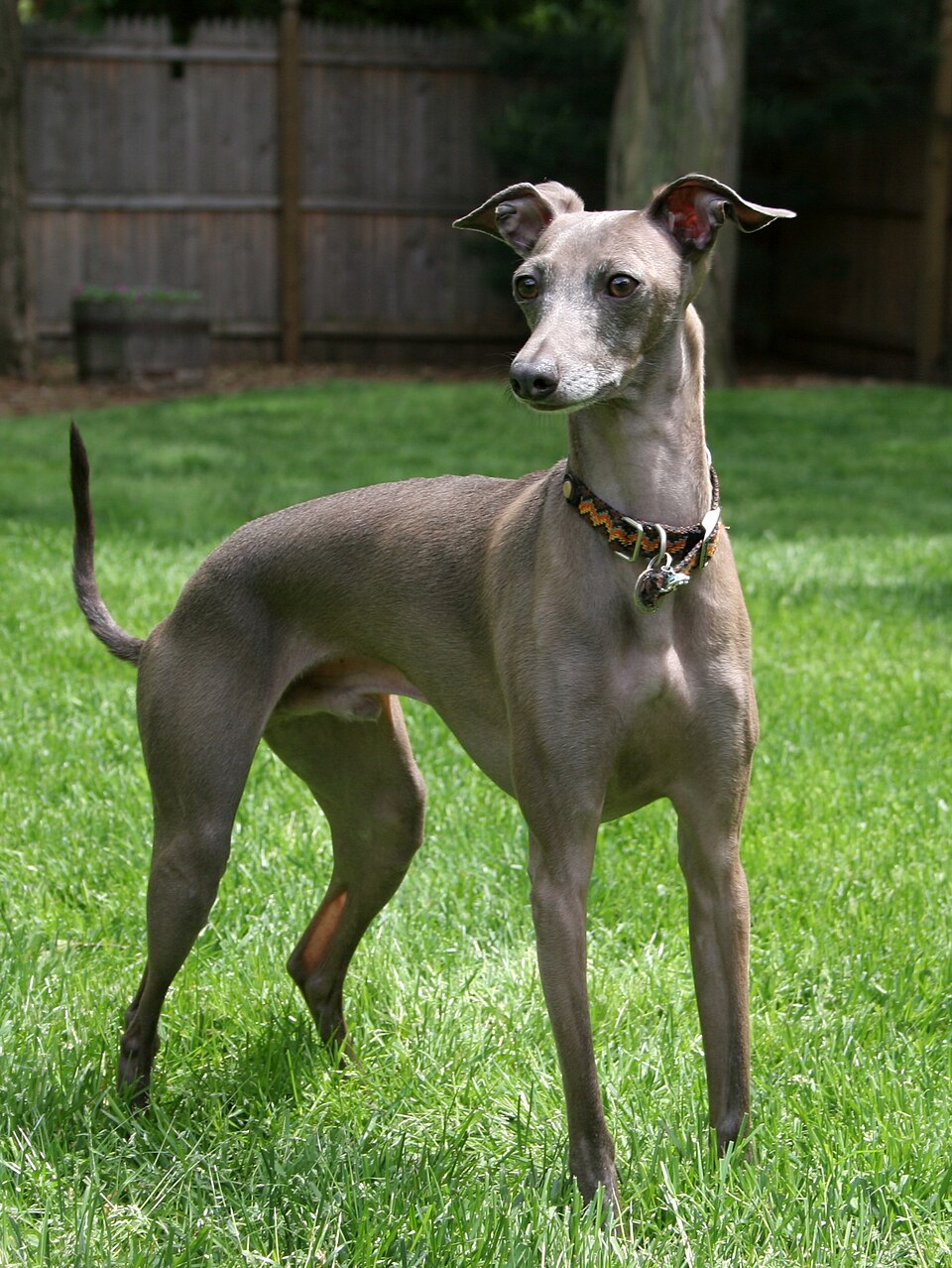
Reference photograph
Reference photograph of an Italian Greyhound. Examine the individual’s color and shape alongside the identification notes in the text.
Source: christina · Original material · CC BY 2.0
1. Classification, origins and habitat
The Italian Greyhound developed from old small sighthound ancestry and European companion-dog culture. Although its name is connected with Italy, it is difficult to establish every ancient origin as an exact place and year. It is better to examine its separate history of selection as a small dog and its registration than to describe it as a new breed produced simply by scaling down a large Greyhound.
2. Appearance and identification
A deep chest and tucked-up abdomen, long legs and a long, slender neck, and a short, smooth coat are characteristic features. The structure of a running sighthound is visible even in its small body. A photograph alone cannot establish whether a lean appearance is a body shape within the normal range or a sign of inadequate nutrition. Distinguishing clothed views from views revealing the whole body makes the proportions easier to see.
The side profile running from a small head through a long neck and deep chest to a tucked-up abdomen is useful for observing a sighthound’s body. A slender tail and thin ears also create a different impression from that of small dogs with abundant hair. In photographs of clothing worn in cold weather, the proportions of the chest and waist may be concealed, so do not describe unseen parts by guessing. Despite its resemblance to a large Greyhound, check the exact breed and age information rather than distinguishing them by apparent size in a photograph alone.
3. Behavior and way of life
A tendency to run after moving objects can occur alongside a preference for resting close to people. Do not conclude from a quiet indoor photograph that the dog has no need to run and explore. Consider chasing behavior when meeting small animals and provide opportunities to separate them safely. Teach through short, comfortable experiences with rewards.
4. Observation, conservation and care
With slender legs and a short coat in mind, reduce routes that involve suddenly jumping down from high places, and monitor body temperature and activity in cold periods. A balance of appropriate running and walking in safe spaces and rest is necessary. Do not reduce food excessively to maintain slimness; base care on age, activity and actual body condition.
Evidence and references
- American Kennel Club — Italian Greyhound
Breed origins, appearance, behavioral tendencies and grooming
- Defra — Dog welfare and living conditions
General principles for living space, food, normal behavior, social relationships and responsible care