
🐶
1. History & Origin
Miniature Pinscher has a rich evolutionary history shaped by environmental factors in Worldwide Habitat. Over centuries, it developed unique biological traits suited for survival.

"Miniature Pinscher - Distinctive species features and habitat characteristics."
Miniature Pinscher is a remarkable species native to Worldwide Habitat. Known for its distinct physical structure, ecological significance, and adaptable nature.
Miniature Pinscher has a rich evolutionary history shaped by environmental factors in Worldwide Habitat. Over centuries, it developed unique biological traits suited for survival.
Features a well-balanced physical structure with weight around 4~5 kg and size/height around 25~30 cm. Its coloration and physical morphology reflect its ecological adaptation.
Demonstrates adaptable behavioral traits and sensory awareness in its habitat. Maintains active engagement with its environment and social group.
Requires optimal habitat maintenance including appropriate temperature, humidity, clean hydration/air, and balanced diet for long-term health.
Test your knowledge and learn fun dog facts.
Q. What is a key physical or ecological feature of Miniature Pinscher?
Best suited for spacious, well-managed conservation and habitat environments with proper climate control.

Maltese - Distinctive species features and habitat characteristics.

Toy Poodle - Distinctive species features and habitat characteristics.

Pomeranian - Distinctive species features and habitat characteristics.

Chihuahua - Distinctive species features and habitat characteristics.

Comprehensive owner guide covering home proofing, essential gear selection, vaccination timelines, and crate training.
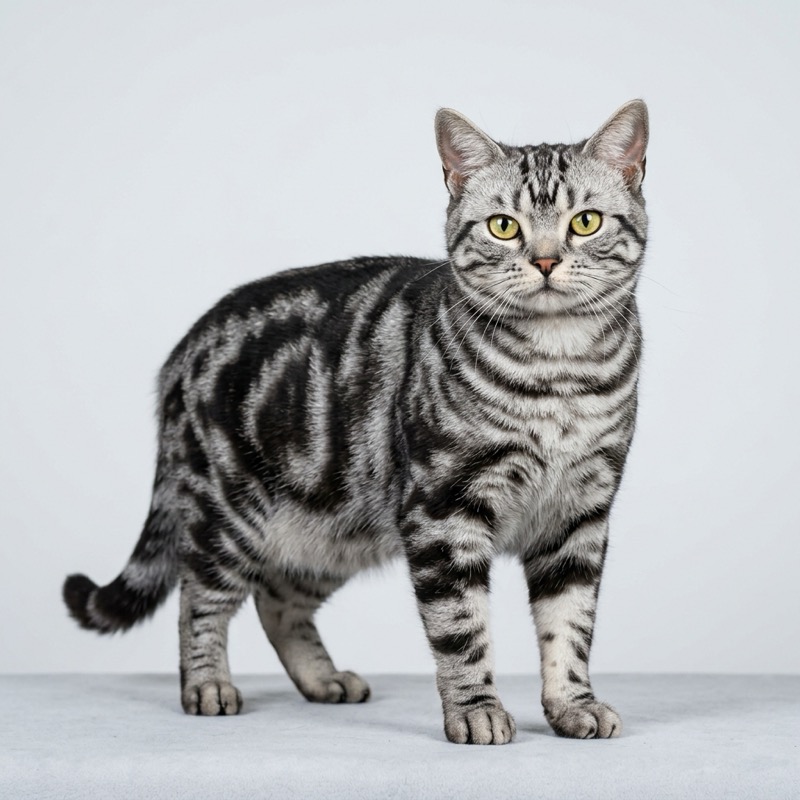
In-depth behavioral guide exploring feline communication from tail flicks and slow blinks to purring mechanisms.

Explore how dogs and cats perceive the world through olfactory neurobiology, oxytocin feedback loops, and sensory receptors in this comparative ethology and neuroscience guide.