
Dog Breeds
Pekingese
Pekingese
Classification and scientific name: Canis lupus familiaris
Sources checked:
A low, compact torso, a short muzzle and broad head, and abundant hair around the neck and chest are characteristic features
The Pekingese is a small dog connected with China’s court companion-dog culture. A low, compact torso, a short muzzle and broad head, and abundant hair around the neck and chest are characteristic features.
Origins and distribution
The companion-dog culture of the court in Beijing, China
- Pekingese
- The companion-dog culture of the court in Beijing, China
Reference photograph
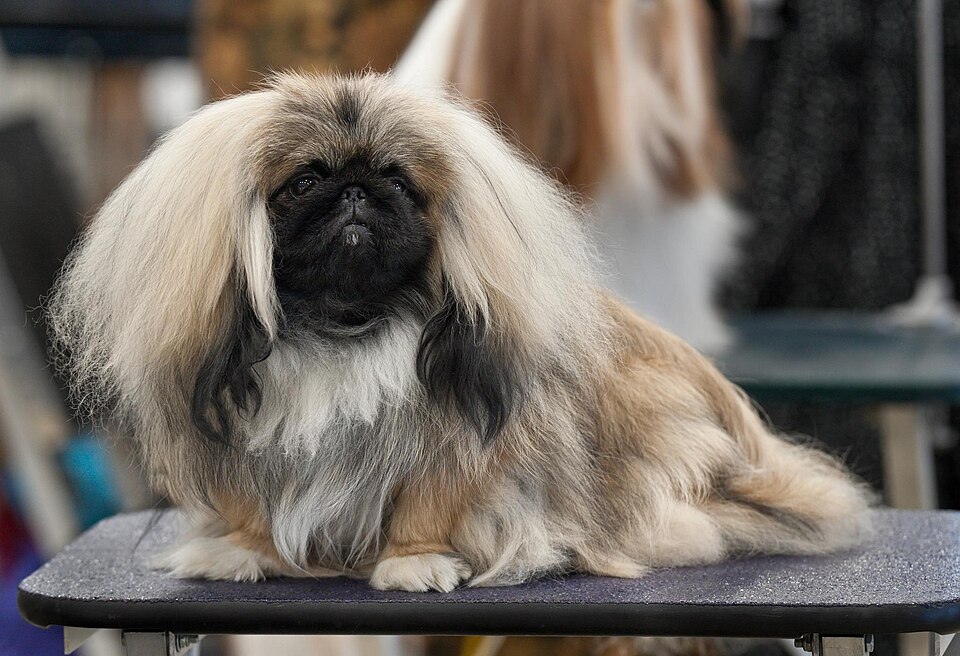
Reference photograph of a Pekingese. Examine the individual’s color and shape alongside the identification notes in the text.
Source: SheltieBoy · Original material · CC BY 2.0
1. Classification, origins and habitat
The Pekingese is a small dog connected with China’s court companion-dog culture. Its name relates to an older Western spelling of Beijing. It is known for its lion-like appearance and stories of the imperial household, but privileges described in traditional accounts must not simply be declared historical facts for every period. Its role can be considered as that of a companion living with people rather than a large working dog.
2. Appearance and identification
A low, compact torso, a short muzzle and broad head, and abundant hair around the neck and chest are characteristic features. Several coat colors occur, and a long show coat may conceal the actual positions of the legs. A dog with a short trim is still the same breed. The lion-like mane is an impression created by the coat, rather than an actual lion’s mane, and comfortable breathing and eyes also need attention.
In a side view, you can consider the form of the broad chest and substantial forequarters together with the short legs and the outline created by long hair. When hair conceals the feet, the points where they meet the ground may appear lower than they really are. The nickname “lion” concerns the impression of a mane and does not mean the dog is wilder than other dogs. A short-trimmed Pekingese is still the same breed, so examine the structure of the head and torso together with breed information from the source, rather than judging by coat length.
3. Behavior and way of life
Some individuals may prefer to choose their distance and rest quietly, but “independent” must not be used as a reason to make them endure contact. A companion dog’s reactions vary with experience, health and environment. Living closely with people does not mean always wanting to be picked up; short reward-based training sessions, walks suited to stamina, and scent exploration are needed.
4. Observation, conservation and care
Gently check areas where the long coat rubs and the area around the eyes, and avoid strenuous activity during hot parts of the day. Pay particular attention to breathing because of the short nose, and do not dismiss sounds of discomfort solely as normal breed characteristics. Provide safe routes and nonslip floors appropriate to the low body and short legs, and do not demand excessive jumping.
Evidence and references
- American Kennel Club — Pekingese
Breed origins, appearance, behavioral tendencies and grooming
- Defra — Dog welfare and living conditions
General principles for living space, food, normal behavior, social relationships and responsible care