
Dog Breeds
Shih Tzu
Shih Tzu
Classification and scientific name: Canis lupus familiaris
Sources checked:
A short muzzle, a rounded head and long hair growing around the face are characteristic features
The Shih Tzu is a breed developed from small dogs of Tibetan ancestry and the companion-dog culture of the Chinese court. A short muzzle, a rounded head and long hair growing around the face are characteristic features.
Origins and distribution
Tibetan ancestry and the companion-dog culture of the Chinese court
- Shih Tzu
- Tibetan ancestry and the companion-dog culture of the Chinese court
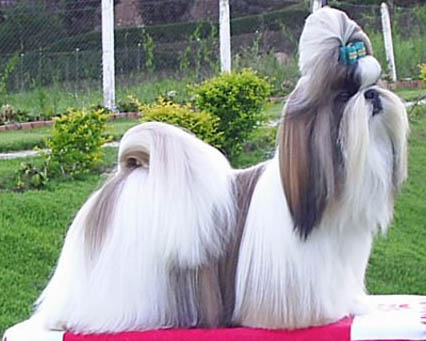
Reference photograph
Reference photograph of a Shih Tzu. Compare the individual’s color and shape with the identification notes in the text.
Source: Canino21 · Original material · Public domain
1. Classification, origins and habitat
The Shih Tzu is a breed developed from small dogs of Tibetan ancestry and the companion-dog culture of the Chinese court. Its name is associated with lions, but its history concerns a small dog living with people rather than a large hunting dog. Court traditions must be distinguished from modern pedigree records, and stories of an emperor’s affection do not explain every present-day individual’s temperament or health.
2. Appearance and identification
A short muzzle, a rounded head and long hair growing around the face are characteristic features. There are several coat colors and markings, and a short trim revealing the eyes looks different from a long show coat. A short nose and exposed eyes should not be described only as cute features; comfort when breathing and around the eyes also needs attention.
The comparison to a chrysanthemum face helps describe hair growing in different directions around the eyes and nose. Tying the hair up or trimming it short reveals more of the eyes and muzzle, making even the same dog look different. Do not treat the Shih Tzu as the same breed as other small dogs such as the Lhasa Apso or Pekingese simply because they have flat faces. Looking at the proportions of the head and muzzle, the length of the torso and the condition of the coat makes the structure in a photograph clearer.
3. Behavior and way of life
Selection as a companion dog can be seen in its interaction with people, but this does not mean it has no aggression or never barks. Allow it to avoid unfamiliar contact, and develop communication through short reward-based training sessions and play. Do not infer from a relaxed photograph that it needs no exercise; provide walks and exploration appropriate to its age and condition.
4. Observation, conservation and care
Check for hair that pokes the eyes or obstructs movement, and for matting close to the skin. In hot weather, consider the breathing demands associated with the short nose and use cooler times of day and shade. Do not dismiss noisy breathing merely as a normal breed sound; consult a veterinarian if the dog shows discomfort during activity. Adjust daily life and grooming to its actual condition.
Evidence and references
- American Kennel Club — Shih Tzu
Breed origins, appearance, behavioral tendencies and grooming
- Defra — Dog welfare and living conditions
General principles for living space, food, normal behavior, social relationships and responsible care