
Dog Breeds
Yorkshire Terrier
Yorkshire Terrier
Classification and scientific name: Canis lupus familiaris
Sources checked:
Adults typically have blue-gray body hair and a tan face and legs; their color can change from the black and tan of puppyhood
The Yorkshire Terrier is associated with terrier ancestry used to catch small rodents in the industrial areas of northern Britain. Adults typically have blue-gray body hair and a tan face and legs; their color can change from the black and tan of puppyhood.
Origins and distribution
Yorkshire and the northern industrial regions of Britain
- Yorkshire Terrier
- Yorkshire and the northern industrial regions of Britain
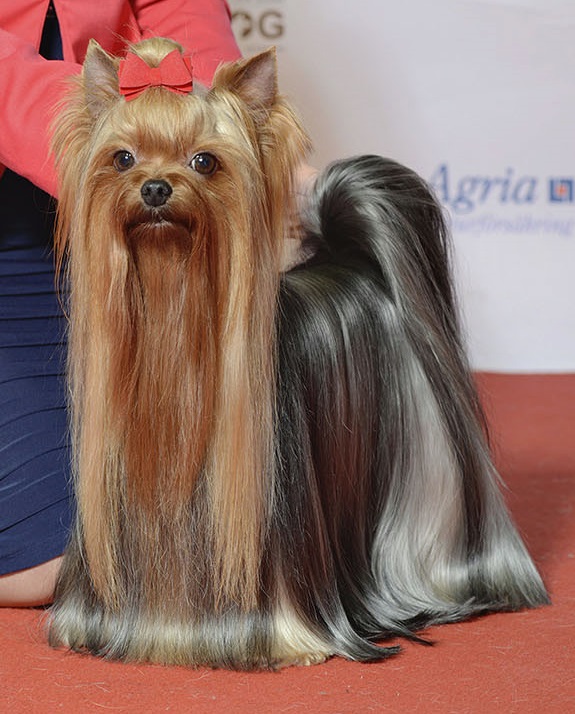
Reference photograph
Reference photograph of a Yorkshire Terrier. Compare the individual’s color and shape with the identification notes in the text.
Source: Svenska Mässan from Sweden · Original material · CC BY-SA 4.0
1. Classification, origins and habitat
The Yorkshire Terrier is associated with terrier ancestry used to catch small rodents in the industrial areas of northern Britain. It later became widely known as a companion dog with long, fine hair. Considering its elegant show appearance alongside its actual working-dog history avoids the impression that this small dog was born merely to be decorative. Its name is associated with the region where the breed developed.
2. Appearance and identification
Adults typically have blue-gray body hair and a tan face and legs; their color can change from the black and tan of puppyhood. Long, straight-growing hair and a short everyday trim are different appearances of the same breed. Consider coat color and length in relation to the dog’s stage of growth, and look at the actual proportions of its small body.
The dark black and tan of a young Yorkshire Terrier can change toward an adult blue-gray color as it grows, making two photographs seem to show entirely different dogs. Long hair parted down the center of the body and falling to both sides shows a show-grooming style. A decoration in a topknot or a short everyday haircut is not an anatomical feature specific to the breed. In photographs, consider changes in coat color, age and the actual positions of the ears, muzzle and legs together.
3. Behavior and way of life
Some individuals are small terriers that monitor surrounding sounds and movement and actively explore. A small body does not remove the need for exercise and learning. Rather than simply interpreting a response as protective, observe the stimulus it reacts to and use reward-based training to develop comfortable behavior. When meeting unfamiliar dogs, consider differences in size and provide opportunities to retreat.
4. Observation, conservation and care
If the coat is kept long, check around the eyes and mouth and areas where friction occurs, such as the armpits. Prioritize comfortable skin and movement over maintaining a particular grooming shape. Reduce routes that require jumping down from high places, and provide walks and play suited to the dog’s fitness. Small dogs also need time to become accustomed to being picked up or touched, as well as a place to rest.
Evidence and references
- American Kennel Club — Yorkshire Terrier
Breed origins, appearance, behavioral tendencies and grooming
- Defra — Dog welfare and living conditions
General principles for living space, food, normal behavior, social relationships and responsible care