
Mammals (Horses)
Akhal-Teke
Akhal-Teke
Classification and scientific name: Equus caballus
Sources checked:
A slender body, long neck and short, smooth coat are characteristic
The Akhal-Teke is a Central Asian horse breed closely associated with Turkmenistan. Modern pedigree records need to be distinguished from the history of older regional horses. A slender body, long neck and short, smooth coat are characteristic. Some colors show a metallic sheen, but not every individual is golden.
Origins and distribution
Turkmenistan
- Akhal-Teke
- Turkmenistan
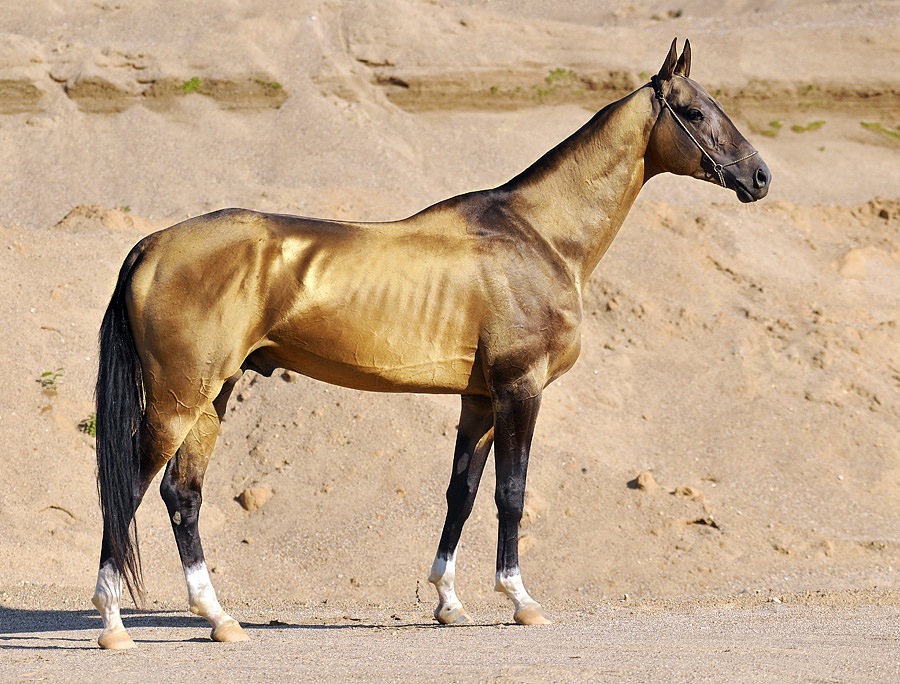
Reference photograph
Reference photograph of an Akhal-Teke horse. Compare the photographed individual's color and form with the identification information in the text.
Source: Artur Baboev - give free of charge right for promouting of Akhal-teke article on Wikipedia · Original material · CC BY-SA 3.0
1. Classification, origins and habitat
The Akhal-Teke is a Central Asian horse breed closely associated with Turkmenistan. Modern pedigree records need to be distinguished from the history of older regional horses.
Reading Central Asian regional horse culture separately from modern registered pedigrees helps distinguish traditions about ancient origins from established records. Although widely known as a symbol of Turkmenistan, the breed is now also raised outside its place of origin. A geographic name and an individual horse's actual birthplace are different information.
2. Appearance and identification
A slender body, long neck and short, smooth coat are characteristic. Some colors show a metallic sheen, but not every individual is golden.
A slender, long neck, elongated body and short, smooth coat stand out. Lighting and coat color affect the metallic sheen; not every individual is golden or shines equally in every photograph. A naturally slender build must not be used to dismiss inadequate nutrition.
3. Behavior and way of life
The breed is used in endurance and riding activities. Its desert-region history should not be expanded into a claim that it can work for long periods without water or feed.
Use in endurance and riding does not mean that desert associations make it an animal that drinks almost no water. Distinguish roles in endurance competitions and exhibitions from an individual's actual training. A single photograph of a horse looking into the distance or appearing tense cannot establish the breed's temperament.
4. Observation, conservation and care
Coat sheen alone cannot establish purebred status. Consider registration documents alongside exercise and recovery records when adjusting the activity environment.
Assess the condition of the short coat and slender body alongside actual feeding and exercise records. Consider temperature, wind and opportunities to drink and recover in the activity environment. Health, comfortable movement, suitable feed and rest are central to care, ahead of products intended to increase shine.
Evidence and references
- Oklahoma State University — Akhal-Teke
Classification, origins, appearance, ecology or breed uses
- Defra — Welfare code for horses and ponies
Suitable surroundings, feed, companionship, training and long-term care responsibilities