
Mammals (Horses)
Andalusian
Andalusian
Classification and scientific name: Equus caballus
Sources checked:
A substantial neck, abundant mane and balanced body are characteristic features
The Andalusian is a riding breed associated with horses of the Iberian Peninsula. Spain's Pura Raza Española registration criteria and the everyday name Andalusian need to be distinguished according to context. A substantial neck, abundant mane and balanced body are characteristic features. Gray is well known, but other coat colors also occur.
Origins and distribution
Spain
- Andalusian
- Spain
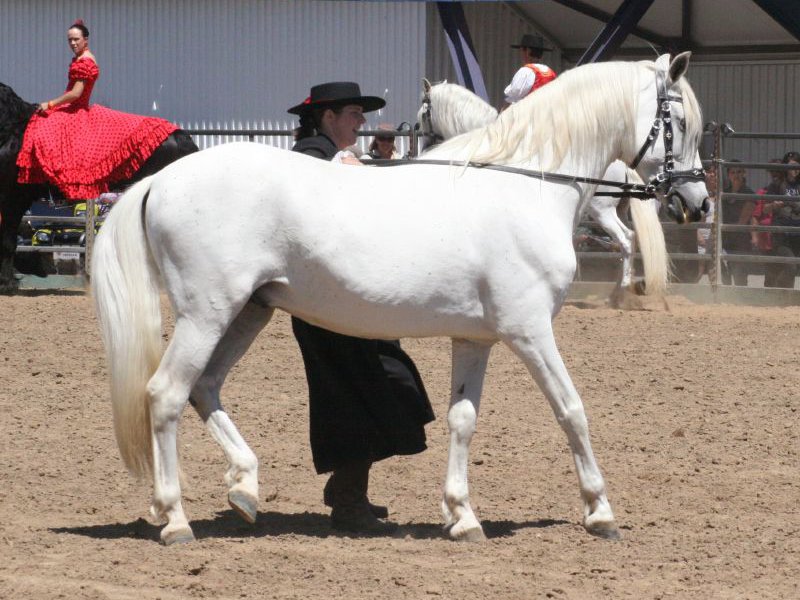
Reference photograph
Reference photograph of an Andalusian horse. Compare the photographed individual's color and form with the identification information in the text.
Source: Just chaos · Original material · CC BY 2.0
1. Classification, origins and habitat
The Andalusian is a riding breed associated with horses of the Iberian Peninsula. Spain's Pura Raza Española registration criteria and the everyday name Andalusian need to be distinguished according to context.
Its background includes Iberian horse culture and the history of court riding. Distinguishing the everyday expression Andalusian from Spanish purebred registration, PRE, clarifies the scope of photo captions and pedigree records. Portugal's Lusitano should be treated separately despite its related history.
2. Appearance and identification
A substantial neck, abundant mane and balanced body are characteristic features. Gray is well known, but other coat colors also occur.
A broad, arched neck and abundant mane create a characteristic impression, although sex and training condition can make a substantial difference. The prevalence of gray adults does not mean all foals are born with white hair. Consider growth stage and the photographed posture when comparing color and form.
3. Behavior and way of life
The breed has been used for dressage and riding. Its historical reputation should not be equated with an individual horse's temperament or trainability.
Its use in dressage and traditional riding reflects a history of selecting and training movements. A scene showing an elevated posture should not be described as a movement the horse constantly performs without human involvement. A controlled posture also reflects the individual horse's training experience and the rider's signals.
4. Observation, conservation and care
When comparing Iberian breeds, distinguish Portugal's Lusitano from Spanish registration names. Adjust activity according to actual training and body condition.
Saddle fit, gait and comfortable movement deserve attention ahead of decorative manes and equipment. Even the appearance of a substantial neck varies with fat accumulation and training, so conformation alone cannot establish health. Activity should suit the individual's current condition.
Evidence and references
- Oklahoma State University — Andalusian
Classification, origins, appearance, ecology or breed uses
- Defra — Welfare code for horses and ponies
Suitable surroundings, feed, companionship, training and long-term care responsibilities