
Mammals (Horses)
Holsteiner
Holsteiner
Classification and scientific name: Equus caballus
Sources checked:
Selection emphasizes muscles and leg structure suited to sport, while coat color and size vary between individuals
The Holsteiner developed in northern Germany. It is a different animal from Holstein dairy cattle, which share a regional name. Selection emphasizes muscles and leg structure suited to sport, while coat color and size vary between individuals.
Origins and distribution
Schleswig-Holstein, Germany
- Holsteiner
- Schleswig-Holstein, Germany
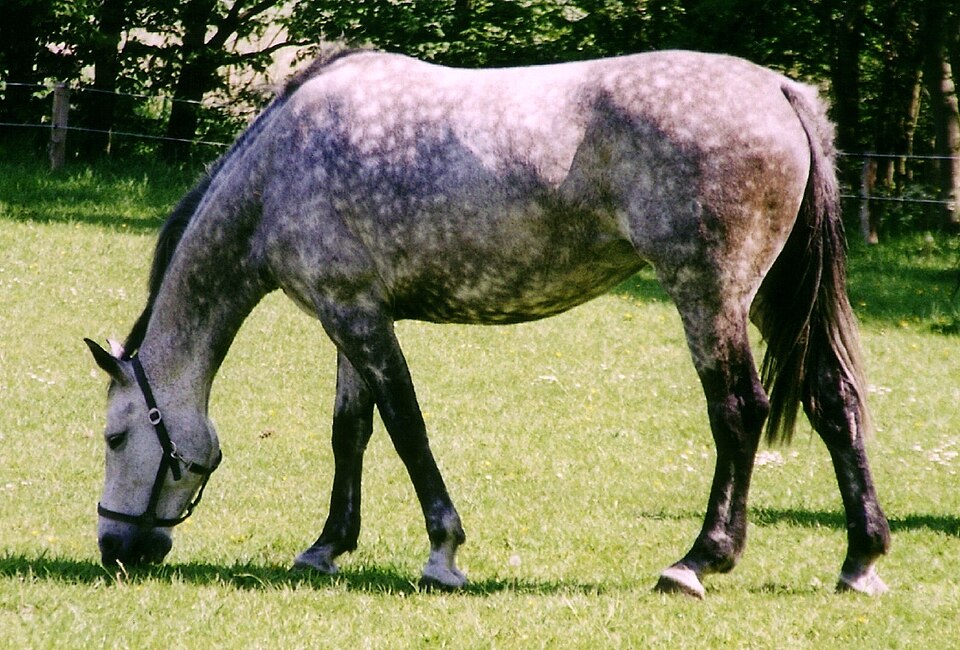
Reference photograph
Reference photograph of a Holsteiner horse. Compare the photographed individual's color and form with the identification information in the text.
Source: Farbenfreude · Original material · CC BY-SA 3.0
1. Classification, origins and habitat
The Holsteiner developed in northern Germany. It is a different animal from Holstein dairy cattle, which share a regional name.
It developed within Schleswig-Holstein's horse-breeding traditions, and modern selection emphasizes sporting ability. Check the animal type in search material to avoid confusion with dairy cattle sharing the regional name. Read regional agricultural history separately from the horse's current sporting use.
2. Appearance and identification
Selection emphasizes muscles and leg structure suited to sport, while coat color and size vary between individuals.
The structure and balance of the body and legs are assessed for sport, but no single appearance is reproduced identically in every individual. Jumps and tack in a photograph provide context for the discipline. Coat color or a mark resembling a brand alone cannot establish registration or actual individual information.
Holsteiner horses and Holstein cattle have similar regional names but are different animals: horses and cattle. Checking the animal type in search results and image files first reduces confusion caused by the names.
3. Behavior and way of life
This warmblood is particularly associated with show jumping. Breed tendencies do not guarantee an individual's jumping ability or safe landings.
Even in a breed well known for show jumping, an individual's jumping height is affected by training, ground conditions and the rider's judgment. Records that made a breed famous differ from the adaptation of a horse starting to learn. Sporting performance and an animal's everyday responses are different measures.
4. Observation, conservation and care
Consider competition records, health examinations and a progressive training plan together. When searching livestock breeds with similar geographic names, check the English name and animal type.
Adjust the number and intensity of repeated jumps to actual ability and recovery. Check current gait, hooves and training records ahead of famous ancestry, and use appropriate equipment. Do not unnecessarily frighten or pressure a horse merely to obtain a photograph of a jump.
Evidence and references
- Holsteiner Verband — Holsteiner
Classification, origins, appearance, ecology or breed uses
- Defra — Welfare code for horses and ponies
Suitable surroundings, feed, companionship, training and long-term care responsibilities