
Mammals (Horses)
Lipizzan
Lipizzaner
Classification and scientific name: Equus caballus
Sources checked:
Light gray coats are common in adults, while foals are often born dark and become lighter as they grow
The Lipizzan is associated with the Lipica stud and Europe's court riding traditions. It is also known through performances at Vienna's Spanish Riding School. Light gray coats are common in adults, while foals are often born dark and become lighter as they grow. Black or brown adults also occur.
Origins and distribution
Central European lines associated with the Lipica stud
- Lipizzan
- Central European lines associated with the Lipica stud
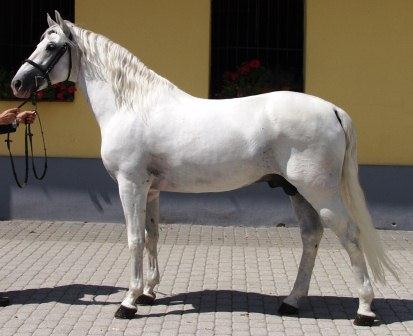
Reference photograph
Reference photograph of a Lipizzan horse. Compare the photographed individual's color and form with the identification information in the text.
Source: AtjanHop · Original material · CC0
1. Classification, origins and habitat
The Lipizzan is associated with the Lipica stud and Europe's court riding traditions. It is also known through performances at Vienna's Spanish Riding School.
Its name relates to Lipica in present-day Slovenia, and its lines have been maintained at several European studs. Horses at a famous riding school represent only part of the breed; not every Lipizzan performs or has received the same training. Distinguish the scope of its history from its present uses.
2. Appearance and identification
Light gray coats are common in adults, while foals are often born dark and become lighter as they grow. Black or brown adults also occur.
Graying as the horse grows differs from albinism, in which pigmentation of the skin is also affected. Comparing photographs of young and adult horses shows the color change clearly, and dark adults also exist. Beyond coat color, observe the solid body, arched neck and proportions of the head and legs.
Gray relates to the process by which hair becomes lighter with age; it does not mean that every horse with white hair and pink skin has the same genotype. Distinguish the color visible in a photograph from the actual colors of the skin and eyes.
3. Behavior and way of life
The breed is used in classical dressage. Advanced movements relate to prolonged, progressive training, rather than an instinctive performance unique to the breed.
Classical dressage movements result from progressive education and physical adaptation. High jumps or postures in photographs should not be described as an inborn performing instinct. Individuals differ in their movements and training stages, and their comfort and recovery need consideration.
4. Observation, conservation and care
Do not mistake differences in coat color between adult and foal photographs for separate breeds. Assess riding suitability through age, training history and health together.
Grooming for the appearance of a light-colored coat and looking after an animal's health are not the same task. Consider body condition, hooves, saddle fit and opportunities for companionship together. Even when viewing exhibition or performance scenes, consider the actual individual's age, training and resting environment.
Evidence and references
- Oklahoma State University — Lipizzan
Classification, origins, appearance, ecology or breed uses
- Defra — Welfare code for horses and ponies
Suitable surroundings, feed, companionship, training and long-term care responsibilities