
Mammals (Horses)
Morgan
Morgan
Classification and scientific name: Equus caballus
Sources checked:
A relatively compact body, powerful neck and balanced legs are characteristic features
The Morgan developed in the United States, with its pedigree history associated with the early stallion Figure. It has served various purposes, including riding and carriage driving. A relatively compact body, powerful neck and balanced legs are characteristic features. Its coat is not limited to one color.
Origins and distribution
United States
- Morgan
- United States
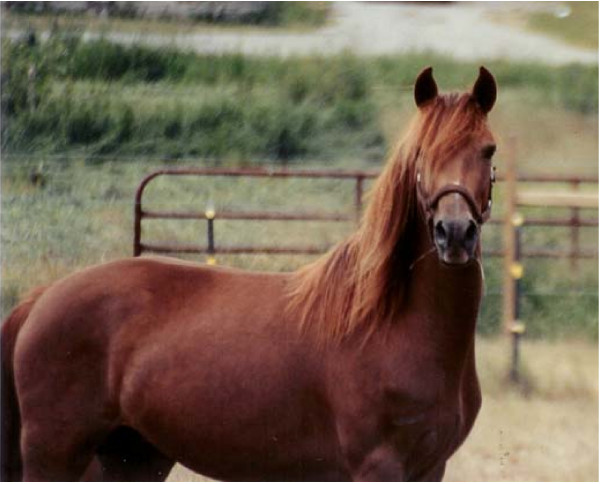
Reference photograph
Reference photograph of a Morgan horse. Compare the photographed individual's color and form with the identification information in the text.
Source: Photo: Anthony Domire JR. · Original material · CC BY 2.0
1. Classification, origins and habitat
The Morgan developed in the United States, with its pedigree history associated with the early stallion Figure. It has served various purposes, including riding and carriage driving.
The pedigree story centered on Figure illustrates one example of American horse breeding. The various uses of an ancestor do not guarantee identical abilities in every modern descendant. Registration records show that multiple lines and purposes have continued within the Morgan breed.
2. Appearance and identification
A relatively compact body, powerful neck and balanced legs are characteristic features. Its coat is not limited to one color.
A relatively compact body, powerful neck and balance in movement are often described as characteristic. Solid colors such as brown or black are common, but more than one color occurs. Driving harness or an elevated posture can alter apparent proportions, so distinguish equipment from anatomical features.
3. Behavior and way of life
Morgans are used for both riding and driving. Versatility does not mean that every individual is equally suited to every discipline.
The breed illustrates a versatile domestic animal used for both riding and driving. An individual has not necessarily learned every discipline, so actual training records need checking. Active interaction with people is also influenced by surroundings and experience; it should not be presented as a fixed temperament of the entire breed.
4. Observation, conservation and care
Distinguish driving records from riding records, and fit equipment to the actual body. Individuals within a breed differ in size and training experience.
Driving harness and riding saddles serve different purposes and distribute pressure differently, so check their fit to the horse. During changes in training, consider both physical and behavioral adaptation, and reassess feed and body condition when activity decreases. The label versatile does not justify excessive work.
Evidence and references
- Oklahoma State University — Morgan
Classification, origins, appearance, ecology or breed uses
- Defra — Welfare code for horses and ponies
Suitable surroundings, feed, companionship, training and long-term care responsibilities