
Mammals (Horses)
Standardbred
Standardbred
Classification and scientific name: Equus caballus
Sources checked:
Several solid coat colors occur, and the body has been selected for racing and pulling a vehicle
The Standardbred developed around performance records and pedigrees for harness racing. It is a separate breed from the Thoroughbred. Several solid coat colors occur, and the body has been selected for racing and pulling a vehicle. Appearance alone makes it difficult to distinguish trotters from pacers.
Origins and distribution
Developed in the United States
- Standardbred
- Developed in the United States
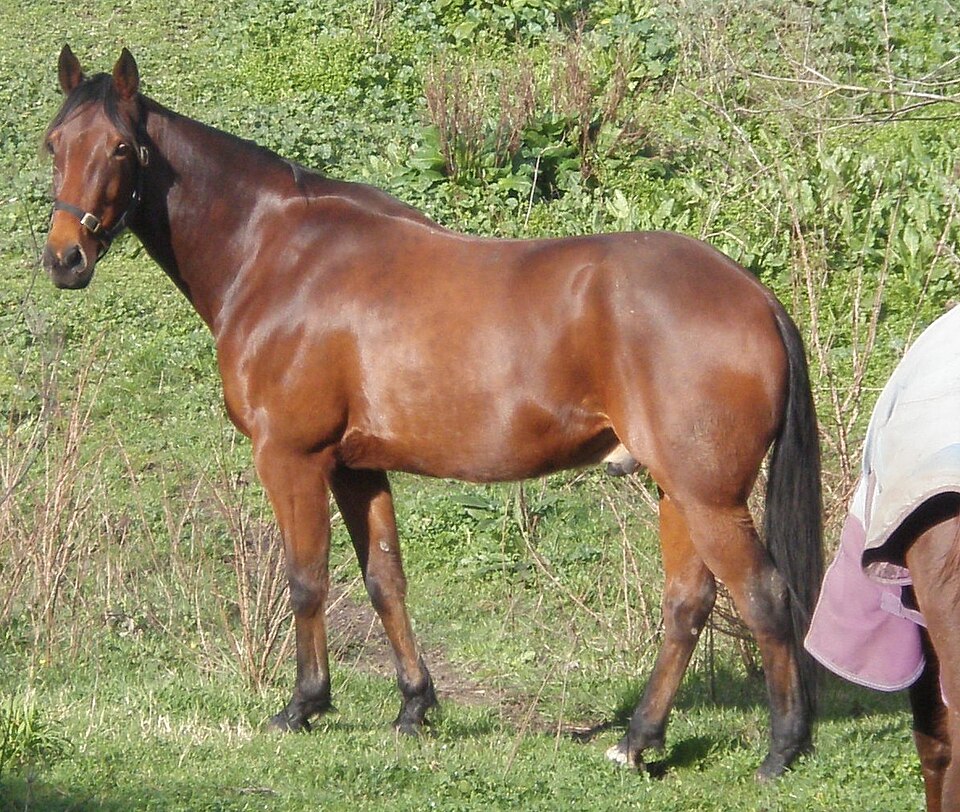
Reference photograph
Reference photograph of a Standardbred horse. Compare the photographed individual's color and form with the identification information in the text.
Source: Izzypie Isabella Marks, AU · Original material · CC BY 3.0
1. Classification, origins and habitat
The Standardbred developed around performance records and pedigrees for harness racing. It is a separate breed from the Thoroughbred.
The breed name derives from historical racing performance standards and pedigree selection. Despite the similar name, its history concerns harness racing and gaits, a different context from that of the Thoroughbred. When reviewing racing records, distinguish a horse carrying a rider from one pulling a small racing vehicle.
2. Appearance and identification
Several solid coat colors occur, and the body has been selected for racing and pulling a vehicle. Appearance alone makes it difficult to distinguish trotters from pacers.
A muscular body and strong legs occur, but appearance alone cannot readily establish whether a horse is a trotter or a pacer. Harness and a small racing vehicle offer clues to the type of competition. Multiple colors, including brown and black, occur; no single color represents the breed's only appearance.
3. Behavior and way of life
Standardbreds are used in trotting and pacing races. Trotting pairs diagonal legs, while pacing pairs the legs on the same side.
A trot moves diagonal pairs of legs, whereas a pace moves same-side pairs. This distinguishes movement patterns; it does not rank horses as better or worse. Some individuals transition to other riding activities after retiring, learning new instructions and surroundings.
4. Observation, conservation and care
When retraining retired racehorses for riding, distinguish racing training records from new tasks. Gait types should not be used to rank a horse's value or temperament.
Distinguish racing aids and equipment from everyday movement. When a retired horse changes to riding, do not assume previous training included every riding cue. Assess hooves, gait, body condition and responses to new training individually.
Evidence and references
- Oklahoma State University — Standardbred
Classification, origins, appearance, ecology or breed uses
- Defra — Welfare code for horses and ponies
Suitable surroundings, feed, companionship, training and long-term care responsibilities