
Reptiles
Explore classification, origins, appearance, behavior, observation and care through the published animal profiles for reptiles.
Browse categories
Published animal profiles
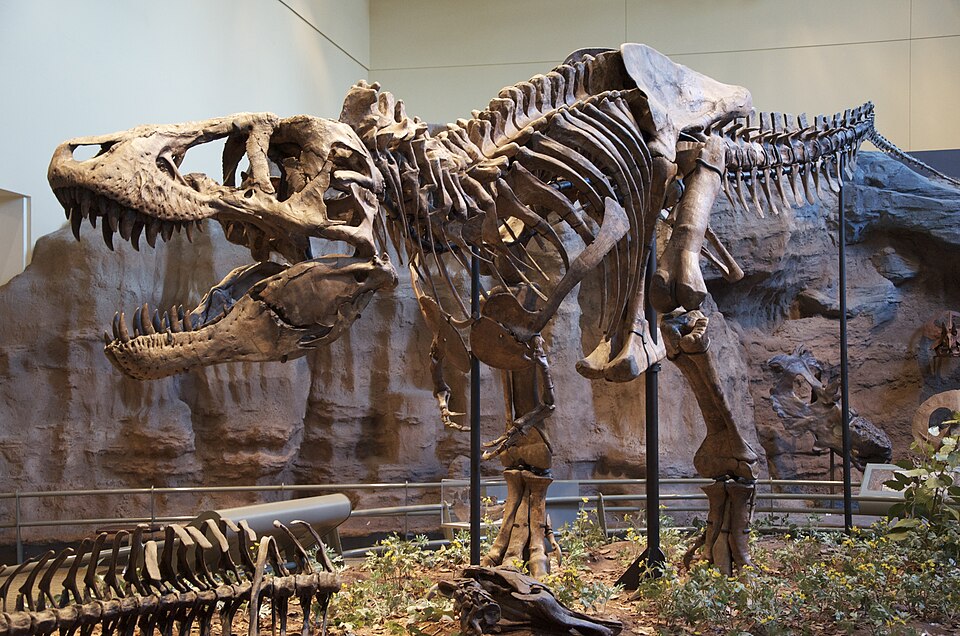
Tyrannosaurus
Reading Tyrannosaurus’s huge jaws and bipedal movement from fossils. Tyrannosaurus rex was a tyrannosaurid theropod living in North America near the end of the Late Cretaceous. Known through bones and teeth from Canada and the United States, it lived at a different time from Jurassic Allosaurus.
Read the guide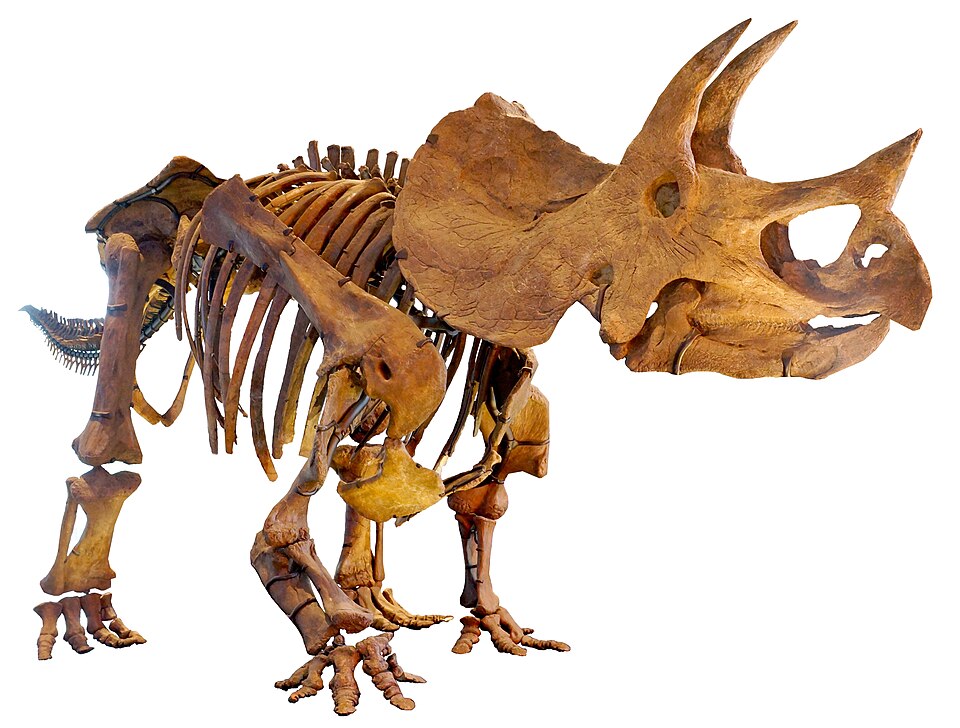
Triceratops
A latest-Cretaceous ceratopsian with three horns and a broad frill. Triceratops was a ceratopsian dinosaur living in Late Cretaceous North America. Its name refers to a three-horned face, taken from the long horns above the eyes and the horn above the nose.
Read the guide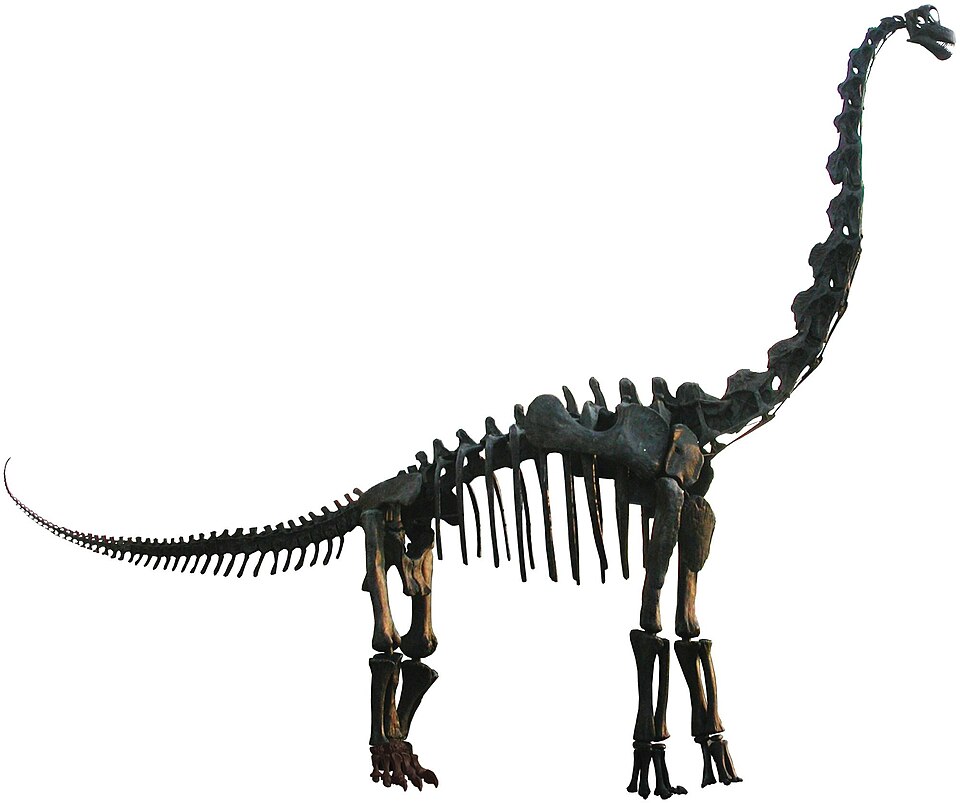
Brachiosaurus
A sauropod distinguished by long forelimbs and high shoulders. Brachiosaurus was a sauropod dinosaur living in Late Jurassic North America. This page focuses on the North American Brachiosaurus altithorax.
Read the guide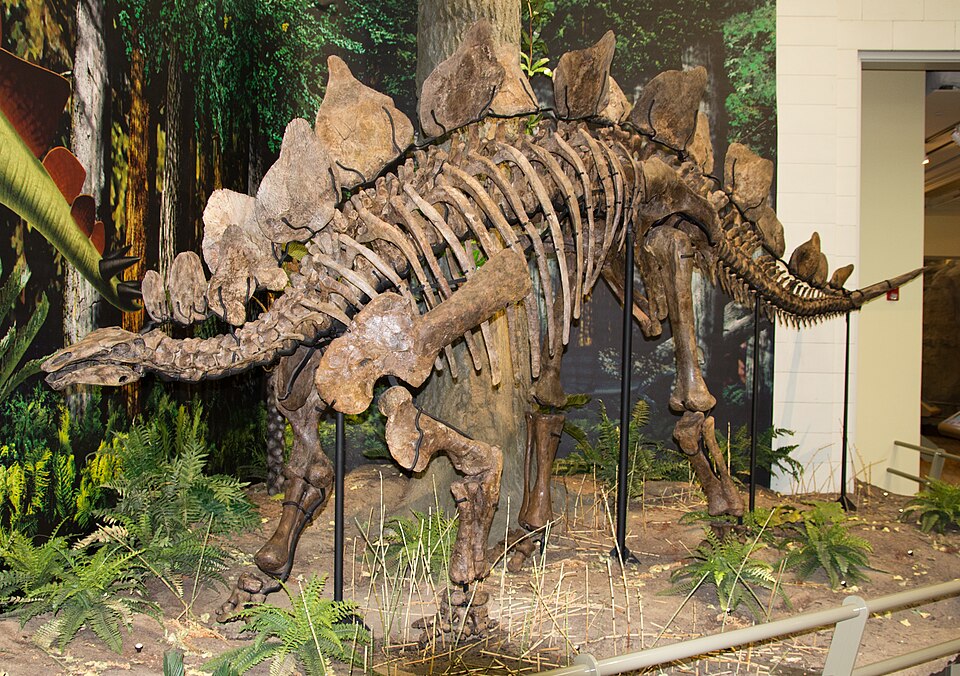
Stegosaurus
A stegosaur whose back plates and tail spikes merit separate attention. Stegosaurus was a stegosaurian dinosaur of the Late Jurassic. A representative herbivore known from North America's Morrison Formation, it did not live at the same time as the latest-Cretaceous Tyrannosaurus.
Read the guide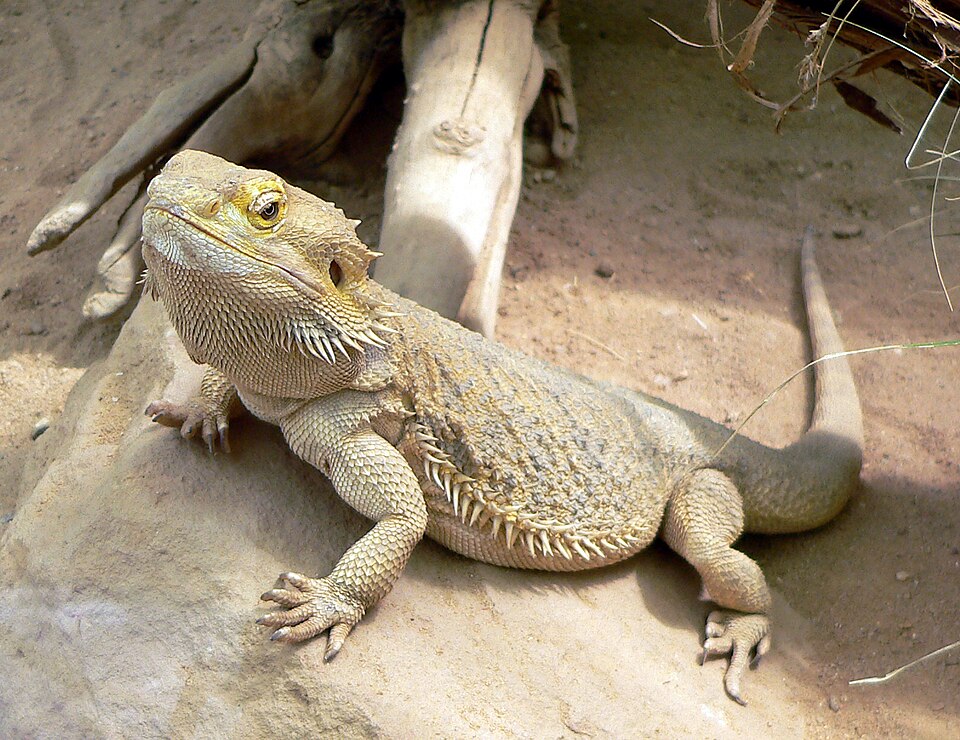
Bearded Dragon
A lizard with beard-like scales and head and foreleg signals. Bearded dragon is a name used for lizards in the genus Pogona; here it means the central bearded dragon, Pogona vitticeps. It lives in dry woodland, scrub and grassland in inland Australia.
Read the guide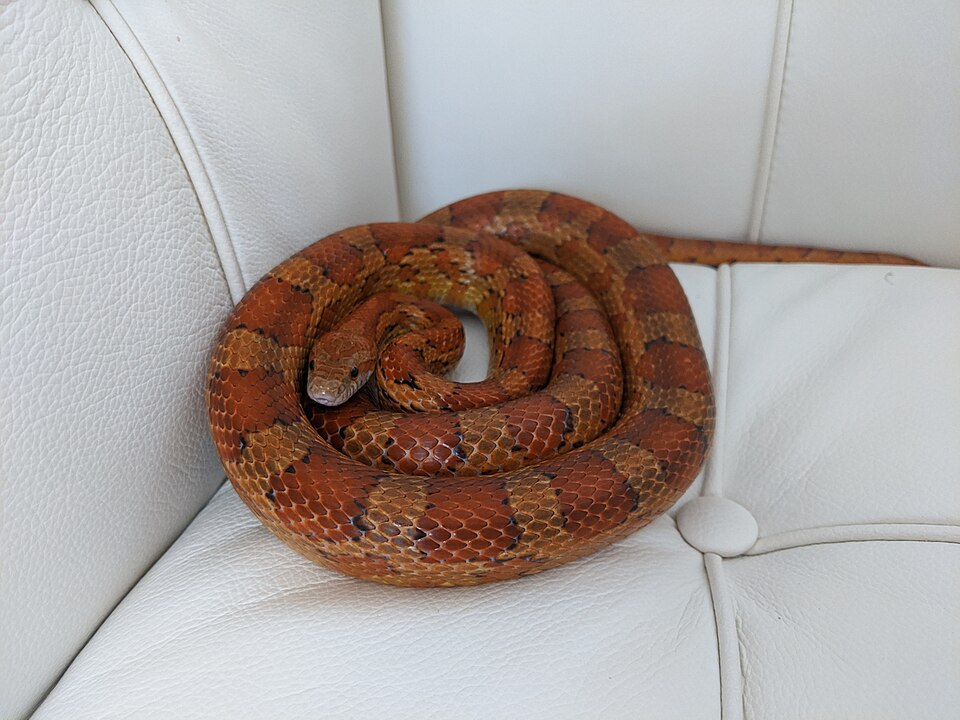
Corn Snake
Consider the checkered belly alongside the ecology of catching rodents. The corn snake is a naturally occurring North American snake species, not a human-created breed like those of dogs or cats. Its current scientific name is Pantherophis guttatus, connected with Elaphe guttata in older material.
Read the guide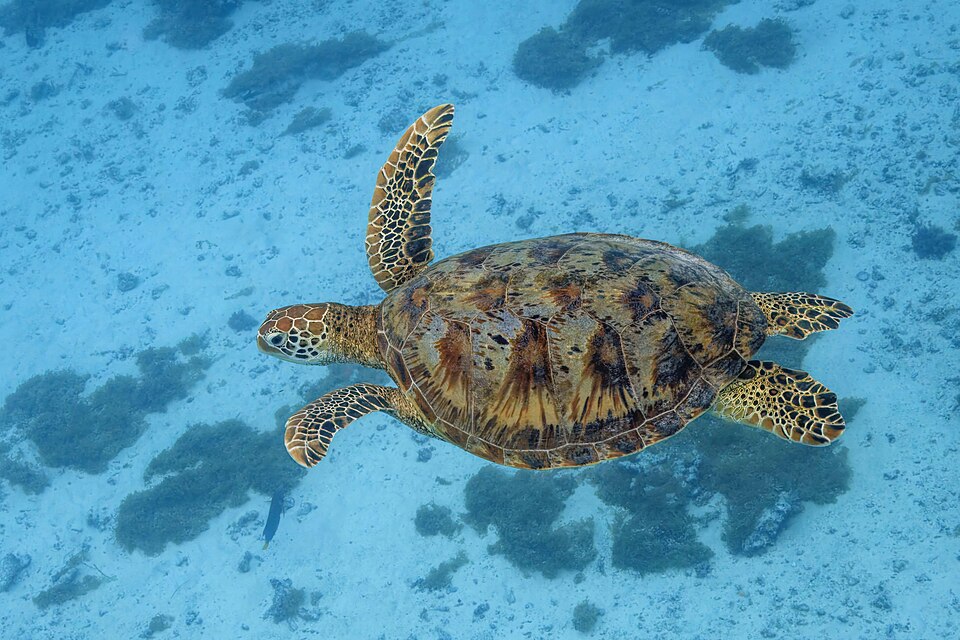
Sea Turtle
Distinguish sea turtles generally from the green turtle's diet. Sea turtle is a name including several species. This page uses the green turtle Chelonia mydas as a representative species, distinguishing it from leatherbacks, hawksbills and others.
Read the guide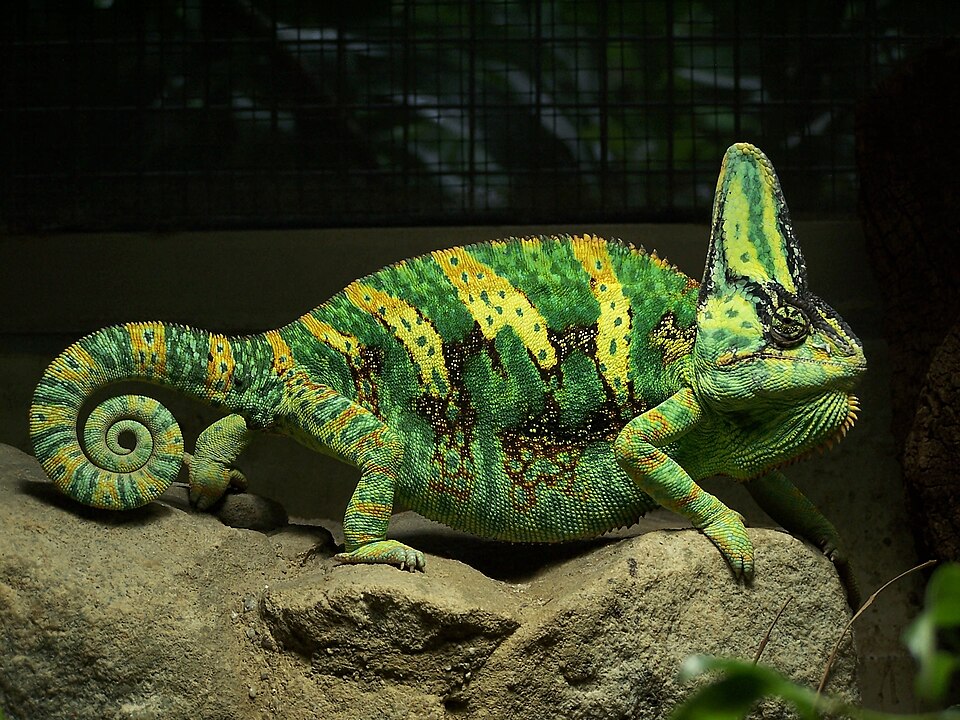
Chameleon
Chameleon color change means more than copying background colors. Chameleon is a name including several species. Here the veiled chameleon Chamaeleo calyptratus, also called the Yemen chameleon, is used as the representative species.
Read the guide