🏷️🐾 Pet Care
Comprehensive Guide to Feline Chronic Kidney Disease (CKD): Early Diagnosis (SDMA & USG), IRIS Staging, Subcutaneous Fluids, Phosphate Binders, and Renal Diets
A definitive clinical veterinary nephrology guide for managing feline chronic kidney disease (CKD): desert feline renal physiology, early screening with SDMA and USG, IRIS 4-stage protocols, safe subcutaneous fluid administration, phosphate binder mechanisms, and renal nutritional strategies.
S
사냥개
동물 생태 및 건강 연구팀
📅 2026-08-22⏱️ 24 min read
# Comprehensive Guide to Feline Chronic Kidney Disease (CKD)
SDMA (Symmetric Dimethylarginine): Detects renal functional decline at 25–40% loss of nephron capacity, uninfluenced by lean muscle mass variations, compared to traditional serum creatinine which elevates only after 75% damage.
Urine Specific Gravity (USG): Normal concentration exceeds 1.035. Isosthenuria/hyposthenuria (<1.030) indicates loss of tubular concentration function.
Urine Protein-to-Creatinine Ratio (UP/C): Identifies glomerular filtration barrier leakage.
Systemic Blood Pressure: Monitors secondary renal hypertension (>160 mmHg) driving ocular detachment and encephalopathy.
Staging Matrix: IRIS Stages 1 to 4 categorized by Creatinine and SDMA cutoffs, alongside sub-staging for proteinuria and hypertension.
Subcutaneous Fluid Therapy: Hartmann's or Plasma-Lyte (15–25 ml/kg) warmed to body temperature to manage prerenal dehydration, contingent on prior echocardiographic clearance to prevent pulmonary edema in occult cardiomyopathy.
Phosphate Control: Maintaining serum phosphorus below 4.6 mg/dL (Stage 2) using enteric binders (Aluminum hydroxide, Calcium acetate, Lanthanum carbonate, Porus One) co-administered with renal diets.
Hypertension & Proteinuria: Angiotensin receptor blockers (Telmisartan) and calcium channel blockers (Amlodipine).
Home Nursing: Low-stress multi-station hydration bowls, weight logging, and transdermal mirtazapine for appetite stimulation.
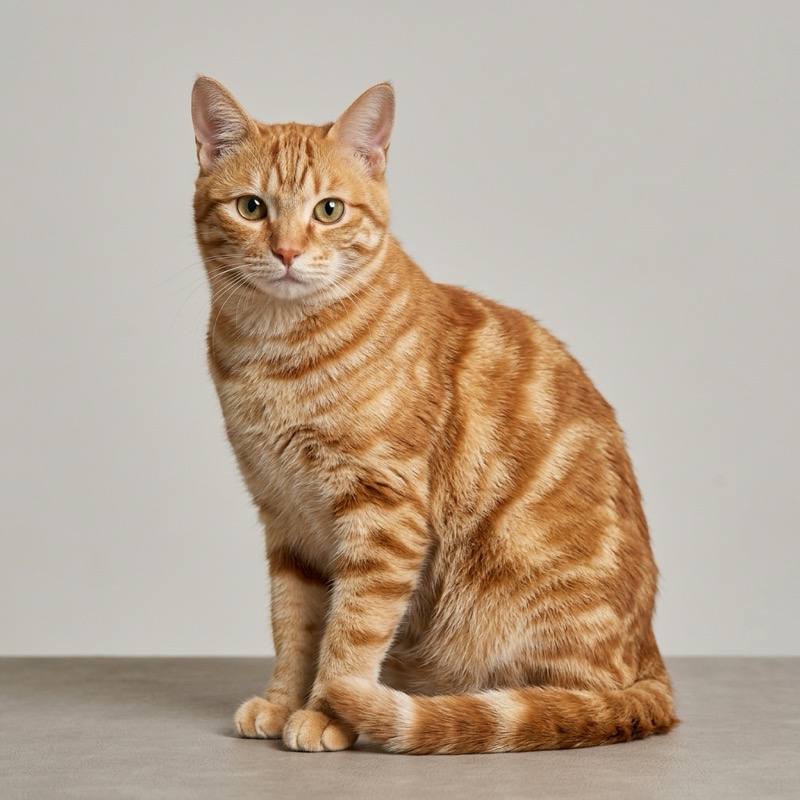
Feline Chronic Kidney Disease (CKD) represents the leading cause of mortality in aging felines, affecting over 30–40% of cats over 10 years and up to 80% of cats over 15. Due to their evolutionary origin as desert-adapted carnivores, feline kidneys possess concentrated nephron workloads that become highly vulnerable to non-regenerative interstitial fibrosis.
▶ 1. Early Biomarkers & Diagnostic Screening
▶ 2. IRIS Staging & Multi-Modal Therapeutics
태그:#고양이신부전#고양이CKD#IRIS병기#SDMA검사#고양이피하수액#인바인더#고양이신장사료#단백뇨#고양이탈수#수의신장학
🐕
사냥개 동물지식연구소 (Sanyanggae Lab)
반려동물 양육 케어, 포유류 생태, 조류 및 해양 생물학 전반의 전문성 높은 지식을 연구하고 검증된 칼럼을 제공합니다.