
Mammals (Cattle)
Explore classification, origins, appearance, behavior, observation and care through the published animal profiles for mammals (cattle).
Browse categories
Domestic Beef Cattle Breeds
Explore domestic cattle breeds and lines selected mainly for meat production. Origins, coat colors, builds and breeding goals vary, and actual growth and production results depend on individuals and husbandry conditions. Do not interpret production traits as guarantees of health or an easy-to-handle temperament.
Dairy Cattle Breeds
Compare domestic cattle breeds selected for milk production and milk composition. Lactating cows, bulls and calves differ in build and living requirements, while milk yield and composition are affected by production stage, food and health. Dairy use does not guarantee that every individual is docile.
Traditional Cattle and Other Bovids
This group explores traditional domestic cattle breeds alongside distinct bovids such as yaks, water buffalo and bison. They are not all breeds of domestic cattle, nor are all wild animals. Each entry distinguishes domestic and wild populations, classification and regional uses.
Published animal profiles
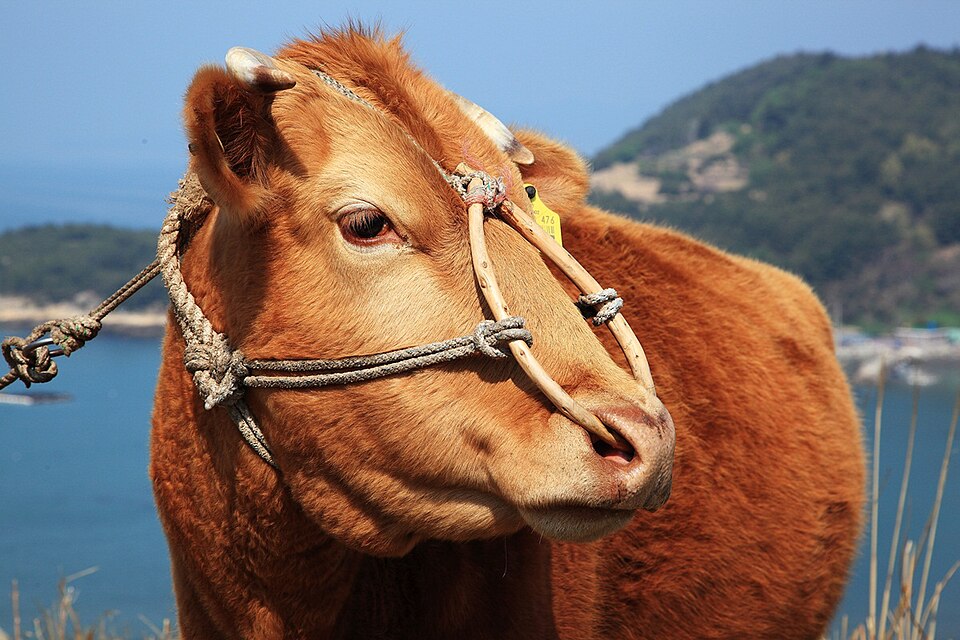
Hanwoo
Hanwoo are domestic cattle conserved and improved from native cattle long used for labor and agriculture on the Korean Peninsula. Hanwoo with a yellow-brown coat are widely recognized.
Read the guide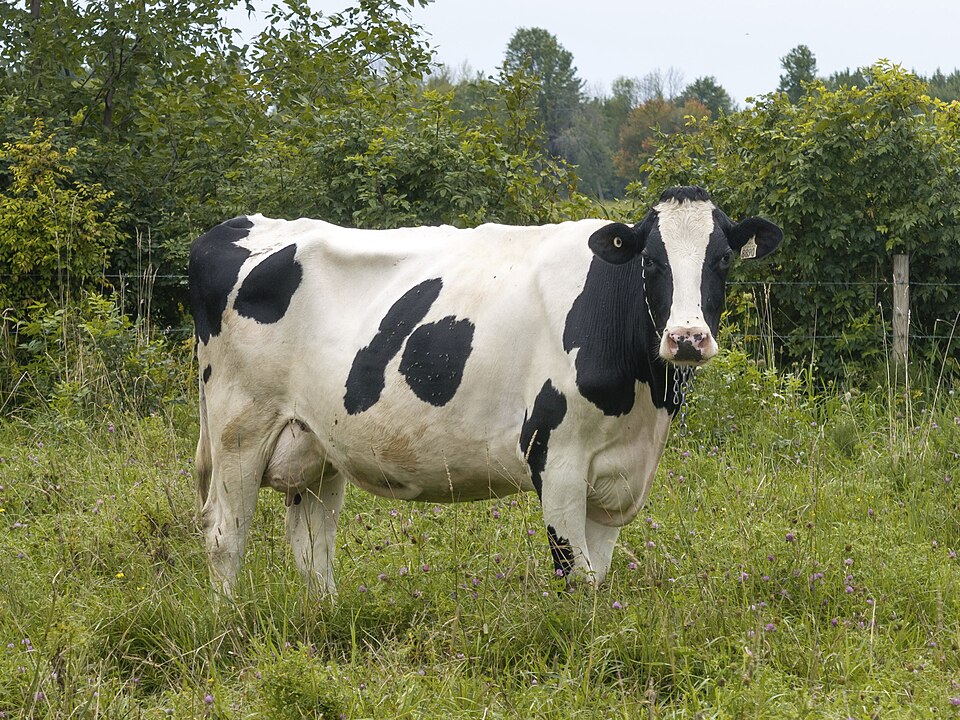
Holstein
The Holstein is a prominent dairy breed developed from cattle in the Netherlands and northern Germany. Large black-and-white patches are typical, but red-and-white Holsteins also occur.
Read the guide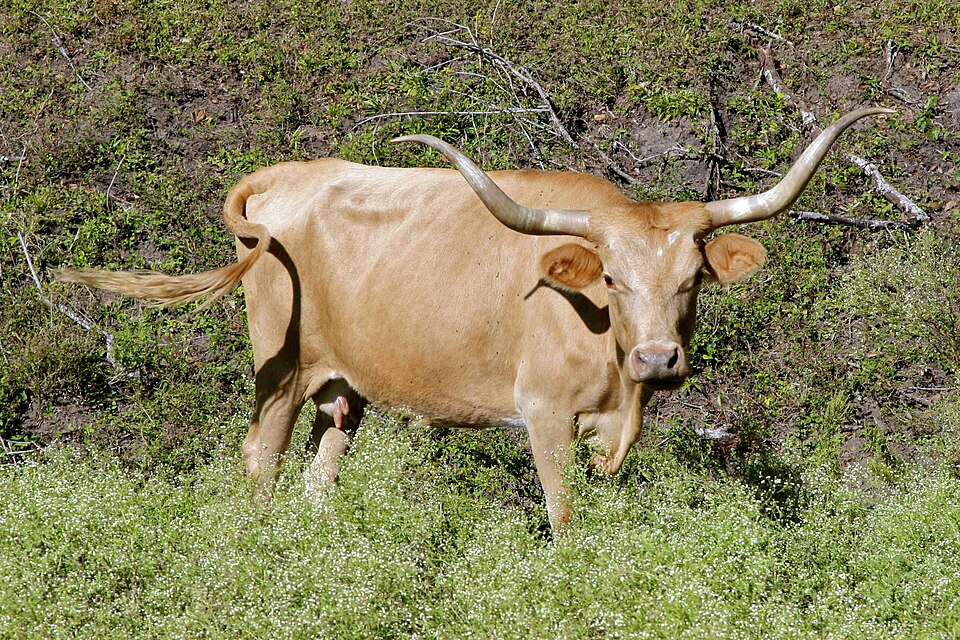
Texas Longhorn
The Texas Longhorn is a domestic cattle breed formed as various cattle populations brought to North America mixed and were selected in regional grazing environments. Long horns extending to the sides stand out, but length and direction of curvature vary greatly with individual and age.
Read the guide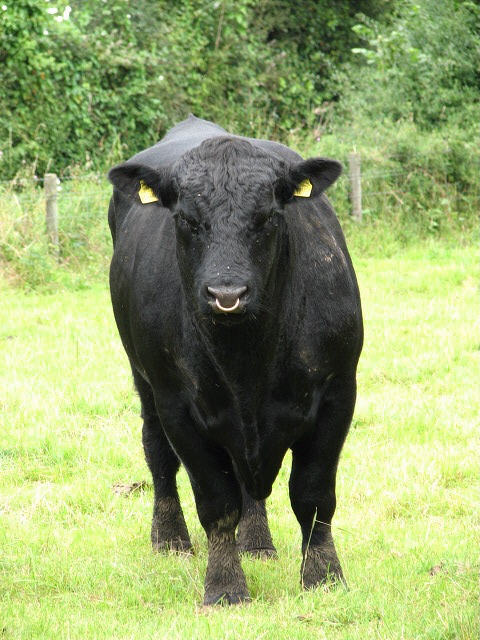
Black Angus
Black Angus are polled beef cattle lines developed in the Aberdeen and Angus regions of Scotland. A black coat, a naturally hornless head and a relatively well-filled body are typical.
Read the guide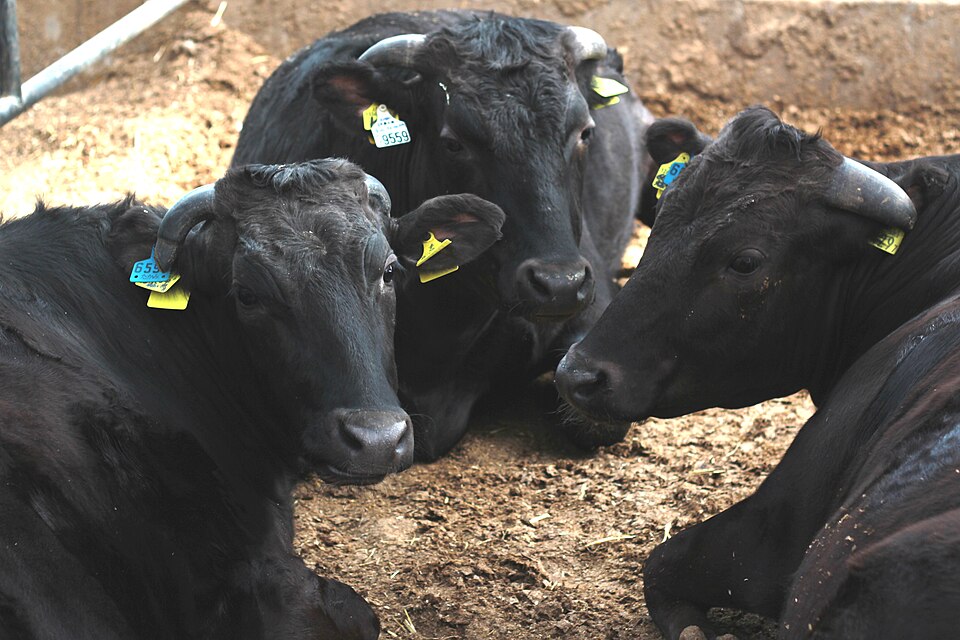
Wagyu
Wagyu refers to Japan’s Japanese Black, Japanese Brown, Japanese Shorthorn and Japanese Polled breeds and related crosses, rather than a single cattle population with one fixed coat color. The Japanese Black’s black coat is widely recognized, but brown or reddish populations also occur.
Read the guide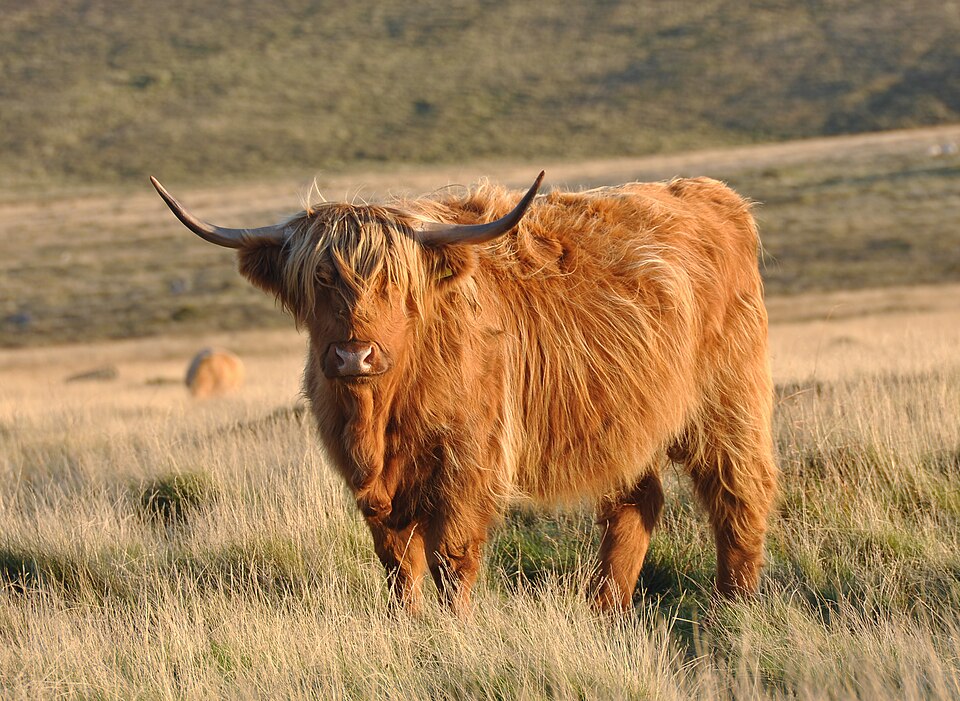
Highland cattle
Highland cattle are a traditional domestic cattle breed developed in Scotland’s uplands and western islands. Long outer hair, a thick undercoat, hair over the forehead and long horns are prominent.
Read the guide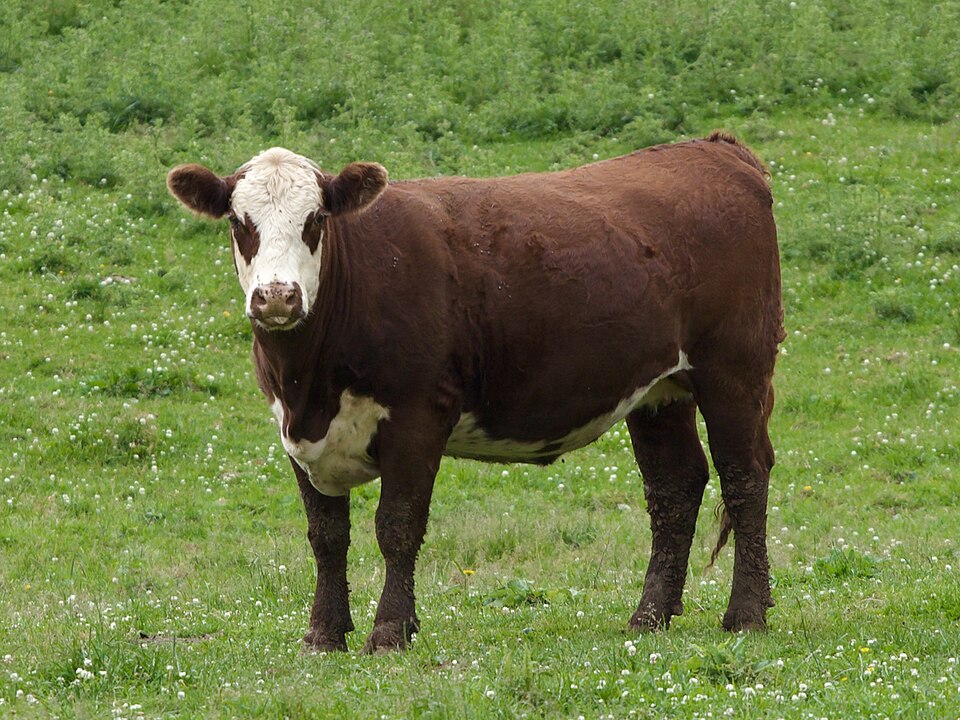
Hereford
The Hereford is a cattle breed improved for beef in the United Kingdom. Horned and polled lines are sometimes registered separately. A red body and white face are typical distinguishing features, with white also on the belly and legs.
Read the guide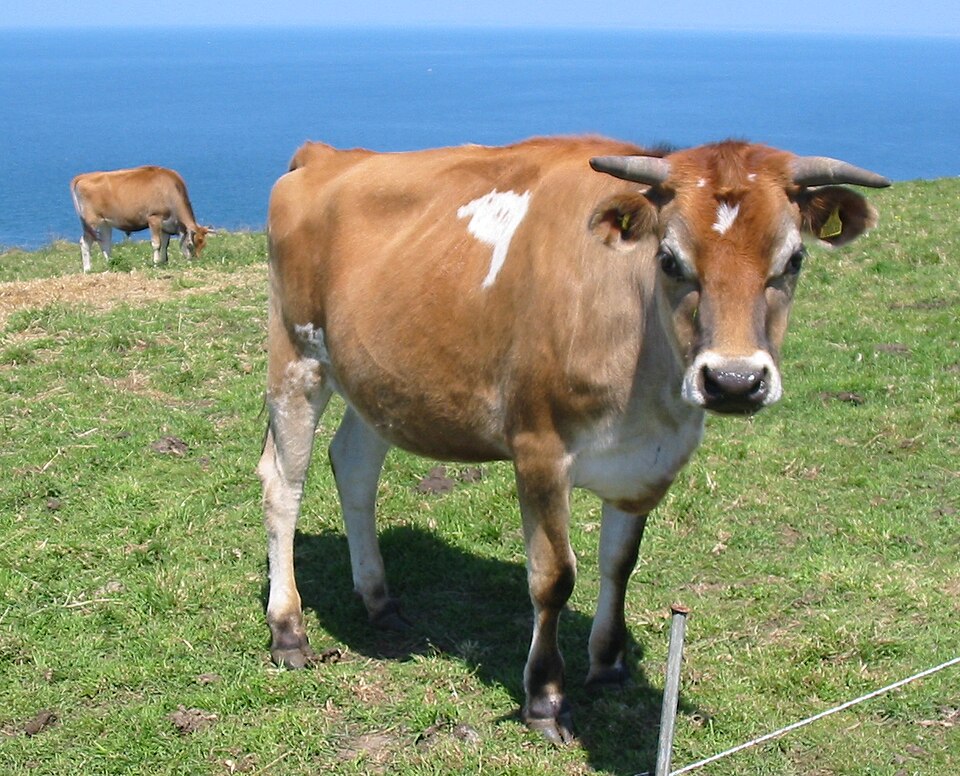
Jersey
The Jersey is a dairy cattle breed originating on Jersey in the English Channel. Dairying uses it for its build and milk-composition characteristics, which differ from those of the Holstein. A relatively small dairy breed with coats from fawn to dark brown and a pale border around the muzzle.
Read the guide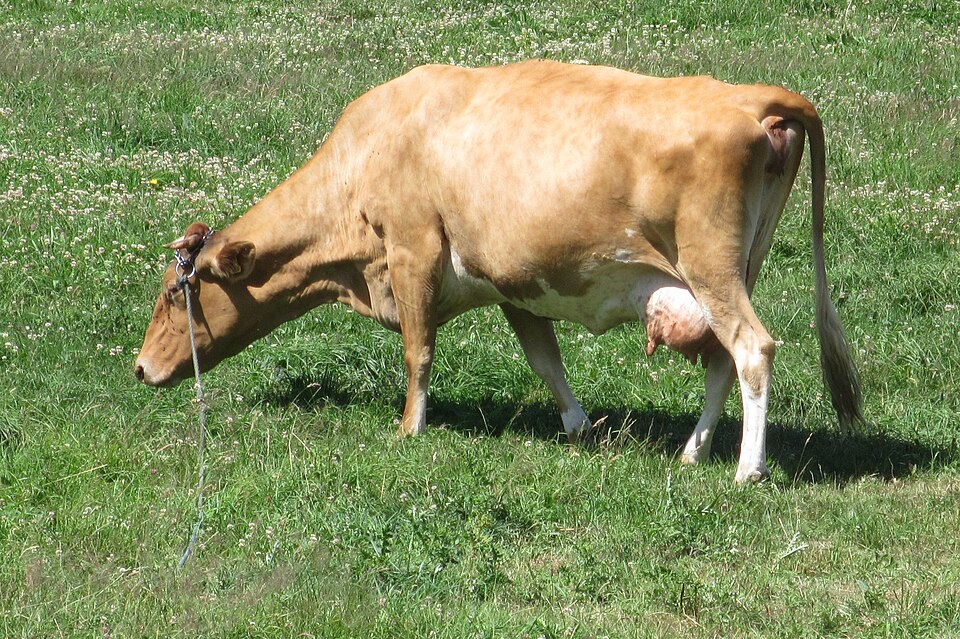
Guernsey
The Guernsey is a dairy cattle breed developed on Guernsey in the English Channel. Despite sharing an island-based naming pattern, it is a separate breed from the Jersey. Fawn-and-white markings are common, and the yellowish color of the milk is explained in relation to beta-carotene.
Read the guide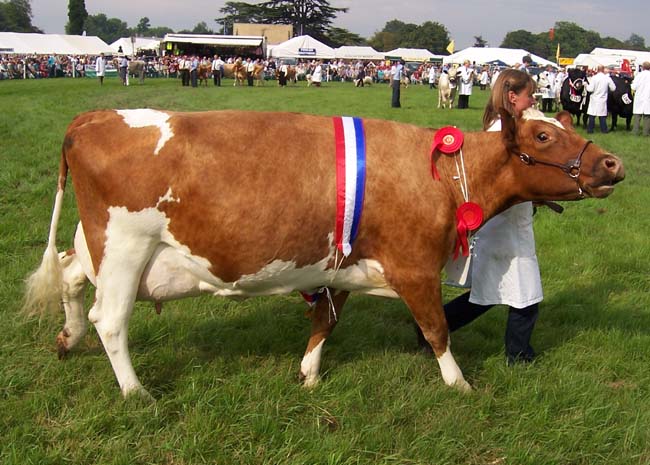
Ayrshire
The Ayrshire is a dairy breed developed in the Ayr region of Scotland. It spread to dairying in a variety of environments. Red or brown patches appear on white, and some individuals have horns.
Read the guide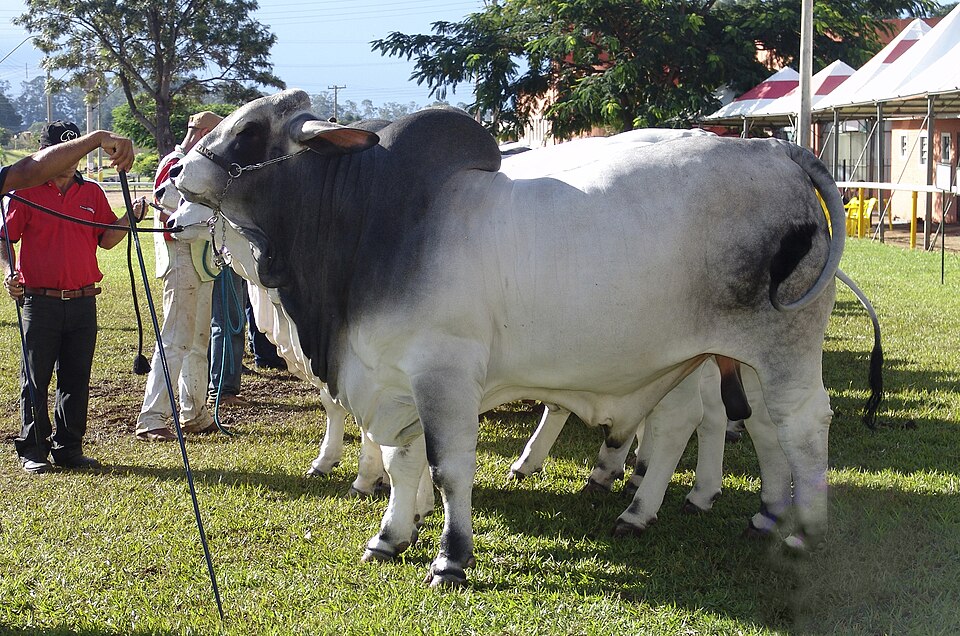
Brahman
The Brahman was improved in the United States from South Asian zebu-derived cattle. It is also widely used in crossing with European-derived beef cattle. A shoulder hump, large drooping ears and loose skin beneath the neck are characteristic.
Read the guide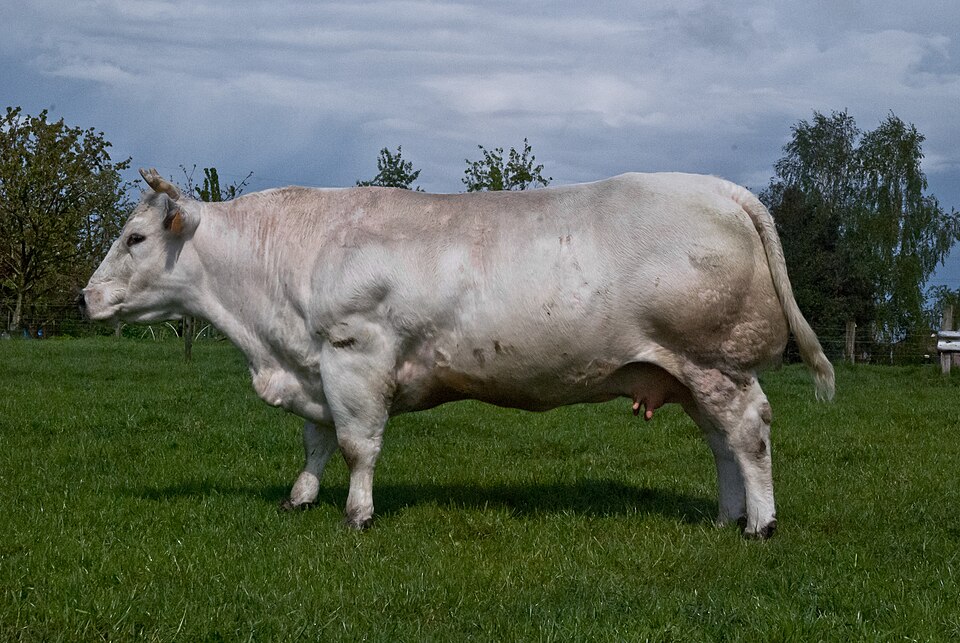
Belgian Blue
The Belgian Blue is a beef cattle breed developed in Belgium. Genetic traits related to myostatin influence muscle development. White, blue-gray mottling or black markings occur, and muscles of the hindquarters and shoulders are prominent.
Read the guide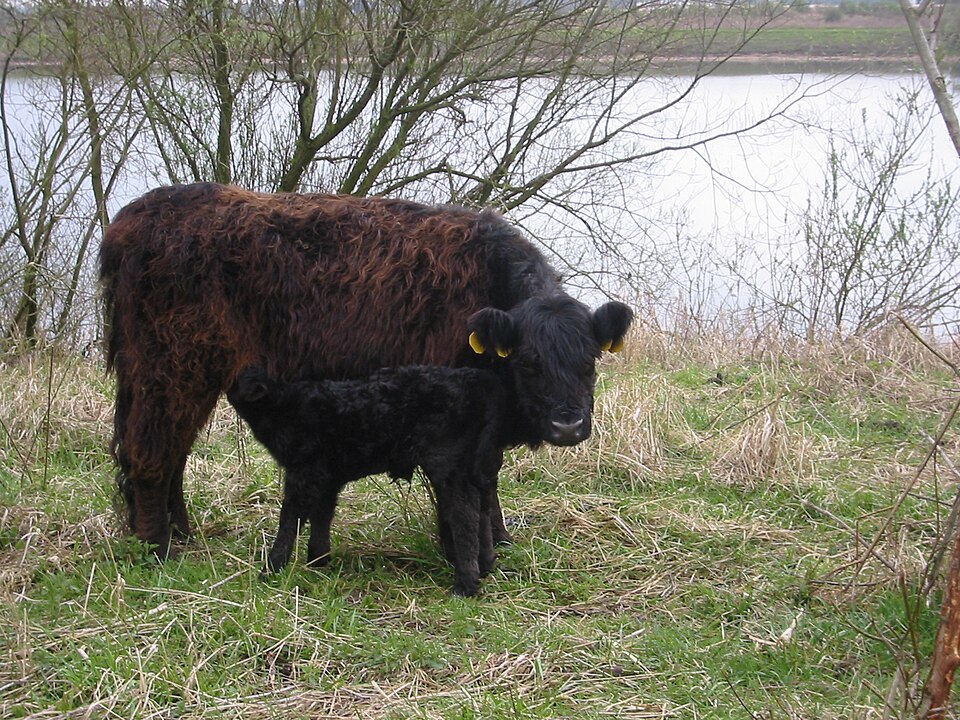
Galloway
The Galloway is a beef breed originating in southwestern Scotland. It relates to the white-belted Belted Galloway, but the registered populations are distinguished. A thick coat and a naturally hornless form are characteristic. Red or dun individuals occur as well as black.
Read the guide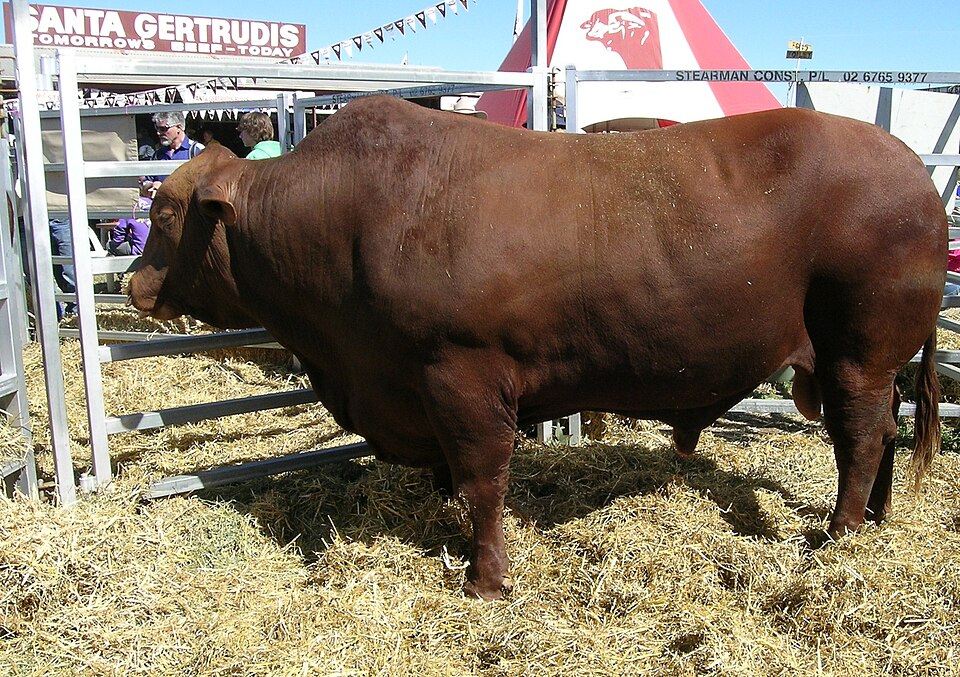
Santa Gertrudis
The Santa Gertrudis is a beef cattle breed developed at King Ranch in Texas using Shorthorn and Brahman lines. Usually red-coated, with some Brahman-derived skin and body-form features.
Read the guide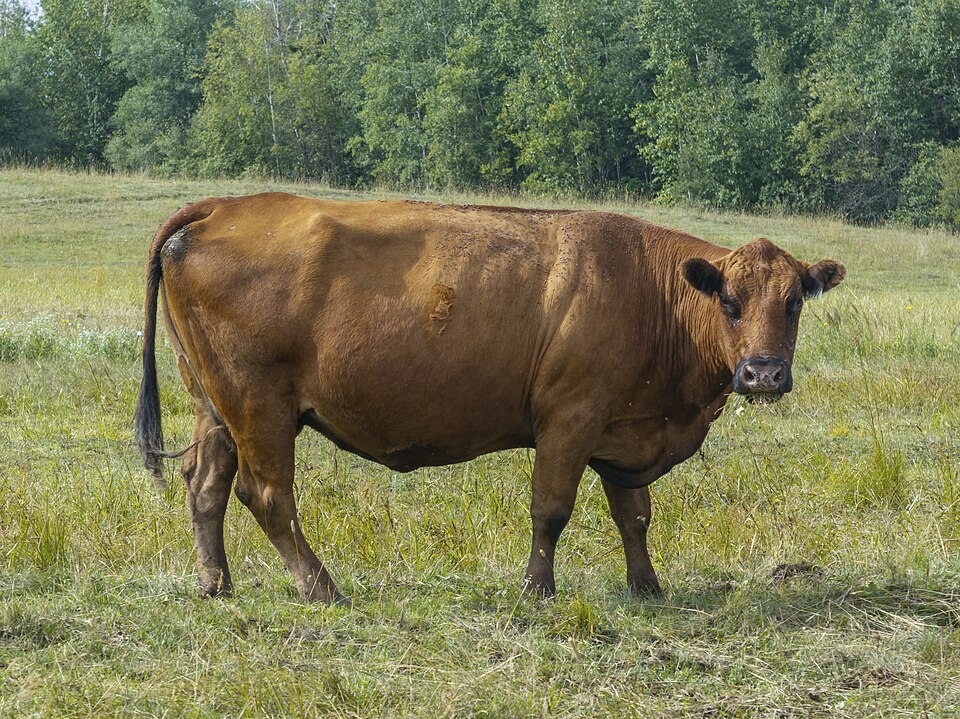
Dexter
The Dexter is a small-bodied cattle breed originating in Ireland. It was used for the dual purposes of milk and meat. A small body with black, red or dun coats. Lines differ in leg length; this does not simply mean cattle as small as calves.
Read the guide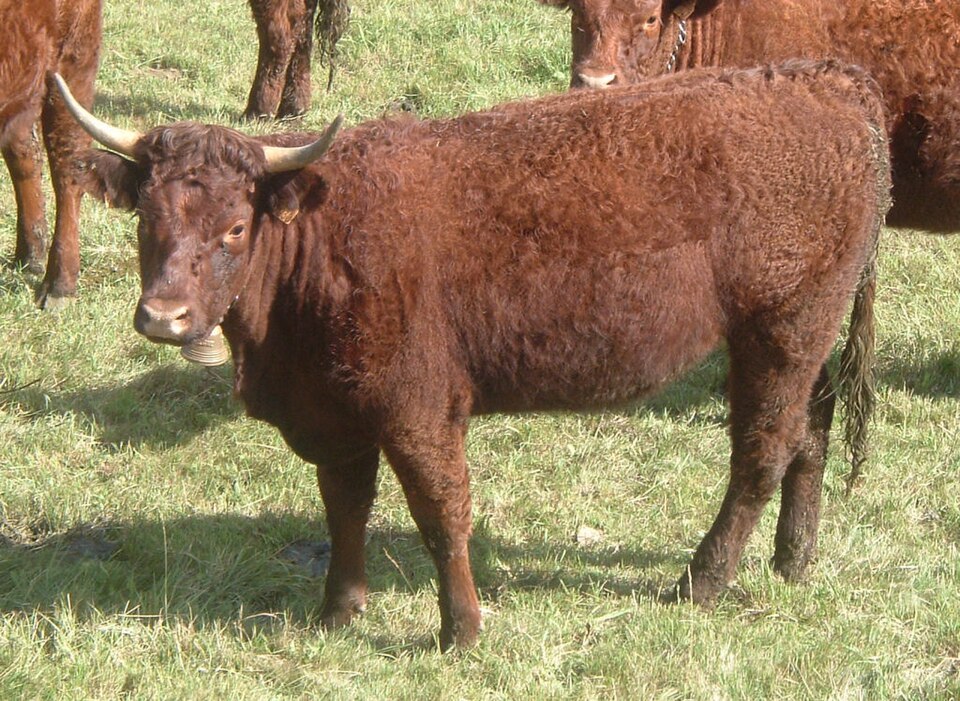
Salers
Salers cattle developed in the Auvergne region of France. Traditionally used for milk and work, they are also used for beef production. A dark reddish-brown coat and horns are typical. Black or polled lines also occur, so do not judge by coat color alone.
Read the guide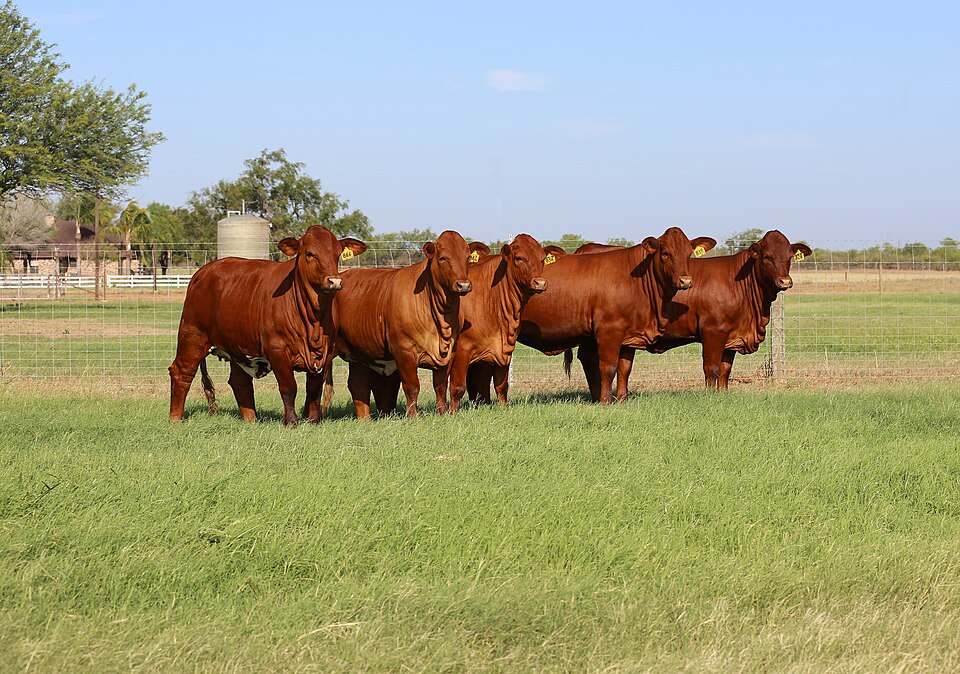
Beefmaster
The Beefmaster is a composite beef breed developed using Brahman, Hereford and Shorthorn. Selection emphasized production traits rather than one coat color. Appearance is highly variable, including red and spotted coats. The extent of a hump or hanging skin also differs.
Read the guide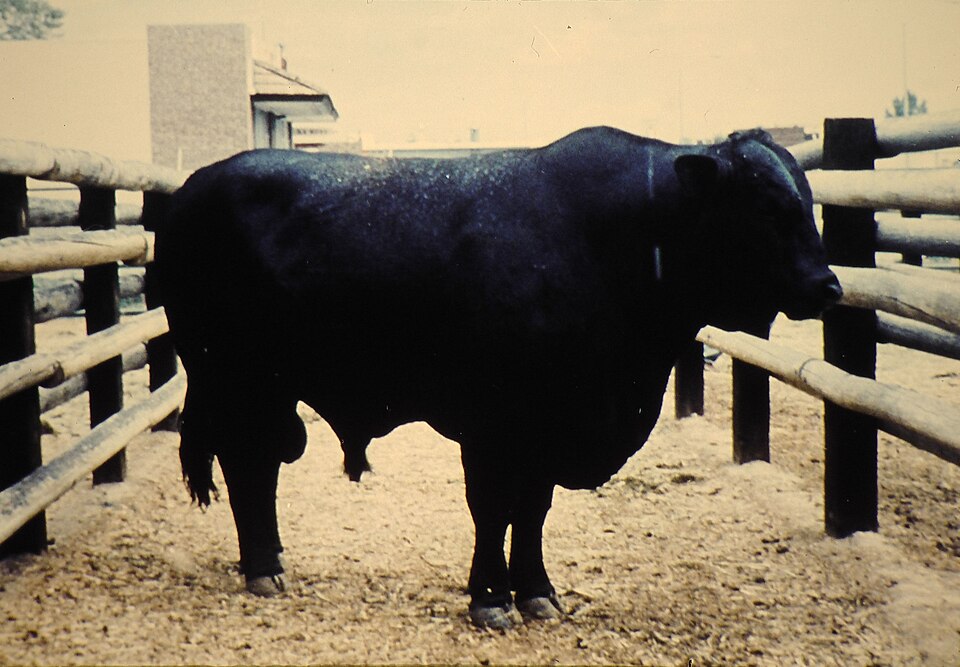
Brangus
The Brangus is a beef breed combining Brahman and Angus characteristics. Distinguish the pedigree requirements for the registered breed from ordinary crosses of the two breeds. Usually polled, commonly black-coated; Red Brangus are also described separately.
Read the guide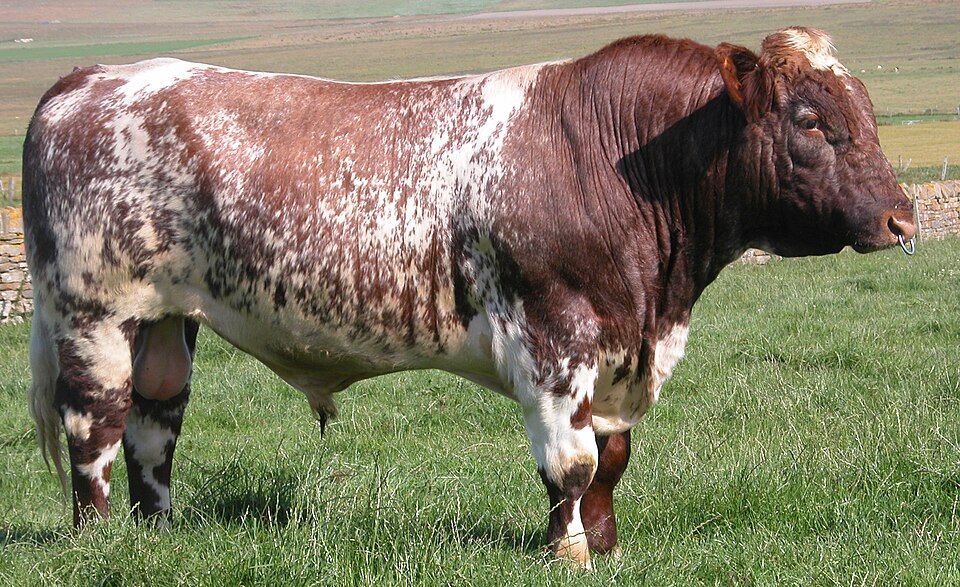
Shorthorn
The Shorthorn developed in the northeastern United Kingdom. Later improvement diverged toward beef and dairy populations. Red, white or roan coats mixing hairs of the two colors occur. The name comes from horn form, but polled lines also exist.
Read the guide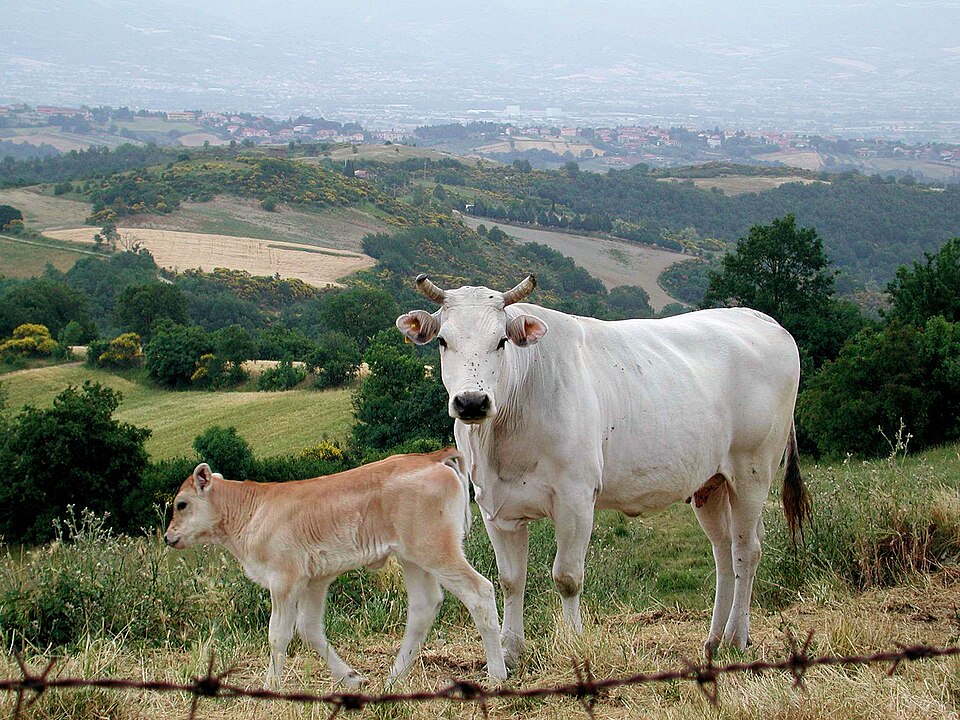
Chianina
The Chianina is a large cattle breed associated with Italy’s Chiana Valley. Its use shifted from working livestock toward beef. Adults generally have white hair and dark skin, with long legs and a large build. Young calves can differ in color from adults.
Read the guide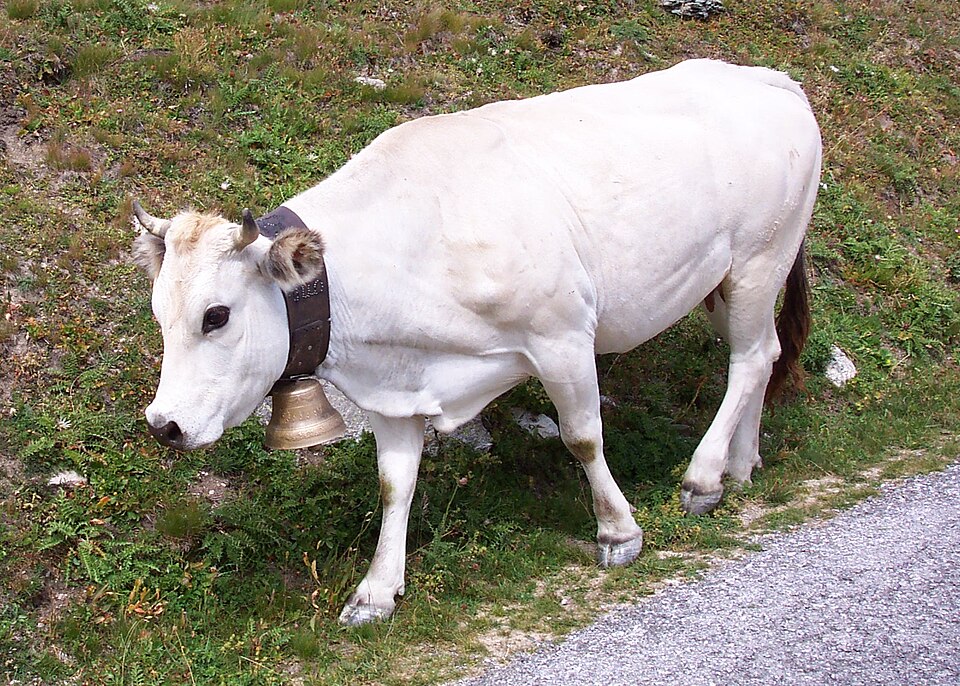
Piedmontese
The Piedmontese is a cattle breed developed in northwestern Italy. It is known for myostatin-related characteristics influencing muscle development. Adults are grayish white, while young calves may be fawn. The ratio of muscle to skeletal structure receives important attention in breed descriptions.
Read the guide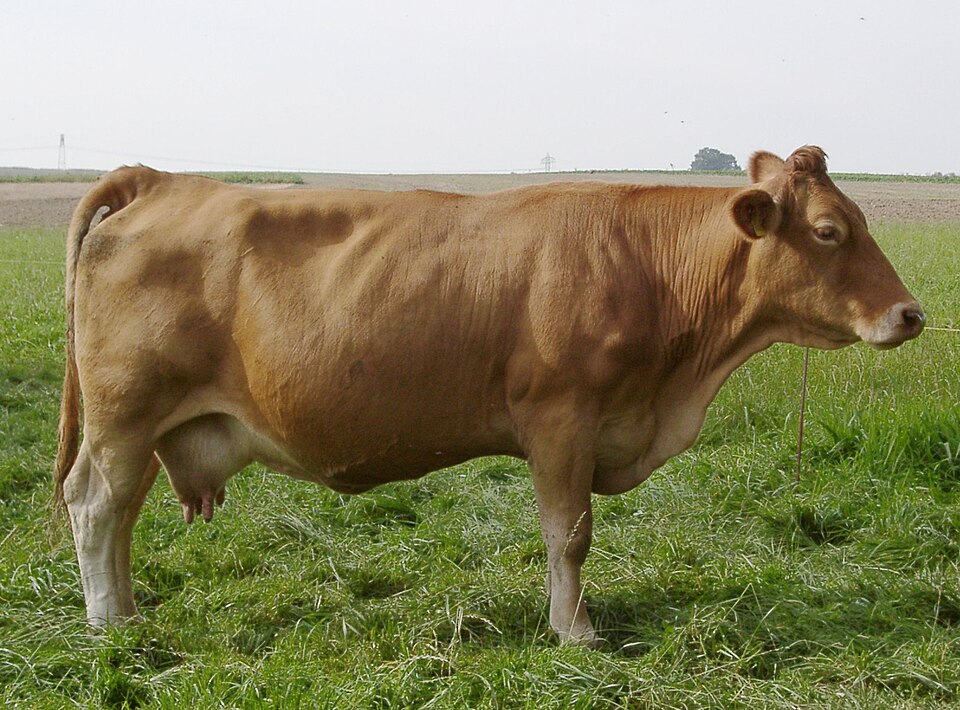
Gelbvieh
Gelbvieh developed from German cattle used for meat, milk and work. It was later widely used in beef breeding. The name means yellow cattle, with yellow-brown shades being traditional. Modern registered populations also include black-coated and polled animals.
Read the guide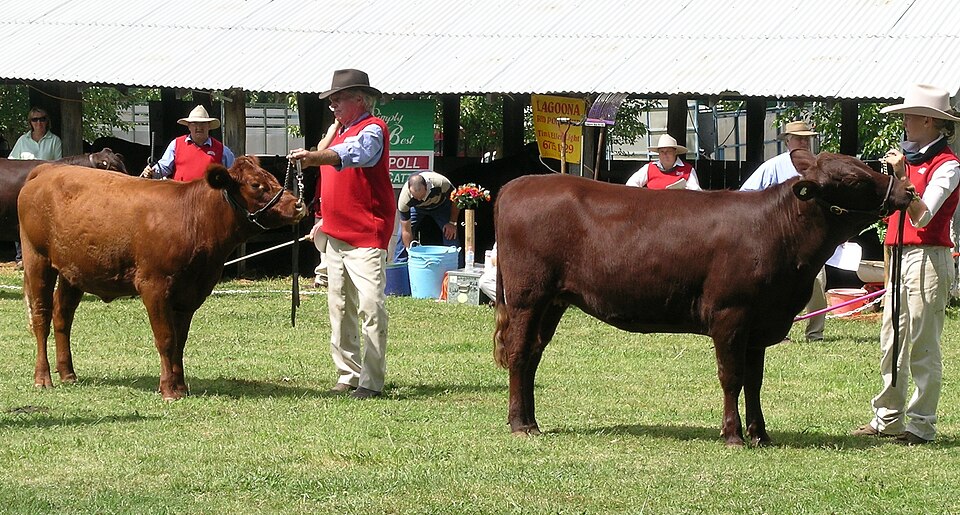
Red Poll
The Red Poll is a dual-purpose breed developed from cattle in Norfolk and Suffolk, Britain. It was used for both milk and meat production. A red coat and naturally hornless form are typical. Poll in the name relates to this hornless feature.
Read the guide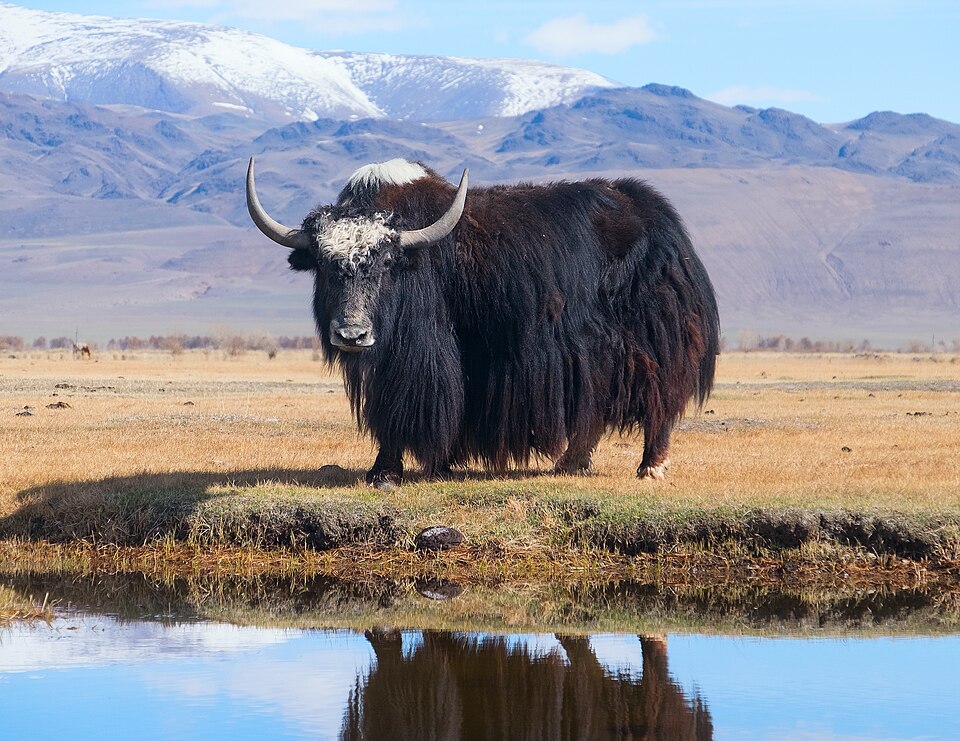
Yak
Yaks are high-altitude bovids; domestic and wild yaks are distinct. Calling them a breed of ordinary European domestic cattle is inaccurate. Long hair, a thick body, short legs and horns are characteristic. The hanging coat protects the body in cold environments.
Read the guide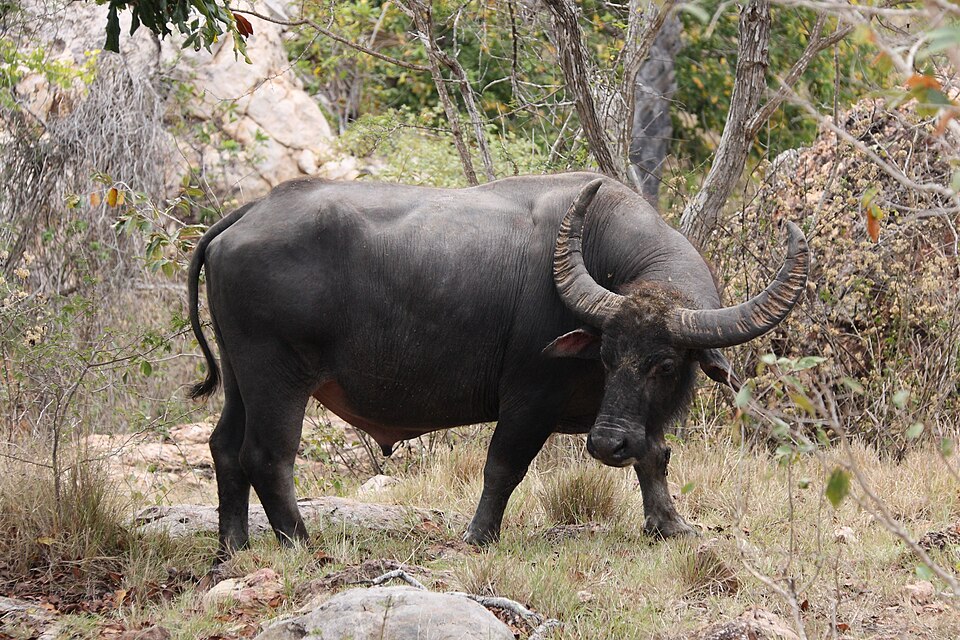
Water buffalo
Water buffalo are domesticated animals of the Bubalus lineage, with river and swamp forms distinguished. They are different animals from American bison and African buffalo. A large body, curved horns and relatively sparse hair are characteristic, with differences between river and swamp forms.
Read the guide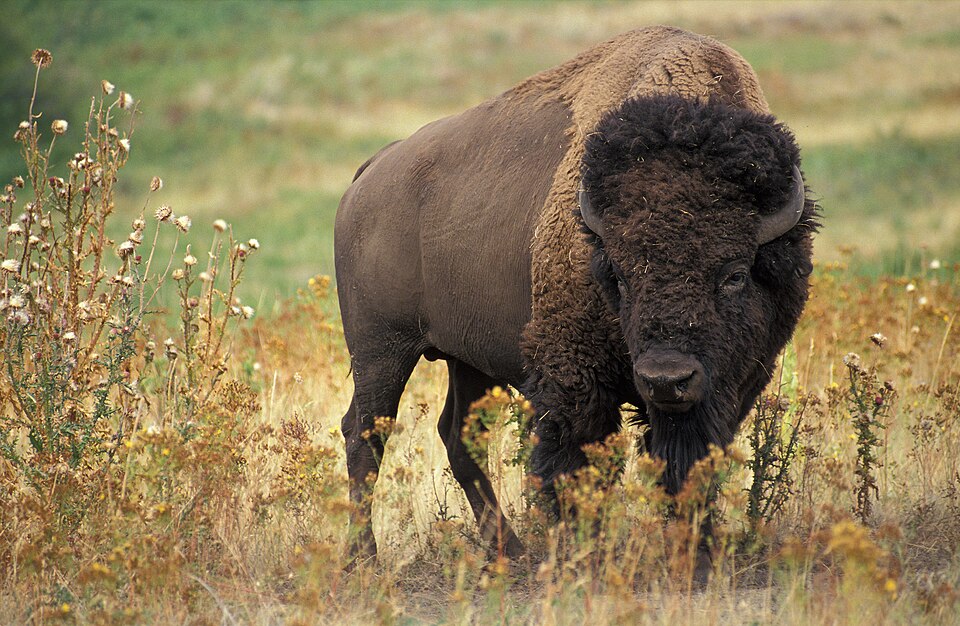
American bison
The American bison is a wild member of the cattle family from North America. It should be understood as a separate species rather than placed among domestic cattle breeds. High shoulders, thick hair on the forequarters and short curved horns are characteristic. Differences in hair and build between front and rear are conspicuous.
Read the guide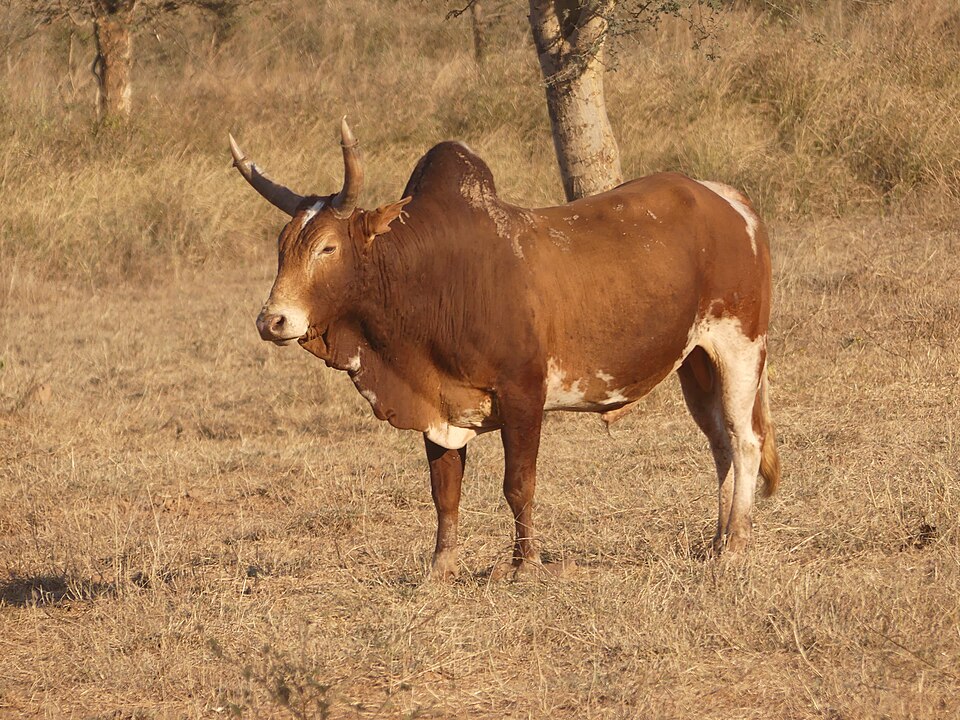
Zebu
Zebu refers to groups of humped domestic cattle of South Asian ancestry. Many breeds, including Brahman and Nelore, draw on this ancestry, so the term differs from one specific breed name. A hump near the shoulders, loose skin beneath the neck and relatively large ears are typical. Size and coat color vary by breed.
Read the guide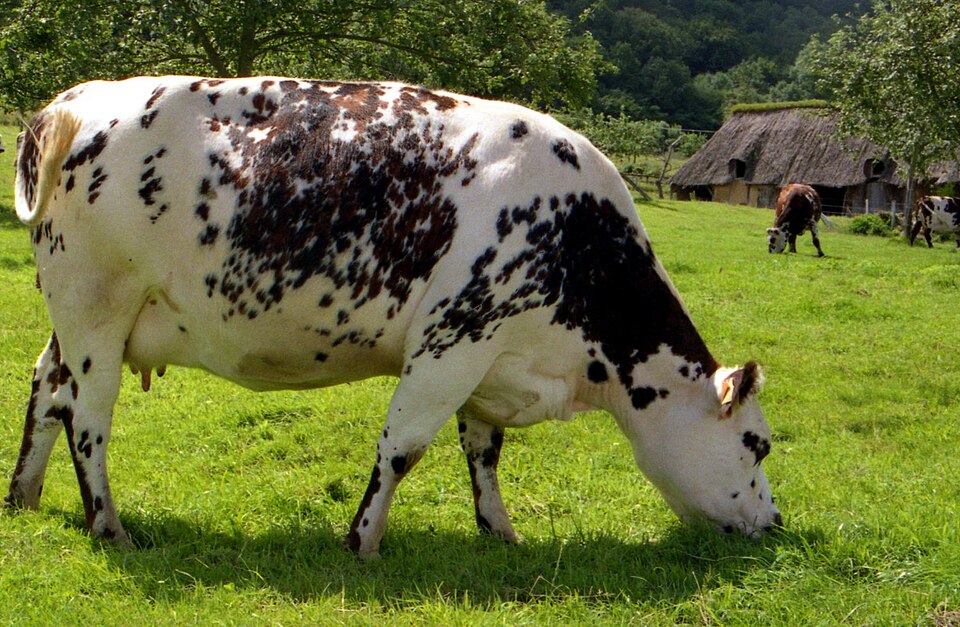
Normande
The Normande is a dual-purpose cattle breed developed in Normandy, France. Improvement has considered both dairy and meat production. Red or brown markings on white and frequently dark patches around the eyes are typical.
Read the guide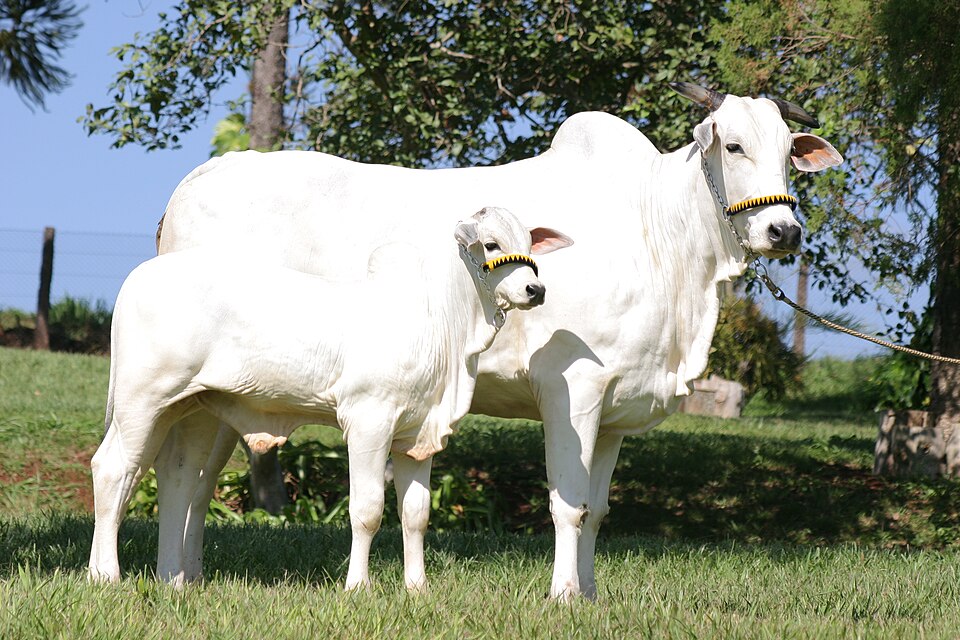
Nelore
The Nelore is zebu-derived beef cattle related to India’s Ongole cattle. It developed into an important breed in South American beef production. White or pale gray coats, a shoulder hump and skin below the neck are common. Ear shape differs from the Brahman’s.
Read the guide