
Cats
Chantilly-Tiffany
Chantilly-Tiffany
Classification and scientific name: Felis catus
Sources checked:
Chantilly-Tiffany through historical records and an explanatory illustration
Chantilly-Tiffany names historical breeding lines developed in North America around chocolate-colored, semi-long-haired cats. Changes in names and registration mean its scope cannot simply be equated with a typical current breed listing from a modern organization.
Origins and distribution
Historical semi-long-haired breeding lines in North America
- Chantilly-Tiffany
- Historical breeding lines
- Explanatory illustration used
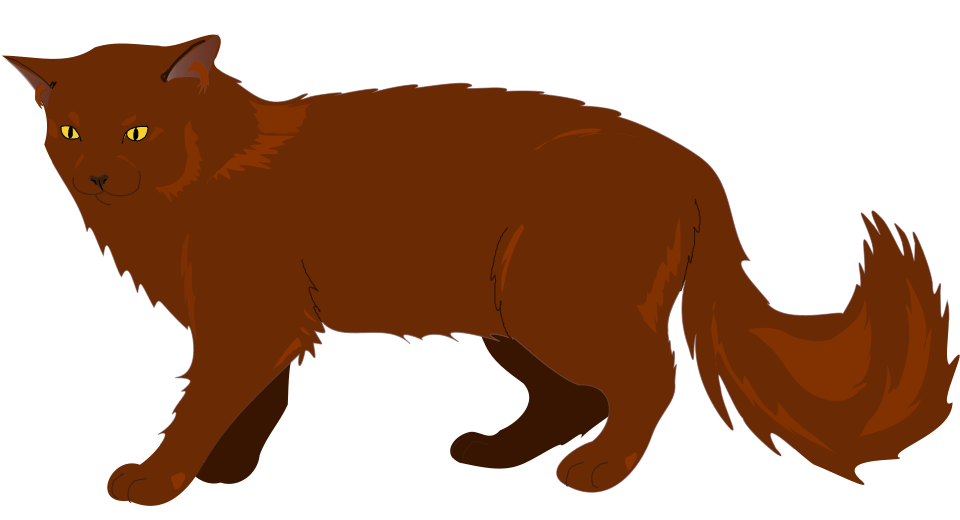
Illustration or historical material
Breed illustration identified as Chantilly-Tiffany. It is not a photograph of a living individual, but a reference drawing explaining semi-long hair and the outlines of the head and body.
Source: Abujoy · Original material · CC BY-SA 3.0
1. Classification, origins and habitat
Chantilly-Tiffany names historical breeding lines developed in North America around chocolate-colored, semi-long-haired cats. Changes in names and registration mean its scope cannot simply be equated with a typical current breed listing from a modern organization. Do not turn older material about early pedigrees and breeding numbers into present-day availability figures or registration guarantees. Avoid mixing it with the similarly named British Tiffanie as the same breed.
2. Appearance and identification
Historical breed material describes soft semi-long hair, a neck ruff, a full tail and a medium-sized body. Chocolate color is well known, but a name alone cannot prove the pedigree of a brown long-haired cat. Examine fur on the ears, face and tail together and recognize that appearance can overlap with ordinary long-haired cats. The image on this page is an illustration explaining historical features, rather than a breed-certification photograph of a living cat with a currently verified pedigree.
3. Behavior and way of life
Older breed material describes a tendency toward closeness with people and an impression of a soft voice. This provides context for reading the records; it does not guarantee the temperament of every brown long-haired cat. When meeting an actual individual, prioritize its voluntary approach and avoidance responses and life experience over the breed name. Do not turn the nickname of a historical line into a ranking of friendliness, health or intelligence. It also matters not to write as though actual behavior was observed in an explanatory illustration.
4. Observation, conservation and care
This entry guides readers through historical breeding lines and confusion over names. It does not recommend present-day sellers or speculate about rarity and price; any claim of registration for an individual should be checked separately with the relevant organization and individual records. When living with a semi-long-haired cat, base care on tangles, skin and individual play and rest needs. Do not turn the amount of fur in the illustration into a care schedule for every cat. Do not combine other lines called Tiffany or unsourced photographs of brown cats into confirmed examples of this entry.
Evidence and references
- Traditional Cat Association — The Chantilly/Tiffany Cat FAQs
The breed committee’s contemporary material on names, semi-long coats and history; not certification of a present-day individual
- Traditional Cat Association — Historical Newsletters
Chantilly-Tiffany names and historical breeding and breed records