
Cats
Maine Coon
Maine Coon
Classification and scientific name: Felis catus
Sources checked:
Long fur and a square muzzle: distinguish raccoon-crossing legends from actual origins.
The Maine Coon is associated with the domestic-cat history of New England in the United States. Its name and full striped tail have inspired stories of crossing with raccoons, but that is not a biologically verified origin.
Origins and distribution
A breed associated with New England and Maine in the United States
- Maine Coon
- Domestic cat
- Assess each individual’s temperament
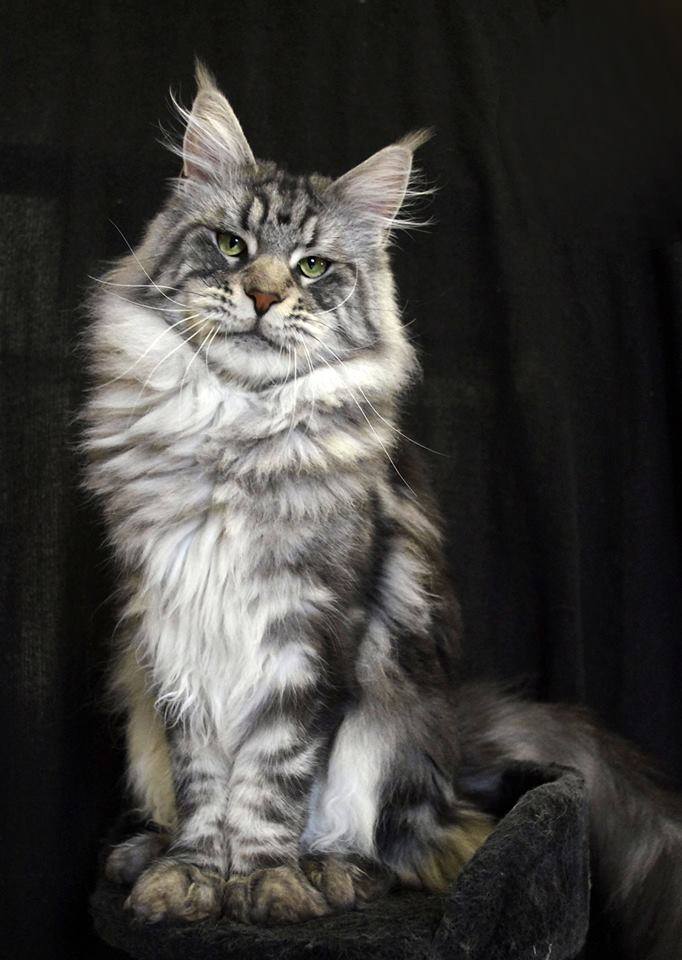
Reference photograph
Reference photograph of Maine Coon. Compare the color and form of the individual shown with the identification notes in the text.
Source: Alix devil · Original material · CC BY-SA 4.0
1. Classification, origins and habitat
The Maine Coon is associated with the domestic-cat history of New England in the United States. Its name and full striped tail have inspired stories of crossing with raccoons, but that is not a biologically verified origin. Distinguish regional populations formed around ships and farms from the standards of the modern registered breed. Understanding the criteria for body type and coat structure helps interpret photographs more than size records or popularity rankings.
2. Appearance and identification
A long body, square-looking muzzle, large ears, full tail and fur of different lengths across the body are characteristic. Ear tufts can be conspicuous but are not equally developed in every individual. Many colors occur, not only brown tabby. Distinguish a large build from obesity, and never use the largest individual’s record as the average for all adults. Compare face, body and coat together with Norwegian Forest Cats and Siberians.
3. Behavior and way of life
Often described as taking part in play with people, the nickname gentle giant does not guarantee that every individual immediately gets along with children. Space is needed for a large body to move steadily on its own. Chasing toys and resting quietly nearby may both occur. Do not turn distinctive vocalizations into a claim that every individual speaks in the same way. Introduce unfamiliar touch slowly while observing the response.
4. Observation, conservation and care
Regularly check the long coat for tangles and assess the body underneath, providing sturdy resting places and scratchers that support a large cat. A kitten’s appearance is not proof that small furniture will suffice for life. Make jumping movements and landing routes safe too. Confirm breed-related health records through individual testing and veterinary care; appearance does not guarantee health. In photographs, prioritize overall proportions and verified sources over perspective that exaggerates size.
Evidence and references
- Cat Fanciers’ Association — Maine Coon
Breed background, appearance standards and an introduction to behavioral tendencies
- The International Cat Association — Maine Coon
Breed characteristics, coat, activity and everyday care