
Cats
Persian
Persian
Classification and scientific name: Felis catus
Sources checked:
Consider the long coat and facial shape alongside grooming demands and welfare.
The Persian is a domestic cat breed connecting the history of long-haired cats in West Asia with modern breed development in Europe. A name associated with ancient Persia does not mean every living individual has a direct pedigree verified by ancient records.
Origins and distribution
West Asian long-haired cat history and modern breed development
- Persian
- Domestic cat
- Assess each individual’s temperament
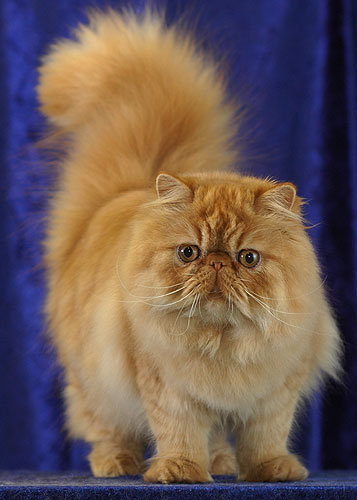
Reference photograph
Reference photograph of Persian. Compare the color and form of the individual shown with the identification notes in the text.
Source: The original uploader was Lajoma at Finnish Wikipedia . · Original material · CC BY-SA 3.0
1. Classification, origins and habitat
The Persian is a domestic cat breed connecting the history of long-haired cats in West Asia with modern breed development in Europe. A name associated with ancient Persia does not mean every living individual has a direct pedigree verified by ancient records. Standards developed across regions and organizations, and facial flatness varies between individuals and lines. How a colorpoint Himalayan is classified must also be checked with the relevant organization.
2. Appearance and identification
A long abundant coat, round head, short face and sturdy body are typical. Many colors and patterns exist; Persians are not exclusively white cats. To assess actual conformation under a long coat, distinguish fur volume from body weight. Extremely short faces need consideration alongside health and welfare concerns involving breathing, eyes and teeth; do not suggest that a flatter face is necessarily a better appearance.
3. Behavior and way of life
The breed is often described as calm and fond of resting, but quietness does not remove the need for movement and play. A photograph of a reclining cat with half-closed eyes cannot guarantee continuing comfort. Consider breathing sounds, activity changes and avoidance of touch in their situational and health context. Tolerance of brushing also depends on early experience and skin condition, so start with short, comfortable contact and follow the cat’s response.
4. Observation, conservation and care
The long coat needs regular care to prevent tangles and check the skin and soiling. Friction areas such as the belly and armpits may be hard to see from outside. Avoid cutting mats with scissors close to the skin, and seek professional help if grooming is difficult or uncomfortable. Check changes around the eyes and facial folds too. Do not prescribe one bathing frequency or supplement to every individual simply because of the breed name.
Evidence and references
- Cat Fanciers’ Association — Persian
Breed background, appearance standards and an introduction to behavioral tendencies
- The International Cat Association — Persian
Breed characteristics, coat, activity and everyday care
- Cats Protection — Brachycephalic Cats
Welfare concerns involving an extremely short face and the eyes, breathing, teeth and skin