
Long-Haired Cats
Explore cats with long or moderately long, abundant coats. Coat length, density and tangling vary by breed and individual. Long hair does not mean a laid-back temperament or tolerance of touch, so consider each individual’s life and responses too.
Published animal profiles
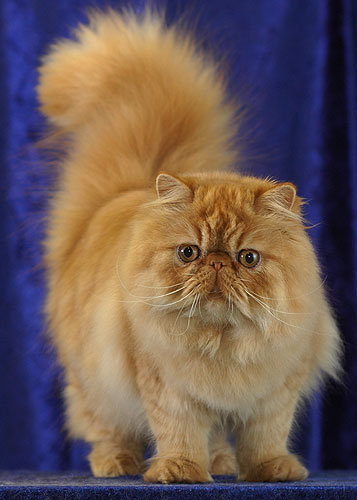
Persian
Consider the long coat and facial shape alongside grooming demands and welfare. The Persian is a domestic cat breed connecting the history of long-haired cats in West Asia with modern breed development in Europe. A name associated with ancient Persia does not mean every living individual has a direct pedigree verified by ancient records.
Read the guide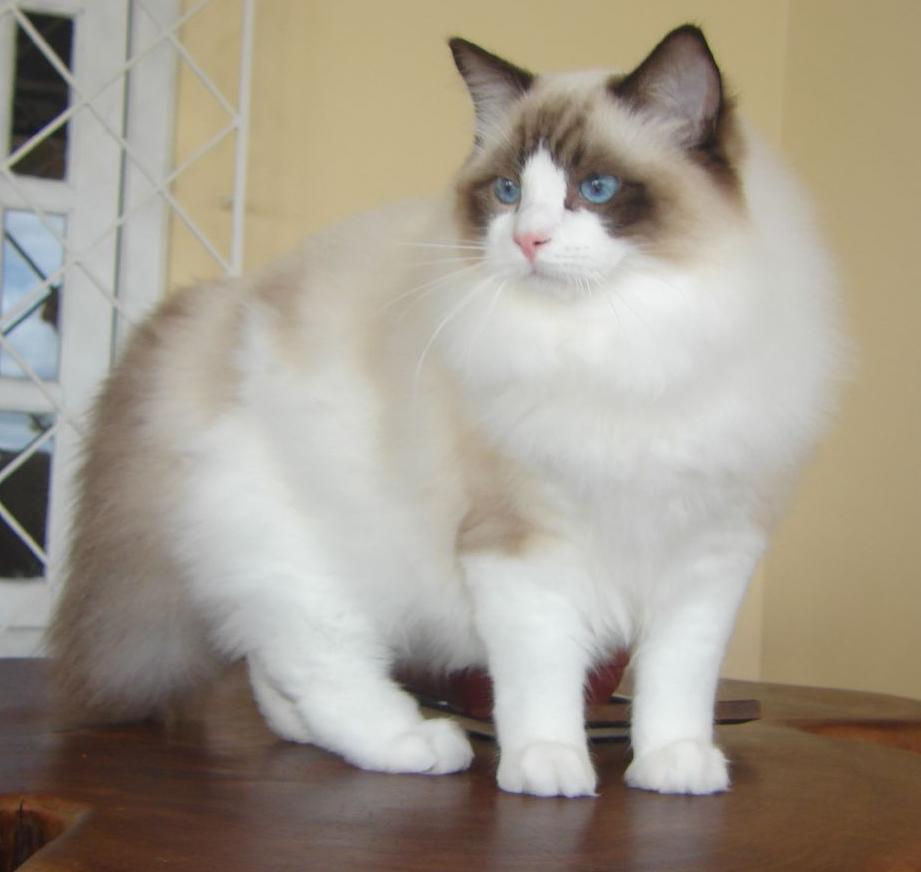
Ragdoll
Blue eyes and pointed markings: the name does not explain pain perception. The Ragdoll developed in a California breeding program, and its name refers to a cloth doll. It became widely known through the impression of relaxing when held, but this does not indicate a biological inability to feel pain or a response shared by every individual.
Read the guide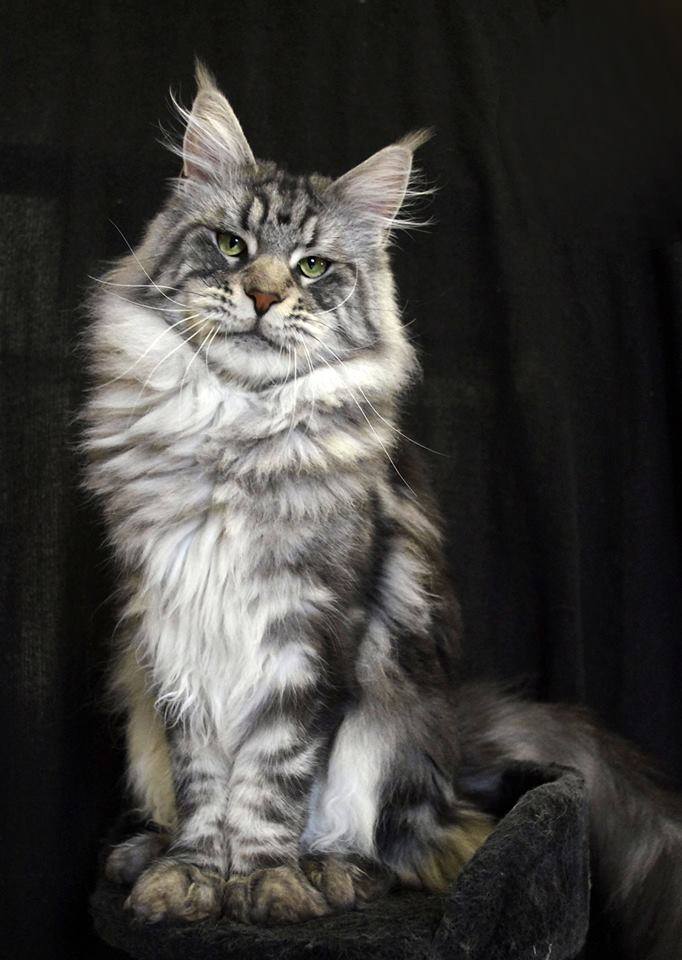
Maine Coon
Long fur and a square muzzle: distinguish raccoon-crossing legends from actual origins. The Maine Coon is associated with the domestic-cat history of New England in the United States. Its name and full striped tail have inspired stories of crossing with raccoons, but that is not a biologically verified origin.
Read the guide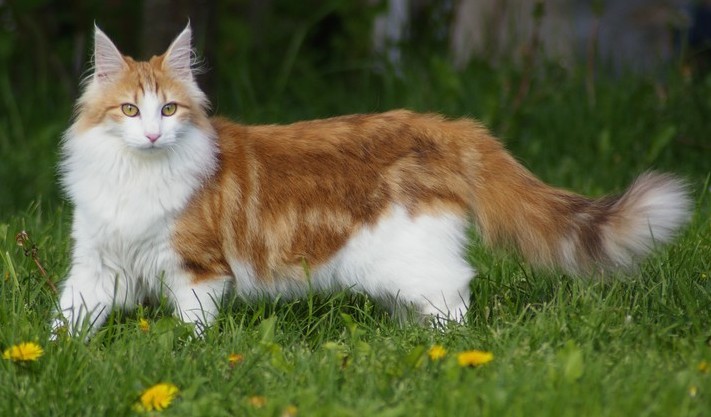
Norwegian Forest Cat
A triangular head and abundant double coat; legends are not pedigree evidence. The Norwegian Forest Cat connects Norway's cat traditions and local populations with modern conservation and registration history. Similar cats in Norse mythology and Viking stories do not mean that the direct ancestry of every present-day individual is fully documented.
Read the guide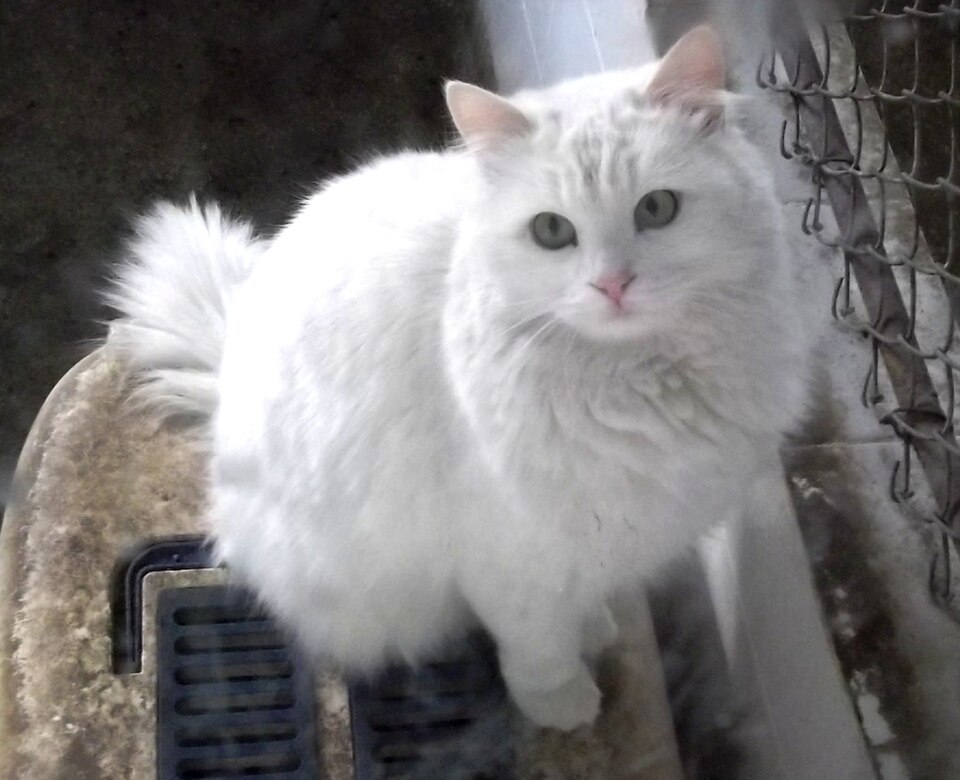
Turkish Angora
A fine body and light, long coat; this breed is not exclusively white. The Turkish Angora is connected with Türkiye's long-haired cat tradition and modern conservation and registration history. Distinguish long-haired cats that traveled to Europe from modern breed standards.
Read the guide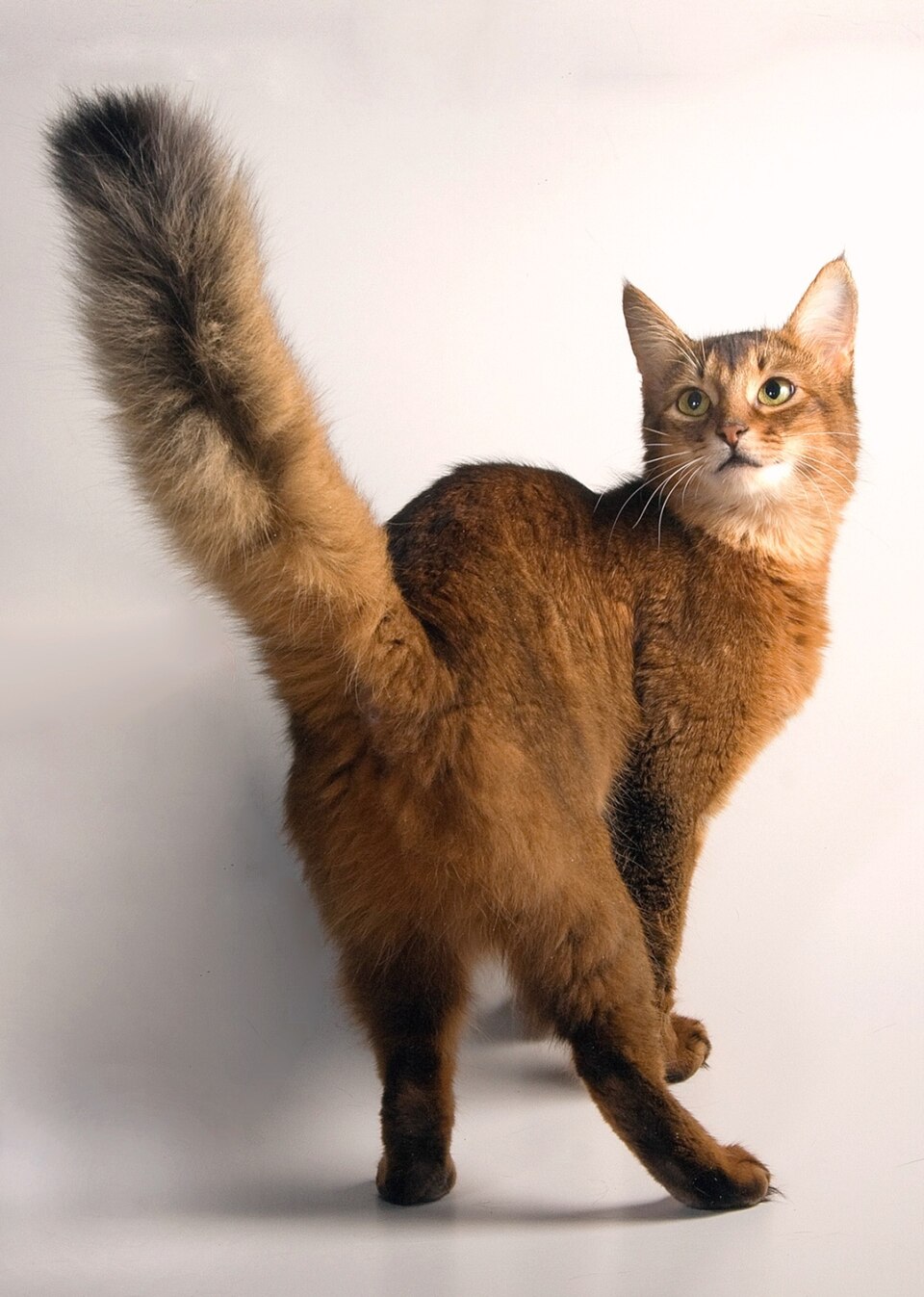
Somali
A ticked, semi-long coat and a full tail; the name does not mean a wild fox. The Somali is a domestic cat breed developed in connection with long-haired traits in Abyssinian lines. Having a country’s name does not make it a separate wild cat discovered in Somalia.
Read the guide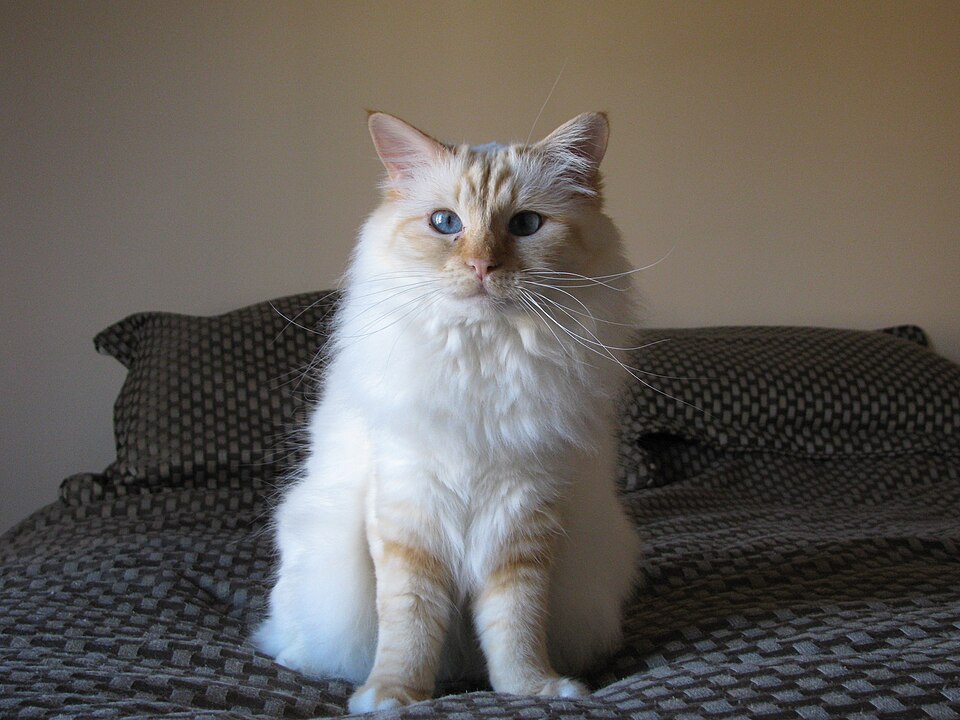
Birman
Blue eyes and white gloves distinguish this semi-long-haired breed from the Burmese. The Birman is famous for traditions linked to temples in Myanmar, but legends cannot prove every aspect of the modern breed’s origins. Breeding in France and subsequent registration records form an important part of its modern history.
Read the guide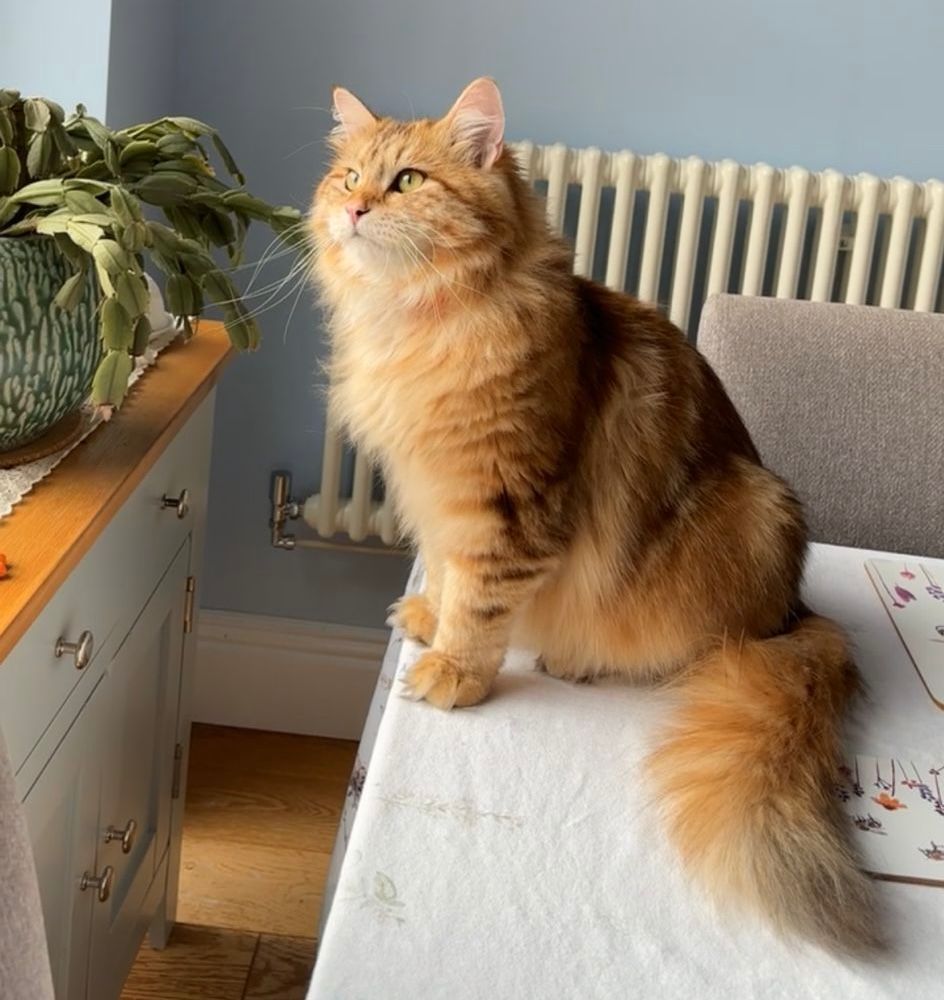
Siberian
A dense, layered coat and a solid body do not guarantee freedom from allergies. The Siberian is a domestic cat breed connecting the history of regional Russian cats with modern breed registration. Old stories and actual showing and breeding records are different kinds of evidence.
Read the guide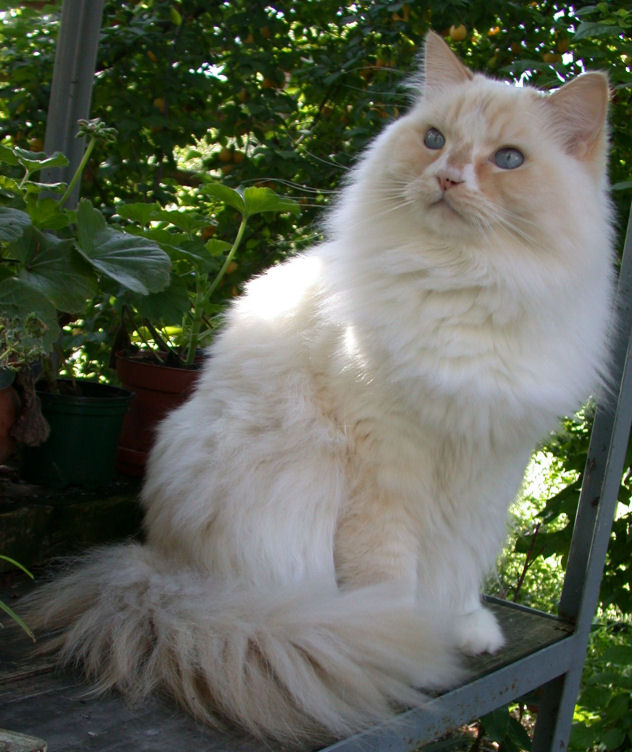
RagaMuffin
A large body and varied coat colors; check registration standards that differ from the Ragdoll’s. The RagaMuffin developed under separate standards after splitting from Ragdoll-related breeding populations in the United States. Despite similar names and a historical relationship, the two do not share the same registered name today.
Read the guide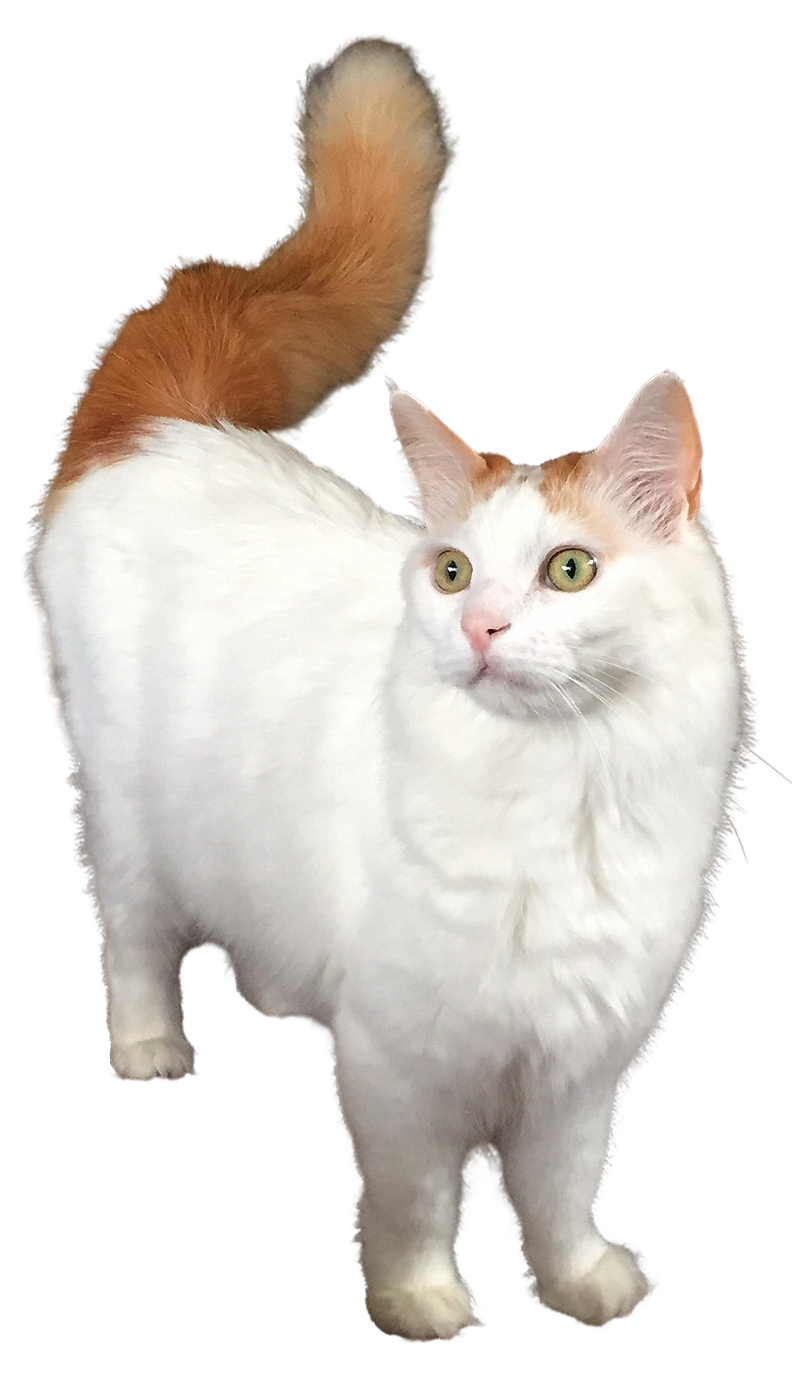
Turkish Van
A mostly white body with color on the head and tail; assess the water-loving nickname individually. The Turkish Van is a breed linked to cats from Türkiye, with modern breeding standards developed in the United Kingdom. It is separate from the Turkish Angora, which shares the same country of association.
Read the guide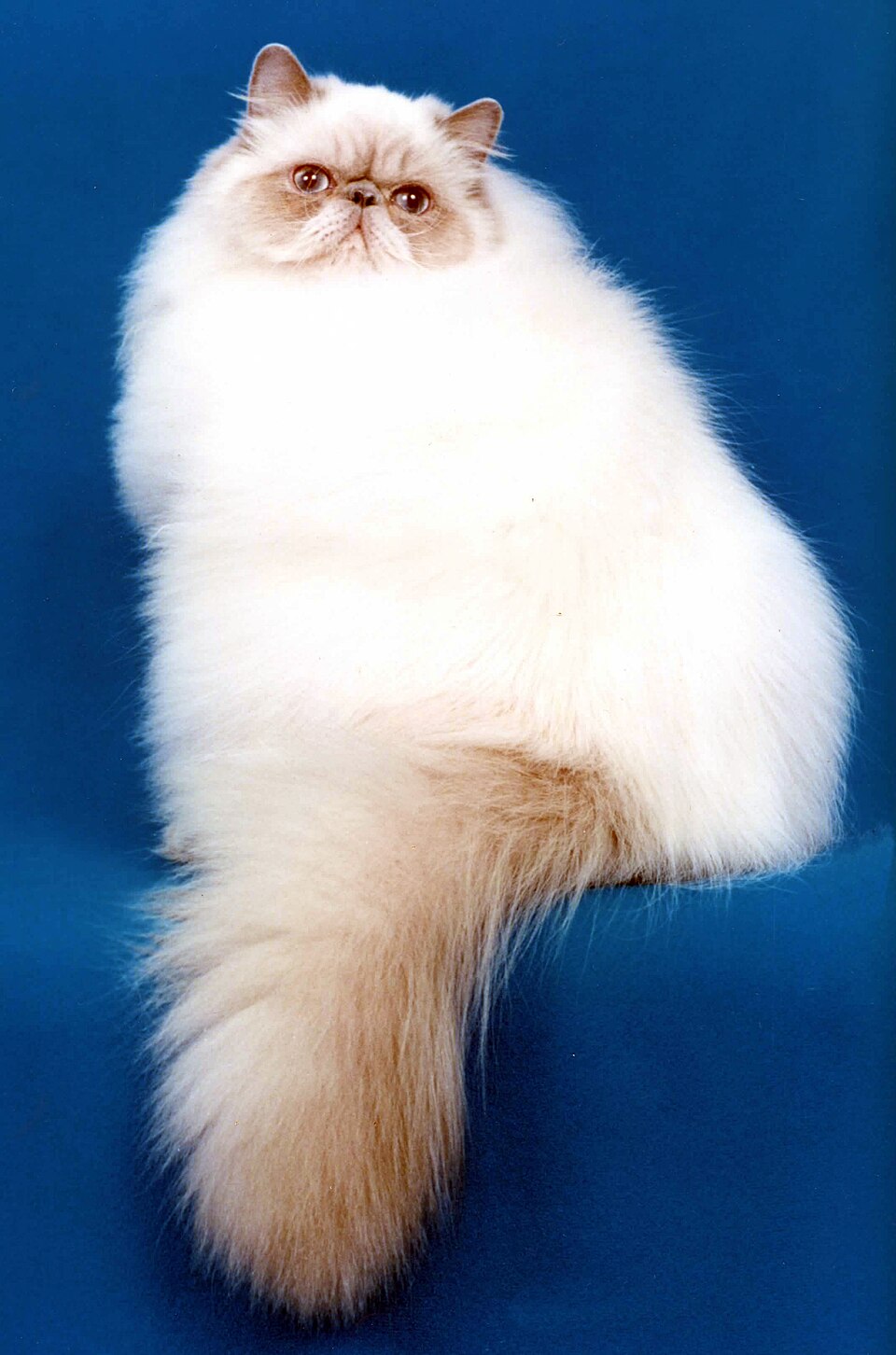
Himalayan
A long-haired cat with points and blue eyes, rather than a wild mountain species. The Himalayan developed through breeding that combined the Persian’s build and long hair with point coloration from Siamese lines. Its name does not designate a wild cat species discovered in the Himalayas.
Read the guide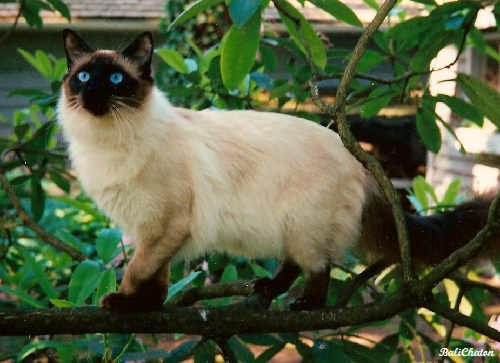
Balinese
Points and blue eyes; distinguish a dance-inspired name from the actual origin. The Balinese is a domestic cat breed developed in the United States from long-haired traits appearing in Siamese lines. Its name connects its graceful impression with Balinese dance; it does not mean a wild cat or endemic species from Bali.
Read the guide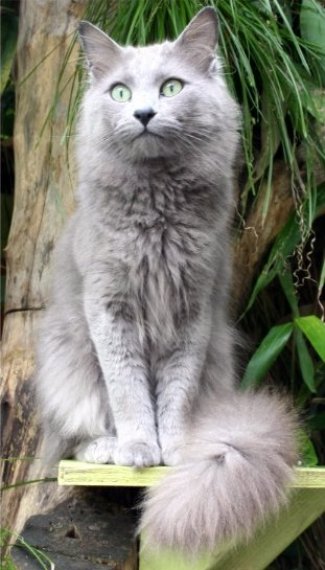
Nebelung
Silvery semi-long fur and green eyes; a distinct name from a long-haired Russian Blue. The Nebelung developed from blue-gray long-haired domestic cat lines in the United States. Its name is associated with mist-like imagery, but does not designate a German wild cat species.
Read the guide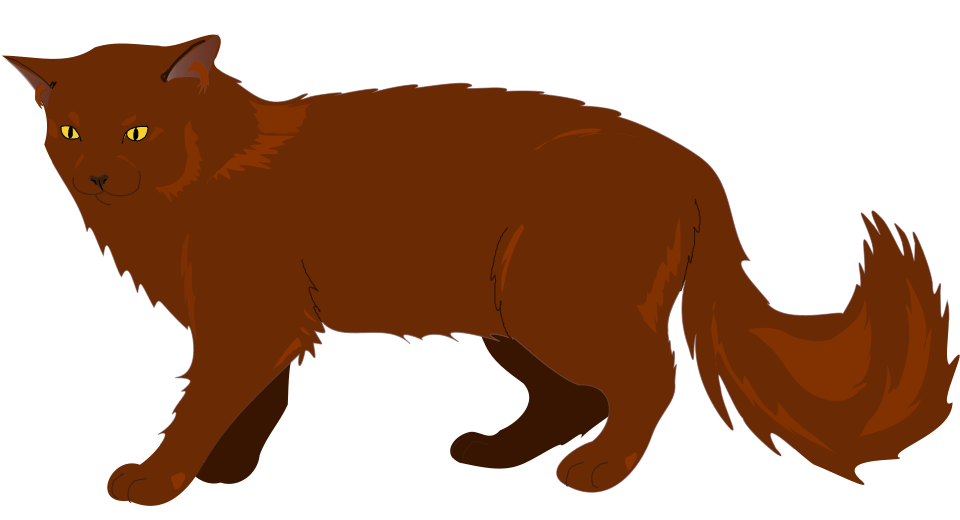
Chantilly-Tiffany
Chantilly-Tiffany through historical records and an explanatory illustration. Chantilly-Tiffany names historical breeding lines developed in North America around chocolate-colored, semi-long-haired cats. Changes in names and registration mean its scope cannot simply be equated with a typical current breed listing from a modern organization.
Read the guide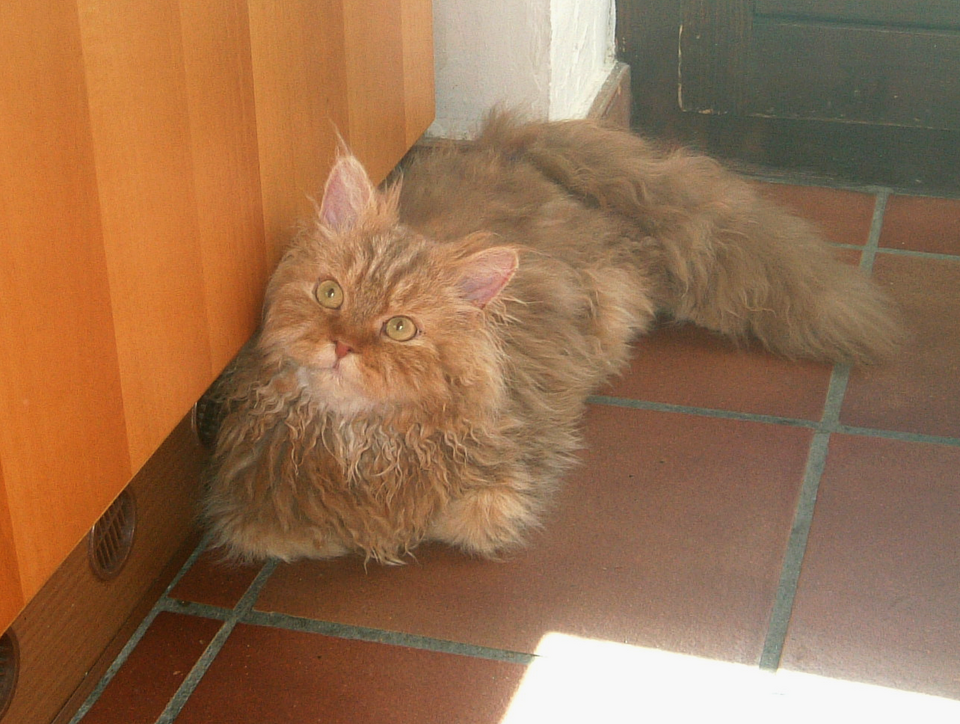
Selkirk Rex
A full curly coat and a rounded body; coat texture differs among Rex breeds. The Selkirk Rex developed from a curly-coated domestic cat found in Montana in the United States. Despite similar names, its curls do not share the same origin as those of the Devon and Cornish Rex.
Read the guide