
Cats
Turkish Angora
Turkish Angora
Classification and scientific name: Felis catus
Sources checked:
A fine body and light, long coat; this breed is not exclusively white
The Turkish Angora is connected with Türkiye's long-haired cat tradition and modern conservation and registration history. Distinguish long-haired cats that traveled to Europe from modern breed standards.
Origins and distribution
A history of long-haired cats in Türkiye and conservation breeding
- Turkish Angora
- Domestic cat
- Observe individual temperament
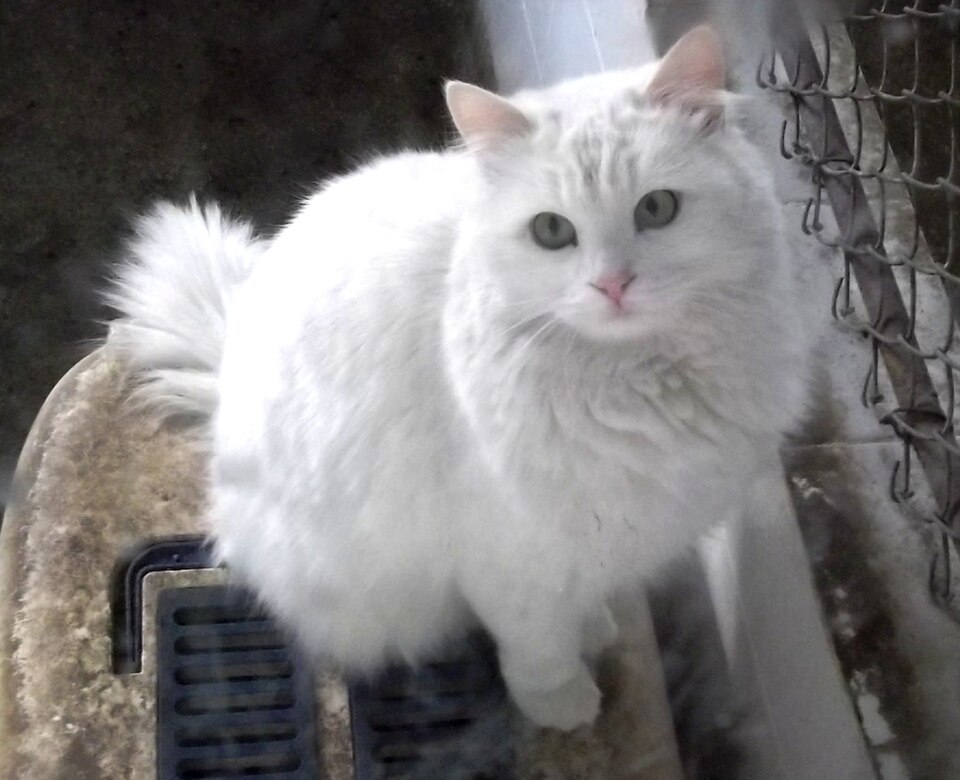
Reference photograph
Reference photograph of a Turkish Angora. Examine this individual's color and form alongside the identification descriptions in the text.
Source: Ankarakediler · Original material · CC BY 3.0
1. Classification, origins and habitat
The Turkish Angora is connected with Türkiye's long-haired cat tradition and modern conservation and registration history. Distinguish long-haired cats that traveled to Europe from modern breed standards. Although Angora was at times used as a synonym for long-haired cats generally, today's registered breed has its own standard. The Turkish Van has different body features, patterns and registration history, despite the similar geographic associations in the names. A photograph of a white long-haired cat does not establish pedigree.
2. Appearance and identification
Observe the relatively slender, elegant body, long soft coat, full tail and large ears. White is famous, but several colors are recognized; white fur and odd-colored eyes should not be described as universal features. Eye color and coat length and density vary with the individual, growth and season. Distinguish the apparent size created by long hair from actual build. Overall proportions differ from a Persian's round, flat face.
3. Behavior and way of life
Descriptions mention an interest in activity, exploring high places and playing with people. An elegant appearance does not mean a temperament that always rests quietly. Cats may use wardrobes or shelves, so also examine safe routes up and down. How much contact an individual permits depends on experience and circumstances. Include in your observations that the same white coat or different eye colors do not guarantee particular affection or intelligence.
4. Observation, conservation and care
Check the soft long coat for tangles and shedding, and examine the skin underneath the body. Liking heights does not mean being safe on railings or at windows. Provide footholds for descending, sturdy resting places, and room to hide and play. Do not determine hearing or individual health from eye color alone; seek an individual assessment when needed. In photographs, consider the long coat, full-body proportions and provenance together, rather than grouping all white cats into the same breed.
Evidence and references
- Cat Fanciers’ Association — Turkish Angora
Breed background, appearance standards and temperament overview
- The International Cat Association — Turkish Angora
Breed characteristics, coat, activity and everyday care