
Cats
Turkish Van
Turkish Van
Classification and scientific name: Felis catus
Sources checked:
A mostly white body with color on the head and tail; assess the water-loving nickname individually
The Turkish Van is a breed linked to cats from Türkiye, with modern breeding standards developed in the United Kingdom. It is separate from the Turkish Angora, which shares the same country of association.
Origins and distribution
Turkish lines; modern breed development in the United Kingdom
- Turkish Van
- Domestic cat
- Assess each individual’s temperament
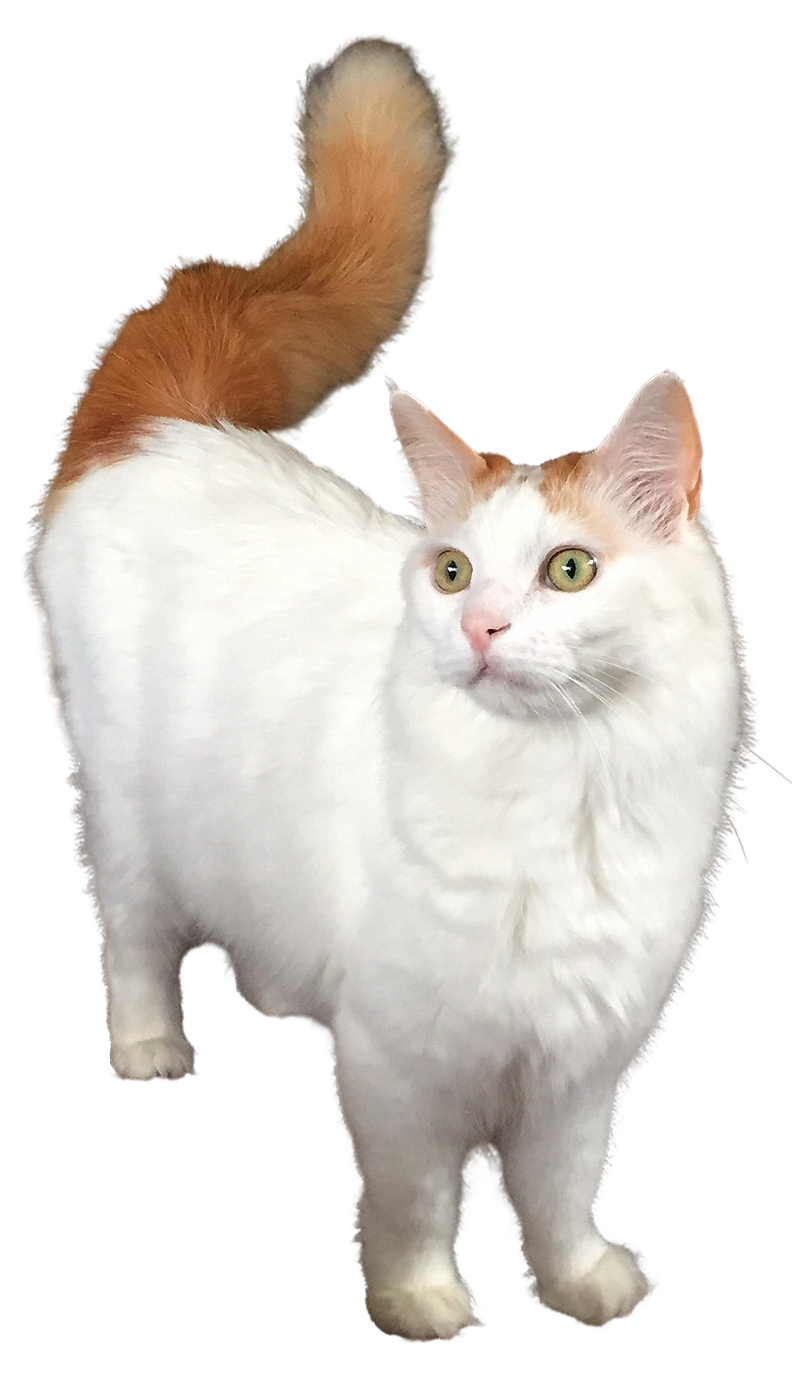
Reference photograph
Reference photograph of a Turkish Van. Examine this individual’s color and form alongside the identification descriptions in the text.
Source: Matsu1024 · Original material · CC BY-SA 4.0
1. Classification, origins and habitat
The Turkish Van is a breed linked to cats from Türkiye, with modern breeding standards developed in the United Kingdom. It is separate from the Turkish Angora, which shares the same country of association. Distinguish the pattern term van from the registered breed name: not every domestic cat with color on the head and tail is a Turkish Van. Traditional regional cat populations and international organizations’ standards can also have different scopes. Check appearance together with the photograph’s source records.
2. Appearance and identification
A pattern with color concentrated on the head and tail against a mostly white body, a sturdy build and semi-long fur are well known. Eyes can be blue, amber or different colors, so odd eyes should not be presented as the only standard. Coat volume and the neck ruff can change with season and age. Observe pattern placement alongside the proportions of the face, body and tail. Abundant white fur alone cannot determine an individual’s hearing or health.
3. Behavior and way of life
The breed is famous as the swimming cat because some individuals show an interest in water, but this does not mean that every cat wants to enter it. Investigating a water bowl or running water in play and actually swimming are also different behaviors. Even with a tendency to enjoy activity and exploration, consider individual experience and circumstances. Do not put a cat in water to test a breed characteristic. Respecting the choice to approach and withdraw voluntarily is fundamental to observation.
4. Observation, conservation and care
Brush the semi-long coat while checking skin, tangles and actual body condition. Provide sturdy elevated places and room to move suited to its large body. If it is interested in water, also check accident risks around open bathtubs and water containers. Do not turn the breed’s nickname into a recommendation for swimming experiences. Connect photograph and text through representative markings and accurate sourcing, without identifying every non-pedigree cat with a van pattern as a registered Turkish Van.
Evidence and references
- Cat Fanciers’ Association — Turkish Van
Breed background, appearance standards and temperament descriptions
- The International Cat Association — Turkish Van
Breed characteristics, coat, activity and daily care