
Cats
British Shorthair
British Shorthair
Classification and scientific name: Felis catus
Sources checked:
Rounded contours and a dense coat: this breed comes in more than blue
The British Shorthair’s standards developed through the history of domestic cats in Britain and modern cat shows. Stories of ancient Rome or resemblances to cats in literature must be distinguished from verified pedigree records of modern individuals.
Origins and distribution
A short-haired domestic cat breed whose standards were established in Britain
- British Shorthair
- Domestic cat
- Consider the individual’s temperament
Reference photograph
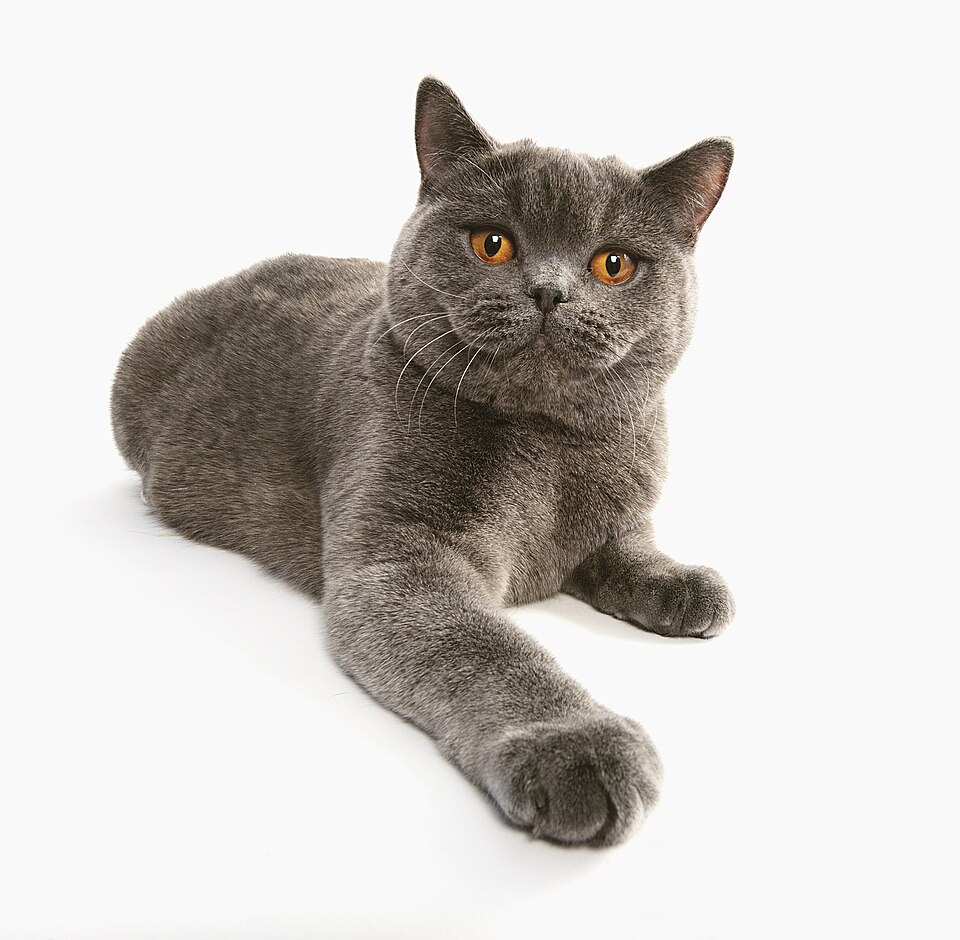
Reference photograph of a British Shorthair cat. Compare the individual’s color and shape with the identification notes in the text.
Source: BritishEmpire · Original material · CC BY-SA 3.0
1. Classification, origins and habitat
The British Shorthair’s standards developed through the history of domestic cats in Britain and modern cat shows. Stories of ancient Rome or resemblances to cats in literature must be distinguished from verified pedigree records of modern individuals. Features selected through breeding and registration form modern breed standards. Check coat length and registration classification to distinguish it from the similarly named British Longhair. The name does not refer to every short-haired cat born in Britain.
2. Appearance and identification
A rounded head and cheeks, a stocky body and a short, dense coat stand out. Although blue-gray, called blue, is famous, there are many colors and patterns; do not describe blue as the only standard. Sex and stage of growth also affect cheek development. Do not equate a rounded appearance with excess weight; consider the balance of the torso, legs and movement. When comparing it with a similarly gray Russian Blue, examine the proportions of the head and body and the structure of the coat together.
3. Behavior and way of life
The breed is described as tending to be calm and to stay nearby on its own terms, but not every individual likes or dislikes being held. Resting beside someone is also a form of interaction. Do not conclude that a cat lacks affection because it does not climb onto a lap. A reputation for quietness should be considered alongside age and activity times, and sudden avoidance of play or movement should not be dismissed simply as personality.
4. Observation, conservation and care
Maintain the dense coat with gentle brushing and observe seasonal shedding. Do not automatically increase food because of the stocky body; consider actual body condition and activity together. Provide floor-level play, stable places to climb onto and quiet hiding places. Let the cat choose contact, and do not forcibly restrain its body to photograph a round face. Match photographs to the text by checking overall proportions and source information as well as color.
Evidence and references
- Cat Fanciers’ Association — British Shorthair
Breed background, appearance standards and temperament overview
- The International Cat Association — British Shorthair
Breed characteristics, coat, activity and everyday care