
Short-Haired Cats
Explore short-haired pedigree breeds and domestic cats. A similar coat color or pattern alone does not establish a registered breed, ancestry or temperament.
Published animal profiles
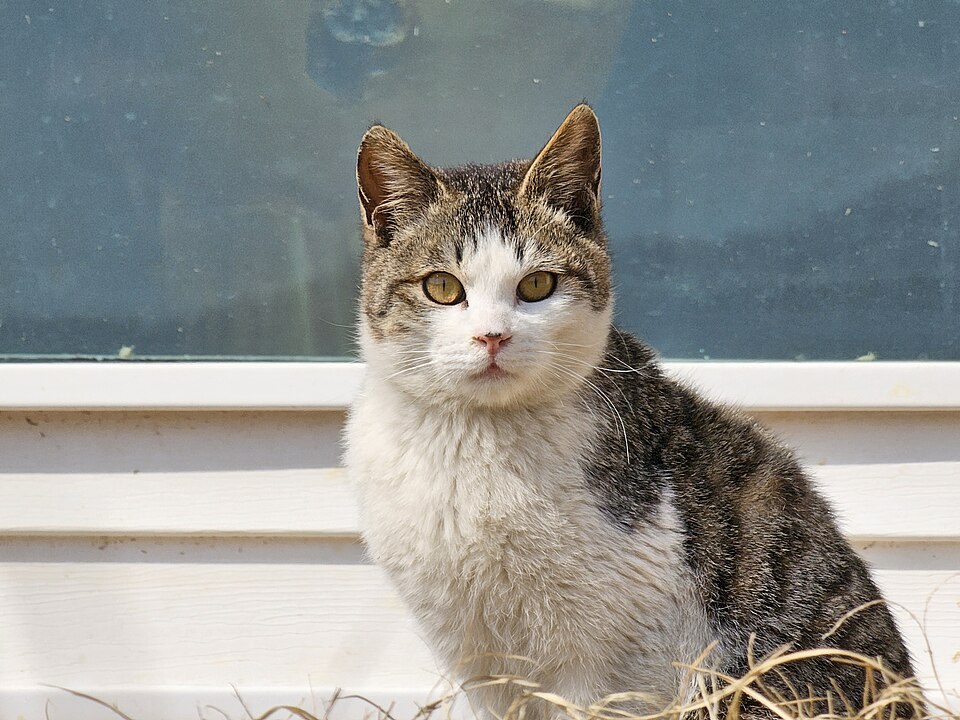
Korean Shorthair
Korean Shorthair is not the name of a single fixed pedigree breed. It is an everyday name for short-haired domestic cats in Korea. It is not one pedigree breed with particular founding animals and registration standards, nor a separate species of wild cat.
Read the guide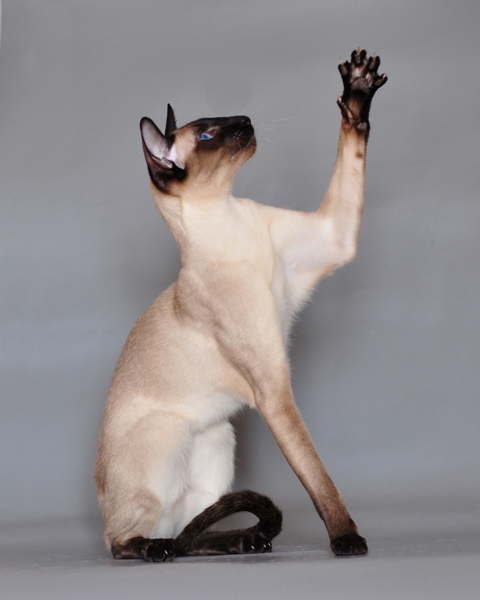
Siamese
Point markings and blue eyes: changes in color are separate from personality. The Siamese is a domestic cat breed associated with Thailand’s cat traditions, with modern standards developed through Western cat shows and registration. It helps to understand the historical name Siam alongside the present-day name Thailand.
Read the guide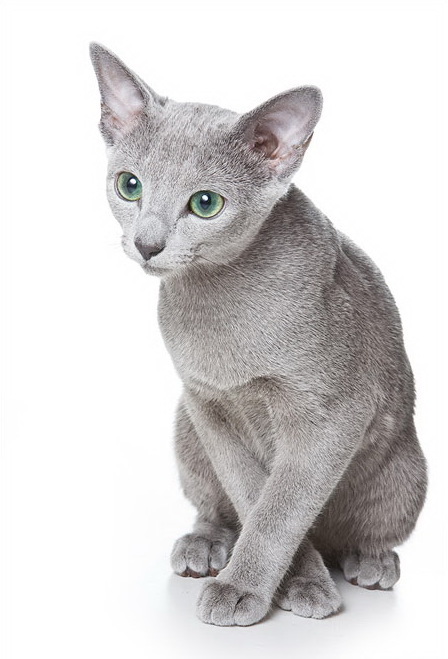
Russian Blue
Observe the silvery blue-gray double coat together with the green eyes. The Russian Blue is traditionally associated with origins in the port regions of northern Russia, and its modern breed standards were established through showing and breeding in Europe. Stories with insufficient early records should not be embellished into a confirmed royal pedigree.
Read the guide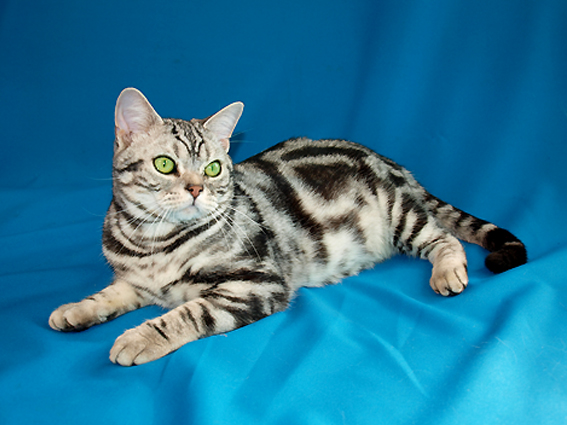
American Shorthair
A short-haired breed defined by more than just silver tabby markings. The American Shorthair developed with registration standards in connection with the history of domestic cats in North America. Stories of cats catching rodents on ships and farms explain its background, but do not mean every short-haired cat in America belongs to this pedigree breed.
Read the guide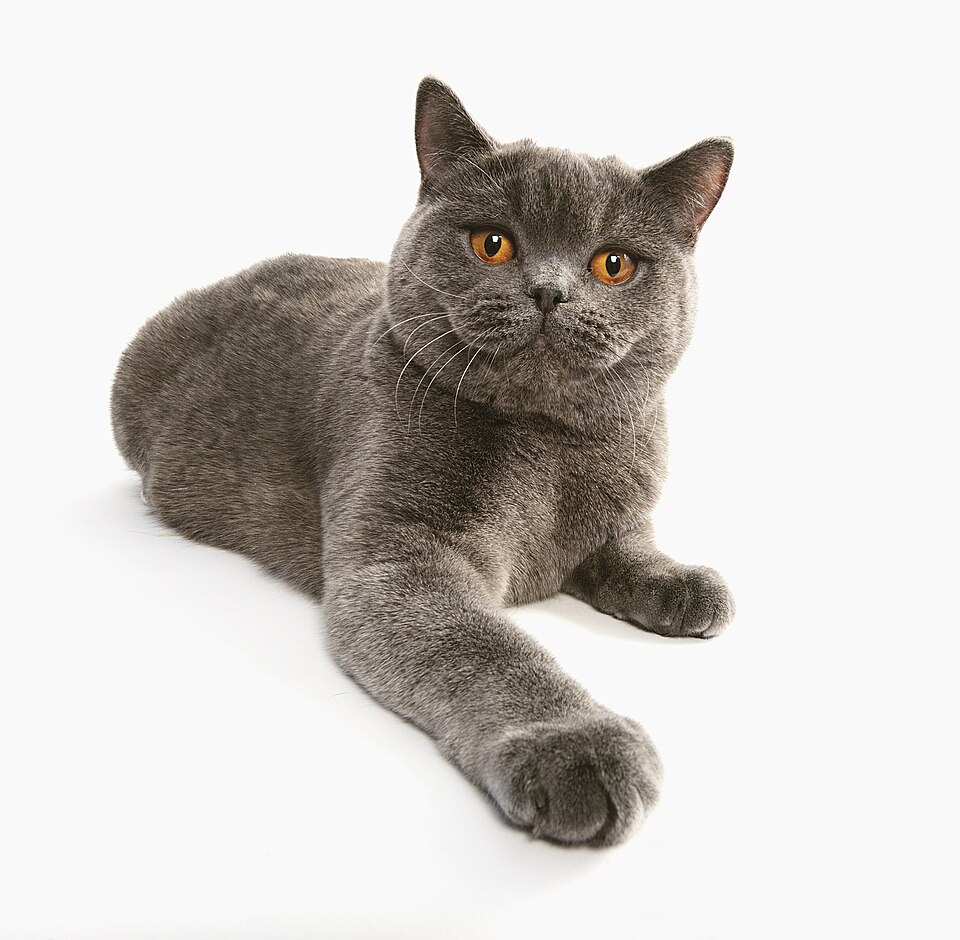
British Shorthair
Rounded contours and a dense coat: this breed comes in more than blue. The British Shorthair’s standards developed through the history of domestic cats in Britain and modern cat shows. Stories of ancient Rome or resemblances to cats in literature must be distinguished from verified pedigree records of modern individuals.
Read the guide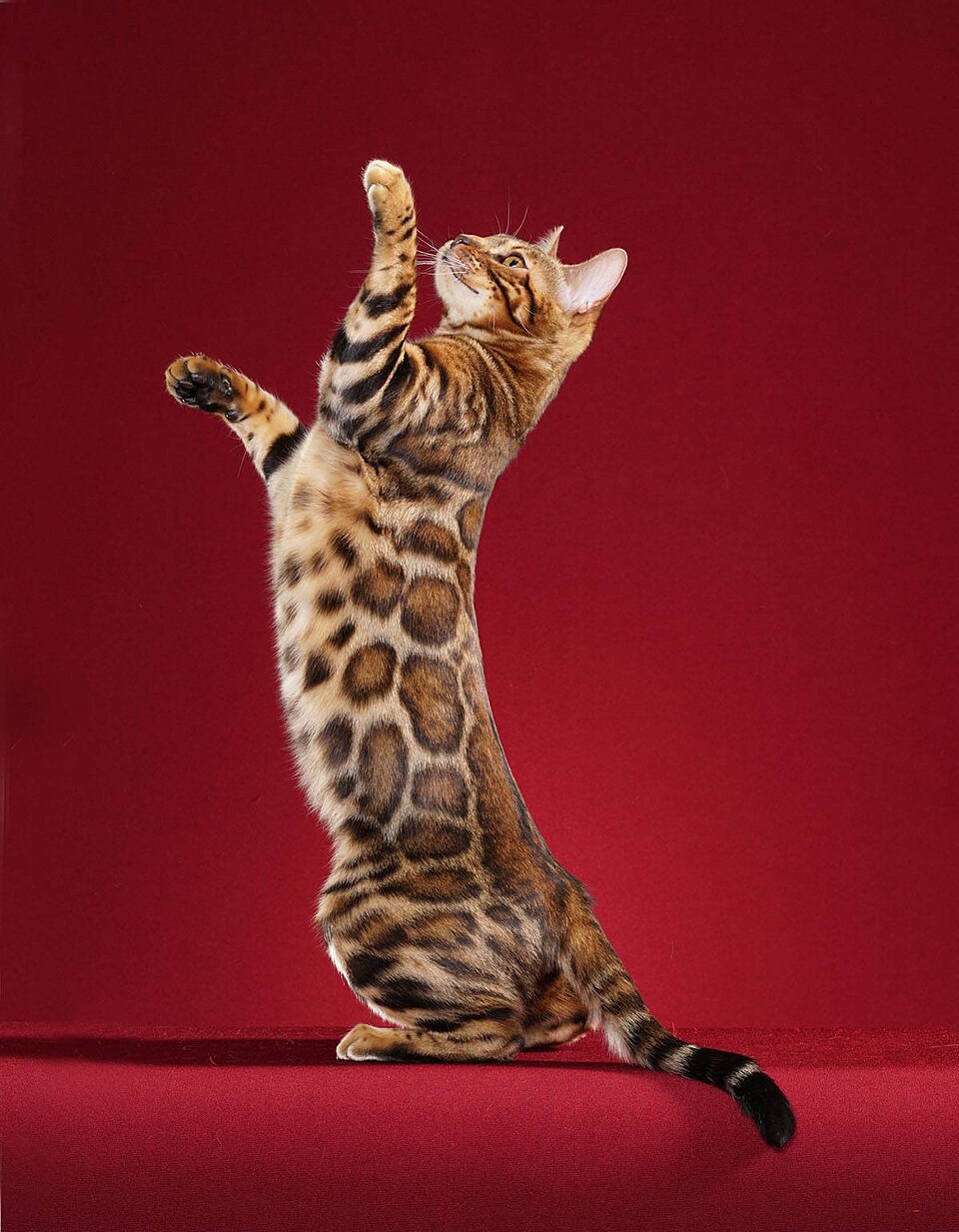
Bengal
Rosette and marbled markings and activity: a wild-looking appearance does not guarantee a temperament. The Bengal has a history of crosses between domestic cats and leopard cats, followed by the development of breeding and registration standards for it as a domestic cat. Distinguish the modern registered breed from early-generation hybrids.
Read the guide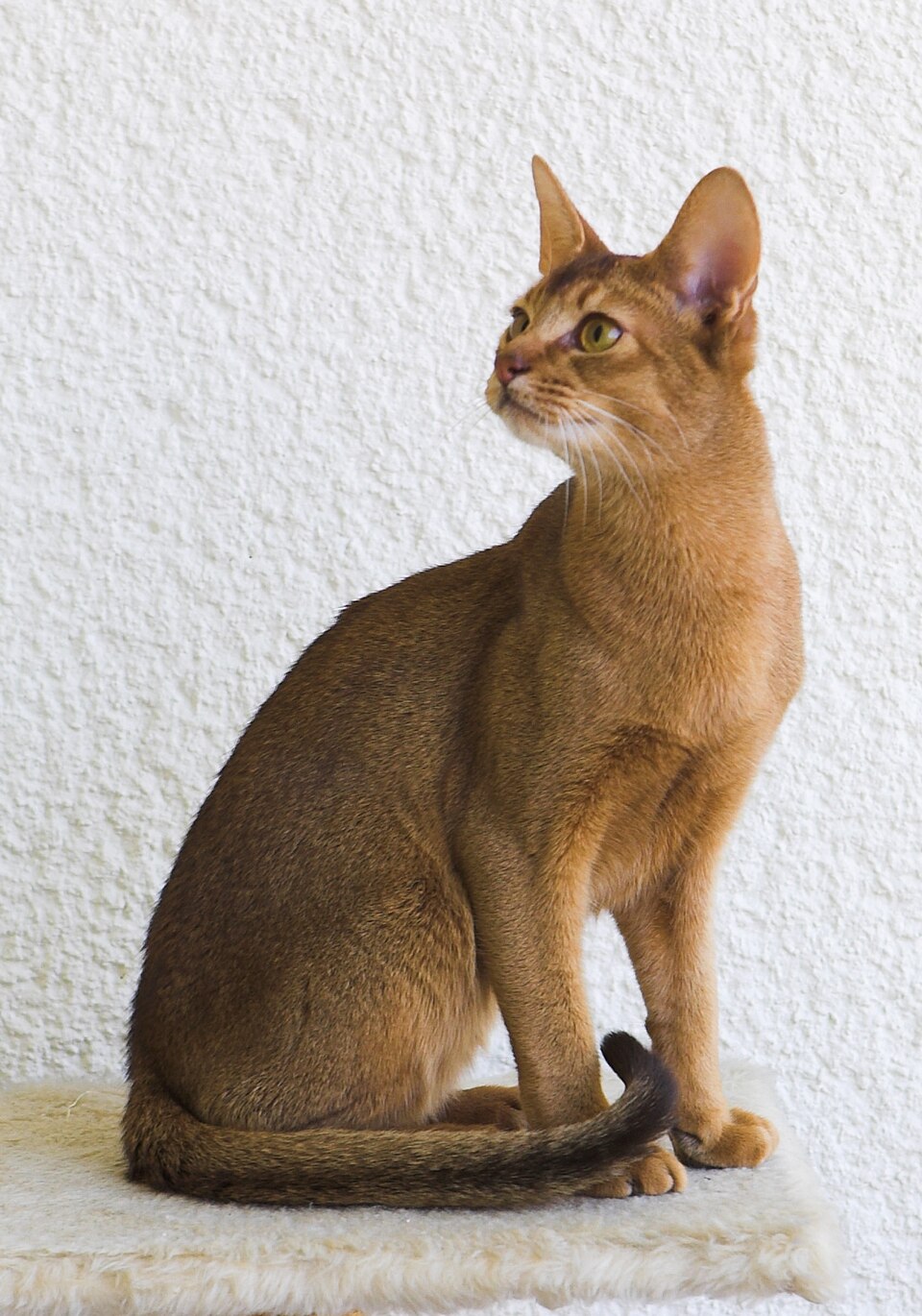
Abyssinian
A ticked coat and a sleek body are characteristic; the name alone does not establish an ancient pedigree. Although “Abyssinian” is connected with the former name Abyssinia, the precise early origins of the modern breed cannot be settled by a single country name. Breed standards developed through modern British exhibition and breeding records.
Read the guide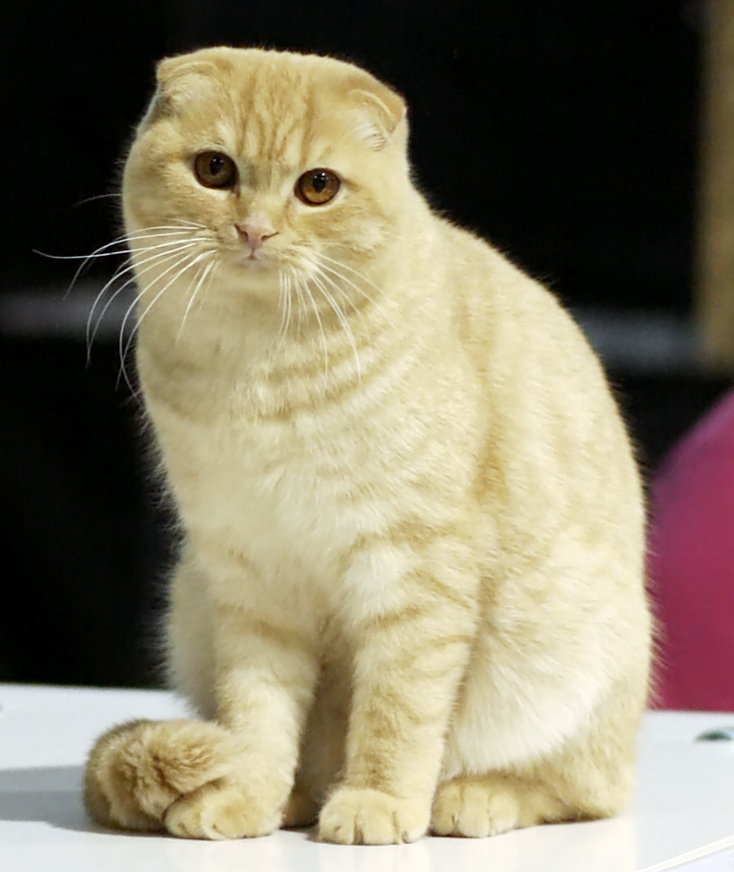
Scottish Fold
Folded ears must be discussed alongside cartilage and joint health. The Scottish Fold developed from a folded-ear trait discovered in Scotland. Ear shape is associated with a particular genetic variant, not simply decoration.
Read the guide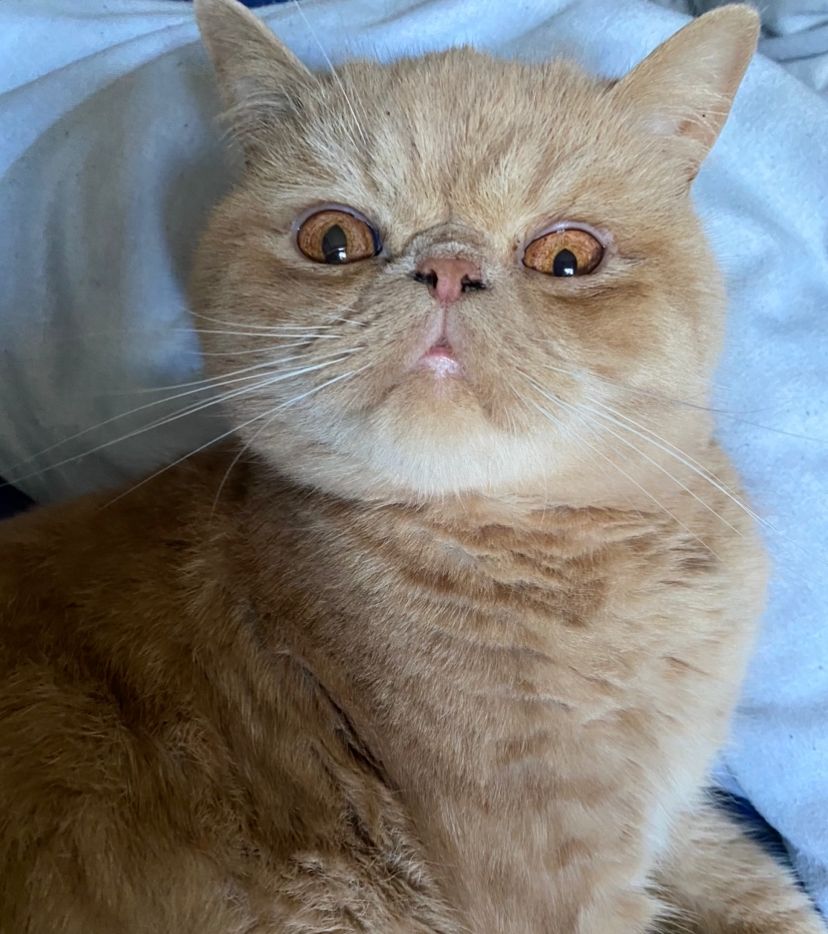
Exotic Shorthair
A convenient short coat does not remove facial and eye welfare concerns. The Exotic Shorthair developed through breeding Persians with other shorthaired breeds. Exotic does not mean a cross with a wild species.
Read the guide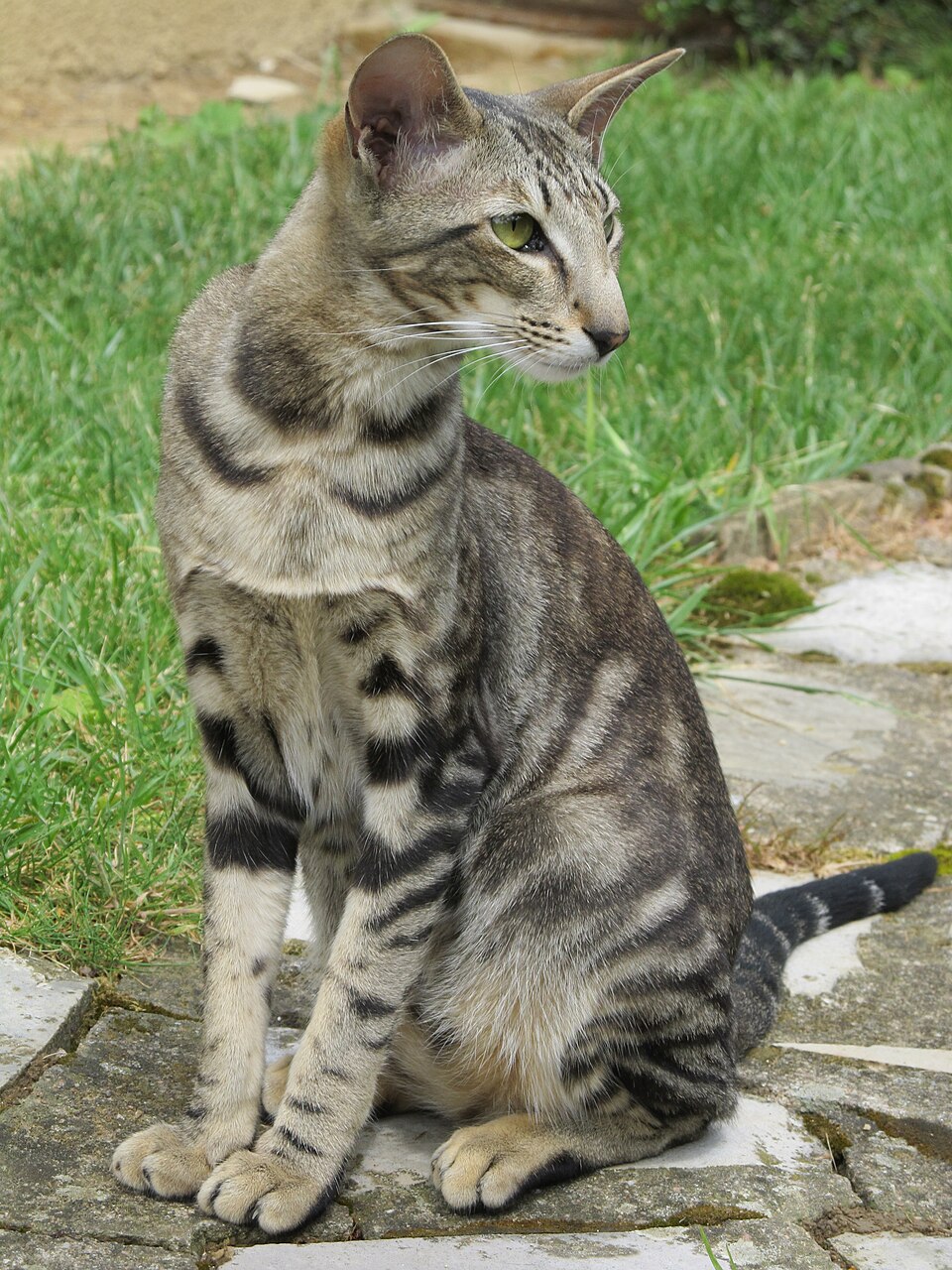
Oriental Shorthair
Slender body, large ears and many colors in a shorthaired Oriental. This domestic breed developed varied colors and patterns on a body type connected with Siamese cats. Oriental does not mean all shorthaired cats across Asia.
Read the guide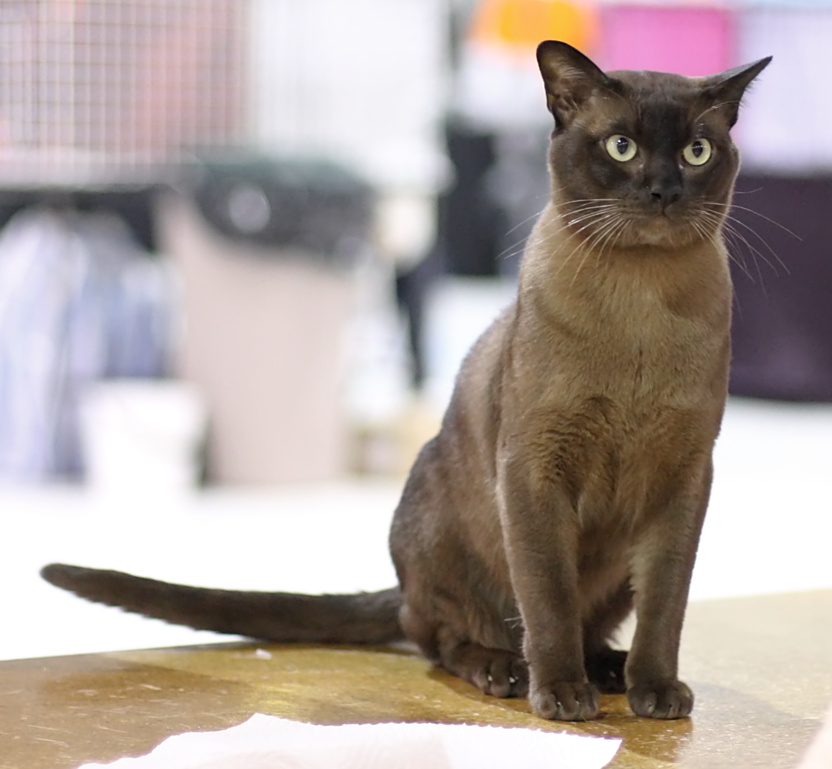
Burmese
A short, glossy coat and a solid body are characteristic; this is a different breed from the Birman. Burmese breeding standards developed in the United States and Europe from domestic cat ancestry connected with Myanmar. Despite the similar names, Burmese and Birman are separate breeds; sharing a country reference does not make their appearance and registration histories the same.
Read the guide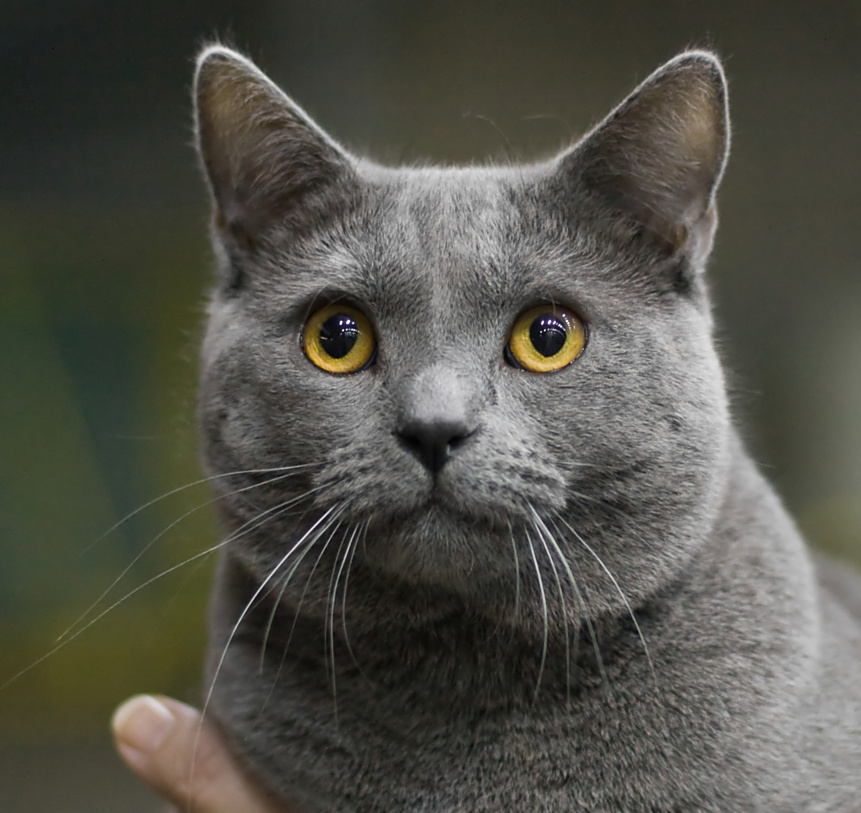
Chartreux
Thick blue-gray coat and copper eyes: distinguish tradition from records. This domestic breed is associated with France, with several traditions about its name and early history. Monastery stories do not establish the origins of every documented lineage.
Read the guide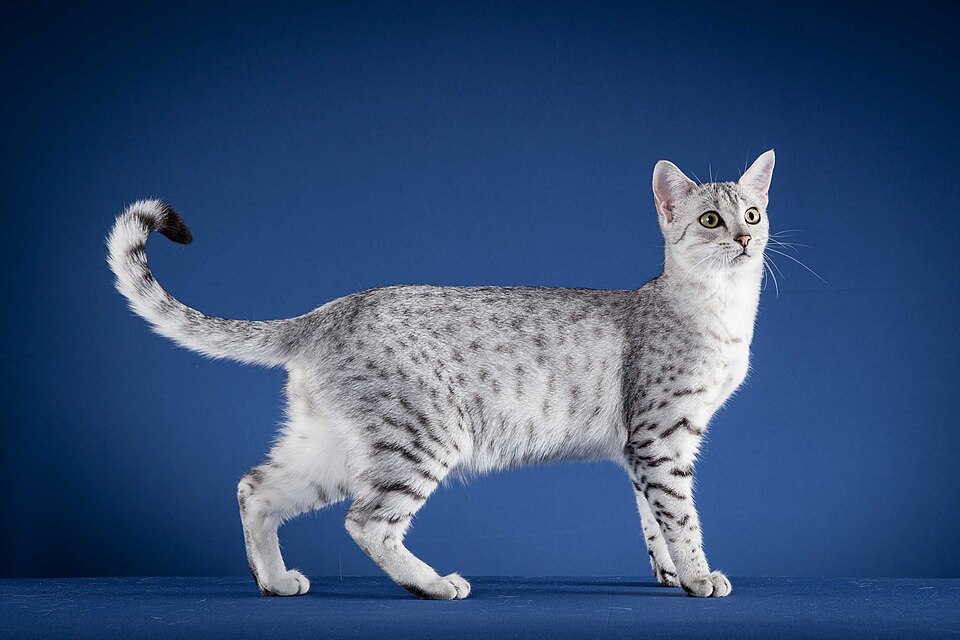
Egyptian Mau
Spots and forehead markings are characteristic; distinguish ancient wall paintings from modern pedigrees. The Egyptian Mau is a spotted breed connected with cats from Egypt, whose standards developed through modern registration and breeding. “Mau” in its name is introduced as a word related to cats.
Read the guide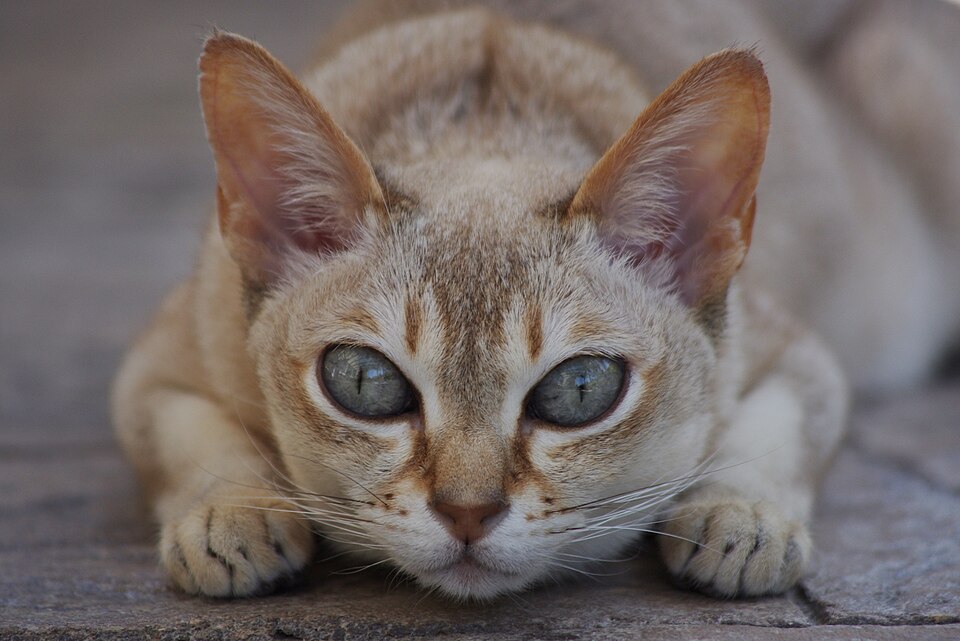
Singapura
Small build and sepia ticked coat do not exempt a cat from care. The Singapore-associated name belongs to a breed whose registration standards developed in the United States. Sources emphasize early movements and origins differently; not every Singapore street cat belongs to this lineage.
Read the guide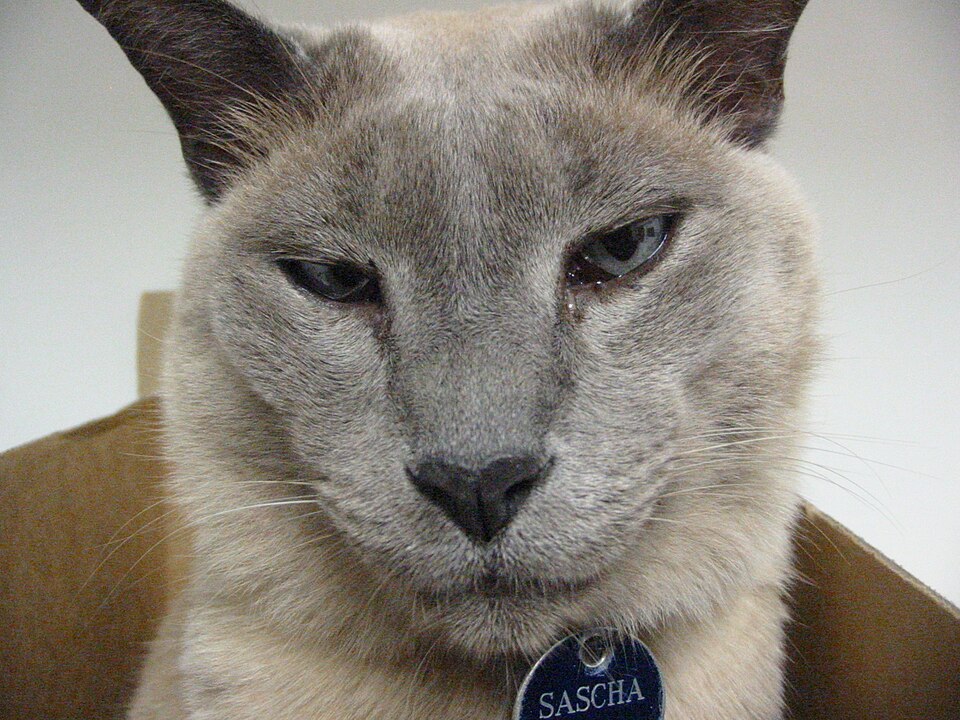
Tonkinese
Read point/body contrast alongside the range of eye and coat colors. Modern standards developed through breeding Siamese and Burmese lines. The place-associated name does not describe a separate wild species naturally arising there.
Read the guide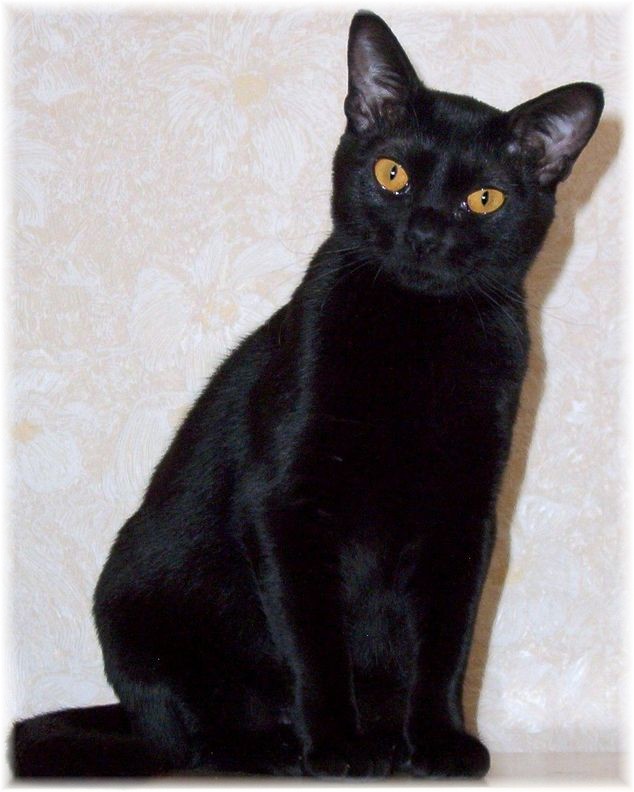
Bombay
Black fur and copper-colored eyes are characteristic; this is not a cat crossed with a black panther. The Bombay was developed in the United States using Burmese and American Shorthair ancestry, among other lines. Although named after an Indian city, it was not produced by breeding with wild black panthers captured in India.
Read the guide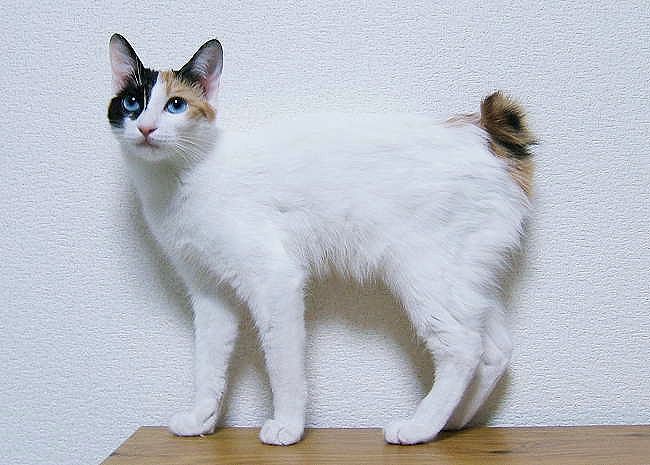
Japanese Bobtail
A rabbit-like short tail differs from the Manx’s taillessness. This breed is linked to Japan’s short-tailed domestic cats. Cats in art and culture provide historical context, but not every short-tailed cat belongs to the modern registered breed.
Read the guide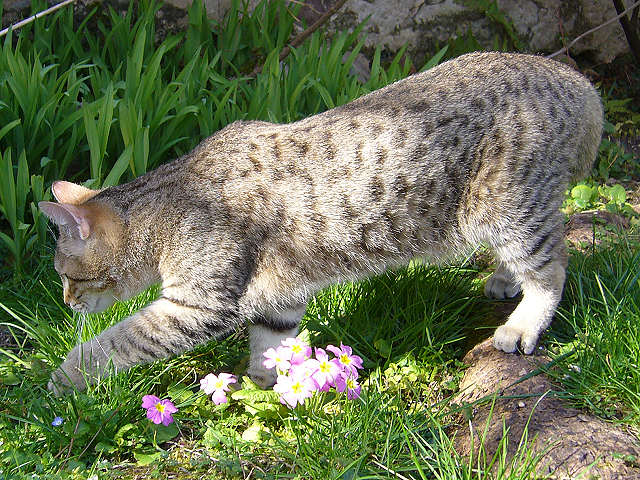
Pixie-bob
Distinguish its short tail and wild-looking form from bobcat-hybrid legends. The Pixie-bob developed from domestic cats in the northwestern United States. Stories of bobcat crosses do not establish a confirmed wild-bobcat ancestry.
Read the guide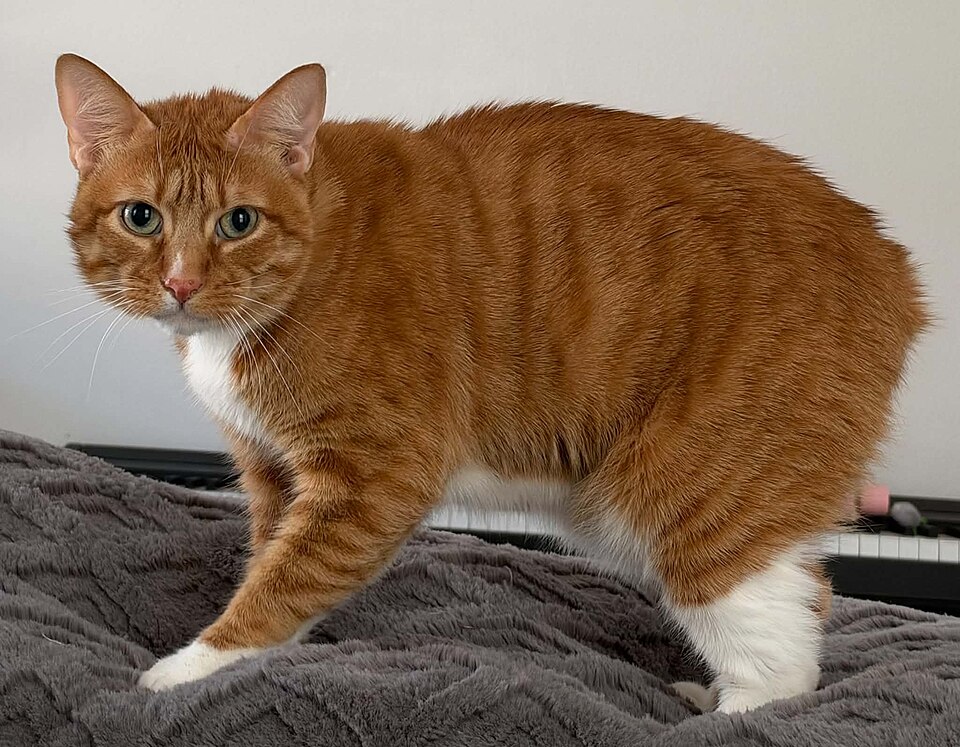
Manx
Consider tail diversity together with spinal health and daily wellbeing. The Manx is a domestic breed linked to the Isle of Man, known for short or absent tails. The tale of a tail caught in Noah’s Ark door is an interesting legend, not a biological origin.
Read the guide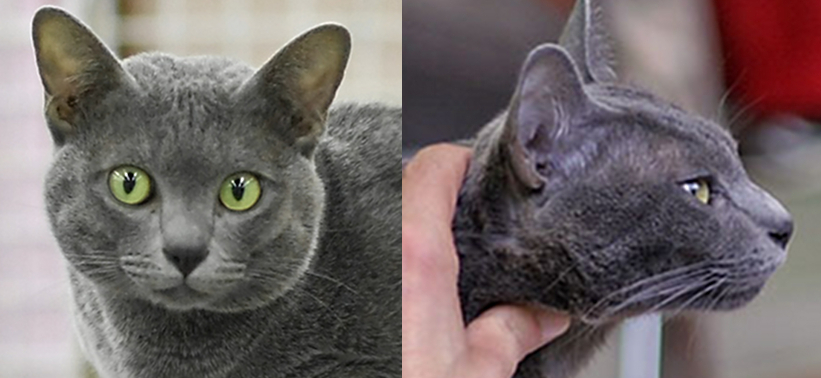
Korat
Silver hair tips and green eyes: lucky traditions are not proof of pedigree. The Korat is connected to Thai cat traditions and stories of luck and gifts. Thai cat poetry and modern registration and breeding records are different kinds of background evidence.
Read the guide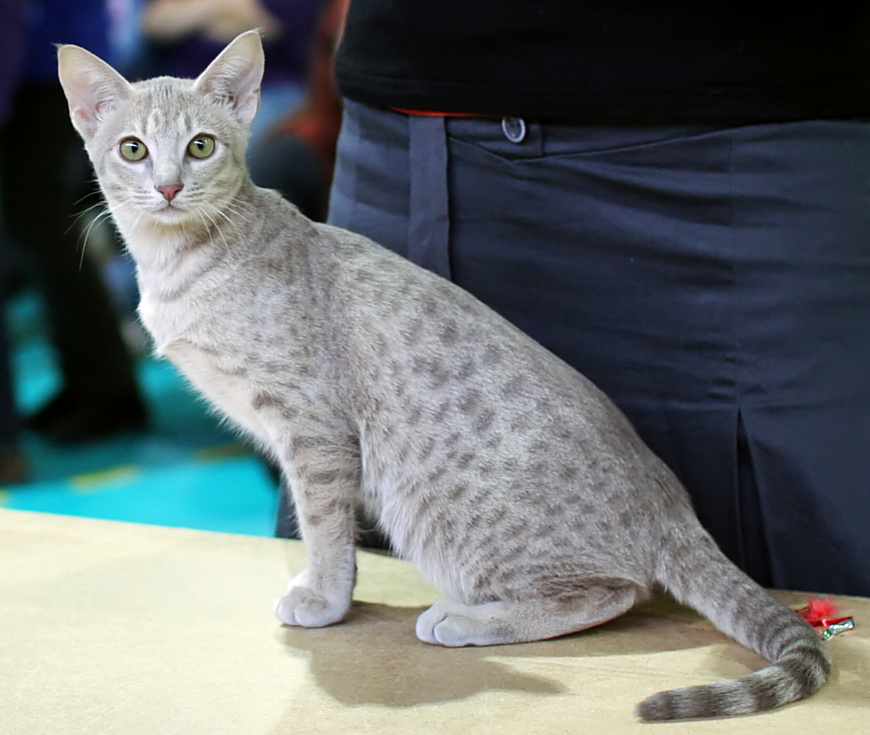
Ocicat
Ocelot-like spots and the actual origin are separate matters. The Ocicat developed in the United States through crosses involving domestic cat lines such as the Abyssinian and Siamese. Although the name and spots evoke an ocelot, it was not created by crossing with wild ocelots.
Read the guide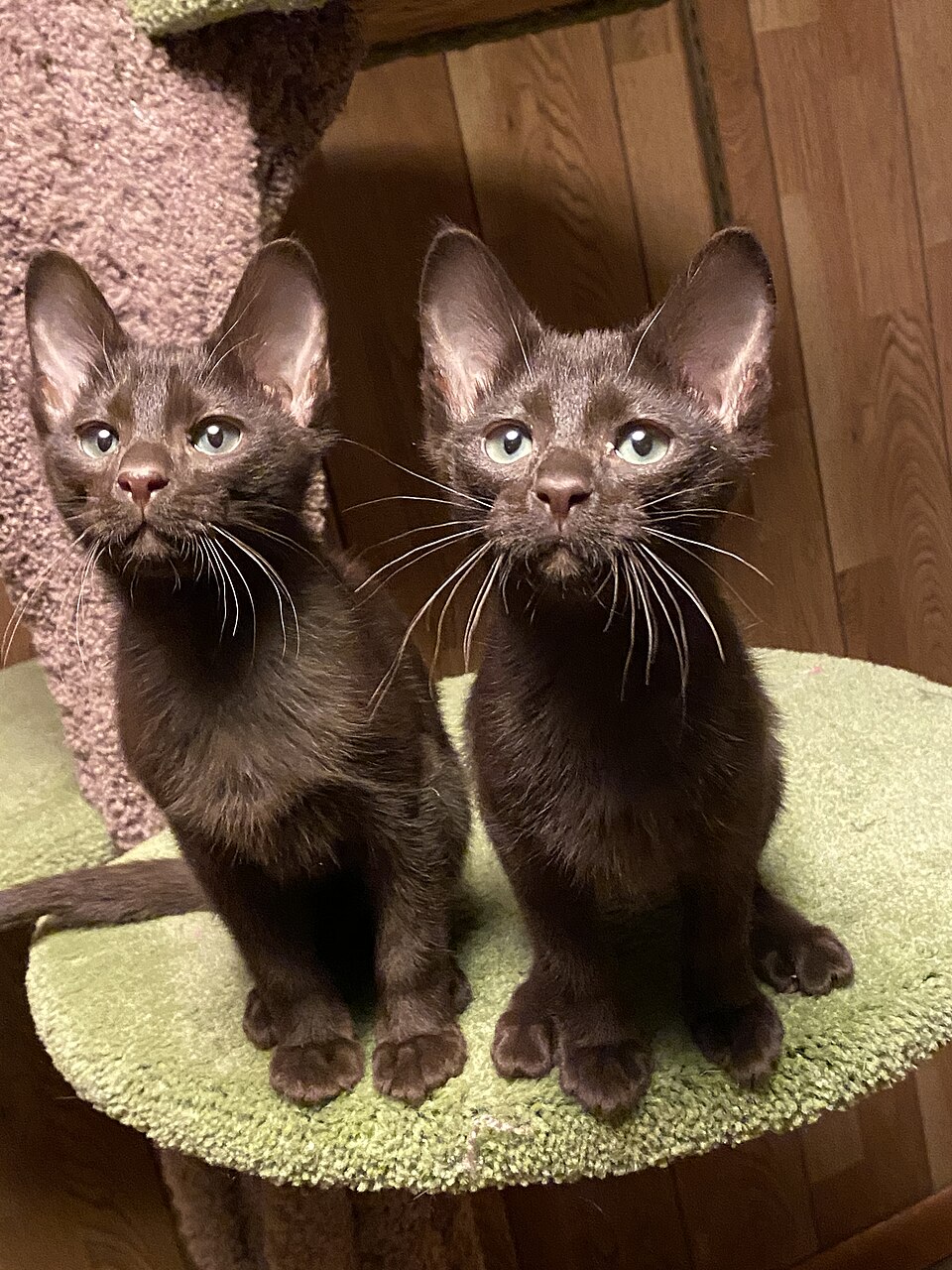
Havana Brown
Chocolate-colored fur and brown whiskers do not imply an origin in Cuba’s wild cats. The Havana Brown was developed through planned domestic-cat crosses in the United Kingdom, with separate appearance standards later established in the United States. Although its name contains a Cuban place name, the breed did not originate from Cuban wild cats.
Read the guide