
Cats
Russian Blue
Russian Blue
Classification and scientific name: Felis catus
Sources checked:
Observe the silvery blue-gray double coat together with the green eyes
The Russian Blue is traditionally associated with origins in the port regions of northern Russia, and its modern breed standards were established through showing and breeding in Europe. Stories with insufficient early records should not be embellished into a confirmed royal pedigree.
Origins and distribution
A breed traditionally associated with northern Russian origins, developed in Europe and elsewhere
- Russian Blue
- Domestic cat
- Consider the individual’s temperament
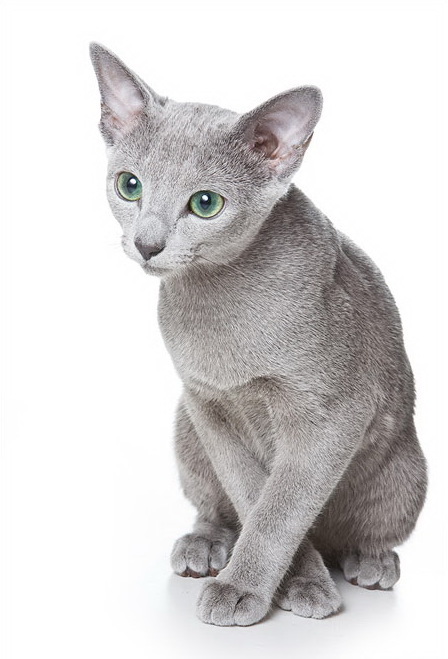
Reference photograph
Reference photograph of a Russian Blue cat. Compare the individual’s color and shape with the identification notes in the text.
Source: Anna Utekhina http://kidsphoto.ru/ · Original material · CC BY-SA 3.0
1. Classification, origins and habitat
The Russian Blue is traditionally associated with origins in the port regions of northern Russia, and its modern breed standards were established through showing and breeding in Europe. Stories with insufficient early records should not be embellished into a confirmed royal pedigree. “Blue” in its name is a cat-coat color term meaning blue-gray. The Korat and Chartreux can have similar colors, but they are not the same registered breed. A single photograph of a gray cat cannot establish its origins or pedigree.
2. Appearance and identification
A short, dense double coat with silvery-looking hair tips, together with green eyes in adults, is characteristic. Also examine the wedge-shaped head and ears and the proportions of the relatively slender legs and body. Kittens can have a different eye color from adults, and lighting can make the coat look darker or lighter. Comparing the outline around the mouth to a smile is different from identifying the cat’s emotions. Do not casually use a photograph of a long-haired Nebelung as though it were a long-haired variant of the same breed.
3. Behavior and way of life
The breed is described as tending to be cautious at first and to build relationships with familiar people, but individual experience and surroundings make a difference. Forcing a hiding cat out cuts short the time it needs to become familiar with its surroundings. Keep a safe distance and observe while it chooses to sniff and explore. An assessment that it seems quiet does not mean it has little need for play or social contact. Avoid assuming gentleness or shyness from the colors of the eyes and coat.
4. Observation, conservation and care
Brush the dense coat gently while checking the skin and shedding. A quiet resting space, a stable routine and opportunities for exploration and short play sessions are all needed. There is no guarantee that a blue-gray coat will not cause allergies, and coat color alone should not be used to advertise a medical advantage. In photographs, examine coat density and the proportions of the head and ears, while checking registration through separate records. In a new home, provide familiar smells and hiding places, and match the pace of adjustment to the individual.
Evidence and references
- Cat Fanciers’ Association — Russian Blue
Breed background, appearance standards and temperament overview
- The International Cat Association — Russian Blue
Breed characteristics, coat, activity and everyday care