
Cats
Burmese
Burmese
Classification and scientific name: Felis catus
Sources checked:
A short, glossy coat and a solid body; a different breed from the Birman
A short, glossy coat and a solid body are characteristic; this is a different breed from the Birman. Burmese breeding standards developed in the United States and Europe from domestic cat ancestry connected with Myanmar. Despite the similar names, Burmese and Birman are separate breeds; sharing a country reference does not make their appearance and registration histories the same.
Origins and distribution
Myanmar ancestry, with breed development in the United States and Europe
- Burmese
- Domestic cat
- Check the individual’s behavioral tendencies
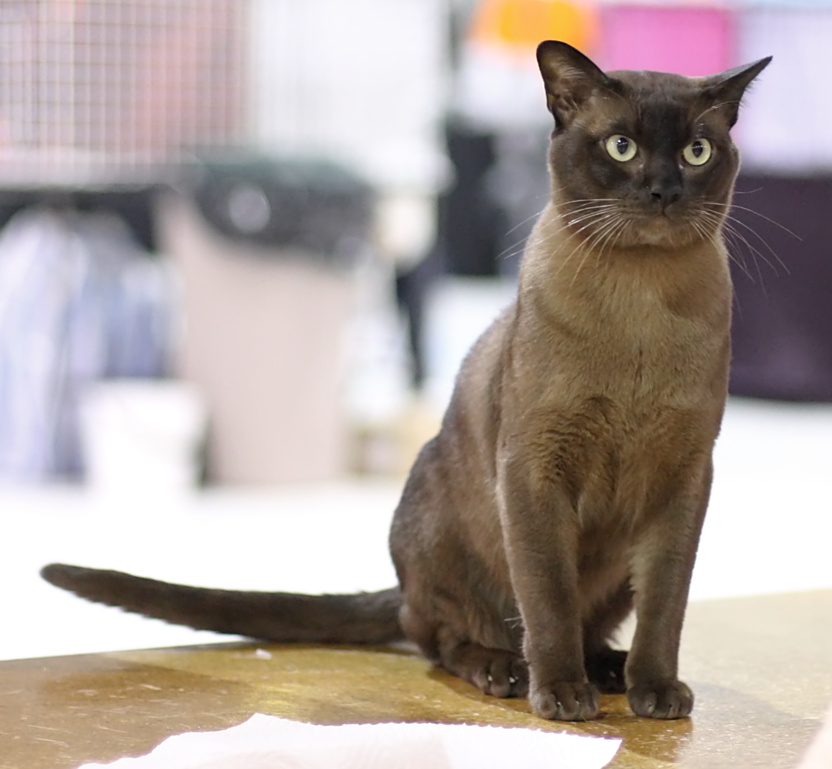
Reference photograph
Reference photograph of a Burmese. Examine the individual’s color and shape alongside the identification notes in the text.
Source: Heikkisiltala · Original material · CC BY 3.0
1. Classification, origins and habitat
Burmese breeding standards developed in the United States and Europe from domestic cat ancestry connected with Myanmar. Despite the similar names, Burmese and Birman are separate breeds; sharing a country reference does not make their appearance and registration histories the same. Standards and recognized colors may differ between American and European types, so do not use one organization’s account as an identical standard for every cat. Short brown fur alone cannot establish a pedigree.
2. Appearance and identification
Representative features include a smooth, short, close-lying coat, a muscular body and soft head contours. Dark brown is famous, but several colors are described depending on the organization and lineage. Consider yellow-to-gold eyes and the proportions of the whole face as well. Saying the body feels more solid than it looks does not recommend a high body weight for every individual. When comparing it with the similarly brown Havana Brown, consider the muzzle, eye color and body shape together.
3. Behavior and way of life
The breed is described as tending to enjoy close interaction and play with people. Individual cats may choose contact differently depending on age, experience and the current environment. Following a person and resting alone are both parts of daily life. The word “sociable” in a breed account does not guarantee that a new cat can be placed with it immediately without preparation. Give opportunities to investigate smells first and space to avoid contact, and observe responses.
4. Observation, conservation and care
Observe the short coat together with changes in skin, body condition and activity. Provide opportunities to play with people as well as quiet space to stay alone. Do not describe it as a breed that must always receive special supplements to maintain the gloss of its brown coat. Check registered lineage and individual health records separately. Link photographs that show the whole short-haired Burmese, and do not confuse them with photographs of a blue-eyed Birman with white gloves.
Evidence and references
- Cat Fanciers’ Association — Burmese
Breed background, appearance standards and an introduction to behavioral tendencies
- The International Cat Association — Burmese
Breed characteristics, coat, activity and everyday care