
Cats
Havana Brown
Havana Brown
Classification and scientific name: Felis catus
Sources checked:
Chocolate-colored fur and brown whiskers do not imply an origin in Cuba’s wild cats
The Havana Brown was developed through planned domestic-cat crosses in the United Kingdom, with separate appearance standards later established in the United States. Although its name contains a Cuban place name, the breed did not originate from Cuban wild cats.
Origins and distribution
Developed in the United Kingdom, with separate standards later established in the United States
- Havana Brown
- Domestic cat
- Assess each individual’s temperament
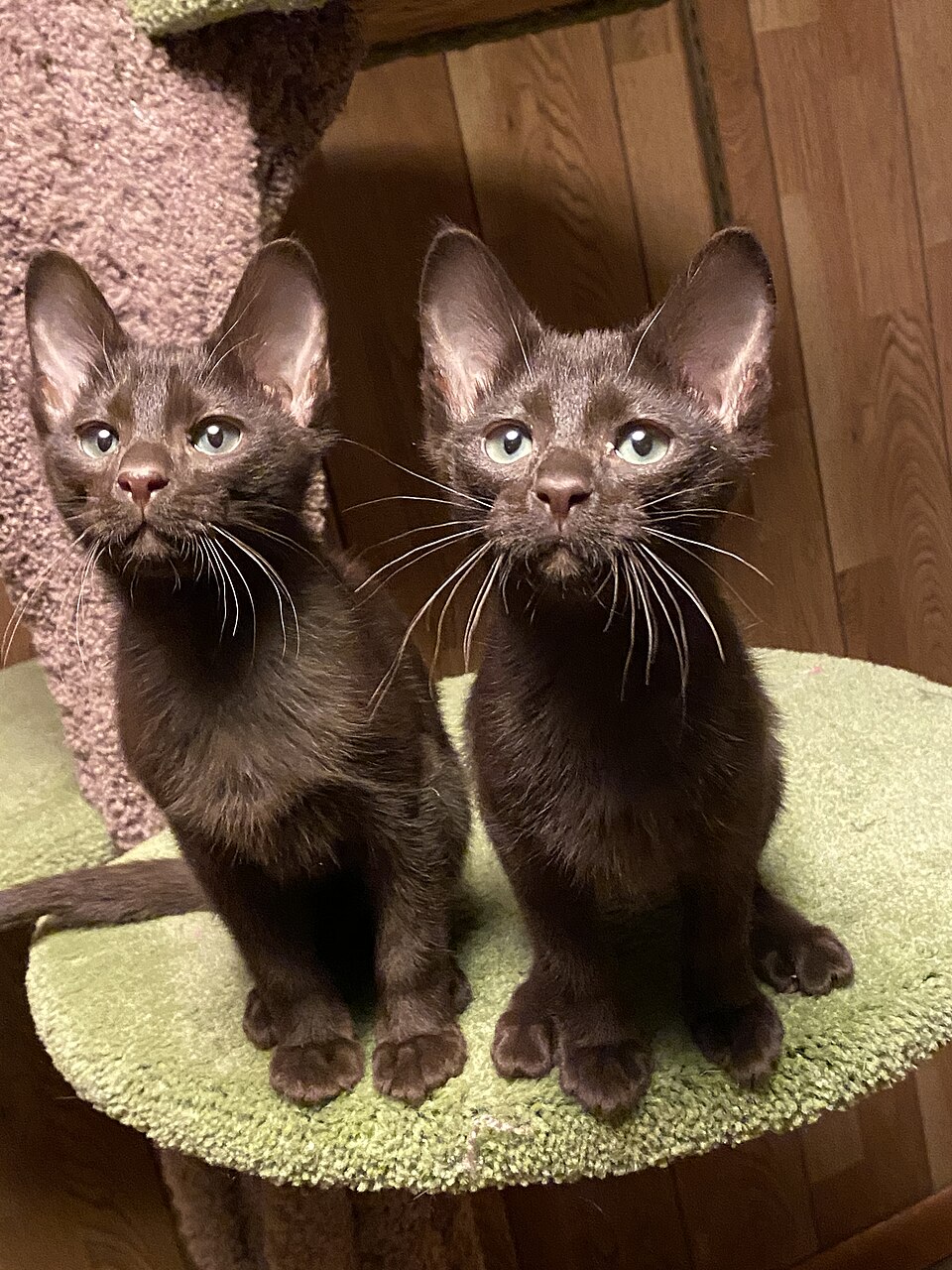
Reference photograph
Reference photograph of Havana Brown. Examine this individual’s color and form alongside the identification descriptions in the text.
Source: Havanabrowngirl · Original material · CC BY 4.0
1. Classification, origins and habitat
The Havana Brown was developed through planned domestic-cat crosses in the United Kingdom, with separate appearance standards later established in the United States. Although its name contains a Cuban place name, the breed did not originate from Cuban wild cats. Check each source’s organization and standards to see whether British brown Orientals and North American Havana Browns are being treated as the same category. Brown fur alone cannot establish pedigree; read history separately from current registration classifications.
2. Appearance and identification
An even chocolate-brown short coat, green eyes, brown whiskers and a distinctive muzzle shape are representative points to observe. The body is balanced; compare color and head proportions together with the black Bombay or dark Burmese. Lighting can make brown appear reddish or dark, so one photograph’s shade does not set a common standard. Do not hold the whiskers to inspect them; examine facial contours in natural side and front views.
3. Behavior and way of life
Breed introductions mention curiosity, interaction with people and investigating objects with the front paws. This does not mean that every individual enjoys the same games and contact. Observe time spent sniffing and approaching alongside withdrawal when seeking rest. A soft brown impression does not prove an always-gentle personality. In a new environment, leave choices for the cat to investigate its surroundings and determine its distance from people.
4. Observation, conservation and care
Care gently while checking the short coat’s sheen, skin and body condition. Do not claim that particular supplements or foods are always necessary to maintain the brown color. Provide safe exploration places, play, quiet rest and hiding spots together. If coat color or condition changes suddenly, consider records of lighting, environment and individual health together. Use a sourced photograph showing muzzle, eyes and coat, without identifying all brown short-haired cats as the same pedigree.
Evidence and references
- Cat Fanciers’ Association — Havana Brown
Breed background, appearance standards and temperament descriptions
- The International Cat Association — Havana Brown
Breed characteristics, coat, activity and daily care