
Cats
Scottish Fold
Scottish Fold
Classification and scientific name: Felis catus
Sources checked:
Folded ears must be discussed alongside cartilage and joint health
The Scottish Fold developed from a folded-ear trait discovered in Scotland. Ear shape is associated with a particular genetic variant, not simply decoration.
Origins and distribution
Breed originating in Scotland from a folded-ear trait
- Scottish Fold
- Domestic cat
- Observe individual temperament
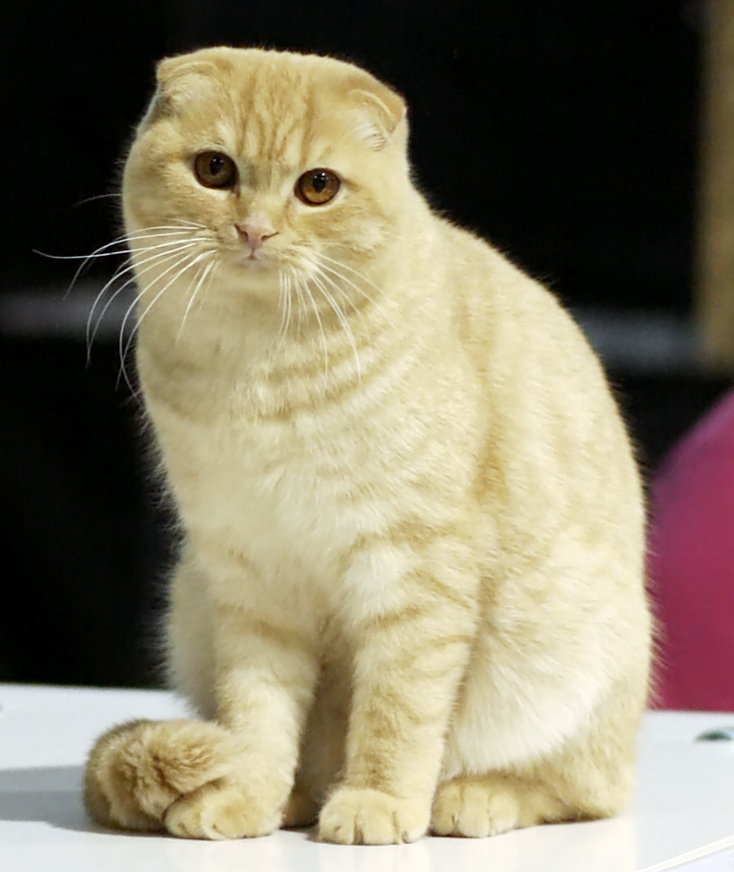
Reference photograph
Scottish Fold reference photograph. Compare the individual’s color and form with the identification descriptions in the text.
Source: Heikki Siltala · Original material · CC BY 3.0
1. Classification, origins and habitat
This domestic breed developed from a folded-ear trait found in Scotland. Ear shape is associated with a particular genetic variant, not merely decoration. Breed organizations differ on registration and recognition; one organization’s show standard does not represent every institution’s welfare assessment. Related straight-eared individuals also exist, so a round face in one photograph cannot establish breed identity.
2. Appearance and identification
Forward-folding ears, round head and eyes are familiar features; coat length and color vary. Degree of folding and overall build are not identical in every individual. Small folded ears do not automatically mean impaired hearing. Explanations should not separate ear cartilage and skeletal or joint problems as if they were unrelated advantages. Observe tail length and flexibility and gait alongside looks.
3. Behavior and way of life
Do not dismiss avoidance of play or jumping as temperament because the breed looks calm. Fold-associated osteochondrodysplasia can affect pain and movement. Reduced activity or stiffness can signal a need for individual health assessment. Do not diagnose every behavior from breed alone, but do not erase possible discomfort by calling a posture cute. Keep everyday records of the cat’s chosen movement and rest.
4. Observation, conservation and care
Provide low stable routes and comfortable rest, without forcibly bending body or tail. For a cat already in your care, watch changes in movement, litter-box use and responses to touch, and discuss health management with a veterinarian. This page explains breed background and welfare concerns rather than encouraging purchase through appearance alone. Read the whole body and posture in photographs instead of cropping to folded ears; do not assume all cats with these ears have symptoms of identical severity.
Evidence and references
- Cat Fanciers’ Association — Scottish Fold
Breed background, appearance standards and behavioral tendencies
- The International Cat Association — Scottish Fold
Breed characteristics, coat, activity and everyday care
- Cats Protection — Scottish Fold Cats
Folded ears, osteochondrodysplasia, pain, movement and care for cats already living with people