
Mammals (Horses)
Falabella
Falabella
Classification and scientific name: Equus caballus
Sources checked:
Adults retain a very small height at the withers, with varied coat colors.
The Falabella is a horse line developed in Argentina by selecting for small body size. Not every small horse is called a Falabella. Adults retain a very small height at the withers, with varied coat colors. Body proportions are not simply those of a large horse’s foal.
Origins and distribution
Argentina
- Falabella
- Argentina
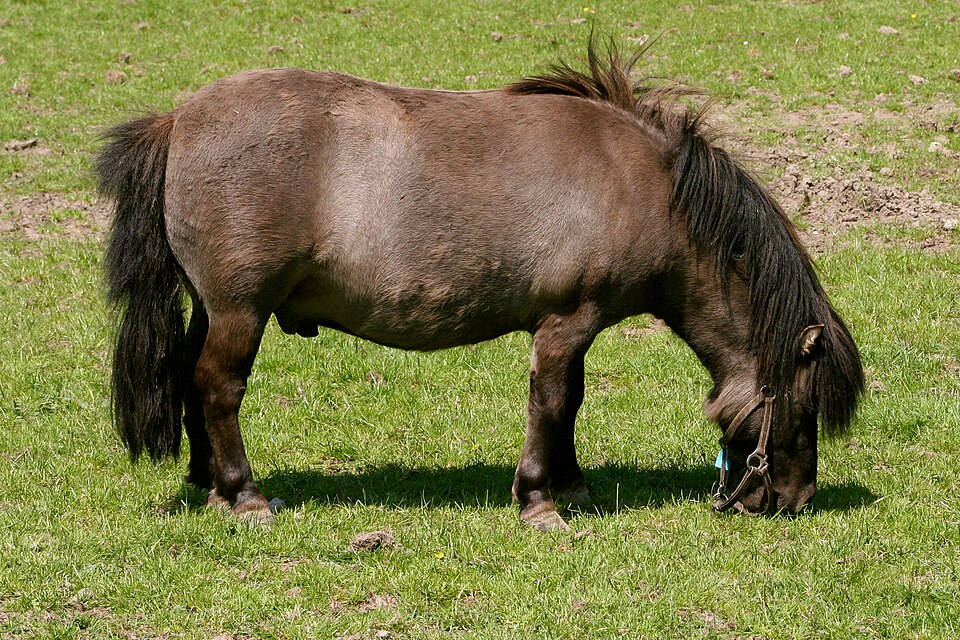
Reference photograph
Reference photograph of Falabella. Compare the color and form of the individual shown with the identification notes in the text.
Source: Karri Huhtanen · Original material · CC BY 2.0
1. Classification, origins and habitat
The Falabella is a horse line developed in Argentina by selecting for small body size. Not every small horse is called a Falabella.
It is a miniature horse line whose ancestry has been continued through selection for small stature in Argentina. Being small does not make every horse a Falabella, so distinguish size classification from registered ancestry. A genetically small adult and the growing foal of a large horse are not the same category.
2. Appearance and identification
Adults retain a very small height at the withers, with varied coat colors. Body proportions are not simply those of a large horse’s foal.
Small adult stature occurs with several coat colors and patterns. Examining head, neck, body and leg proportions in a full-body view helps explain differences from a foal. Do not estimate precise height solely from a small fence or camera angle; check the individual’s records.
3. Behavior and way of life
Miniature horses are used in conservation, exhibitions and similar settings. The strength and possible uses of a small horse must not be judged by the standards of a large riding horse.
Although known as small horses used in exhibitions and interaction, individuals differ in familiarity with people. A small body does not make it acceptable to carry one around or handle it as a toy. Suitability for a child to ride cannot be judged by size alone; consider safety and welfare together.
4. Observation, conservation and care
Food, hoof care and safe space must suit the small build. Distinguish the ancestry name from a size category, and check adult status in records.
Provide feeding, hoof care, fencing and secure gateways suited to the small body. Small size does not remove a horse’s need for social life and opportunities to move. Restricting food to keep it small is inappropriate; manage according to current body condition, growth and health.
Evidence and references
- Oklahoma State University — Falabella
Classification, origins, appearance, ecology or uses of the breed
- Defra — Welfare guidance for horses and ponies
Suitable environment, food, companionship, training and long-term responsibility for care