
Mammals (Horses)
Shetland Pony
Shetland Pony
Classification and scientific name: Equus caballus
Sources checked:
Low height at the withers, a compact body and a thick coat are characteristic
The Shetland Pony is a small horse developed in northern islands. Historically used for transport and work, it developed into different registered populations in several countries. Low height at the withers, a compact body and a thick coat are characteristic. Adults retain a small build and must be distinguished from foals.
Origins and distribution
Shetland Islands, Scotland
- Shetland Pony
- Shetland Islands, Scotland
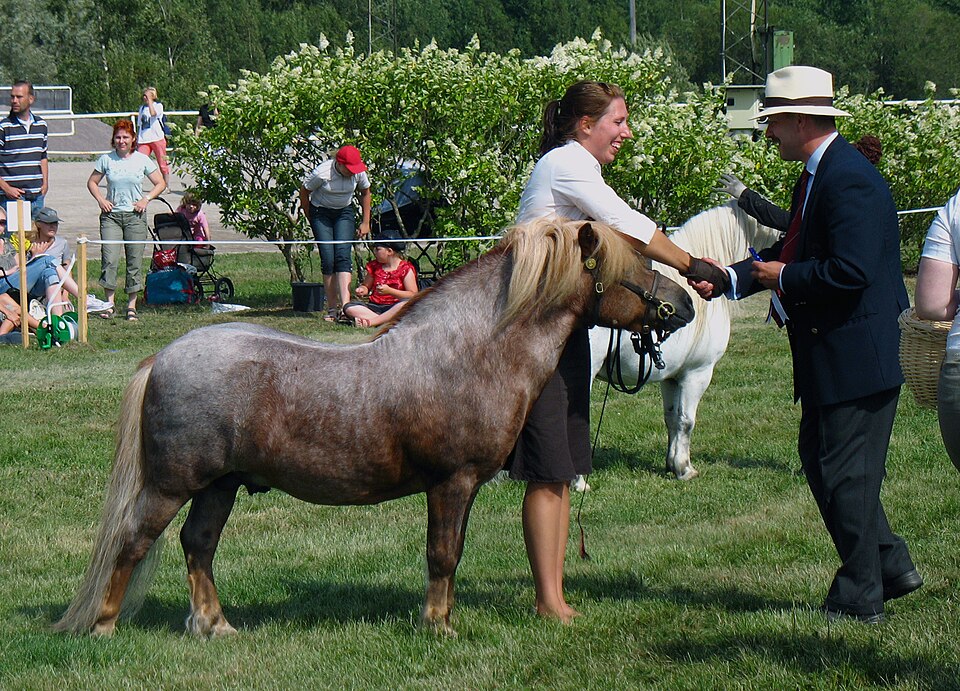
Reference photograph
Reference photograph of a Shetland Pony. Compare the photographed individual's color and form with the identification information in the text.
Source: Pitke · Original material · CC BY-SA 3.0
1. Classification, origins and habitat
The Shetland Pony is a small horse developed in northern islands. Historically used for transport and work, it developed into different registered populations in several countries.
Consider the history of the small horses of the Shetland Islands in work and transport separately from modern riding and exhibition uses. British and American registered populations can differ in conformation and breeding goals, so check which organization's standards are being discussed. Pony does not mean foal.
2. Appearance and identification
Low height at the withers, a compact body and a thick coat are characteristic. Adults retain a small build and must be distinguished from foals.
Short legs, a compact body and thick mane and tail stand out. Seasonal differences in coat volume can hide the actual body outline. Coat colors vary, and small adults differ from the foals of larger horses in proportions of the head, neck and body.
Long winter hair can make a small body look rounder. Assess actual body condition instead of judging excess weight or health from volume alone. Small adults and foals also differ in head-to-body proportions.
3. Behavior and way of life
Shetlands are used for pulling and riding. American registered Shetland populations can differ from British lines in appearance and selection criteria.
Although the small body is used for driving and riding, not every pony is automatically suitable for children. Reactions to handling and experience in learning instructions vary individually. A cute, small appearance cannot replace safety assessment for contact with people.
4. Observation, conservation and care
Distinguish small body size from feeding requirements and watch for overeating. Children approaching a pony also need guidance from an experienced handler and safe equipment.
Assess a small horse's body condition and activity rather than simply dividing a large horse's feed into identical portions. Check nutritional condition beneath the thick coat together with the hooves, and provide room to move safely. Riding and pulling must remain within limits suited to body size and training.
Evidence and references
- Oklahoma State University — Shetland Pony
Classification, origins, appearance, ecology or breed uses
- Defra — Welfare code for horses and ponies
Suitable surroundings, feed, companionship, training and long-term care responsibilities